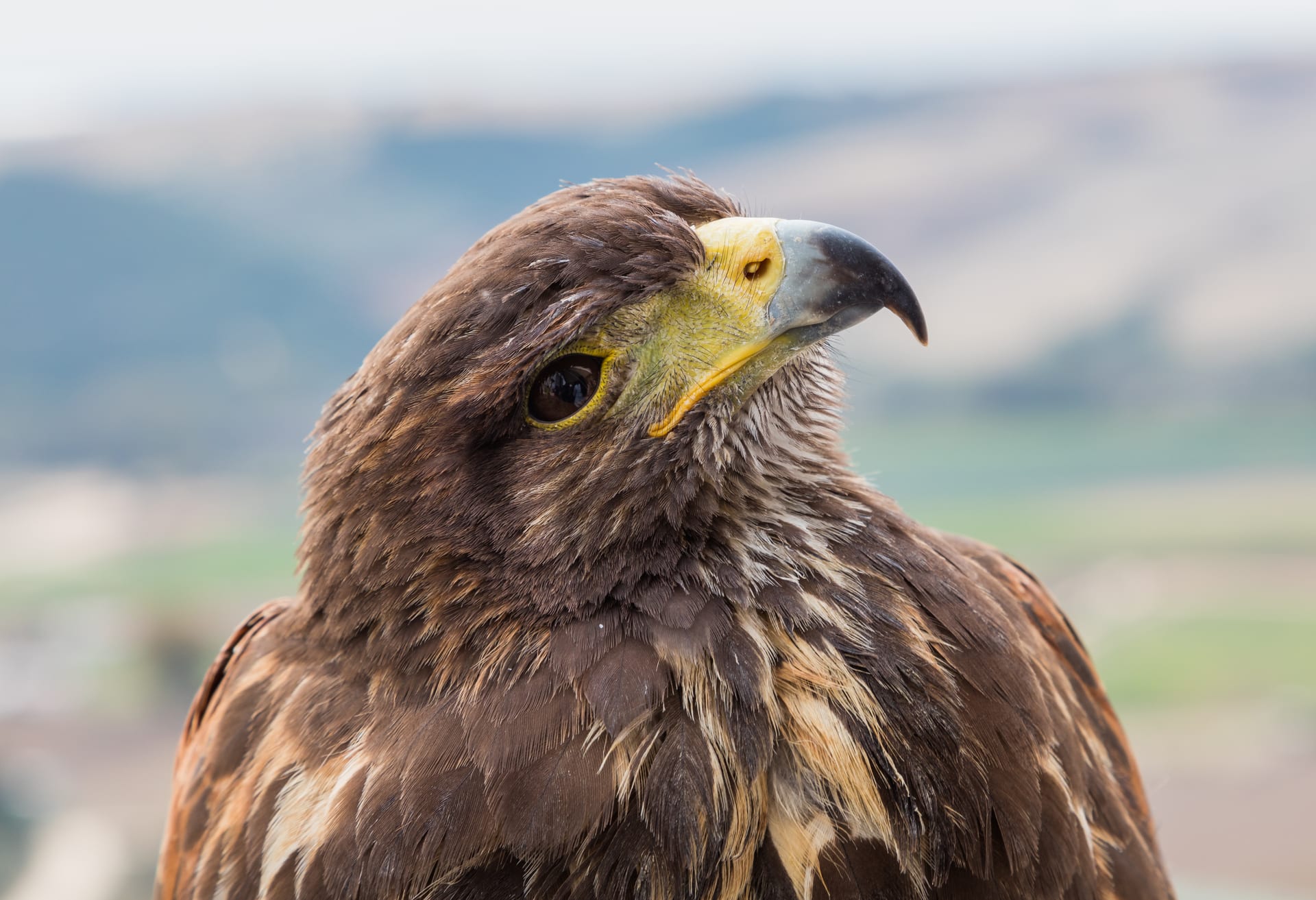
 © Diego Delso / CC BY-SA 4.0
Harris's Hawk
Harris's Hawk is a medium-sized raptor with dark brown plumage, reddish shoulders and thighs, and a white-based, white-tipped tail. Unusually among birds of prey, it hunts cooperatively in family groups—a social trait that also makes it notably responsive to training, and the reason it's the most widely flown hawk in falconry worldwide. Adults measure 46 to 59 cm in length with a wingspan of 103 to 120 cm, and their yellow legs and cere give them a striking look. Intelligent and social, Harris's Hawks are captivating birds, but their care demands real expertise and is best suited to experienced keepers.
View Harris's Hawk encyclopedia →0% commission on your first sales!Register by September 30, 2026 and your first 2 sales are commission-free!
Breeder Wanted!
List on BreederDirect and sell directly to customers nationwide!
Six Transparency Commitments from BreederDirect
All Birds listings include complete Breeder transparency: hand-raised status, DNA sex determination, and health certification details.
- Hand-Raised
- DNA Sex-Determined
- Health Certified
- Origin Disclosed
- Color Variation Specified
- Age in Months Disclosed
Browse all 247 breeds
Care Level
Verified breeders wanted for Birds
Breeders are signing up now ahead of launch. Subscribe to be notified when new listings go live.
Getting alerts is free with a member account. When new listings match your saved search, we'll notify you by email and in-app.
Browse other categories
Verified breeders (preview)
Harris's Hawk key facts
- Care level
- Advanced
- Lifespan
- 19-25 years
- Size
- 46-59cm (wingspan 103-120cm; males average about 710g, females over 1,020g)
- Diet
- Frozen raptor food such as quail, day-old chicks and mice; in the wild small mammals, birds and reptiles
- Cage
- Keeping a raptor presupposes either a weather-proof, predator-proof mews of adequate size or tethered housing with perches plus daily manning and free flight. Choose flooring and perch surfaces that spare the feet and feathers.
- Temperament
- Exceptionally social for a raptor, hunting cooperatively in groups. It tames and trains readily, but only if the keeper can sustain daily handling and weight management.
- Vocalization
- It gives a harsh, grating call. The bird is not a persistent caller, but calls when excited or waiting for food can carry to neighbours.
- Notes
- Listed on CITES Appendix II, so import requires an export permit from the country of origin. Escaped birds have bred in the wild in Britain, so escape prevention and daily tethering discipline matter.
About Harris's Hawk
Harris's Hawk is a highly social, medium-sized raptor known for cooperative group hunting. Popular in falconry for its trainability, it requires expert-level care.
7 things to know before welcoming a Harris's Hawk
1An Expert-Level Raptor
Caring for a Harris's Hawk is considered an expert-level undertaking. It requires solid knowledge of raptor-specific feeding, handling, and behavior, so it isn't recommended as a first bird. Learning the basics under an experienced falconer or breeder before bringing one home is strongly advised.
2An Unusually Social Hunter
Unlike most raptors, Harris's Hawks hunt cooperatively in family groups in the wild. This strong social instinct is thought to make them more receptive to human interaction, and they tend to train more readily than many other hawk species.
3Training and Manning Are Essential
Ongoing training is essential after bringing one home, including "manning" (getting the bird accustomed to the glove) and flight conditioning. While the species is relatively trainable, consistent daily engagement, time, and patience are still required.
4Needs Ample Flight Space
With a wingspan reaching 103 to 120 cm, Harris's Hawks need space to spread their wings and fly—whether through an outdoor tethering setup or a properly sized flight aviary. Keeping one confined to a small indoor space alone is not appropriate.
5Notable Size Difference Between Sexes
Males average around 710 g, while females weigh 1,020 g or more—a pronounced size difference typical of raptors. This affects handling considerations and equipment sizing depending on which sex you bring home.
6Daily Health Monitoring and Care
Birds of prey instinctively mask signs of illness, so daily checks of appetite, weight, and feather condition are important. It's also wise to line up a veterinarian experienced with raptors in advance, including for talon and beak care.
7Know Its Distinctive Markings
Look for dark brown plumage, reddish shoulders and thighs, a tail that's white at both the base and tip, and yellow legs and cere. Coloring can vary somewhat by individual and age, so it helps to understand these visual traits before bringing one home.
Frequently asked questions about Harris's Hawk
- Q.Can beginners keep a Harris's Hawk?
- A.Harris's Hawks are considered an expert-level species. They require specialized knowledge of raptor feeding, handling, and training, so they're best suited to keepers with prior bird experience or access to guidance from an experienced falconer.
- Q.Are Harris's Hawks friendly toward people?
- A.Because they naturally hunt cooperatively in family groups in the wild, Harris's Hawks are generally considered more receptive to human interaction than many other raptors. That said, individual personalities vary, and a bond still depends on consistent daily interaction.
- Q.How much space does a Harris's Hawk need?
- A.With a wingspan of 103 to 120 cm, they need enough room to spread their wings and fly, such as an outdoor tethering setup or a properly sized flight aviary. Keeping one confined to a small indoor area alone isn't suitable.
- Q.Can a Harris's Hawk live alongside other pets?
- A.As a bird of prey, it poses a predation risk to small birds and small mammals, making cohabitation unsuitable. Interactions with dogs or cats also require careful, case-by-case assessment of the individual hawk's reactions.
- Q.Are there any legal restrictions on this species?
- A.Harris's Hawk is listed in CITES Appendix II. International trade requires a permit from the exporting country, but as far as CITES is concerned, no registration is needed to buy or sell individuals already legally in Japan.
Useful tools for Harris's Hawk care
Learn more about Harris's Hawk in the encyclopedia
View Harris's Hawk encyclopedia entry →
Care difficulty, lifespan, size and diet — all basics covered.
Harris's Hawk related articles
See more Harris's Hawk articles →More in this category
Can't find the one you're looking for?
Post your wishes for free and breeders with matching animals will contact you with introductions.