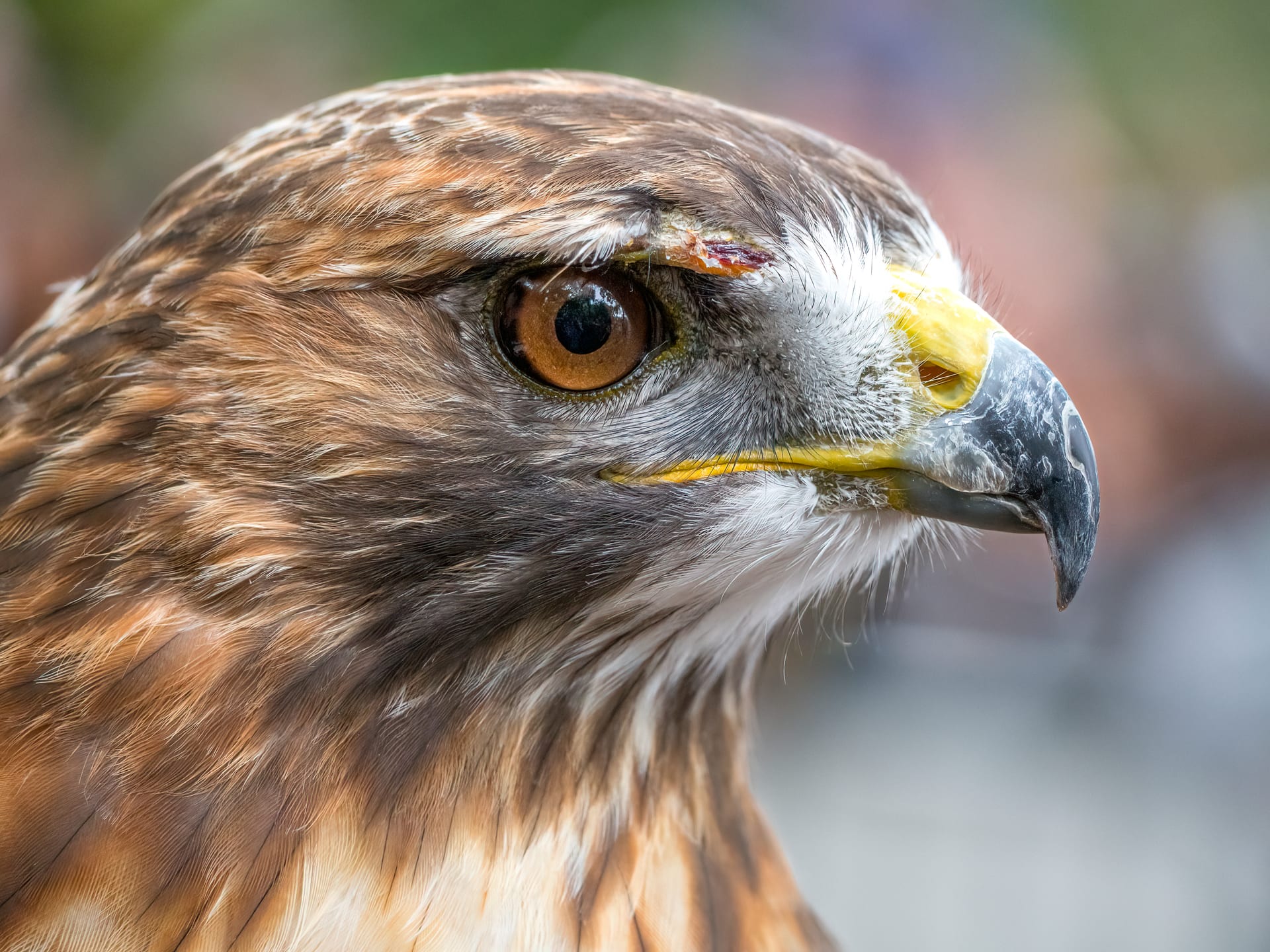
 © Rhododendrites / CC BY-SA 4.0
Red-tailed Hawk
The Red-tailed Hawk is one of North America's most familiar birds of prey, instantly recognizable by the brick-red tail feathers on its upperside. With a sturdy build and broad wings, its manageable temperament has made it a long-time favorite in falconry. Females are noticeably larger and more powerful than males. Its sharp gaze and commanding presence give it real visual impact, but this is a bird that demands experienced, knowledgeable care — best suited to keepers ready for a serious, hands-on relationship.
View Red-tailed Hawk encyclopedia →0% commission on your first sales!Register by September 30, 2026 and your first 2 sales are commission-free!
Breeder Wanted!
List on BreederDirect and sell directly to customers nationwide!
Six Transparency Commitments from BreederDirect
All Birds listings include complete Breeder transparency: hand-raised status, DNA sex determination, and health certification details.
- Hand-Raised
- DNA Sex-Determined
- Health Certified
- Origin Disclosed
- Color Variation Specified
- Age in Months Disclosed
Browse all 247 breeds
Care Level
Verified breeders wanted for Birds
Breeders are signing up now ahead of launch. Subscribe to be notified when new listings go live.
Getting alerts is free with a member account. When new listings match your saved search, we'll notify you by email and in-app.
Browse other categories
Verified breeders (preview)
Red-tailed Hawk key facts
- Care level
- Advanced
- Lifespan
- About 21 years
- Size
- 45-65cm (wingspan 110-145cm, 690-1,600g; females about 25% heavier than males)
- Diet
- Frozen raptor food such as quail, day-old chicks and mice; in the wild small mammals, birds, reptiles and amphibians
- Cage
- It needs a weather-proof, predator-proof mews of adequate size, or tethered housing with daily free flight. With a wingspan over 140 cm, the space and perch layout must spare the feathers.
- Temperament
- A solitary hunter without the group sociability of Harris's hawk. Individuals vary, but it responds well to training and is one of the few hawks permitted to novice falconers in the United States. Weight management must be routine.
- Vocalization
- It gives a hoarse, drawn-out scream - the call widely dubbed over birds of prey in film and television - which carries a long way.
- Notes
- Listed on CITES Appendix II, so import requires an export permit. The species is protected under the Migratory Bird Treaty in North America, so choose birds of documented provenance.
About Red-tailed Hawk
The Red-tailed Hawk is a North American raptor known for its brick-red tail, sturdy build, and manageable temperament — a bird suited to experienced keepers.
7 things to know before welcoming a Red-tailed Hawk
1A Bird for Experienced Keepers
The Red-tailed Hawk is rated as a bird for experienced keepers. Proper care calls for specialized knowledge of raptor feeding, training, and handling — this is not a first bird for a beginner.
2A Sturdy, Powerful Build
Adults measure 45–65cm in length with a wingspan of 110–145cm, and weigh between 690 and 1,600g. Females run about 25% heavier than males. Housing needs to account for this substantial body size and wingspan.
3Notable Size Difference Between Sexes
Like many raptors, the Red-tailed Hawk shows clear sexual dimorphism, with females weighing roughly 25% more than males. Keep this size difference in mind when planning housing and handling.
4The Brick-Red Tail Is Its Signature
The defining feature of the adult Red-tailed Hawk is its uniformly brick-red tail. Combined with a robust body and broad wings, it carries an unmistakably powerful raptor silhouette.
5A Temperament Known for Manageability
Its manageable nature has made this the most widely used hawk species in American falconry. That said, it remains a bird of prey with strong wild instincts, and consistent training and relationship-building are essential.
6Preparing the Right Environment
With a wingspan reaching 110–145cm, outdoor housing such as a mews or flight enclosure needs generous space and solid safety measures. Plan your facilities concretely before bringing one home.
7Research Before You Commit
Raptor care is highly specialized, and there's a lot to learn beforehand — from experienced advice to daily health monitoring routines. Talk thoroughly with the breeder about housing and the individual bird's condition before bringing one home.
Frequently asked questions about Red-tailed Hawk
- Q.Can beginners keep a Red-tailed Hawk?
- A.The Red-tailed Hawk is rated as suitable for experienced keepers. It requires specialized knowledge and experience, so it isn't recommended as a first bird.
- Q.How large does an adult Red-tailed Hawk get?
- A.Adults reach 45–65cm in length, with a wingspan of 110–145cm and a weight of 690–1,600g. Females tend to be about 25% heavier than males.
- Q.Is there a size difference between males and females?
- A.Yes. Females are about 25% heavier than males, making this a raptor with a notably clear size difference between the sexes — worth factoring in when deciding which to bring home.
- Q.What does a Red-tailed Hawk look like?
- A.Its most distinctive feature is the uniformly brick-red tail seen on adults. It has a robust body and broad wings, and is the most common hawk of its kind found across North America.
- Q.Are there CITES restrictions on Red-tailed Hawks?
- A.Red-tailed Hawk is listed in CITES Appendix II. International trade requires a permit from the exporting country, but as far as CITES is concerned, no registration is needed to buy or sell individuals already legally in Japan.
Useful tools for Red-tailed Hawk care
Learn more about Red-tailed Hawk in the encyclopedia
View Red-tailed Hawk encyclopedia entry →
Care difficulty, lifespan, size and diet — all basics covered.
Red-tailed Hawk related articles
See more Red-tailed Hawk articles →More in this category
Can't find the one you're looking for?
Post your wishes for free and breeders with matching animals will contact you with introductions.