 © Горбунова М.С. / CC BY-SA 4.0
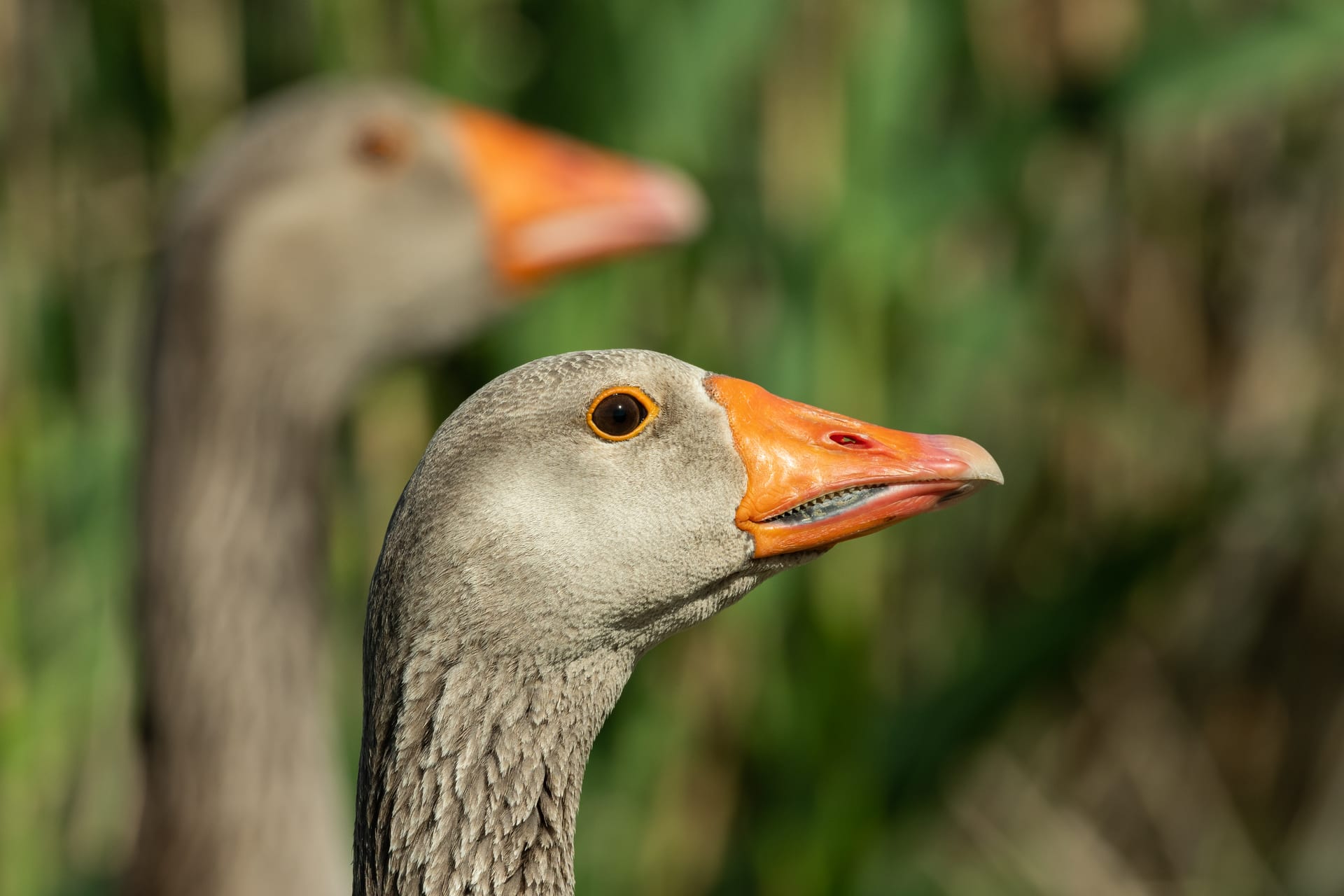
Domestic Goose
The domestic goose descends from the wild greylag goose and is one of the larger poultry breeds, with a rounded, fat-padded body and an upright stance created by its long neck. Geese are naturally wary and quick to sound a loud alarm call at unfamiliar visitors or noises, which is why they have long been kept as watchful guard birds. At the same time, they often form strong bonds with their flock mates and caretakers, and personalities can vary quite a bit between individuals. Body size differs considerably by breed, with the largest breeds reaching up to 10 kg. Because they need generous outdoor space, access to water for bathing, and an owner who can handle their loud voice and assertive temperament, geese are generally considered a breed better suited to keepers with some prior poultry experience.
View Domestic Goose encyclopedia →0% commission on your first sales!Register by September 30, 2026 and your first 2 sales are commission-free!
Breeder Wanted!
List on BreederDirect and sell directly to customers nationwide!
Six Transparency Commitments from BreederDirect
All Birds listings include complete Breeder transparency: hand-raised status, DNA sex determination, and health certification details.
- Hand-Raised
- DNA Sex-Determined
- Health Certified
- Origin Disclosed
- Color Variation Specified
- Age in Months Disclosed
Browse all 247 breeds
Care Level
Verified breeders wanted for Birds
Breeders are signing up now ahead of launch. Subscribe to be notified when new listings go live.
Getting alerts is free with a member account. When new listings match your saved search, we'll notify you by email and in-app.
Browse other categories
Verified breeders (preview)
Domestic Goose key facts
- Care level
- Intermediate
- Lifespan
- 15-20 years
- Size
- Up to 10kg in the largest breeds (the wild greylag reaches 4.1kg)
- Diet
- Poultry feed, grain and fresh grass; it eats grass in quantity and suits range on pasture
- Cage
- It needs pasture it can graze and walk over plus bathing water, with a predator-proof house at night. The birds are heavy and do not climb, but most breeds can fly, so open housing needs measures against escape.
- Temperament
- Very wary, it will stretch out its neck and strike with the bill at strangers or unfamiliar animals. That makes it a guard bird, but it needs careful handling where visitors are frequent. Geese settle better in a group.
- Vocalization
- It trumpets loudly and keeps calling at an intruder for a long time, so it does not suit dense housing.
- Notes
- The birds are large and strong and can injure a person, so supervise contact with children. Angel wing, a wing deformity, is linked to high-protein feeding, so watch the diet. The East Asian Chinese goose is a separate lineage with its own name, Anser cygnoides domesticus, recognisable by the knob at the base of the upper bill. Both are sold simply as geese, so establish which lineage a bird belongs to before taking it on.
About Domestic Goose
The domestic goose is a large poultry breed descended from the greylag goose, valued as a watchful guard bird. Body weight varies by breed and can reach up to 10 kg, making it a breed best suited to keepers with some poultry experience.
7 things to know before welcoming a Domestic Goose
1Prepare for Loud Calls
Geese are naturally wary and will call loudly and repeatedly at visitors or unfamiliar sounds. This makes them effective watch birds, but in a densely populated area it's worth thinking about how the noise affects your neighbors.
2Space and Water Access
Give geese room to walk around outdoors as well as a water source for bathing and preening, which helps keep them healthy. They are best kept outdoors, so a yard or comparable outdoor space is needed.
3Size Varies by Breed
Body size differs considerably between goose breeds, and the largest breeds can reach up to 10 kg. Check the adult size of the specific breed before bringing one home to make sure your space can accommodate it.
4Strong Territorial Instincts
Geese, especially around breeding season, can become territorial and display threatening postures. Ganders in particular tend to be more assertive, so it helps to keep a respectful distance until you're both used to each other.
5Best Kept in a Flock
Geese are highly social birds and generally do better in groups than alone. Having flock mates helps them feel secure, and the social order within the group tends to encourage calmer behavior.
6Molting and Feather Care
During molting season, geese shed large amounts of feathers, which means more cleanup around their living space. Keeping an eye on their feather condition day to day is also a simple way to notice changes early.
7Check Your Setup Beforehand
Geese come with different day-to-day demands than dogs or cats, including their calls and the amount of droppings to clean up. Before bringing one home, confirm the space available, distance from neighbors, and the time you can dedicate to daily care.
Frequently asked questions about Domestic Goose
- Q.Do geese really work as "guard birds"?
- A.Geese are naturally wary and tend to call loudly when they notice an unfamiliar person or sound. This trait is why they've traditionally been kept as guard birds, though it also means you'll need to think about how the noise affects those around you.
- Q.How big do geese get?
- A.Body size varies considerably by breed, with the largest breeds reaching up to 10 kg. The wild ancestor, the greylag goose, tops out at around 4.1 kg, and breeds developed for poultry use tend to be considerably larger.
- Q.Can a first-time bird owner keep a goose?
- A.Geese are generally considered a breed for keepers with some experience, since they require more consideration than many other poultry — from managing their loud calls to providing enough outdoor space. They suit owners who either have prior experience or can prepare thoroughly in advance.
- Q.Do geese bond with people?
- A.This varies by individual, but geese can grow attached to their flock mates and to the person who cares for them day to day. At the same time, they may act aggressively toward strangers or anything they perceive as a threat, so it helps to understand their temperament before interacting with them.
- Q.Is it okay to keep just one goose?
- A.Geese are highly social birds, so keeping them in groups is generally recommended. A goose kept alone may experience significant stress, so it's best to bring home a companion goose as well.
Useful tools for Domestic Goose care
Learn more about Domestic Goose in the encyclopedia
View Domestic Goose encyclopedia entry →
Care difficulty, lifespan, size and diet — all basics covered.
More in this category
Can't find the one you're looking for?
Post your wishes for free and breeders with matching animals will contact you with introductions.