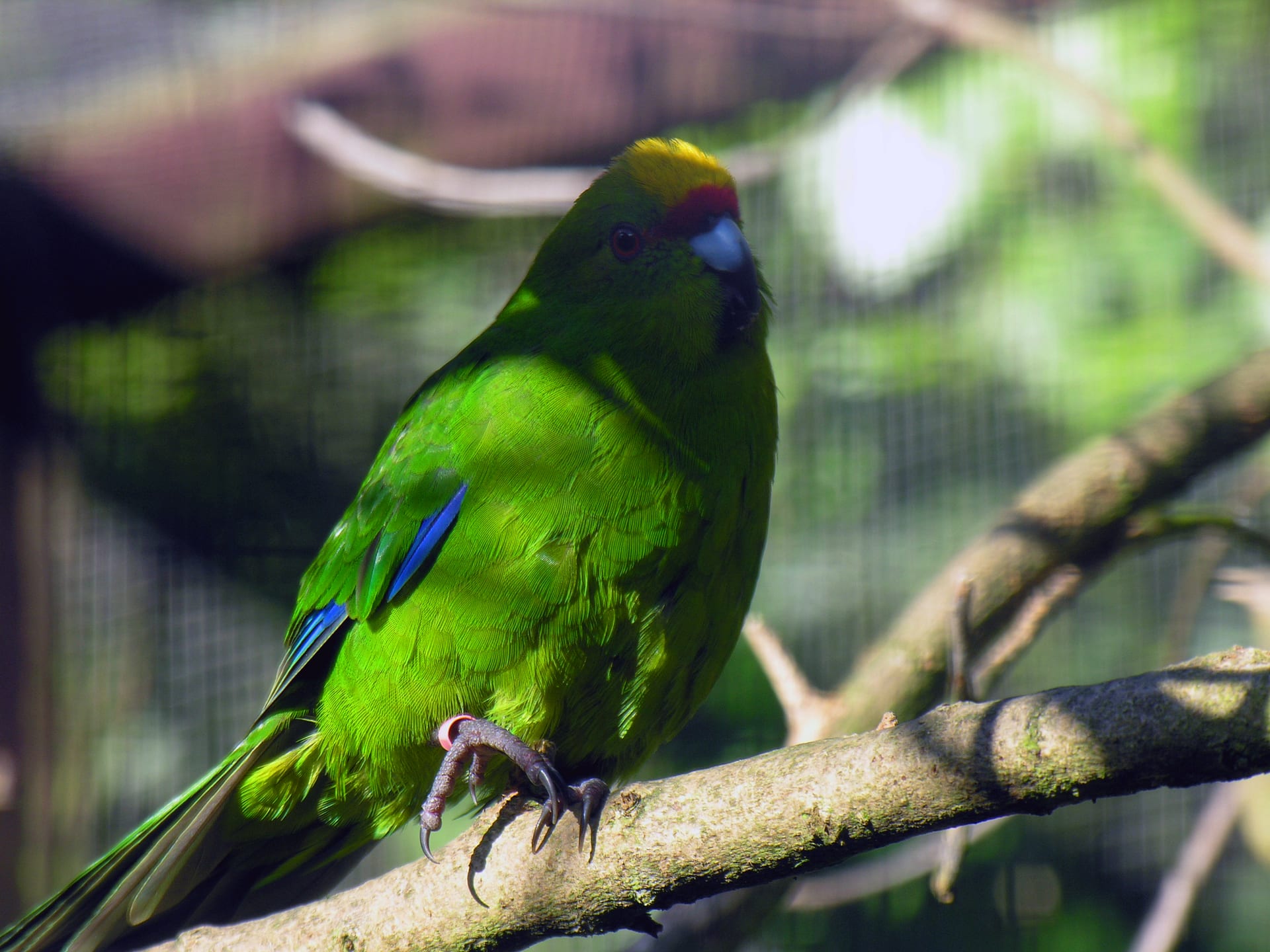
 © Phillip Capper / CC BY 2.0
Yellow-crowned Parakeet (Yellow-fronted Kakariki)
The Yellow-crowned Parakeet, also sold in Japan under the name "Yellow Kakariki," is a parakeet native to New Zealand, recognized by its bright green plumage, yellow crown, and a small red patch on the forehead. True to its energetic nature, it loves hopping and moving around on the ground as much as perching, showing off a curious and lively personality. Adults grow to about 23cm in length, and during breeding season they can lay a relatively large clutch of 5 to 10 eggs. Because it needs plenty of room to stay active, this bird is considered better suited to intermediate keepers, but it rewards that extra care with a spirited, engaging companionship.
View Yellow-crowned Parakeet (Yellow-fronted Kakariki) encyclopedia →0% commission on your first sales!Register by September 30, 2026 and your first 2 sales are commission-free!
Breeder Wanted!
List on BreederDirect and sell directly to customers nationwide!
Six Transparency Commitments from BreederDirect
All Birds listings include complete Breeder transparency: hand-raised status, DNA sex determination, and health certification details.
- Hand-Raised
- DNA Sex-Determined
- Health Certified
- Origin Disclosed
- Color Variation Specified
- Age in Months Disclosed
Browse all 247 breeds
Care Level
Verified breeders wanted for Birds
Breeders are signing up now ahead of launch. Subscribe to be notified when new listings go live.
Getting alerts is free with a member account. When new listings match your saved search, we'll notify you by email and in-app.
Browse other categories
Verified breeders (preview)
Yellow-crowned Parakeet (Yellow-fronted Kakariki) key facts
- Care level
- Intermediate
- Lifespan
- More than 10 years
- Size
- 23cm (about 95g)
- Diet
- Small seeds (millet, canary seed, small amounts of oats and buckwheat), greens, seeding grasses, fruit and pellets
- Cage
- A walk-in flight 3 m long is recommended, with a vertical nest box about 20 x 20 x 35 cm. The birds are very active, so flight length is the first priority.
- Temperament
- Active and constantly moving, it also digs about on the floor. Offer seeding grasses and unsprayed branches to draw out foraging behaviour.
- Vocalization
- Flight calls are repetitive and quieter and higher pitched than those of the red-crowned parakeet; indoors they carry, so placement matters.
- Notes
- Listed on CITES Appendix II, so import requires an export permit. The related red-crowned parakeet (Cyanoramphus novaezelandiae) is on Appendix I and treated differently, so check the scientific name.
About Yellow-crowned Parakeet (Yellow-fronted Kakariki)
Meet the Yellow-crowned Parakeet (Yellow-fronted Kakariki), a lively New Zealand native prized for its green plumage, yellow crown, and active, curious personality.
7 things to know before welcoming a Yellow-crowned Parakeet (Yellow-fronted Kakariki)
1Active Nature & Exercise
This is an energetic bird that hops and walks around on the ground as much as it perches. Rather than keeping it confined to a small cage, provide daily out-of-cage time and room to move. A sudden drop in activity can signal a change in condition, so keep a close eye on its everyday behavior.
2Choosing a Spacious Cage
Given its active nature, a cage larger than the typical small-parakeet setup works best. Vary the height and placement of perches so the bird can also move up and down within the cage.
3Climate Differences
As a species native to New Zealand, it benefits from care that accounts for differences from Japan's climate and seasons. Pay attention to shifts in room temperature and light during seasonal changes, and avoid sudden changes to its environment.
4Curious Personality
It tends to show interest in both people and objects, and once accustomed to its keeper, it will actively move around and engage. Occasionally rearranging toys and perches helps keep it stimulated and prevents boredom.
5High Egg-Laying Rate
This species lays a relatively large clutch of 5 to 10 eggs at a time compared to many parakeets. If breeding is not the goal, think ahead about housing arrangements for males and females and how to manage egg-laying conditions.
6Intermediate-Level Care
Because it requires handling a high activity level and lively temperament, this bird suits keepers with some prior experience more than complete beginners. Before bringing one home, check whether it fits your daily routine and available time.
7A Long-Term Commitment
With a lifespan of 10 years or more, it's important to plan for the long term before welcoming one home. Beyond stocking up on food, perches, and toys, building a habit of daily health checks will help you catch changes early.
Frequently asked questions about Yellow-crowned Parakeet (Yellow-fronted Kakariki)
- Q.Can beginners keep a Yellow-crowned Parakeet?
- A.This species is generally considered suited to intermediate keepers. Before bringing one home, it's best to make sure you can provide an environment that matches its high activity level and lively temperament.
- Q.Is it the same as the "Yellow Kakariki"?
- A.Yes, they're the same bird. The Yellow-crowned Parakeet is also commonly sold in Japan under the name "Yellow Kakariki."
- Q.How large does it grow?
- A.Adults reach about 23cm in length and roughly 95g in weight, with green plumage, a yellow crown, and a small red patch on the forehead.
- Q.What is its lifespan?
- A.It's generally expected to live 10 years or more, so it's worth planning ahead for a long-term relationship with this bird.
- Q.Are there any legal regulations to be aware of?
- A.Yellow-crowned Parakeet (Yellow-fronted Kakariki) is listed in CITES Appendix II. International trade requires a permit from the exporting country, but as far as CITES is concerned, no registration is needed to buy or sell individuals already legally in Japan.
Useful tools for Yellow-crowned Parakeet (Yellow-fronted Kakariki) care
Learn more about Yellow-crowned Parakeet (Yellow-fronted Kakariki) in the encyclopedia
View Yellow-crowned Parakeet (Yellow-fronted Kakariki) encyclopedia entry →
Care difficulty, lifespan, size and diet — all basics covered.
More in this category
Can't find the one you're looking for?
Post your wishes for free and breeders with matching animals will contact you with introductions.