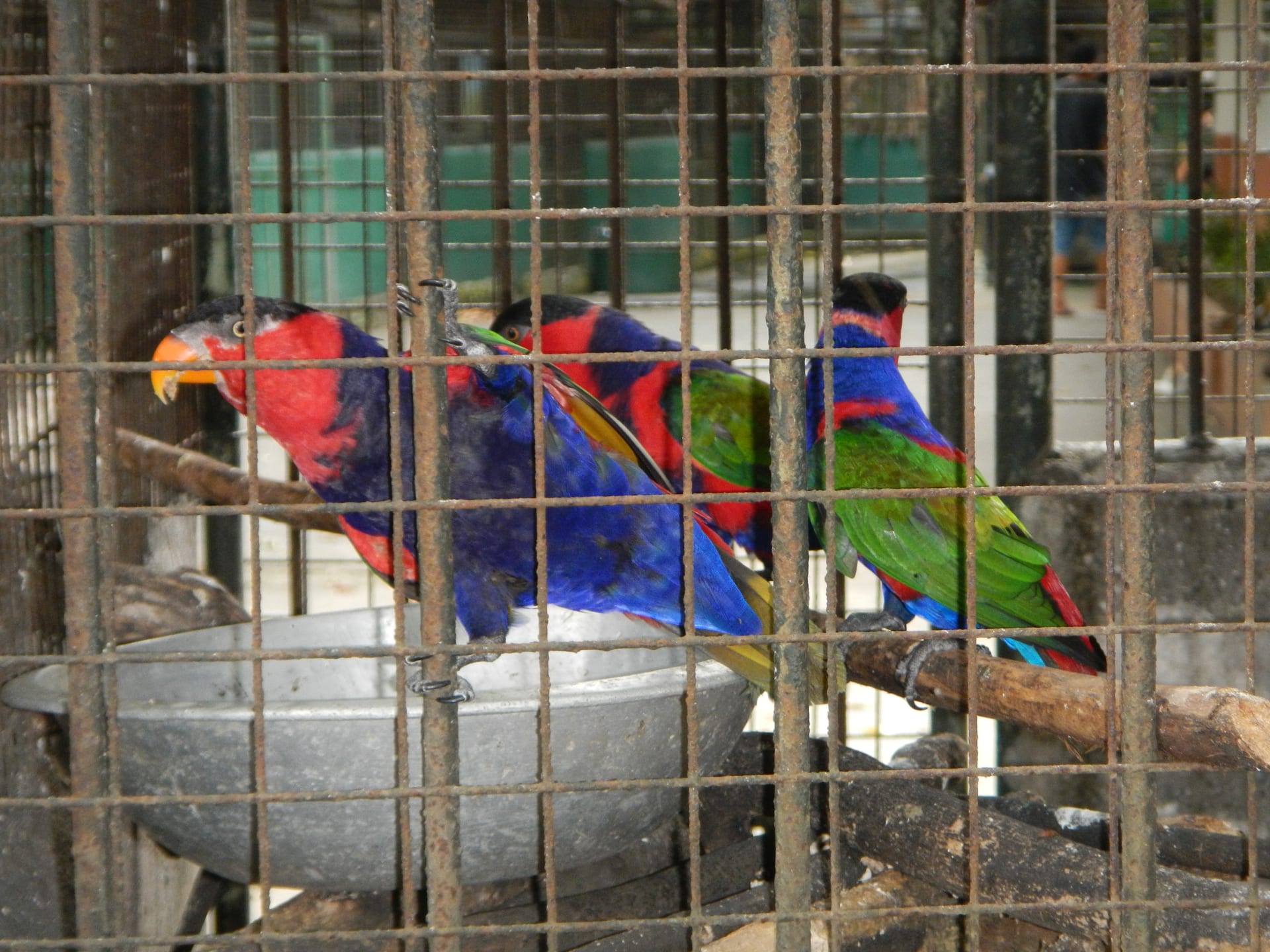
 © Ramon FVelasquez / CC BY-SA 3.0
Black-capped Lory
The Black-capped Lory is a strikingly colored member of the lory family, combining a red body, green wings, a black crown, and blue belly and legs. Native to New Guinea and its surrounding islands, it includes several subspecies that differ in how much blue extends across the back, giving each bird its own subtle look. Curious, playful, and known for bonding closely with their keepers, these lories also have a specialized nectar-and-pollen-based diet that sets their care apart from seed-eating parrots. Considered suitable for intermediate keepers, they're a rewarding next step for those who already have some parrot-keeping experience.
View Black-capped Lory encyclopedia →0% commission on your first sales!Register by September 30, 2026 and your first 2 sales are commission-free!
Breeder Wanted!
List on BreederDirect and sell directly to customers nationwide!
Six Transparency Commitments from BreederDirect
All Birds listings include complete Breeder transparency: hand-raised status, DNA sex determination, and health certification details.
- Hand-Raised
- DNA Sex-Determined
- Health Certified
- Origin Disclosed
- Color Variation Specified
- Age in Months Disclosed
Browse all 247 breeds
Care Level
Verified breeders wanted for Birds
Breeders are signing up now ahead of launch. Subscribe to be notified when new listings go live.
Getting alerts is free with a member account. When new listings match your saved search, we'll notify you by email and in-app.
Browse other categories
Verified breeders (preview)
Black-capped Lory key facts
- Care level
- Intermediate
- Lifespan
- 20-25 years
- Size
- About 31cm
- Diet
- Lory nectar, specialist lory pellets, fruit, flowers, pollen and a little insect food
- Cage
- At 31 cm this is a large bird and needs a cage wide enough to spread its wings. Protect the surrounding walls, as the liquid droppings carry.
- Temperament
- Pair bonds are strong and birds become assertive in the breeding season. They are bold and playful with people but bite hard.
- Vocalization
- Even among lories this is a loud bird, repeating shrill calls, so neighbours need to be considered.
- Notes
- As a pollen and nectar feeder it needs nectar and specialist lory pellets. Seven subspecies are told apart by the pattern of blue, but trade names for them are used loosely.
About Black-capped Lory
A vividly colored lory (~31cm) with red, green, black, and blue plumage, native to New Guinea. Considered suitable for intermediate-level keepers.
7 things to know before welcoming a Black-capped Lory
1Specialized Nectar Diet
Lories are adapted to feed primarily on nectar and pollen, which sets their diet apart from typical seed-eating parrots. They require specialized nectar-based food combined with fruit, so it's worth researching feeding methods before bringing one home.
2Liquid Droppings
Because of their liquid-heavy diet, droppings tend to be more watery than in seed-eating parrots. Setting up an easy-to-clean cage layout and flooring in advance makes daily maintenance much simpler.
3Curious, Active Temperament
These birds respond enthusiastically to toys and play, with an energetic personality. Providing regular opportunities for movement and mental stimulation helps support a low-stress daily life.
4Vocal Volume Considerations
Lories are known for having loud vocalizations at times. Depending on your living situation, such as an apartment, it's wise to research their vocal tendencies before deciding to bring one home.
5Strong Social Bonding
One of their appeals is a highly social nature that bonds closely with caregivers. Consider in advance whether your lifestyle allows for consistent daily interaction time.
6Cage and Perch Setup
At around 31cm in length, this is a medium-sized parrot, so a cage with adequate space and appropriately spaced perches for its size is necessary. Consider a layout that also accounts for its active movement habits.
7Subspecies Color Variation
Several subspecies are distributed across New Guinea and its surrounding islands, differing in how far the blue coloring extends from the nape to the back. It's a good idea to check the specific coloring of the individual bird before deciding.
Frequently asked questions about Black-capped Lory
- Q.Is the Black-capped Lory subject to CITES?
- A.Black-capped Lory is listed in CITES Appendix II. International trade requires a permit from the exporting country, but as far as CITES is concerned, no registration is needed to buy or sell individuals already legally in Japan.
- Q.Can beginners keep a Black-capped Lory?
- A.This species is generally considered suitable for intermediate-level keepers. It's best to research its specialized diet and vocal habits before deciding to bring one home.
- Q.How is it different from other parrots?
- A.The biggest difference is its nectar-and-pollen-based diet. This also means droppings tend to be more liquid, so daily care differs from typical seed-eating parrots.
- Q.How large does it grow?
- A.Adults reach approximately 31cm in length, classifying them as a medium-sized parrot. It's important to provide a cage suited to this size.
- Q.What does it look like?
- A.It features a red body, green wings, a black crown, and blue belly and legs. The extent of blue on the back varies by subspecies.
Useful tools for Black-capped Lory care
Learn more about Black-capped Lory in the encyclopedia
View Black-capped Lory encyclopedia entry →
Care difficulty, lifespan, size and diet — all basics covered.
Black-capped Lory related articles
See more Black-capped Lory articles →More in this category
Can't find the one you're looking for?
Post your wishes for free and breeders with matching animals will contact you with introductions.