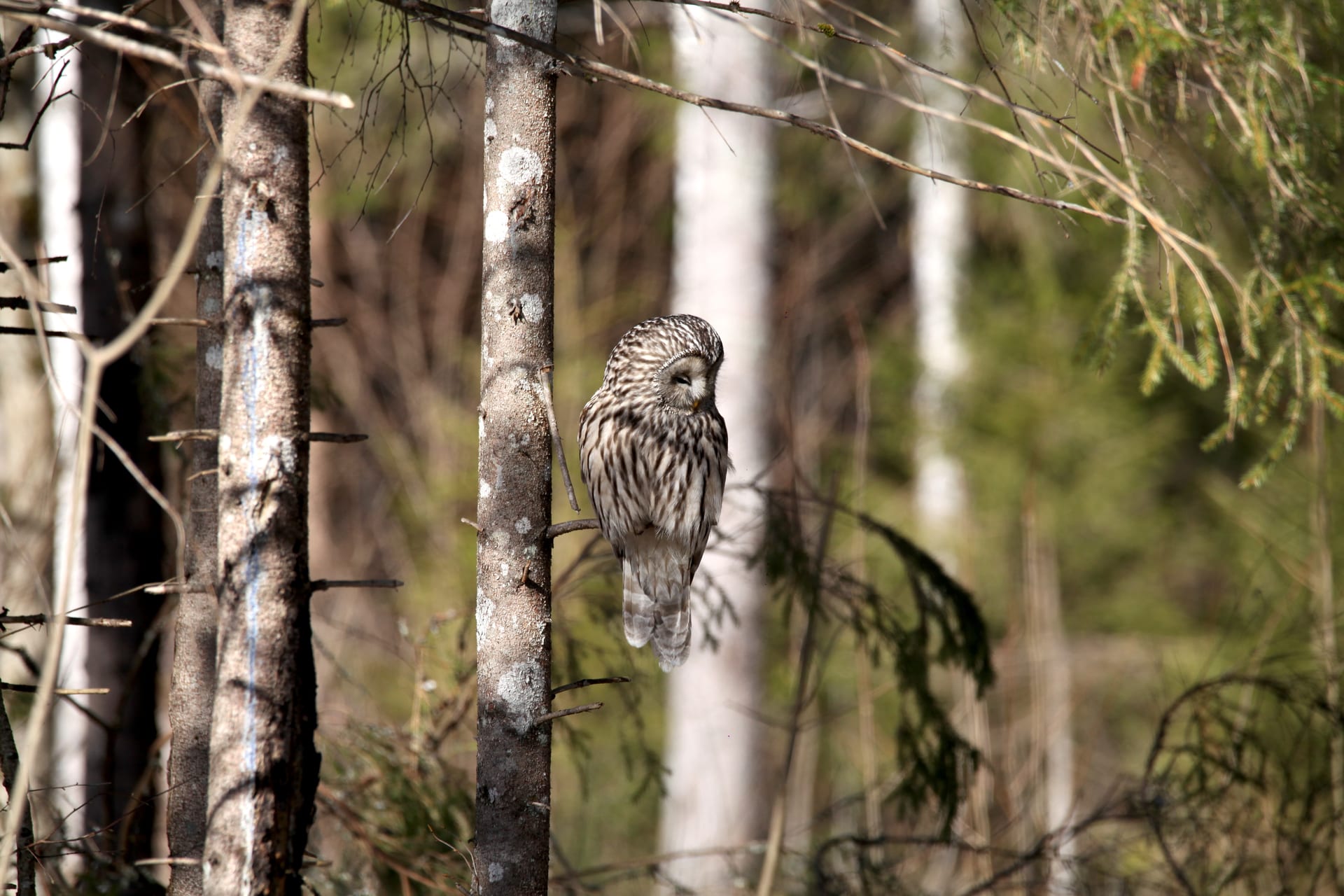
 © Sillerkiil / CC BY-SA 4.0
Ural Owl
The Ural Owl is a large, nocturnal owl native to Japan's forests, known for its flat, mask-like face and distinctive heart-shaped facial disc. Adults measure 50 to 62 cm in length with a wingspan reaching 94 to 110 cm. While often perceived as calm and composed, this species is known for fiercely defending its territory, particularly during breeding season. Only captive-bred individuals are available, and their nocturnal rhythm combined with strong territorial instincts make them a breed suited to experienced keepers with prior raptor-handling background. For seasoned owners, their quiet, forest-dwelling presence offers a uniquely rewarding companionship.
View Ural Owl encyclopedia →0% commission on your first sales!Register by September 30, 2026 and your first 2 sales are commission-free!
Breeder Wanted!
List on BreederDirect and sell directly to customers nationwide!
Six Transparency Commitments from BreederDirect
All Birds listings include complete Breeder transparency: hand-raised status, DNA sex determination, and health certification details.
- Hand-Raised
- DNA Sex-Determined
- Health Certified
- Origin Disclosed
- Color Variation Specified
- Age in Months Disclosed
Browse all 247 breeds
Care Level
Verified breeders wanted for Birds
Breeders are signing up now ahead of launch. Subscribe to be notified when new listings go live.
Getting alerts is free with a member account. When new listings match your saved search, we'll notify you by email and in-app.
Browse other categories
Verified breeders (preview)
Ural Owl key facts
- Care level
- Advanced
- Lifespan
- About 15 years
- Size
- 50-62cm (wingspan 94-110cm; males 500-950g, females 570-1,300g)
- Diet
- Frozen mice, rats, day-old chicks and quail; in the wild mainly small rodents such as voles
- Cage
- With a wingspan reaching 110 cm it needs an aviary large enough to spare the feathers. As a cavity nester it wants a nest box to retreat into and perches at several heights.
- Temperament
- It defends a set territory vigorously, and nest defence in the breeding season is among the most aggressive of any owl, so approach and nest inspection then demand real caution.
- Vocalization
- The male gives a deep low hoot and the female answers with a hoarse call. The low pitch carries far, so keeping one near neighbours calls for care.
- Notes
- The species occurs wild in Japan, where taking, keeping or transferring wild birds is not permitted under the wildlife protection law; only captive-bred birds, domestic or imported, are traded, so check provenance.
About Ural Owl
A large nocturnal owl with a distinctive heart-shaped facial disc, native to Japan's forests. Only captive-bred birds are available; strongly territorial and best suited to experienced keepers.
7 things to know before welcoming a Ural Owl
1Suited to experienced keepers
Ural Owls are considered a challenging species best suited to keepers experienced with raptors. They are not recommended as a first bird. Thoroughly research proper husbandry before considering bringing one home.
2A nocturnal lifestyle
The Ural Owl is most active at night and tends to rest quietly during the day. Housing conditions, including light and sound cycles, should be arranged to accommodate this natural nocturnal rhythm.
3Requires ample space
With a body length of 50 to 62 cm and a wingspan of 94 to 110 cm, this is a large raptor. A spacious enclosure with enough height and width to allow wing movement and flight is essential.
4Strong territorial instincts
Ural Owls are known for fiercely defending their territory, with heightened alertness especially during breeding season. Careful handling and thoughtful enclosure layout are important to manage this behavior.
5Only captive-bred birds available
Only captive-bred Ural Owls are available through the marketplace. When considering a bird, it's recommended to ask the seller about breeding and rearing conditions in detail.
6Notable size difference between sexes
Males typically weigh 500 to 950 g, while females are larger, weighing 570 to 1,300 g. Consider this size difference between sexes when preparing enclosure space and equipment before bringing one home.
7Feeding suited to a raptor's diet
As a carnivorous raptor, the Ural Owl requires a feeding plan suited to its natural diet. It's advisable to research the types of food needed, where to source them, and how to store them before bringing one home.
Frequently asked questions about Ural Owl
- Q.Can beginners keep a Ural Owl?
- A.The Ural Owl is classified as suited to experienced keepers. It is not recommended for those without prior raptor-handling experience, and thorough knowledge and preparation are necessary beforehand.
- Q.How large does a Ural Owl grow?
- A.Adults reach 50 to 62 cm in body length with a wingspan of 94 to 110 cm. Males weigh 500 to 950 g while females tend to be slightly larger at 570 to 1,300 g.
- Q.Is the Ural Owl active during the day?
- A.The Ural Owl is nocturnal and most active at night. It tends to rest quietly during the day, so it's important to design the housing environment around this natural rhythm.
- Q.Is the Ural Owl subject to any regulations?
- A.Ural Owl is listed in CITES Appendix II. International trade requires a permit from the exporting country, but as far as CITES is concerned, no registration is needed to buy or sell individuals already legally in Japan.
- Q.What is the Ural Owl's temperament like?
- A.While often calm in demeanor, this species is known for fiercely defending its territory, with alertness typically heightened during the breeding season.
Useful tools for Ural Owl care
Learn more about Ural Owl in the encyclopedia
View Ural Owl encyclopedia entry →
Care difficulty, lifespan, size and diet — all basics covered.
More in this category
Can't find the one you're looking for?
Post your wishes for free and breeders with matching animals will contact you with introductions.