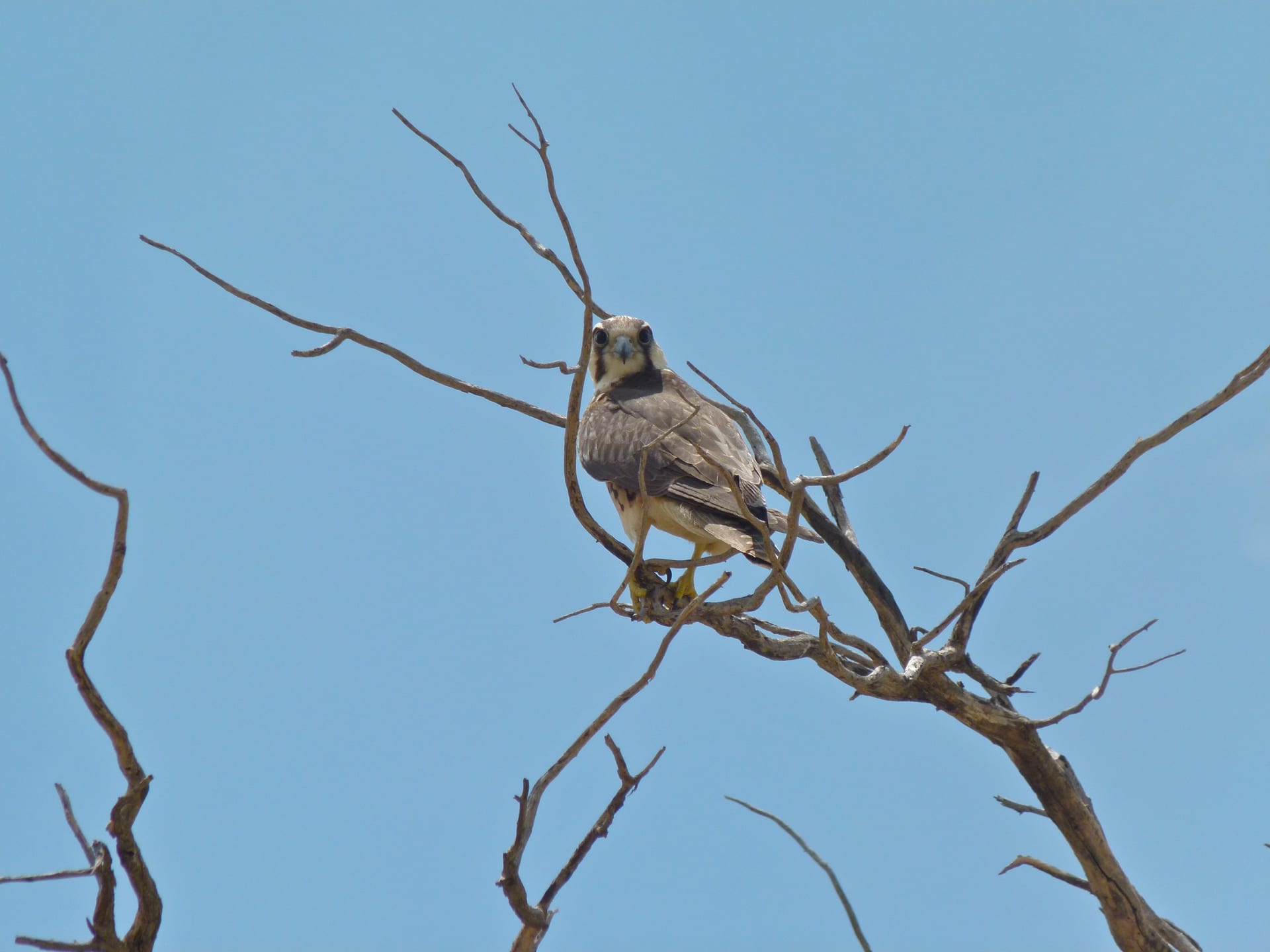
 © Bernard DUPONT / CC BY-SA 2.0
Lanner Falcon
The Lanner Falcon is a large falcon native to a wide range spanning Africa, southeastern Europe, and the Arabian Peninsula. It's recognized by its blue-grey to brownish-grey upperparts and streaked chest, with a slimmer build than the closely related Saker Falcon. Known for agile flight and sharp hunting instincts, captive-bred individuals have long been used in falconry. While intelligent and capable of forming bonds with their handlers, Lanner Falcons require specialized knowledge and experience, making them best suited to advanced keepers. Anyone considering bringing one home should first gain a thorough understanding of its housing needs and daily care.
View Lanner Falcon encyclopedia →Breeder Wanted!
List on BreederDirect and sell directly to customers nationwide!
BreederDirect's 6 Transparency Commitments
All Birds listings include complete Breeder transparency: hand-raised status, DNA sex determination, and health certification details.
- Hand-Raised
- DNA Sex-Determined
- Health Certified
- Origin Disclosed
- Color Variation Specified
- Age in Months Disclosed
Browse all 286 breeds
Care Level
Verified breeders wanted for Birds
Breeders are signing up now ahead of launch. Subscribe to be notified when new listings go live.
Getting alerts is free with a member account. When new listings match your saved search, we'll notify you by email and in-app.
Browse other categories
Verified breeders (preview)
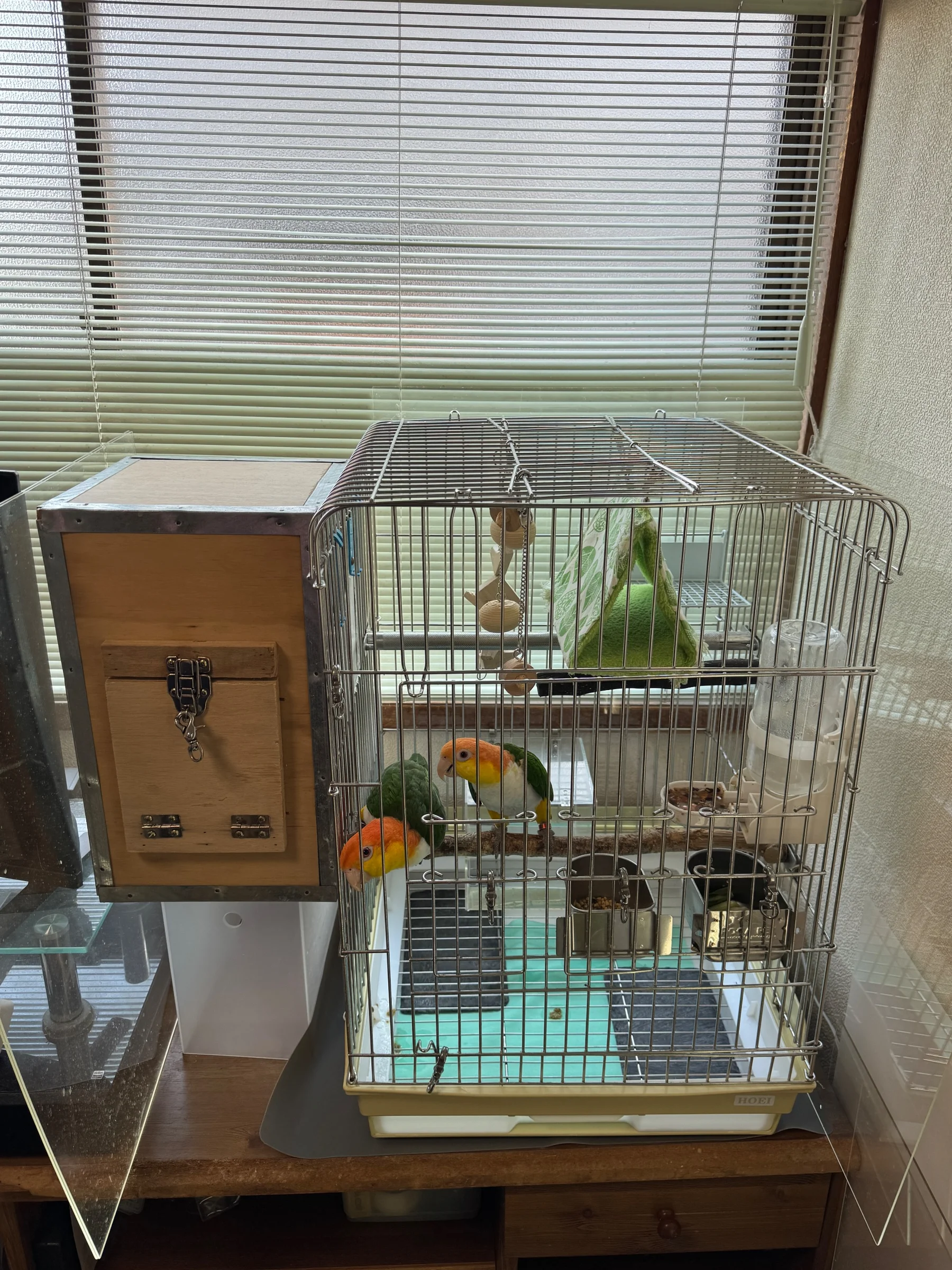
Lanner Falcon key facts
- Care level
- Advanced
- Lifespan
- 20-25 years
- Size
- 43-50cm (wingspan 95-105cm)
- Diet
- Frozen raptor food such as quail and day-old chicks; in the wild mainly birds
- Cage
- It needs a weather-proof, predator-proof mews of adequate size or tethered housing plus daily free flight, with space and perch surfaces that spare the feathers.
- Temperament
- A solitary hunter with no group sociability. It is regarded as one of the more tractable falconry birds, but daily weight management and manning remain essential.
- Vocalization
- It repeats a harsh high call when excited or waiting for food, and is not a persistent caller.
- Notes
- Listed on CITES Appendix II, so import requires an export permit. Peregrine hybrids, perilanners, are sometimes traded, so confirm species and provenance when buying.
About Lanner Falcon
The Lanner Falcon is a large falcon from Africa to the Arabian Peninsula, an agile bird of prey used in falconry that requires advanced keeping experience.
7 things to know before welcoming a Lanner Falcon
1Requires Ample Flight Space
As an adult, the Lanner Falcon has a wingspan of 95 to 105 cm and needs substantial exercise to stay healthy. Securing a dedicated outdoor enclosure or space for flight training is a fundamental prerequisite before bringing one home.
2An Advanced-Level Raptor
The Lanner Falcon is considered an advanced-level species to keep. It calls for specialized experience in raptor biology, falconry fundamentals, and day-to-day handling, so it isn't recommended for first-time bird keepers.
3Build and Identifying Features
Adults measure 43 to 50 cm, with blue-grey to brownish-grey upperparts and a streaked chest. Compared to the closely related Saker Falcon, the Lanner Falcon has a notably slimmer build.
4A History in Falconry
Captive-bred Lanner Falcons have long been used in falconry, reflecting a deep historical relationship with humans. Handling one requires learning specialized equipment and techniques.
5Manage Health with a Specialist
It's important to find a veterinarian experienced with raptors before you bring one home. Keep up daily observation of feathers, talons, and body weight, and have a plan in place to consult a specialist promptly if anything seems off.
6Feeding and Diet Management
As a bird of prey, the Lanner Falcon needs an appropriate diet and feeding schedule suited to its natural biology, adjusted for condition and molting periods. Study proper husbandry thoroughly before bringing one home.
7Research Thoroughly Before Bringing One Home
Ask the seller detailed questions about husbandry and daily care, and carefully consider whether you can provide the necessary facilities and knowledge before deciding to bring one home.
Frequently asked questions about Lanner Falcon
- Q.Can beginners keep a Lanner Falcon?
- A.The Lanner Falcon is considered an advanced-level species. It requires prior raptor-keeping experience and specialized knowledge, so it isn't recommended for first-time bird owners.
- Q.How large does an adult Lanner Falcon get?
- A.Adults reach 43 to 50 cm in body length with a wingspan of 95 to 105 cm. As a large falcon, it requires suitably spacious housing.
- Q.How does it differ in appearance from the Saker Falcon?
- A.The Lanner Falcon has blue-grey to brownish-grey upperparts with a streaked chest, and features a slimmer build than the closely related Saker Falcon.
- Q.Is the Lanner Falcon used in falconry?
- A.Yes, captive-bred individuals are sometimes used in falconry. Handling one requires learning specialized techniques and equipment.
- Q.Are there legal restrictions on keeping a Lanner Falcon?
- A.Lanner Falcon is listed in CITES Appendix II. International trade requires a permit from the exporting country, but as far as CITES is concerned, no registration is needed to buy or sell individuals already legally in Japan.
Useful tools for Lanner Falcon care
Learn more about Lanner Falcon in the encyclopedia
View Lanner Falcon encyclopedia entry →
Care difficulty, lifespan, size and diet — all basics covered.
More in this category
Can't find the one you're looking for?
Post your wishes for free and breeders with matching animals will contact you with introductions.