 © Atudu / CC BY-SA 4.0
Spotted Owlet
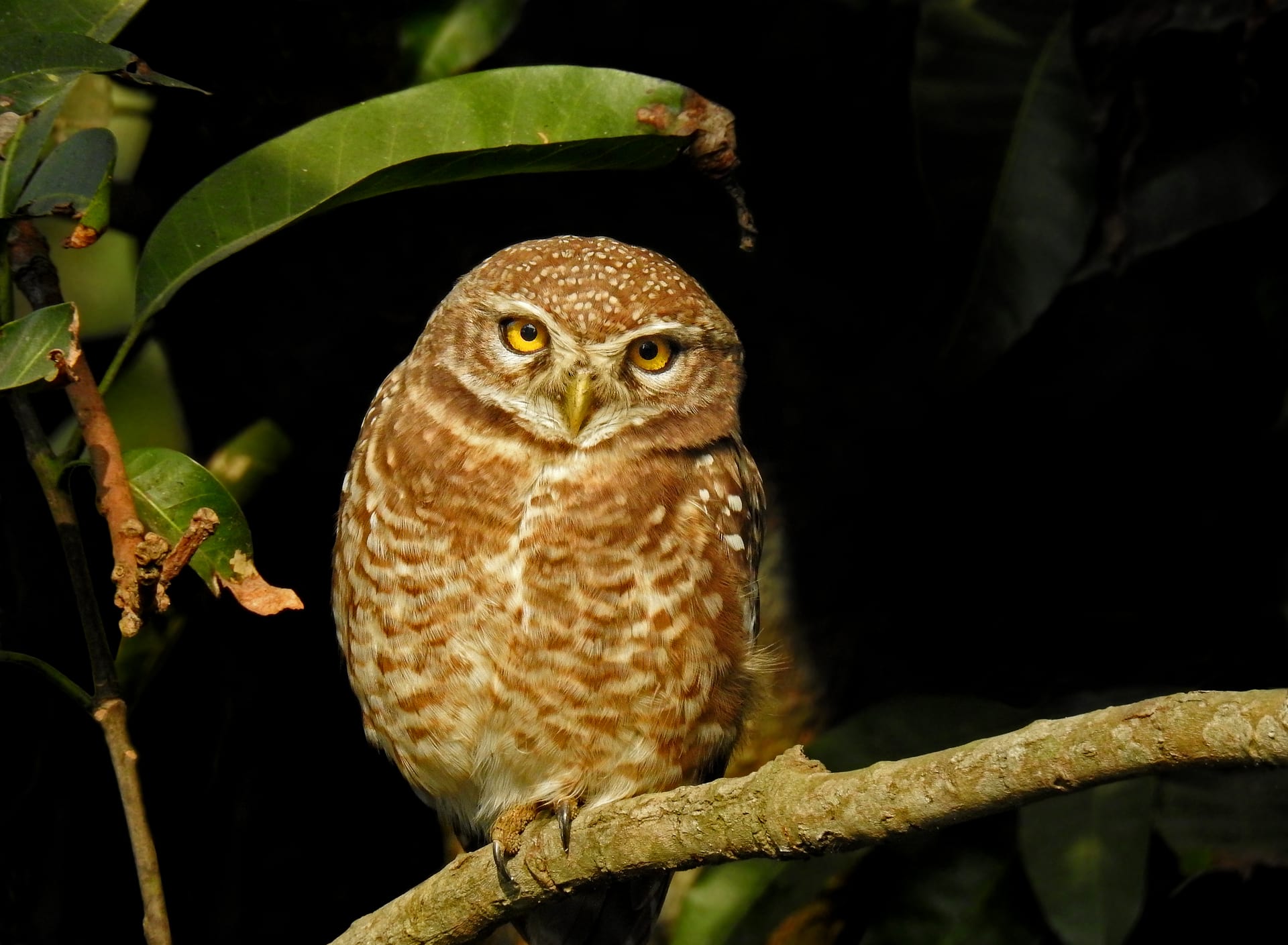
The Spotted Owlet is a small owl native to a wide range spanning South and Southeast Asia, reaching roughly 21cm in length. Its grayish-brown back is densely flecked with white spots, and its round yellow eyes, white eyebrows, and collar-like markings give it an endearing, expressive face. Well adapted to farmland, villages, and even urban areas, it stands out among owls for being active and visible during the day rather than strictly nocturnal. It can be curious and bold, yet it retains the alertness and quick reflexes typical of birds of prey. Because keeping one well calls for real experience handling raptors, the species is generally considered suited to intermediate keepers, and it is listed under CITES Appendix II.
View Spotted Owlet encyclopedia →Breeder Wanted!
List on BreederDirect and sell directly to customers nationwide!
BreederDirect's 6 Transparency Commitments
All Birds listings include complete Breeder transparency: hand-raised status, DNA sex determination, and health certification details.
- Hand-Raised
- DNA Sex-Determined
- Health Certified
- Origin Disclosed
- Color Variation Specified
- Age in Months Disclosed
Browse all 286 breeds
Care Level
Verified breeders wanted for Birds
Breeders are signing up now ahead of launch. Subscribe to be notified when new listings go live.
Getting alerts is free with a member account. When new listings match your saved search, we'll notify you by email and in-app.
Browse other categories
Verified breeders (preview)

Spotted Owlet key facts
- Care level
- Intermediate
- Lifespan
- Little data
- Size
- About 21 cm
- Diet
- Carnivorous: small prey such as mice and chicks, plus insects such as crickets
- Temperament
- Nocturnal but active by day too, bobbing its head and staring when disturbed; it roosts in small groups.
- Cage
- Though small it flies about, so provide a wide cage or room with a nest box to hide in.
- Vocalization
- Its harsh churring calls are loud for its size, mainly before dawn and after sunset.
- Feeding
- It eats insects and small vertebrates; combine whole small prey with insects and weigh the bird to set rations.
- Notes
- It closely resembles the related little owl, so confirm the scientific name. Only foreign captive-bred birds are traded; wild birds in Japan, including native owls, may not in principle be caught or kept under the wildlife law.
About Spotted Owlet
The Spotted Owlet is a small owl, about 21cm long, with a grayish-brown back speckled in white, yellow eyes, and white brows. Native to South and Southeast Asia, it is active by day and considered suitable for intermediate keepers.
7 things to know before welcoming a Spotted Owlet
1Active During Daylight Hours
Unlike many owls that are strictly nocturnal, the Spotted Owlet is often active around dawn, dusk, and even during the day. This makes it easier to observe interesting behavior without waiting until nightfall.
2Curious yet Alert Nature
Being active in daylight, this owl tends to notice and react to sounds and movement nearby, and can appear inquisitive. At the same time, it retains the wariness typical of birds of prey, so it is best to let each individual set the pace for getting comfortable with handling.
3Best Suited to Experienced Keepers
Care guides rate this species as suited to intermediate keepers rather than complete beginners. Anyone new to raptors should research thoroughly and ideally consult experienced keepers before bringing one home.
4A Strictly Carnivorous Diet
In the wild, Spotted Owlets are carnivorous hunters. In captivity, their diet should be built around animal-based food with attention to overall nutritional balance.
5Vocalizations to Consider
Owls of this kind call to one another, and vocalizations can carry at certain times of day. If you live in an apartment or share close quarters with neighbors, it is worth thinking through noise considerations before adopting one.
6Preparing the Enclosure
Before bringing one home, set up a calm space with a suitable perch and somewhere the owl can retreat to feel secure. Take time to plan the right enclosure size and location in advance.
7Monitoring Health Closely
Small raptors can mask signs of poor health, so keeping an eye on daily appetite and feather condition matters. It also helps to find an exotic-animal or raptor-experienced vet ahead of time, before you actually need one.
Frequently asked questions about Spotted Owlet
- Q.What is the Spotted Owlet's personality like?
- A.Spotted Owlets are often active during the day and can seem curious about their surroundings. They also retain a raptor's natural wariness, and individual personalities vary, so it's best to let them get comfortable at their own pace.
- Q.Can beginners keep a Spotted Owlet?
- A.This species is generally rated as suitable for intermediate keepers rather than complete beginners. If you haven't kept raptors or owls before, it's a good idea to research thoroughly and consult experienced keepers before deciding.
- Q.How long do Spotted Owlets live?
- A.There isn't much reliable data available on the lifespan of Spotted Owlets at this time. Because of that, it's wise to plan for a long-term commitment when considering one.
- Q.Are there legal regulations to know about?
- A.Spotted Owlets are listed under CITES Appendix II. It's worth keeping this in mind and confirming the relevant details when considering acquiring or trading one.
- Q.Are Spotted Owlets noisy?
- A.Owls of this kind do call to one another, and vocalizations may be audible at certain times of day. This varies by individual and environment, so if you live in an apartment or close to neighbors, it's worth thinking about in advance.
Useful tools for Spotted Owlet care
Learn more about Spotted Owlet in the encyclopedia
View Spotted Owlet encyclopedia entry →
Care difficulty, lifespan, size and diet — all basics covered.
More in this category
Can't find the one you're looking for?
Post your wishes for free and breeders with matching animals will contact you with introductions.