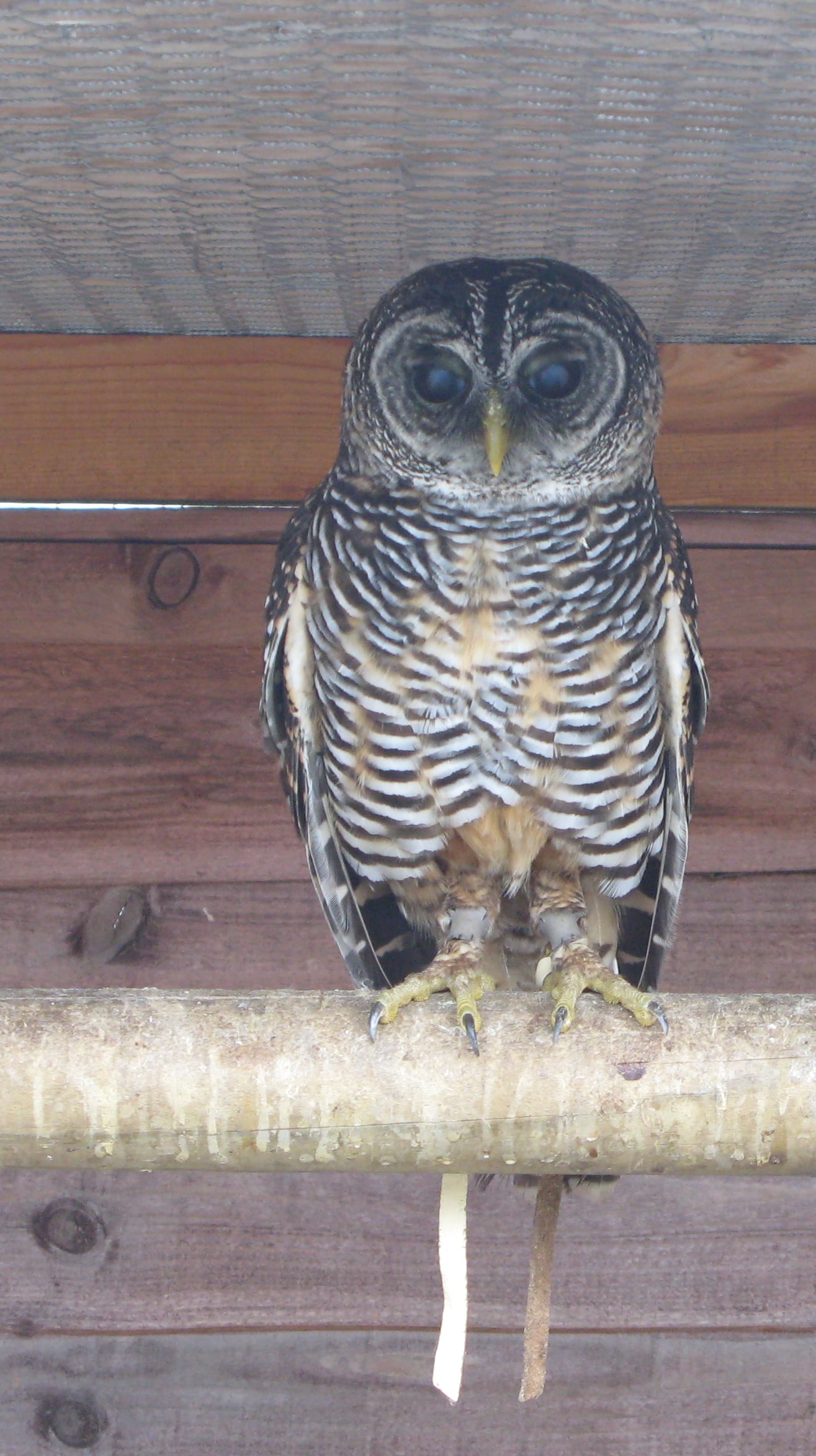
 © Julian Tysoe / CC BY 2.0
Rufous-legged Owl
The Rufous-legged Owl is a medium-sized owl native to the forests of Chile and Argentina, reaching a total length of about 33 to 38 cm as an adult. Its rust-toned facial disc, white eyebrows, and deep dark-brown eyes give it a striking expression, while its back shows fine reddish-brown and orange barring and its underside is buff-white with dense black barring, giving it wild, handsomely patterned plumage. The legs and toes are softly feathered down to the tips, adding to its charm. That said, this is considered a species suited to experienced keepers, and published information on its biology and lifespan remains limited. Anyone considering bringing one home should take time to consult experienced owl keepers or specialists and prepare a suitable environment in advance.
View Rufous-legged Owl encyclopedia →Breeder Wanted!
List on BreederDirect and sell directly to customers nationwide!
BreederDirect's 6 Transparency Commitments
All Birds listings include complete Breeder transparency: hand-raised status, DNA sex determination, and health certification details.
- Hand-Raised
- DNA Sex-Determined
- Health Certified
- Origin Disclosed
- Color Variation Specified
- Age in Months Disclosed
Browse all 286 breeds
Care Level
Verified breeders wanted for Birds
Breeders are signing up now ahead of launch. Subscribe to be notified when new listings go live.
Getting alerts is free with a member account. When new listings match your saved search, we'll notify you by email and in-app.
Browse other categories
Verified breeders (preview)
Rufous-legged Owl key facts
- Care level
- Advanced
- Lifespan
- Little data
- Size
- 33-38 cm
- Diet
- Carnivorous: whole small prey such as mice and chicks
- Temperament
- Nocturnal, hunting from a perch; a forest bird that prefers calm surroundings.
- Cage
- Provide an aviary or room large enough to fly, with leafy cover and a nest box.
- Vocalization
- It grunts, hoots and cackles at night.
- Feeding
- Small arboreal mammals are its main wild prey; feed whole mice and weigh the bird to set rations.
- Notes
- It is sometimes sold as the Chaco owl; this species has dense black barring below and a rusty facial disc, so check the scientific name. Only foreign captive-bred birds are traded; wild birds in Japan, including native owls, may not in principle be caught or kept under the wildlife law.
About Rufous-legged Owl
The Rufous-legged Owl is a medium-sized owl from the forests of Chile and Argentina, known for its rust-colored facial disc and reddish-brown barring, reaching 33–38 cm in length. It suits experienced keepers, and biological data remain limited.
7 things to know before welcoming a Rufous-legged Owl
1Suited to Experienced Keepers
The Rufous-legged Owl is considered a challenging species best suited to keepers who already have owl-keeping experience. If this would be your first raptor or owl, it's a good idea to build experience with an easier species first.
2Limited Biological Data
Information on the Rufous-legged Owl's biology, including its lifespan, remains scarce. When caring for one, it helps to draw on advice from experienced keepers or avian vets while closely observing each individual's condition.
3A Quiet, Calm Setting
As a nocturnal forest owl, it prefers a quiet space with minimal noise and traffic. Position the enclosure away from direct sunlight and loud areas, and make sure it has uninterrupted time to rest.
4Feathered Legs and Toes
One of its defining features is the soft feathering that covers its legs down to the toes. Because this area can get dirty easily, keep perches and enclosure floors clean and check the feathering regularly.
5Adequate Enclosure Size
With an adult length of about 33–38 cm, this owl needs an enclosure or space that is spacious and tall enough for its body size. Perch placement should also allow for comfortable movement and wing stretching.
6A Carnivorous Diet
In the wild, it preys on small mammals, birds, and insects as a carnivorous raptor. A nutritionally balanced diet fed at appropriate intervals is essential, so it's best to plan feeding in consultation with an experienced keeper or specialist.
7Listed Under CITES Appendix II
The Rufous-legged Owl is listed under CITES Appendix II. It's worth keeping this in mind when considering bringing one home.
Frequently asked questions about Rufous-legged Owl
- Q.Is the Rufous-legged Owl suitable for beginners?
- A.It's considered a species for experienced keepers and isn't recommended for those without prior owl-keeping experience. It's best to first build experience with an easier species before considering this one.
- Q.How big does it get?
- A.Adults reach a total length of about 33 to 38 cm, making it a medium-sized owl. You'll need an enclosure or space large enough to comfortably fit its size.
- Q.How long do they live?
- A.There is currently limited data on the species' lifespan, so no clear figure is available. Given the possibility of a long-term commitment, ongoing attention to housing and health care is important.
- Q.What are its calls and temperament like?
- A.As a nocturnal owl, it tends to prefer a quiet, calm environment. Individual temperament can vary, so it's a good idea to ask the keeper about a specific bird's behavior before bringing it home.
- Q.What should I know before buying or transferring one?
- A.The Rufous-legged Owl is listed under CITES Appendix II, which is worth keeping in mind before bringing one home. It's also a good idea to ask the seller directly about the individual's condition and current care setup.
Useful tools for Rufous-legged Owl care
Learn more about Rufous-legged Owl in the encyclopedia
View Rufous-legged Owl encyclopedia entry →
Care difficulty, lifespan, size and diet — all basics covered.
More in this category
Can't find the one you're looking for?
Post your wishes for free and breeders with matching animals will contact you with introductions.