Source: Wikimedia Commons
Rufous-legged Owl
AdvancedStrix rufipes
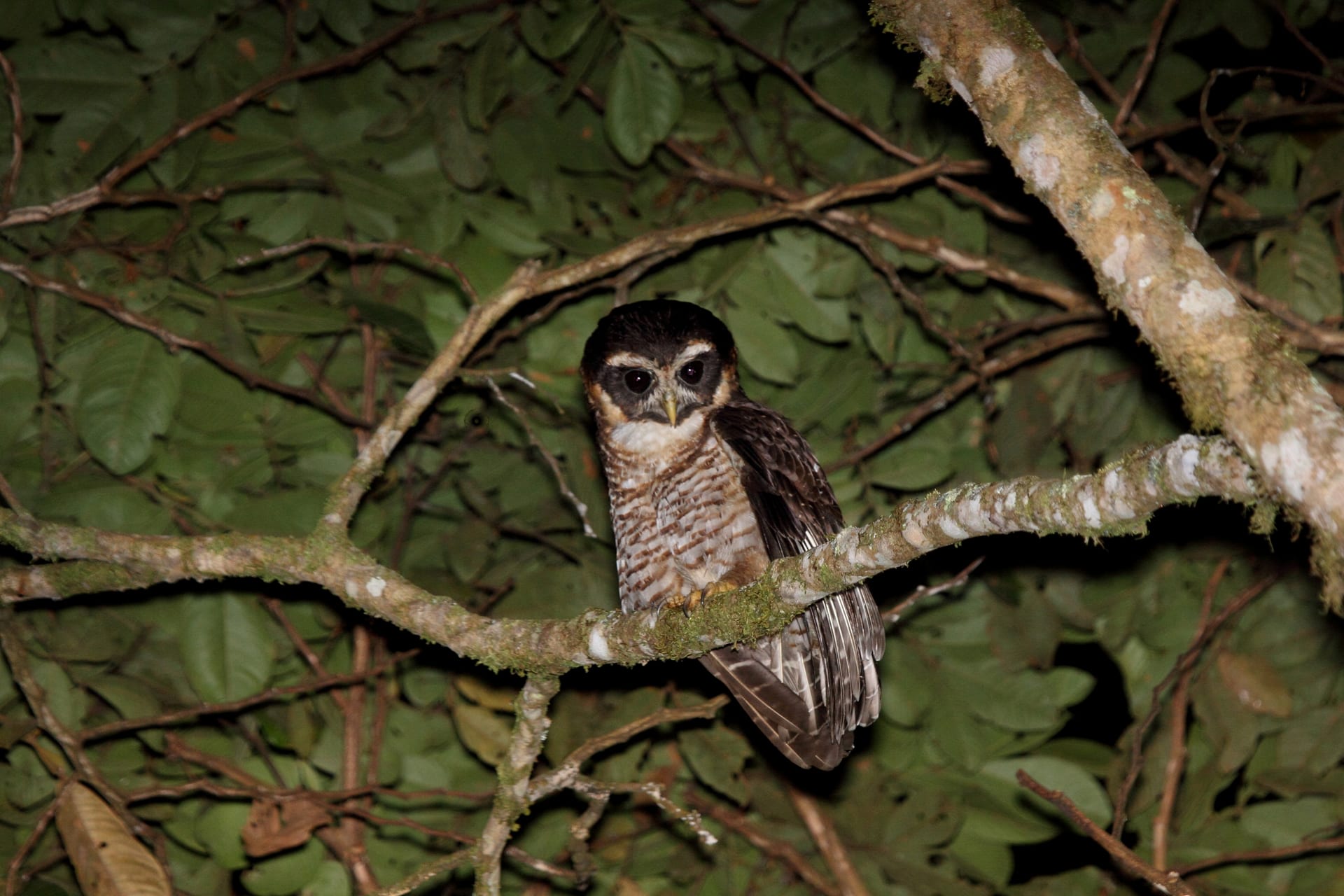
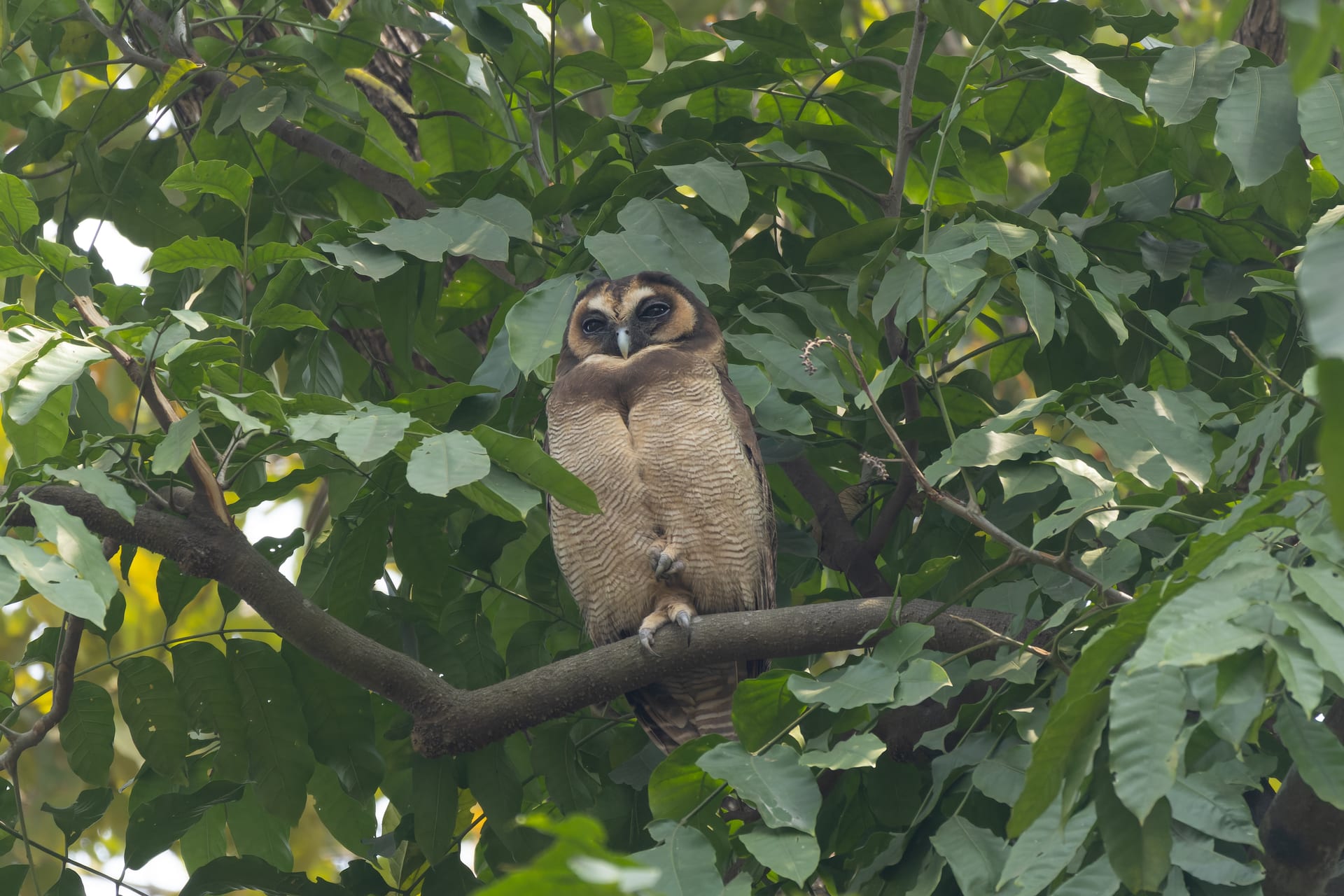
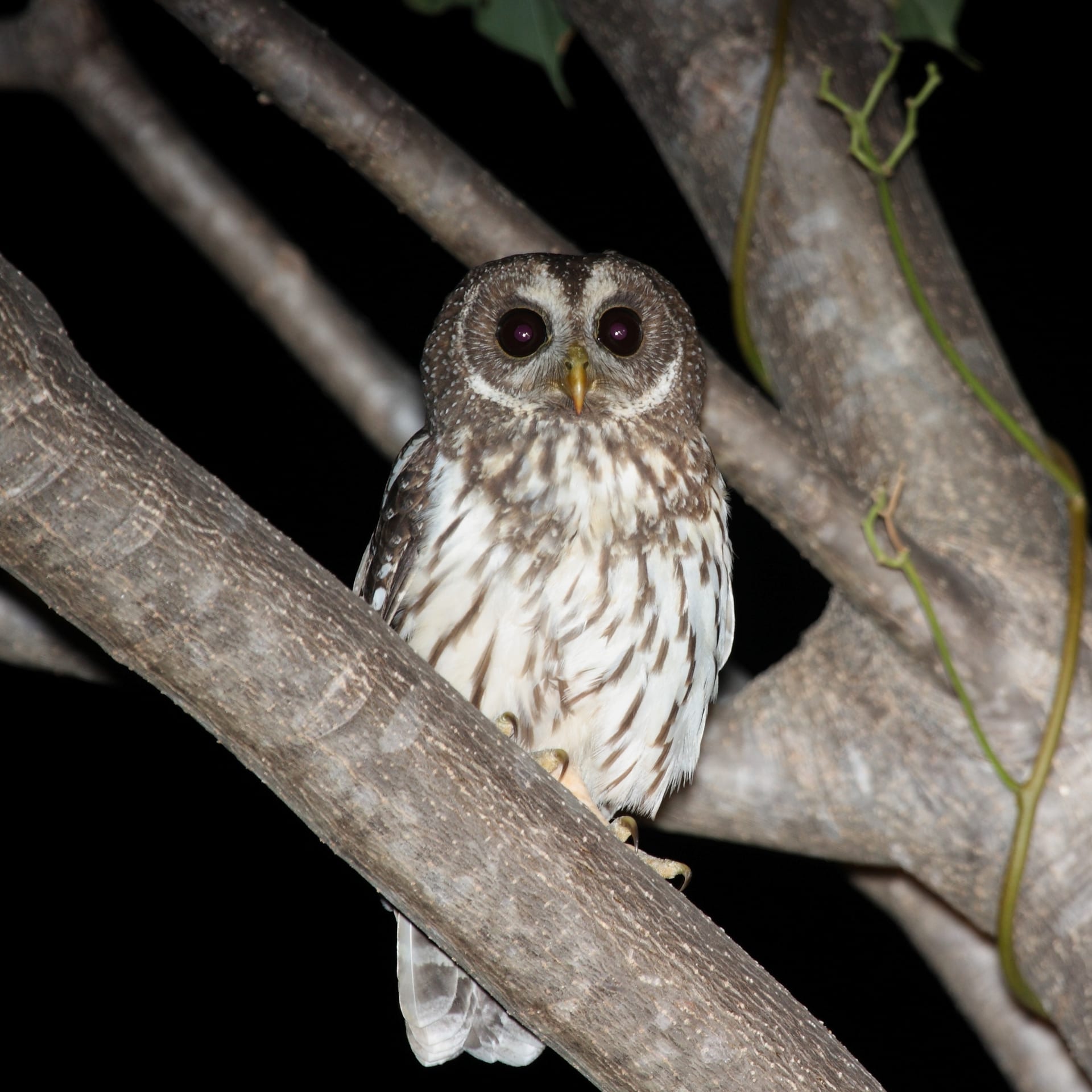
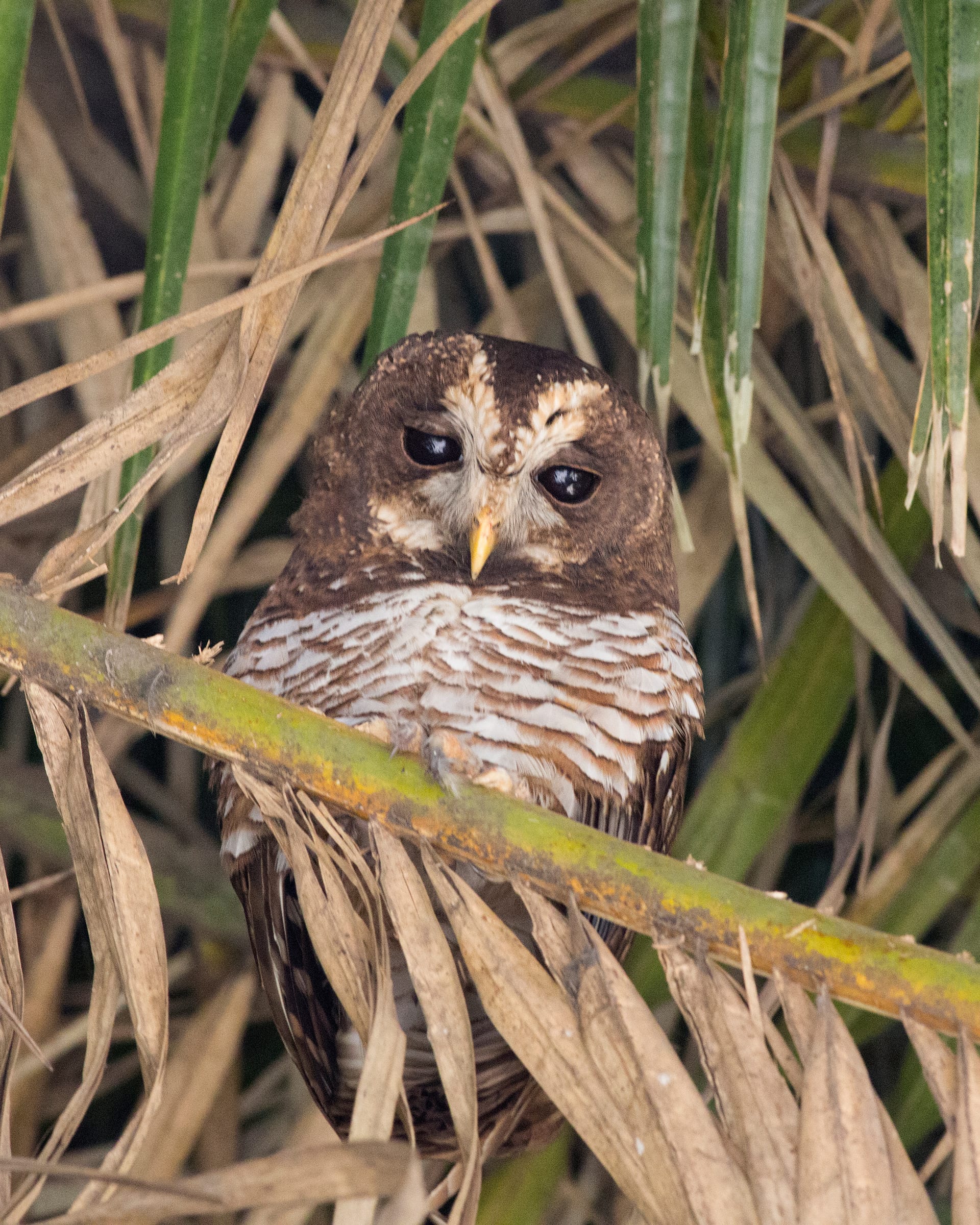
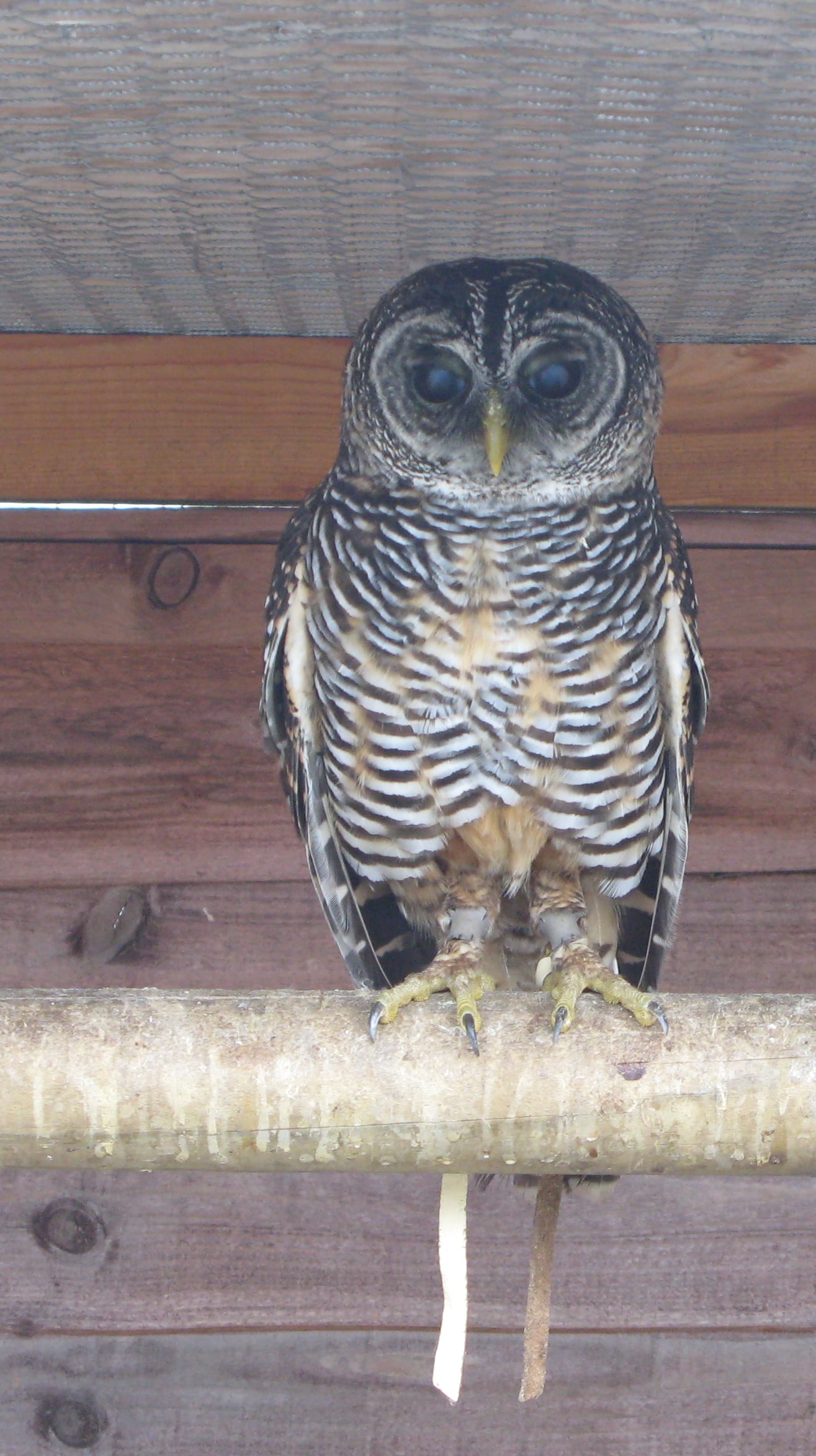
An owl of Chile and Argentina with a rusty facial disc, white brows and dark brown eyes, reddish-brown upperparts barred with orange-buff, and buffy-white underparts densely barred black. Its legs and toes are feathered buff.
Difficulty
Advanced
Temperature
15〜30℃
Size
33-38 cm
Humidity
40〜60%
Diet
Carnivorous: whole small prey such as mice and chicks
About
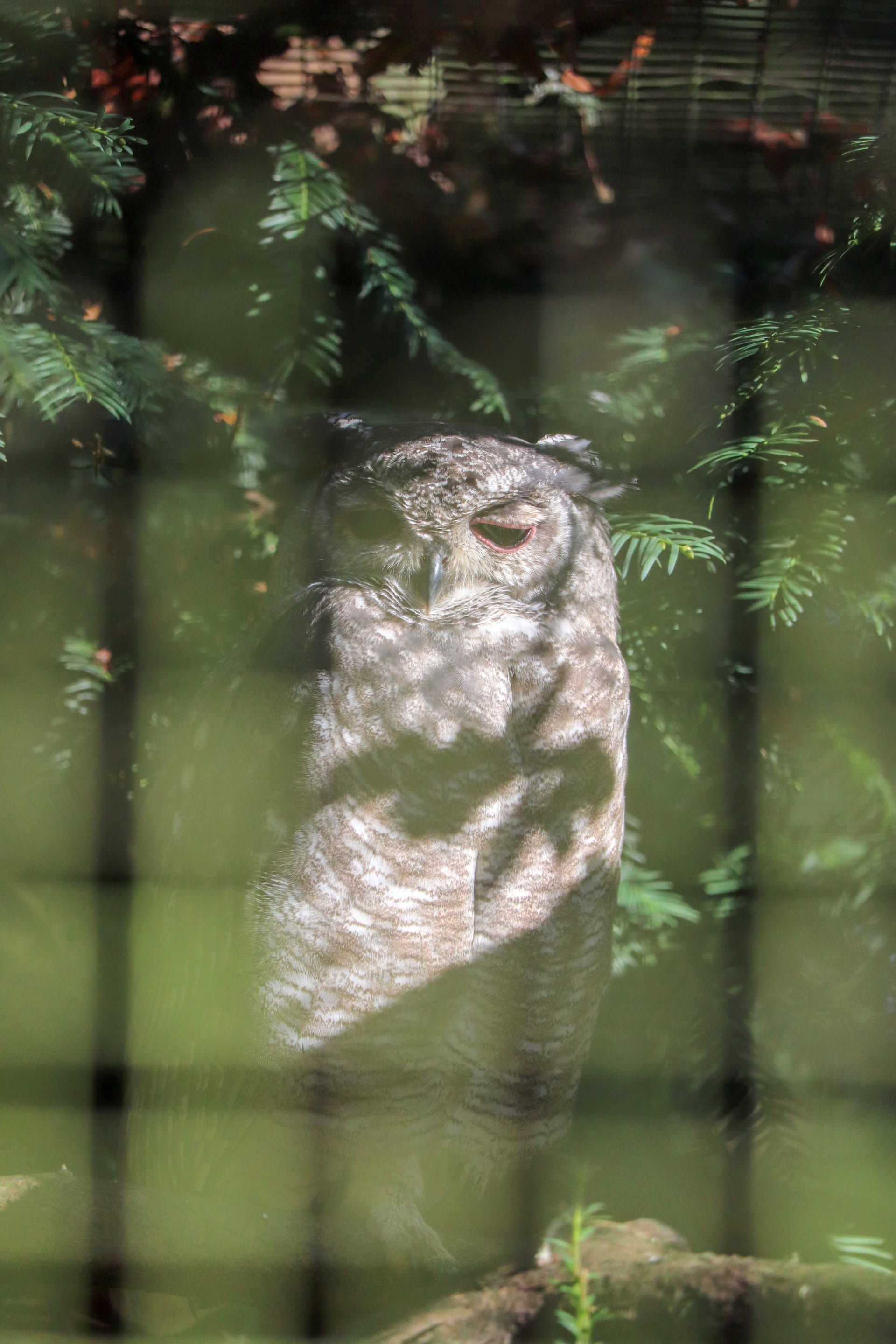
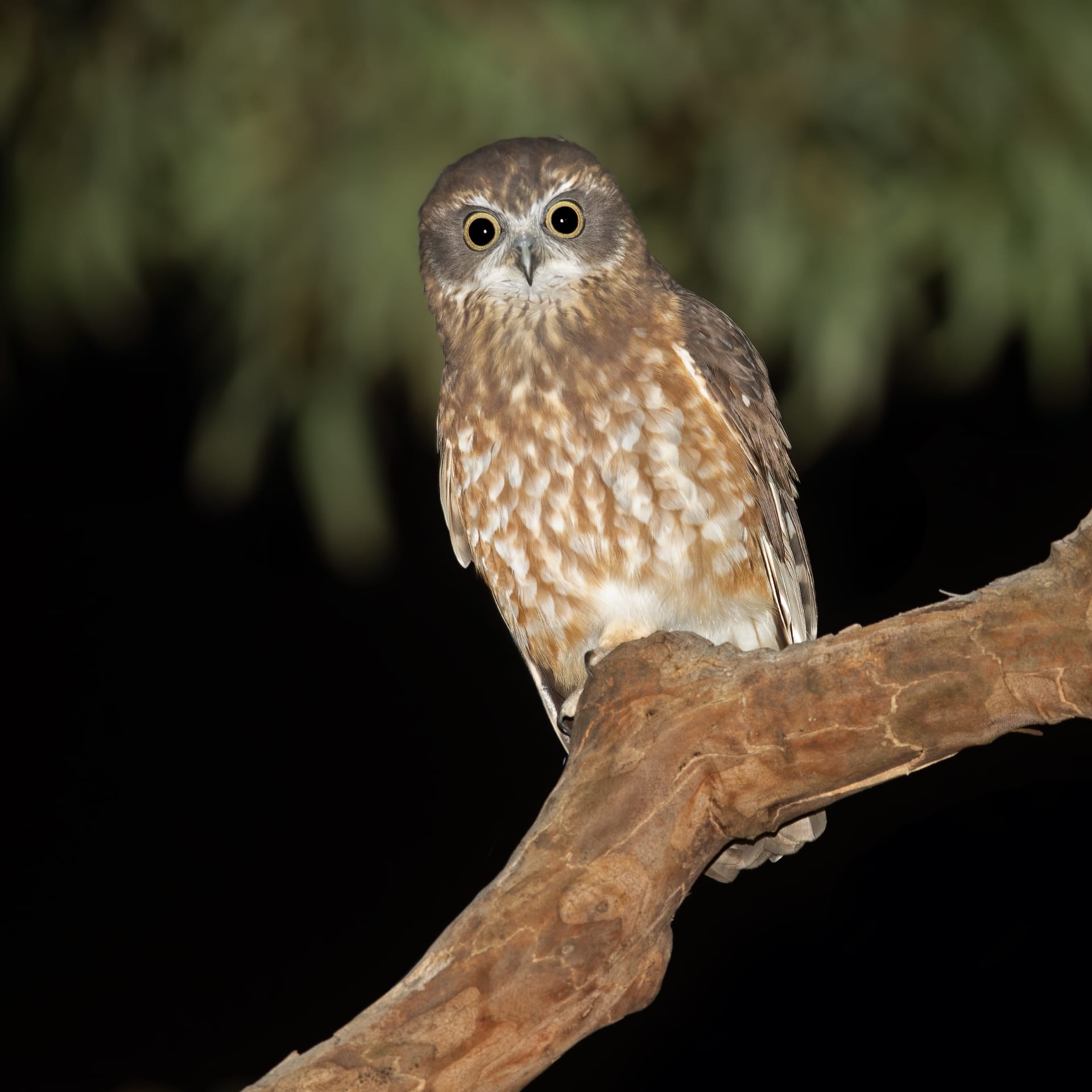
The rufous-legged owl (Strix rufipes) ranges from around Valparaíso in Chile and Mendoza in far western Argentina south to Tierra del Fuego. It has two subspecies, one of which, sanborni, is known only from a single immature specimen from Chiloé Island. The Chaco owl (S. chacoensis) was once treated as a subspecies, but the two differ in plumage, morphology and voice and are now separate species. It has a round head without ear tufts, a rusty facial disc with white brows and lores, and dark brown eyes. The upperparts are dark reddish-brown with narrow orange-buff bars and spots, the tail reddish-brown with buff bars. The throat is white, the underparts buffy-white with dense black bars, and the vent orange-buff. The legs and toes are feathered buff. It mainly inhabits moist old-growth forest with a closed canopy and dense understorey, also older secondary and semi-open forest, from sea level to at least 2,000 m. Nocturnal, it hunts from a perch, mainly on small arboreal mammals, with birds, amphibians and insects forming a small share. It makes grunting, hooting and cackling noises. In Japan it is sometimes mislabelled as the Chaco owl, so take care to distinguish them. It occasionally reaches specialist shops.
Source: Wikipedia (CC BY-SA 4.0)
Size of the Rufous-legged Owl
The Rufous-legged Owl grows to 33-38 cm.
It is 33-38 cm long and weighs about 350 g, females larger than males.
Basic Info
Origin
Moist old-growth and secondary forest from central-southern Chile and western Argentina to Tierra del Fuego
Size
33-38 cm
Temperature
15〜30℃
References & Sources
Edited & verified by: BreederDirect editorial team
The taxonomic, regulatory, and husbandry data on this page are compiled and verified against the authoritative primary sources below.
Taxonomy & Authority
Regulations & Conservation Status
CITES Appendix IIIUCN LC · Least Concern
Strix rufipes. Owls are listed in CITES Appendix II apart from a few species, and this species is in Appendix II. International trade needs an export permit, but no registration under Japan's species conservation law is needed to transfer birds within Japan. Imports are subject to animal import notification under the Infectious Diseases Control Law. Birds in trade are foreign captive-bred birds; wild birds in Japan, including native owls, may not in principle be caught or kept under the Act on the Protection and Management of Wildlife, and the Optimization of Hunting. The IUCN assesses it as Least Concern.
Sources: Species+ (Strix rufipes) / Act on the Protection and Management of Wildlife, and the Optimization of Hunting (Article 8)
Regulations may change. Always verify the latest information with the relevant authorities.
Rufous-legged Owl Listings
Loading latest listingsFind listings for this species