Source: Wikimedia Commons
Australian Boobook
IntermediateNinox boobook
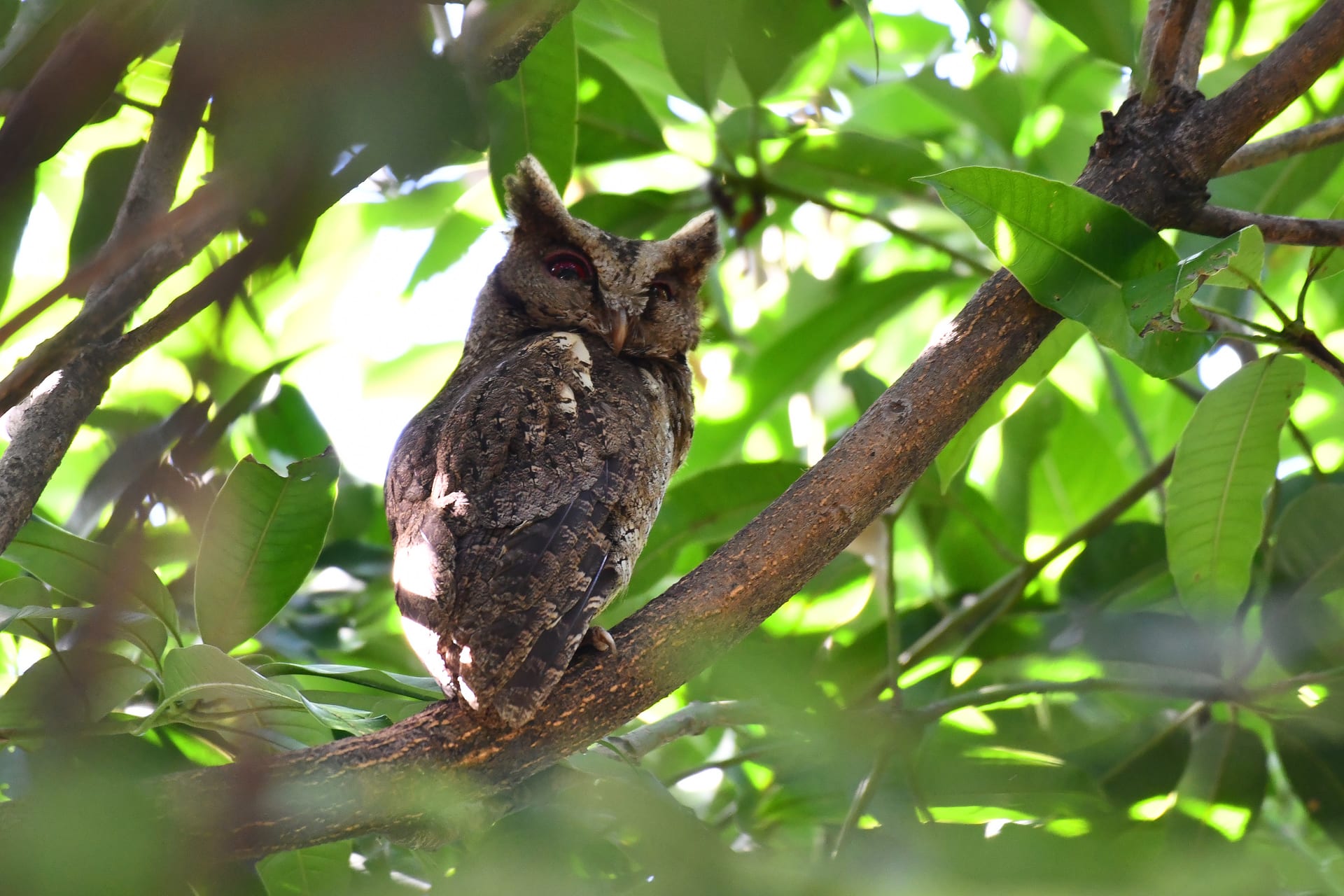
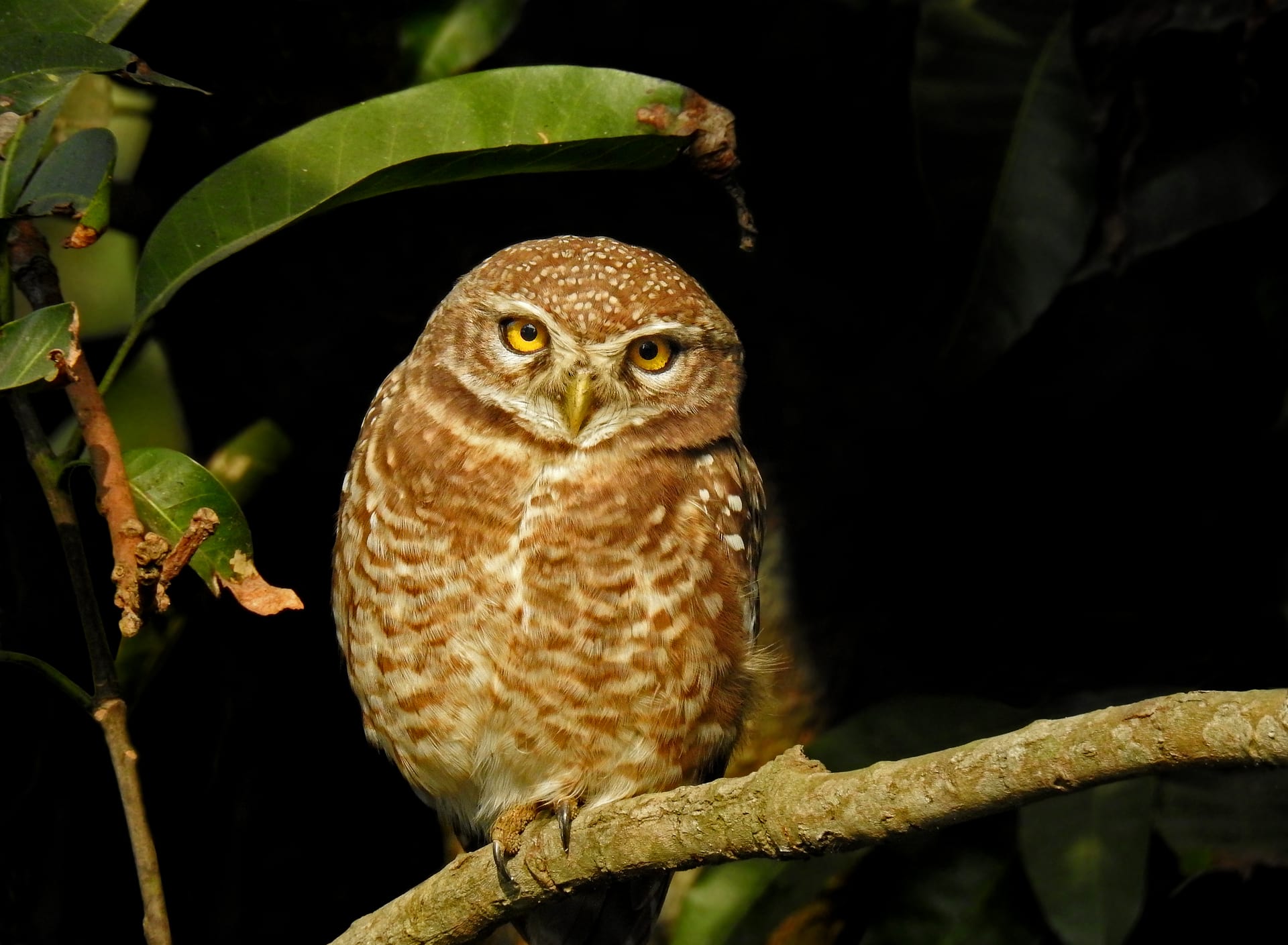
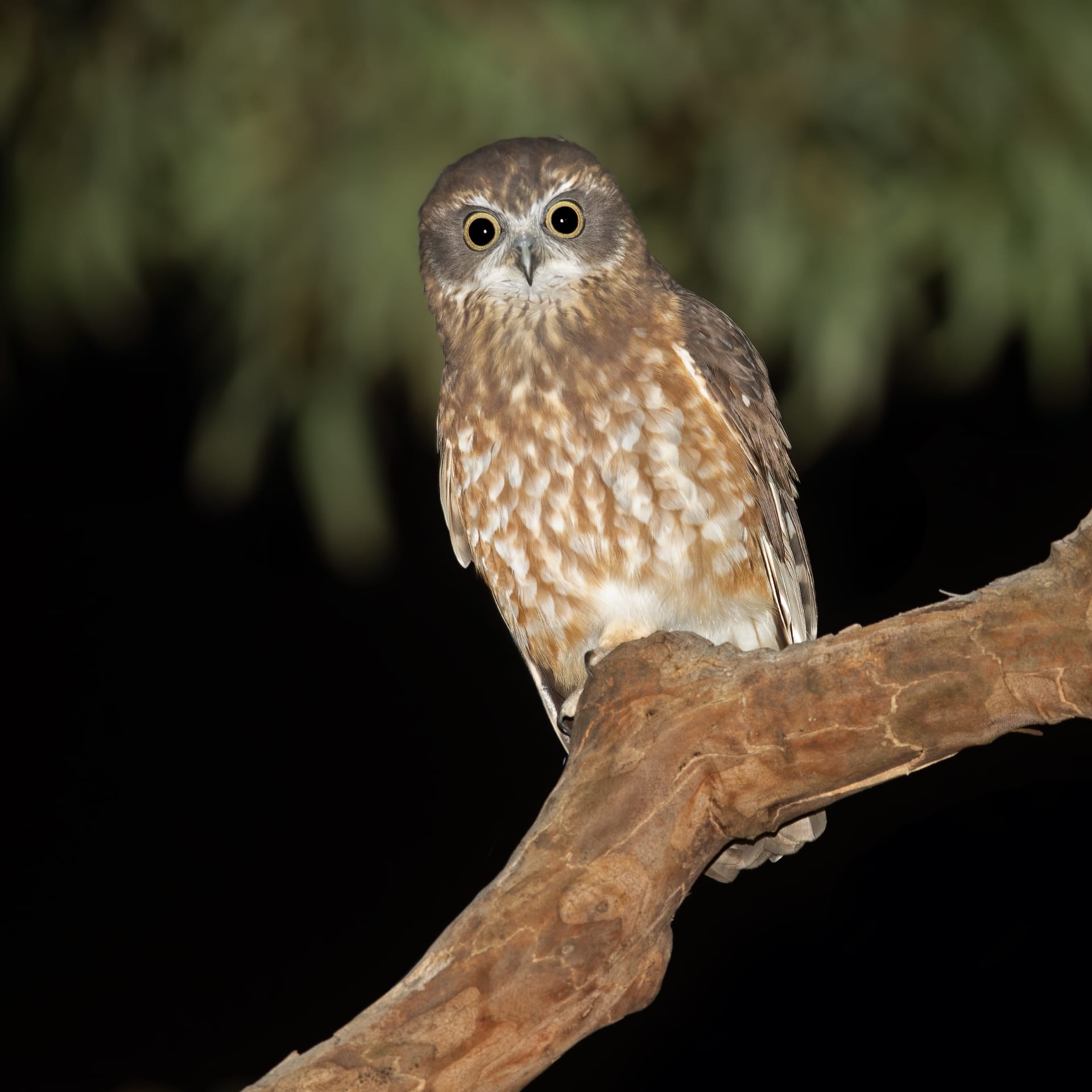
The smallest owl of mainland Australia, dark brown with pale spots and grey-green to yellow-green eyes. Sold in Japan under a name meaning 'New Zealand boobook', it is in fact the Australian boobook, Ninox boobook.
Difficulty
Intermediate
Temperature
15〜30℃
Lifespan
Little data
Size
27-36 cm
Humidity
40〜60%
Diet
Carnivorous: insects and small prey such as mice and chicks
About
The owl sold in Japan as the 'New Zealand boobook' is Ninox boobook, the Australian boobook, native to mainland Australia, southern New Guinea, Timor and the Lesser Sunda Islands. Until 1999 it was generally treated as the same species as the morepork of New Zealand (N. novaeseelandiae), which probably explains the trade name. It is now a separate species, so check the scientific name when buying. The smallest owl on the Australian mainland, it is 27-36 cm long; birds from cooler southern areas are larger, around 300 g near Canberra against about 200 g on Cape York. It is dark brown with white markings on the scapulars and wings, lacks ear tufts, and has a pale facial disc with white eyebrows and dark brown cheeks. The eyes are grey-green to yellow-green and the wings short and rounded. Its name comes from its two-note boo-book call. Mainly nocturnal, it roosts by day in secluded foliage and pounces from perches on insects and small vertebrates. It breeds in tree hollows from late winter to early summer. The IUCN assesses it as Least Concern owing to its large range and apparently stable population. In Japan overseas-bred birds are sold by several specialists.
Source: Wikipedia (CC BY-SA 4.0)
Size of the Australian Boobook
The Australian Boobook grows to 27-36 cm.
Basic Info
Origin
Forest and woodland of mainland Australia, southern New Guinea, Timor and the Lesser Sunda Islands
Lifespan
Little data
Size
27-36 cm
Temperature
15〜30℃
References & Sources
Edited & verified by: BreederDirect editorial team
The taxonomic, regulatory, and husbandry data on this page are compiled and verified against the authoritative primary sources below.
Taxonomy & Authority
Regulations & Conservation Status
CITES Appendix IIIUCN LC · Least Concern
Ninox boobook. Owls are listed in CITES Appendix II apart from a few species, and this species is in Appendix II. International trade needs an export permit, but no registration under Japan's species conservation law is needed to transfer birds within Japan. Imports are subject to animal import notification under the Infectious Diseases Control Law. It is sold in Japan as the 'New Zealand boobook' but is a different species from the New Zealand N. novaeseelandiae. Birds in trade are foreign captive-bred birds; wild birds in Japan, including native owls, may not in principle be caught or kept under the Wildlife Protection and Hunting Management Law. The IUCN assesses it as Least Concern.
Sources: Species+ (Ninox boobook) / IUCN Red List / Wildlife Protection and Hunting Management Law (Article 8)
Regulations may change. Always verify the latest information with the relevant authorities.
Australian Boobook Listings
Loading latest listingsFind listings for this species