Pet Bird Drying Prevention and Humidity Management Guide | The Effects of Winter Drying on Bird Health and Proper Care
Indoor drying in winter has serious effects on the respiratory system, skin, and feathers of parakeets and parrots. This guide explains proper humidity management methods, how to choose a humidifier and precautions, and prevention strategies for problems caused by drying.
Key Takeaways
Indoor drying in winter has serious effects on the respiratory system, skin, and feathers of parakeets and parrots. This guide explains proper humidity management methods, how to choose a humidifier and precautions, and prevention strategies for problems caused by drying.
Related Species
Effects of Drying on Pet Birds
Japan's winters are not uncommon for indoor humidity to drop into the 20–30% range due to widespread heating. While drying affects the throat, nose, and skin in humans, drying poses even more serious risks for pet birds.
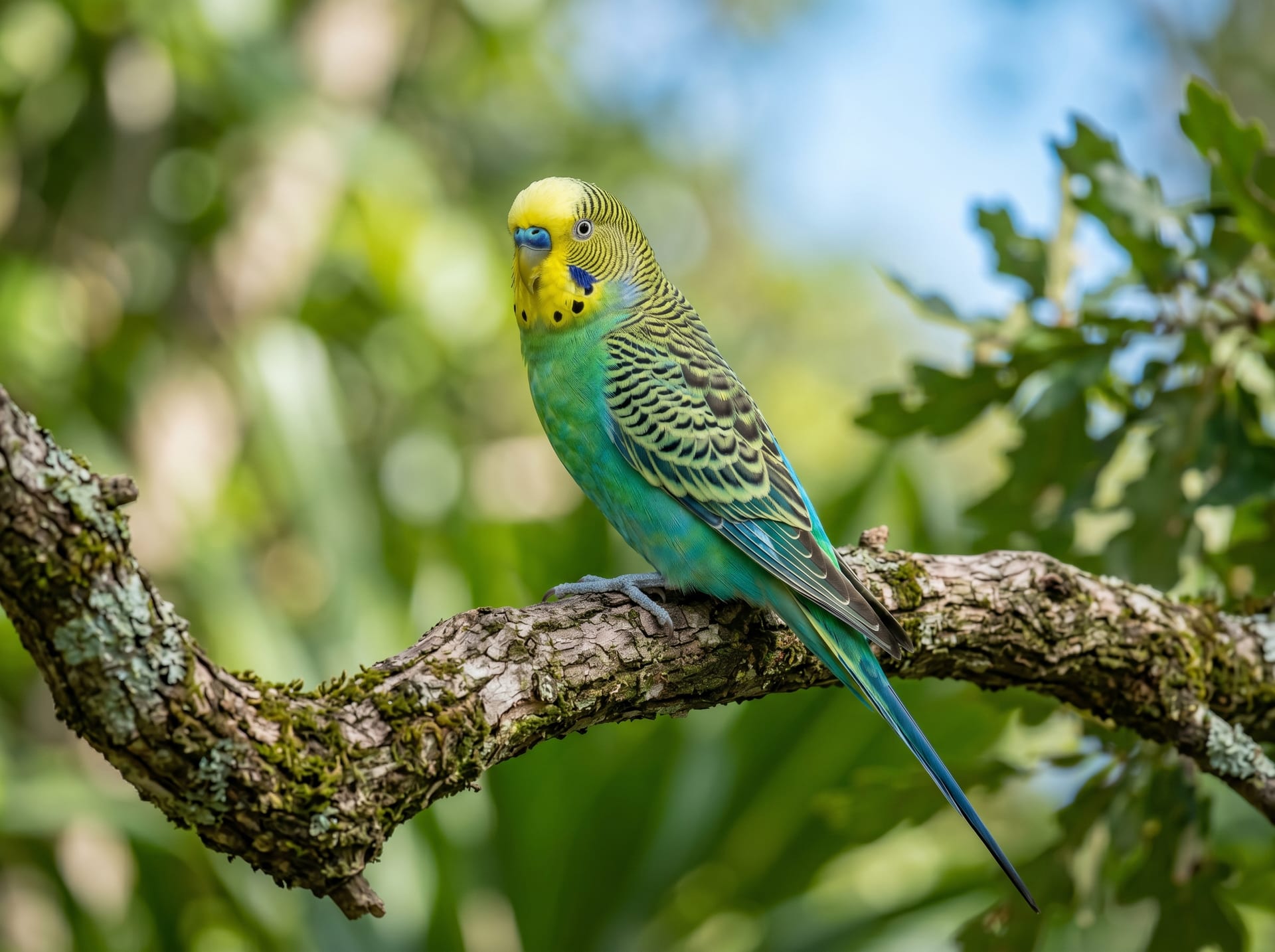
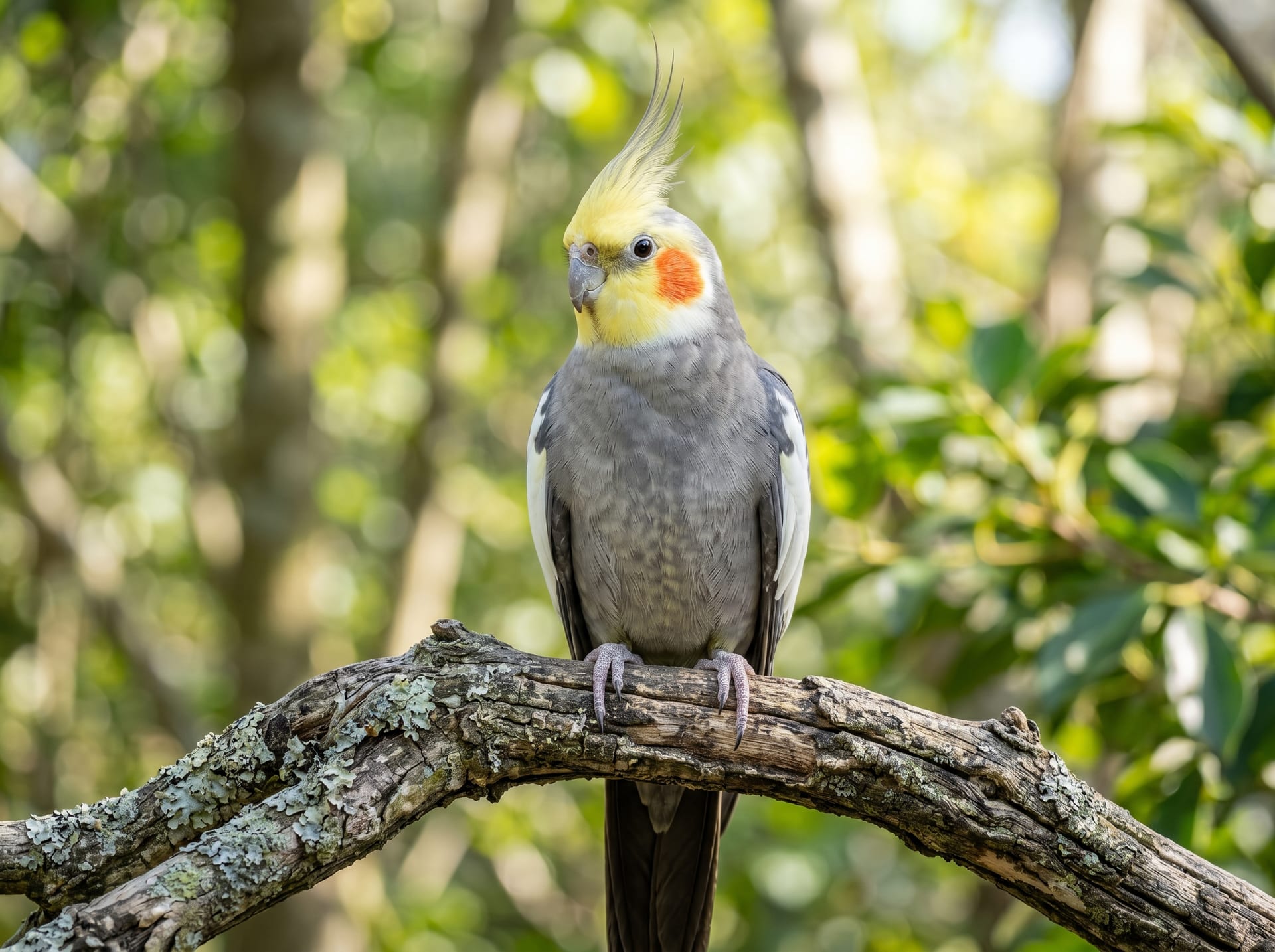
Many bird species originally adapted to relatively humid subtropical and tropical environments. However, some species, like budgerigars and cockatiels, originate from arid regions of inland Australia.
Main effects of drying:
Effects on the respiratory system: When the air dries out, the mucous membranes of the nasal cavity, trachea, and air sacs dry out, reducing the ciliary movement that removes dust and pathogens. This increases susceptibility to respiratory infections such as aspergillosis. If you notice an increase in dry cough, nasal sounds, or sneezing, drying may be a contributing factor.
Effects on skin and feathers: Loss of feather moisture causes feather breakage, split ends, and feather brittleness. Additionally, the skin dries out and dandruff increases, causing severe itching. In response to itching, excessive preening or feather-plucking behavior may be triggered.
Effects on beak and nails: Continued drying makes the beak and nails more prone to cracking. If you notice cracks on the beak's surface, drying may be affecting it.
Immune suppression: In addition to reduced protective function of mucous membranes, the stress caused by drying weakens the entire immune system.
Appropriate Humidity Levels for Birds
The appropriate humidity for pet birds varies by species, but generally 50–60% is considered a comfortable range for most species. However, species from regions near the Mediterranean or deserts (some parakeets and finches) can adapt to slightly lower levels (40–50%).
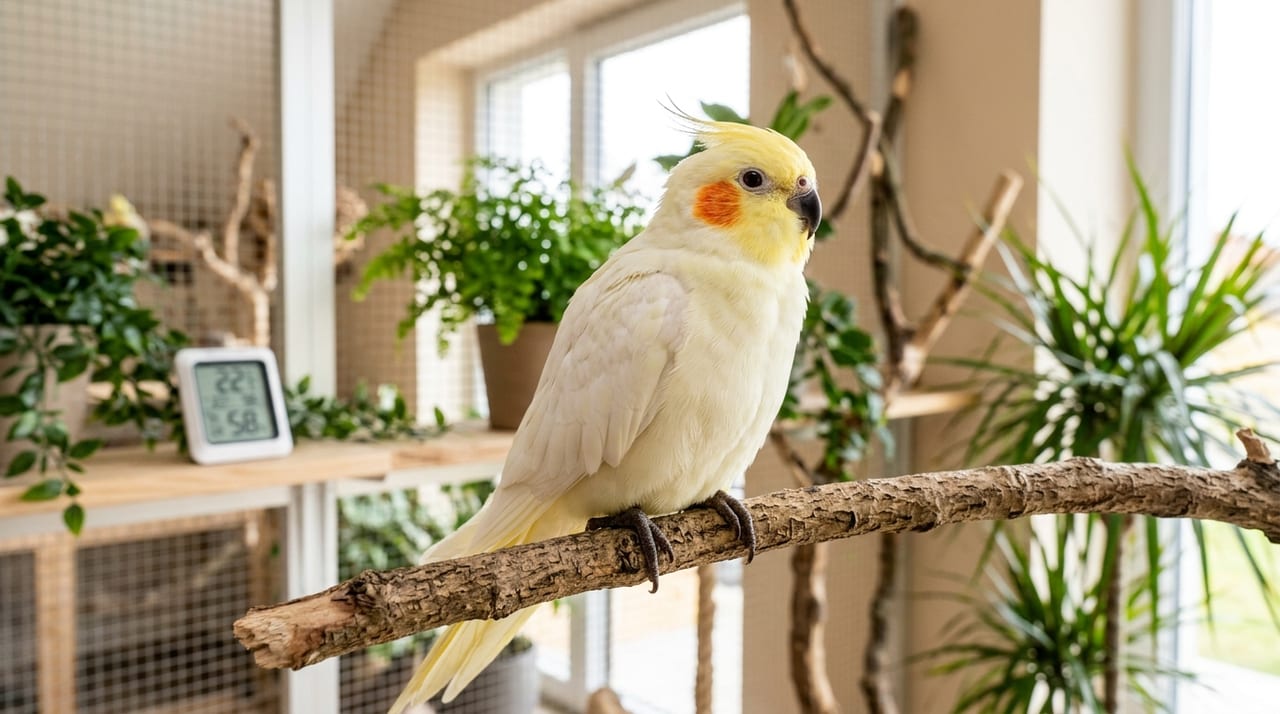
Make it a habit to install a hygrometer (thermohygrometer) near the cage and check it regularly. Digital thermohygrometers that can connect to smartphones are convenient and have recording features.
If humidity drops below 40% when using heating in winter, active humidification measures are necessary.
How to Choose a Humidifier and Precautions
Comparison of Humidification Methods
Ultrasonic humidifiers: These are compact, quiet, and affordable, but they have a major drawback—the water in the tank is easily contaminated by bacteria, Legionella, and mold. If a bird inhales mist from contaminated water, there is a risk of infection; therefore, they are not recommended for bird keeping (or use is conditional on daily cleaning and drying of the tank).
Heated (steam) humidifiers: These boil water to produce steam, so bacteria growth is minimal and they are hygienic. The electricity cost is somewhat higher, but for the sake of bird health, heated humidifiers are the safest choice.
Evaporative and hybrid humidifiers: These use filters to evaporate water by absorbing it. Bacterial control measures are necessary, but they are safer than ultrasonic models.
Humidifier Placement
- Do not place it directly near the cage (within 1 meter). If a bird is exposed to large amounts of steam directly, its body becomes too wet and poses a risk of hypothermia.
- Install it in the same room as the cage in a location that can humidify the entire room evenly.
- Position it so the humidifier's outlet does not face the cage's air vents.
Humidifier Maintenance
Regardless of the method, regular cleaning of the tank and filter (once or twice a week) is essential. In particular, ultrasonic models require daily tank cleaning and drying as a standard. A poorly maintained humidifier can become a device that disperses mold and bacteria into the air, which is harmful to birds.
Natural Humidification Methods
There are other ways to increase the environmental humidity for your birds besides humidifiers.
- Hang wet towels or laundry indoors: Humidification through evaporation. No electricity cost and easy to do.
- Install water bowls or water tanks: Open-type water bowls or tanks naturally evaporate and humidify the room.
- Place plants: Bird-safe houseplants such as areca palms contribute to humidification through transpiration from their leaves.
- Regular misting: Spray slightly warmed water directly onto the bird's feathers. This is also effective for moisturizing care of birds that dislike water baths.
Winter Health Management Combined with Drying Prevention Measures
Winter drying prevention is more effective when combined with comprehensive care, not just humidity management.
Ensure bathing opportunities: Bathing has a direct effect on moisturizing a bird's feathers and skin. In winter, precautions are necessary to prevent the body from getting cold after bathing, such as using slightly warmed water for bathing (lukewarm water around 35°C) and placing the bird in a warm location after bathing.
Nutritional management: In dry conditions, protein, fat, and vitamins are consumed in maintaining feathers. In winter, which overlaps with molting season, be aware of providing a nutritionally balanced diet centered on pellets.
Balancing heating: Heating in winter is essential, but if air conditioning airflow hits the cage directly, drying accelerates. Install the cage in a position where the air conditioning breeze does not hit it directly, or use a cage cover to block the airflow.
Regular health monitoring: Problems caused by drying often progress gradually, and by the time you notice them, they may have become severe. Make it a habit to observe daily (feather condition, nasal discharge, sneezing, activity level).
Winter drying prevention is an often-overlooked aspect of maintaining bird health, but proper humidity management directly leads to respiratory disease prevention, maintaining feather beauty, and maintaining overall immunity. The installation of a simple thermohygrometer and daily humidification habits support your beloved bird's longevity and comfortable life.