Source: Wikimedia Commons
Brown Wood Owl
AdvancedStrix leptogrammica
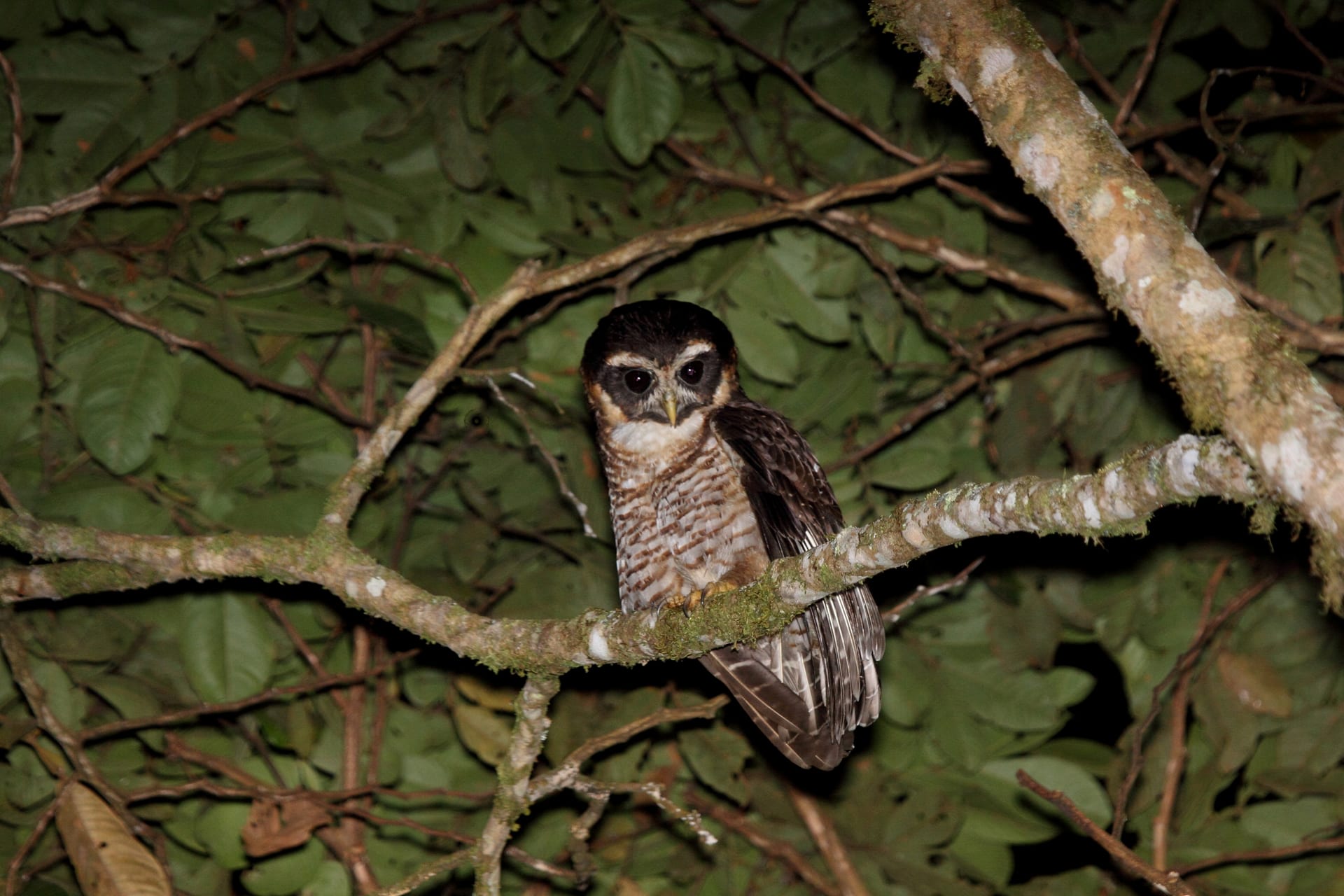
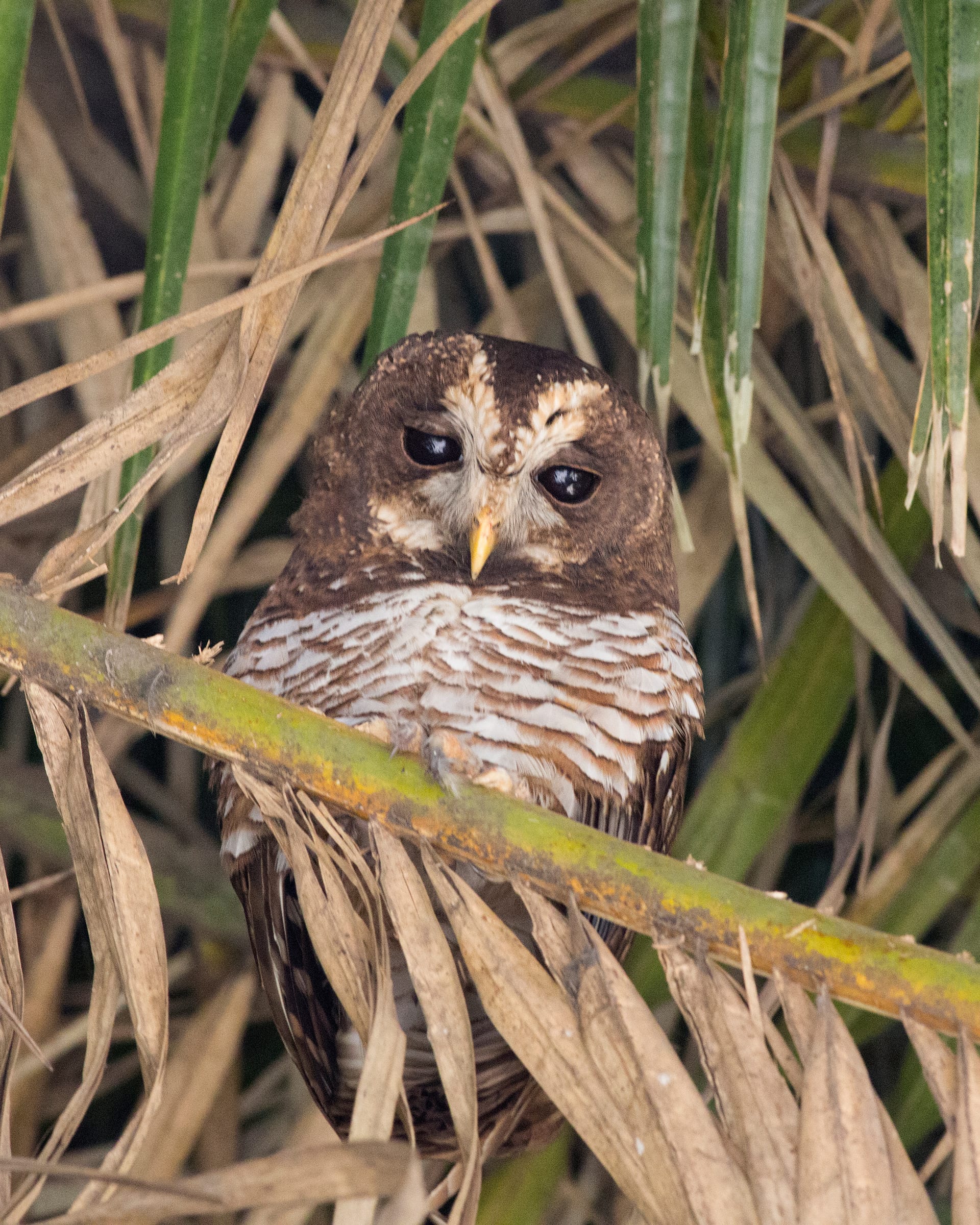
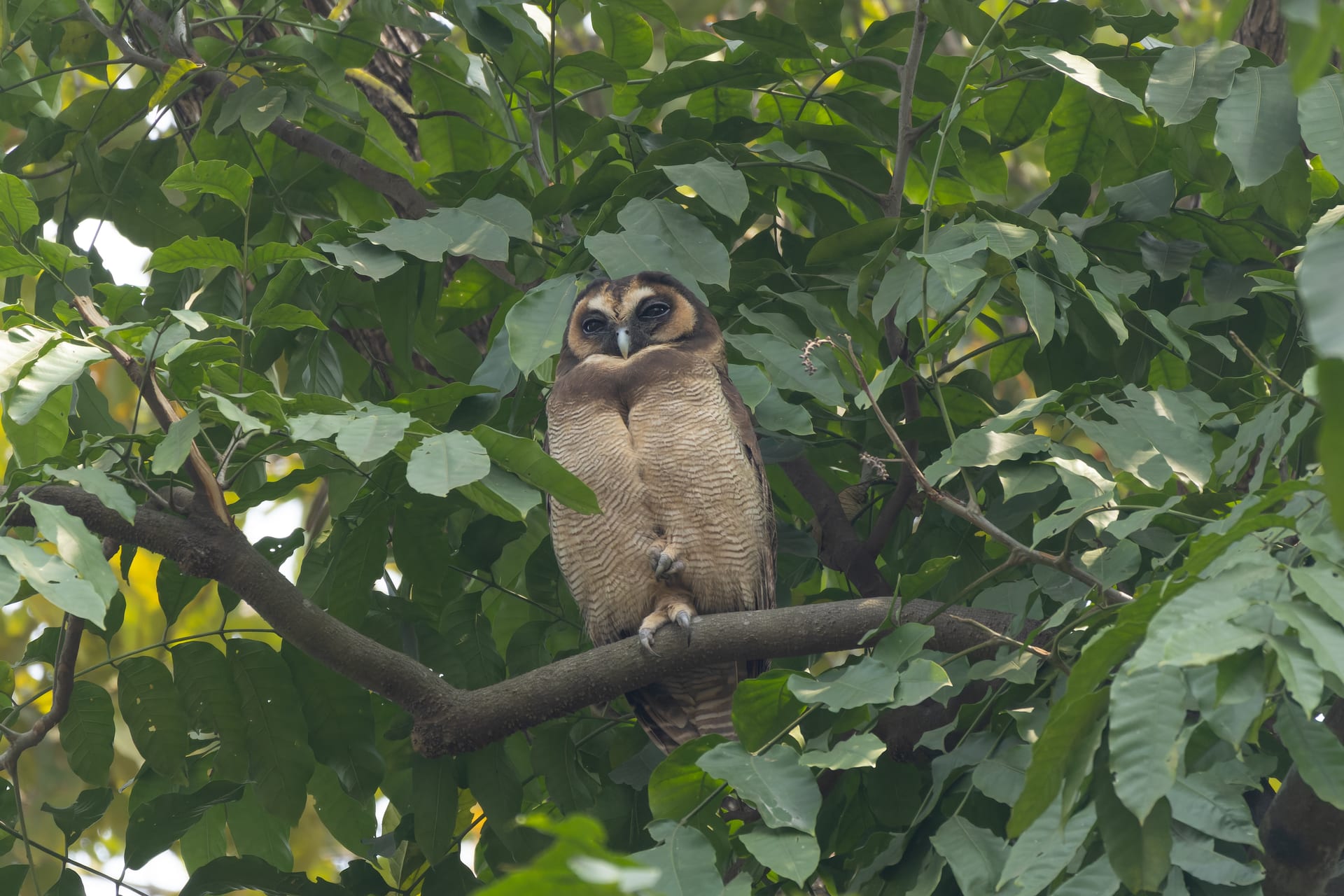
A large wood owl of South and East Asia, uniformly dark brown above and buff below with brown streaks, with a brown facial disc edged in white and dark brown eyes. It has a white neckband and no ear tufts.
Difficulty
Advanced
Temperature
15〜30℃
Lifespan
Little data
Size
45-57 cm
Humidity
40〜60%
Diet
Carnivorous: whole prey such as mice, rats, chicks and quail
About
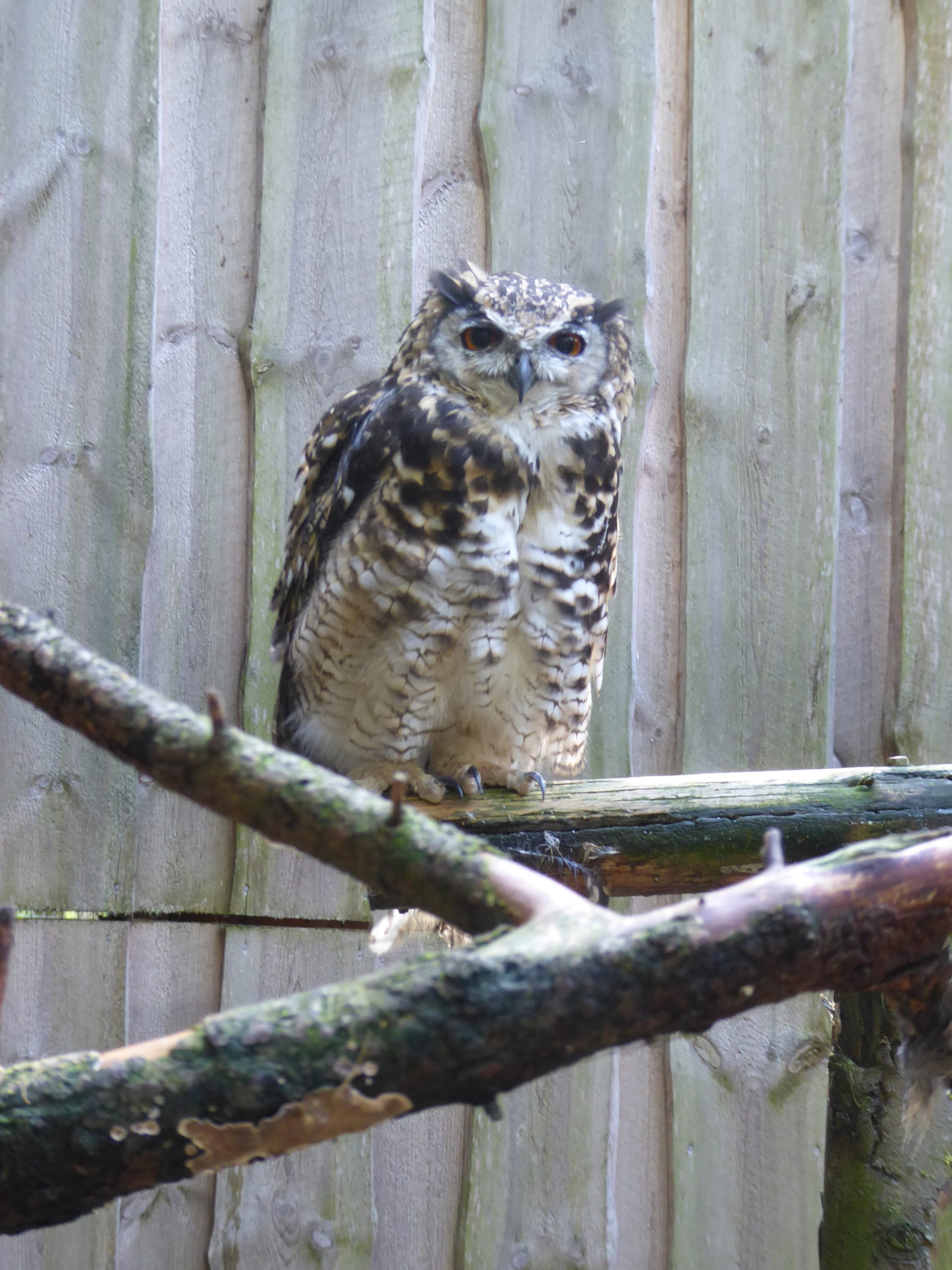
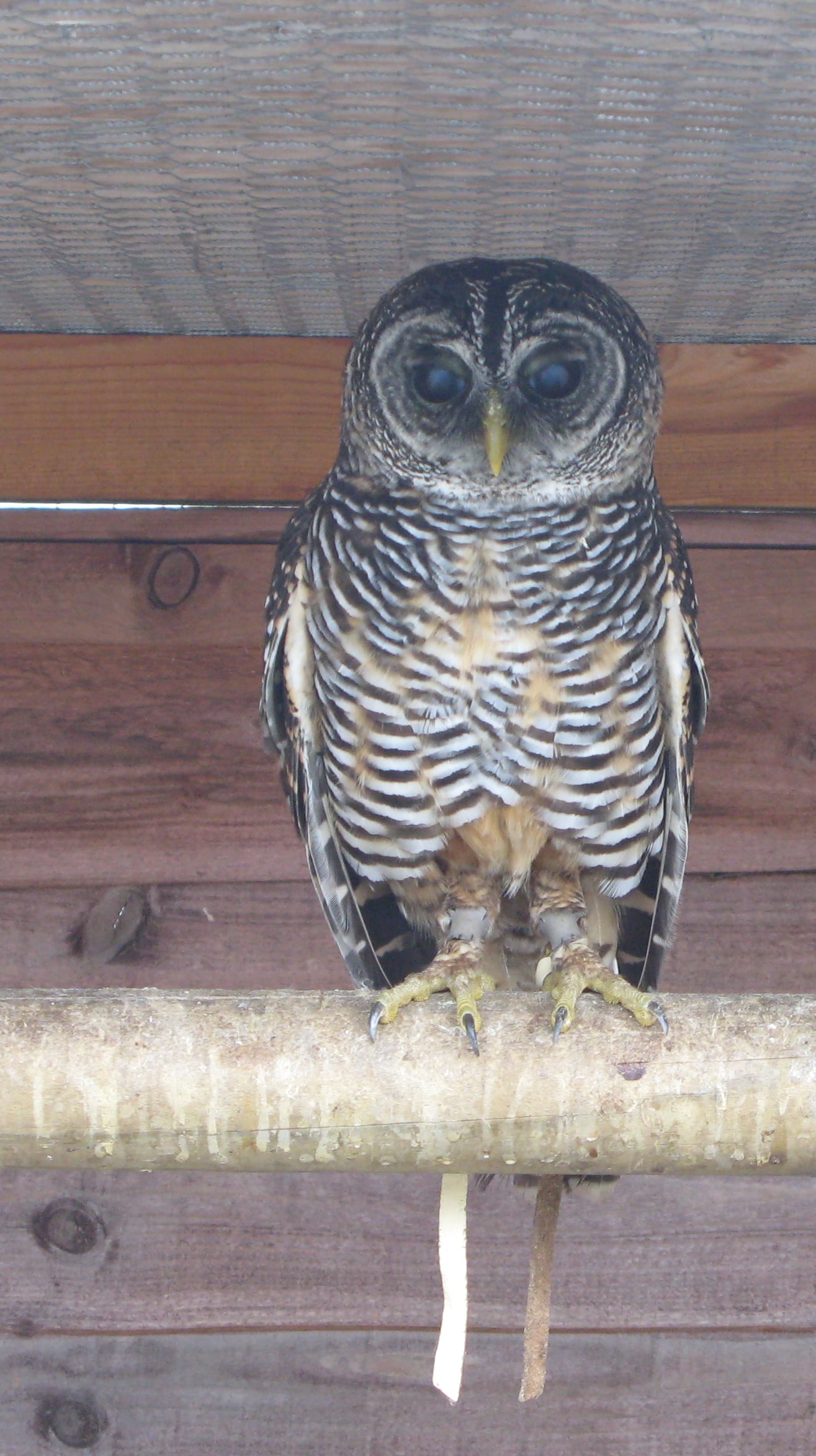
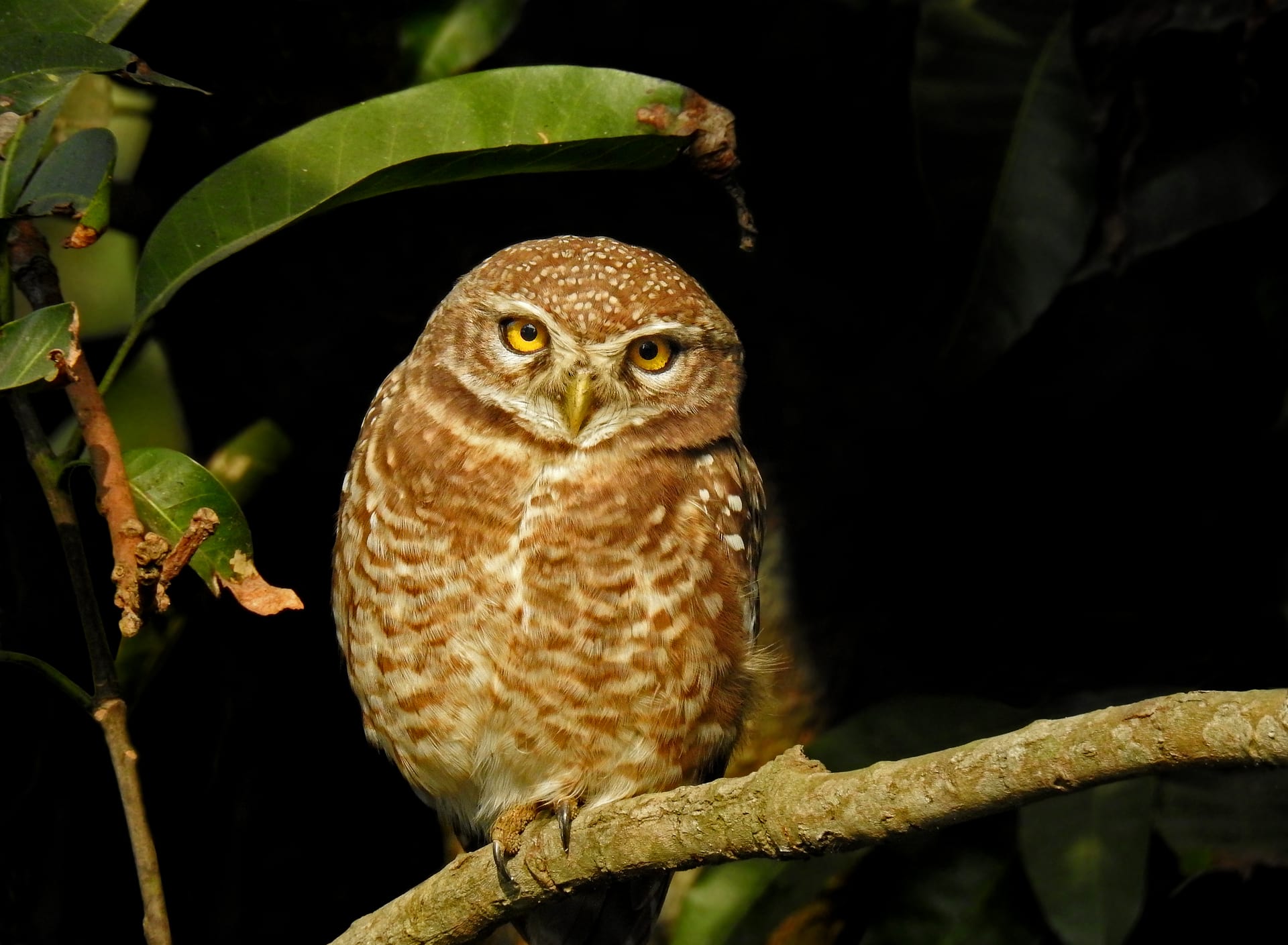
The brown wood owl (Strix leptogrammica) occurs in India, Bangladesh, Sri Lanka, Indonesia, Taiwan and southern China. Despite the similar Japanese name, it is a different species from the native Ural owl (Strix uralensis) and does not occur naturally in Japan. It is a fairly large owl of 45-57 cm, uniformly dark brown above with faint white spotting on the shoulders and buff below with brown streaks. The facial disc is brown or rufous, edged with white and without concentric barring, the eyes dark brown, and there is a white neckband. It has no ear tufts and the sexes are alike. Its calls include a hoo-hoo-hoo-HOO series, a deep goke-goke-ga-LOOO and a loud scream, and its alarm is a barking wow-wow. There are 14 subspecies; the northern group from the Himalayas to Taiwan and the Javan form differ in voice and appearance and may be separate species. Strictly nocturnal, it lives in dense forest and is often located by small birds mobbing it at its daytime roost. It feeds mainly on small mammals, birds and reptiles. In Japan domestically bred birds and chicks are sometimes offered by specialists; its name is easily confused with the Ural owl and tawny owls, so check the scientific name.
Source: Wikipedia (CC BY-SA 4.0)
Size of the Brown Wood Owl
The Brown Wood Owl grows to 45-57 cm.
Basic Info
Origin
Dense forest of India, Sri Lanka, Bangladesh, southern China, Taiwan and Indonesia
Lifespan
Little data
Size
45-57 cm
Temperature
15〜30℃
References & Sources
Edited & verified by: BreederDirect editorial team
The taxonomic, regulatory, and husbandry data on this page are compiled and verified against the authoritative primary sources below.
Taxonomy & Authority
Regulations & Conservation Status
CITES Appendix IIIUCN LC · Least Concern
Strix leptogrammica. Owls are listed in CITES Appendix II apart from a few species, and this species is in Appendix II. International trade needs an export permit, but no registration under Japan's species conservation law is needed to transfer birds within Japan. Imports are subject to animal import notification under the Infectious Diseases Control Law. It does not occur naturally in Japan and is a different species from the similarly named Ural owl (Strix uralensis). Birds in trade are foreign captive-bred birds; wild birds in Japan, including native owls, may not in principle be caught or kept under the Act on the Protection and Management of Wildlife, and the Optimization of Hunting. The IUCN assesses it as Least Concern.
Sources: Species+ (Strix leptogrammica) / IUCN Red List / Act on the Protection and Management of Wildlife, and the Optimization of Hunting (Article 8)
Regulations may change. Always verify the latest information with the relevant authorities.
Brown Wood Owl Listings
Loading latest listingsFind listings for this species