The Complete Guide to Pet Bird Crop Problems | Crop Inflammation, Candida, and Food Obstruction: Causes and Treatment
The crop (a pouch-like organ at the entrance to a bird's digestive tract) is critical to avian health, and problems here can have serious consequences. This guide explains the causes, how to identify, home care options, and when to seek veterinary care for crop inflammation, candida infection, and food impaction.
Key Takeaways
The crop (a pouch-like organ at the entrance to a bird's digestive tract) is critical to avian health, and problems here can have serious consequences. This guide explains the causes, how to identify, home care options, and when to seek veterinary care for crop inflammation, candida infection, and food impaction.
Related Species
What is the Crop?
The crop is a pouch-like organ in a bird's digestive tract, located along the esophagus. It temporarily stores food and mixes it with digestive enzymes before sending it to the stomach (proventriculus and gizzard). During the chick-rearing stage in particular, the crop is where parent birds deposit regurgitated food, and healthy crop function is absolutely critical for successful chick rearing.
In healthy adult birds, the crop expands after feeding and typically empties within 3–6 hours. If you check first thing in the morning and find the crop nearly empty, it's a sign that digestion is working normally. Conversely, if the crop is still distended the following morning, or if you notice abnormal hardness or softness, suspect a problem.
Main Types and Causes of Crop Problems
Crop Inflammation
Crop inflammation occurs when bacteria, yeast (Candida), or Trichomonad protozoa infect the crop. Even healthy birds have commensal microorganisms in the crop, but stress, poor hygiene, malnutrition, or immune suppression can allow pathogens to proliferate and trigger inflammation.
Symptoms: Loss of appetite, regurgitation or vomiting (distinguishing normal regurgitation from abnormal vomiting is important), crop that does not empty, sticky discharge around the mouth with a sour odor, lethargy, weight loss
Candida Infection (Crop Candidiasis): Particularly common in chicks. Risk factors include improper hand-feeding temperature (too cold), inadequate sterilization of feeding tools, and underdeveloped immunity. White, curd-like material accumulates in the crop, severely delaying digestion.
Trichomoniasis: Forms yellow-white, cheese-like lesions in the mouth, crop, and esophagus. Transmission occurs through bird-to-bird mouth feeding or contaminated drinking water.
Food Impaction and Crop Stasis
The crop's contents fail to digest normally and remain stationary for an extended period. Common causes include:
- Accidental ingestion of foreign objects: Plastic pieces, metal, fibers, or other non-digestible materials
- Overeating: A large quantity of food consumed at once, causing physical blockage
- Temperature problems: Hand-fed food that is too cold slows digestion and causes stasis
- Nerve or muscle problems: "Floppy crop" (crop flaccidity) results from weakened crop wall musculature and has multiple contributing factors
Floppy Crop (Crop Flaccidity)
The crop muscles weaken, and the organ loses its ability to propel contents forward. The crop becomes excessively distended and may droop visibly, even appearing enlarged to the eye. This is common in chicks and can be triggered by overfeeding or improper temperature management during hand-feeding.
How to Identify Crop Problems and Self-Check
Owners can perform simple checks daily.
Morning Crop Check: First thing in the morning (before feeding), gently palpate the crop. In a healthy bird, food from the previous night should have been digested and the crop nearly empty. If a large amount of food remains the next morning, investigate further.
Feel the Texture: Normal crop feels soft and uniform. A hard lump, gas-filled pockets, or a gritty sensation indicates a problem.
Check for Odor: A healthy crop does not emit a strong foul smell. A sour or rotten odor suggests excessive bacterial or yeast overgrowth.
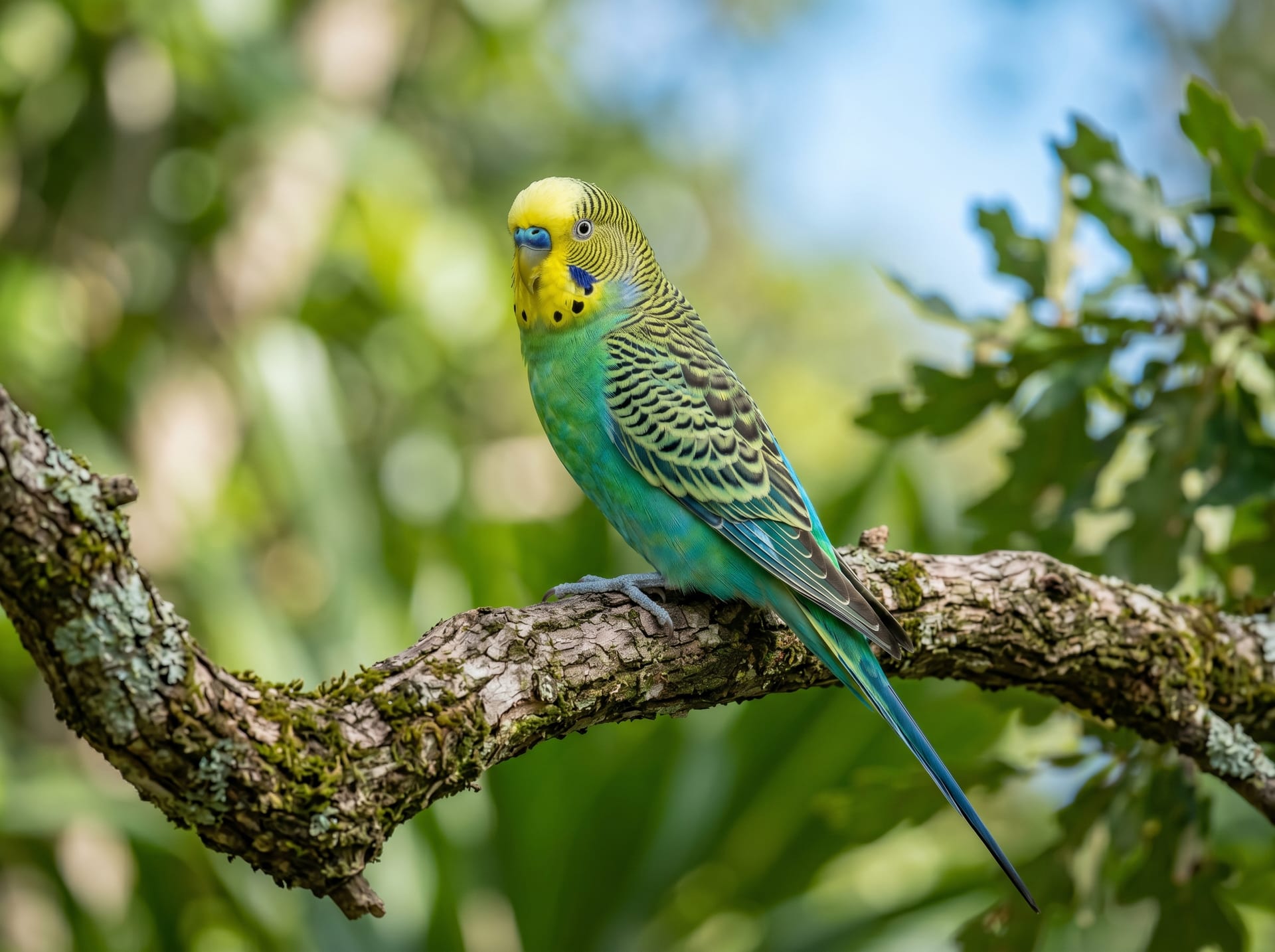
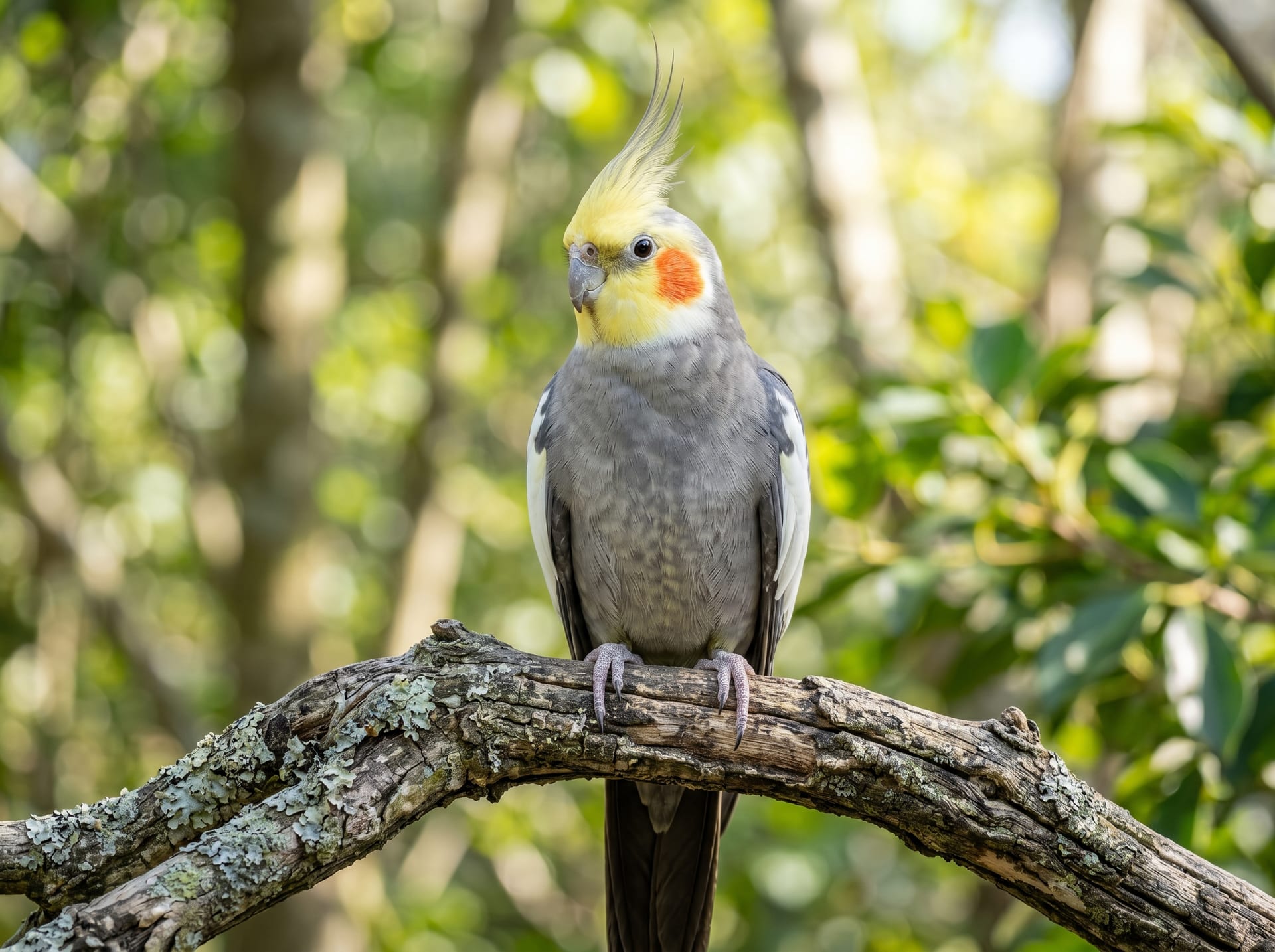
Watch for Regurgitation: Male budgerigars and cockatiels sometimes regurgitate food as a sign of affection—this is normal behavior. True vomiting, by contrast, appears involuntary: the head bobs, and crop contents may cling to head feathers. Distinguishing between normal regurgitation and abnormal vomiting is an important diagnostic marker.
Home Care and Cautions
When crop problems are suspected, what an owner can do at home is limited. Aggressive intervention risks worsening the condition, so seeking prompt veterinary care is the general rule.
- Restrict food intake: If the crop is not emptying, temporarily reduce food quantity to aid digestion. However, complete fasting should be avoided for more than a few hours due to hypoglycemia risk
- Maintain hydration: Provide fresh drinking water constantly to prevent dehydration
- Keep the bird warm: Maintaining body temperature supports recovery when digestion is impaired. Keep the environment at 28–30°C
- Verify hand-feeding temperature: For chicks, measure the temperature of hand-fed food precisely each time, aiming for 40–42°C
Actions to absolutely avoid: Vigorous crop massage, removing crop contents by mouth suction, or using over-the-counter digestive aids or antifungal medications without veterinary guidance—all of these can cause serious harm to the bird.
When to Seek Veterinary Care
Consult a bird-specialized veterinarian as soon as possible if you observe any of the following:
- Crop contents remain undigested the following morning
- Repeated vomiting (involuntary regurgitation)
- Hard lumps or gas sensation in the crop
- Significant loss of appetite
- Drastically reduced or absent droppings
- Soiled feathers around the crop area
- Sudden weight loss
A veterinarian will collect a sample from the crop and perform a microscopic examination to check for Candida, bacteria, and Trichomonads. Treatment depends on the cause and may include antifungal medication (fluconazole, nystatin), antibiotics, or crop flushing.
Daily Management for Prevention
Most crop problems can be prevented through improved daily management.
- Daily cleaning and sterilization of food and water dishes: Boil to kill bacteria and yeast
- Disposable or thoroughly sterilized hand-feeding tools: Clean after each use
- Appropriate hand-feeding temperature: Not too cold or hot; check with a thermometer every time
- Don't overfeed: Do not add food while the crop is still processing the previous meal
- Manage stress: Minimize stressors such as new environments, social changes, and loud noises
The crop is the entrance to avian digestion, and keeping it healthy supports whole-body nutrient absorption and immune function. A simple daily palpation habit can catch serious conditions early.