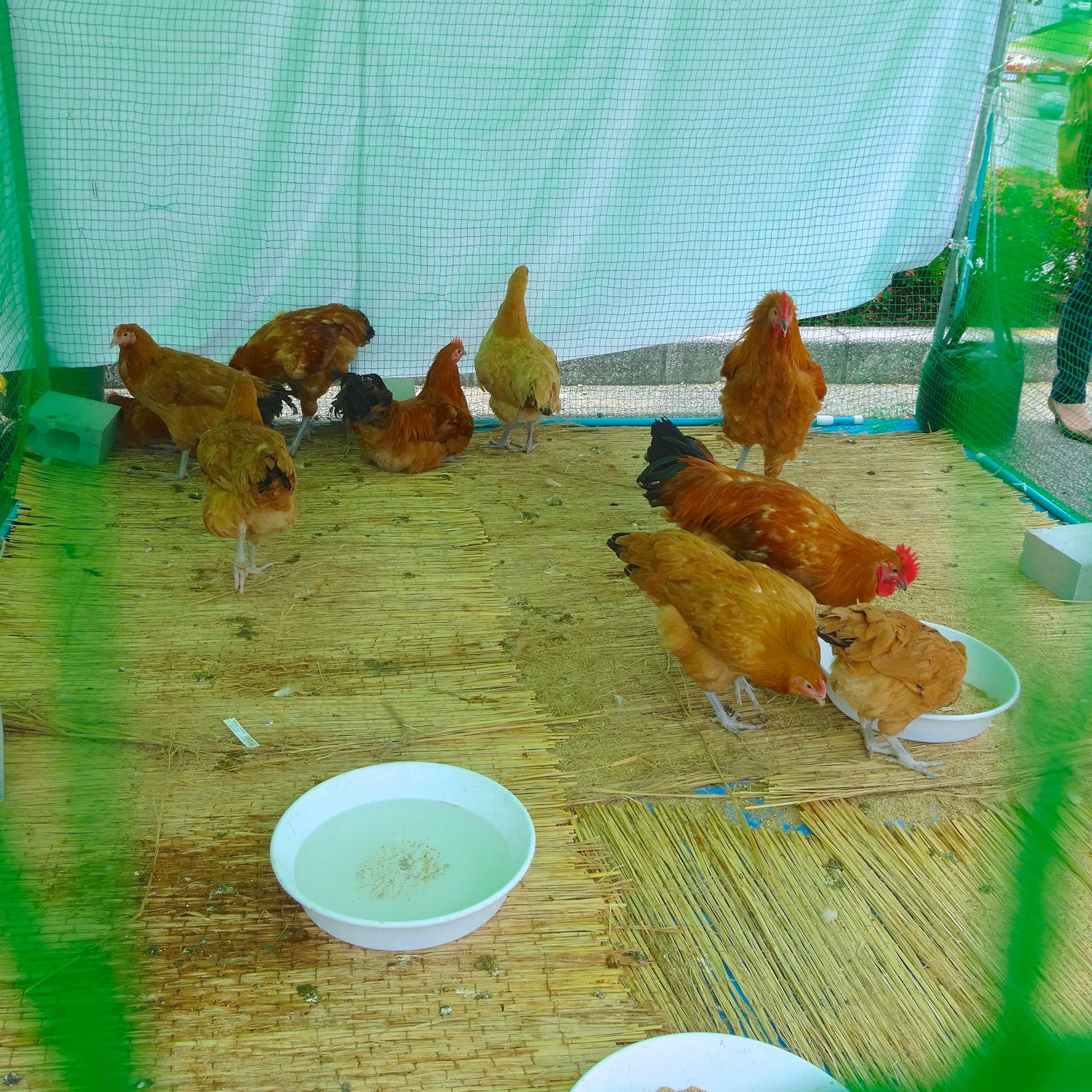
 © KKPCW(Kyu3) / CC BY-SA 4.0
Nagoya Cochin
The Nagoya Cochin is one of Japan's most celebrated chicken breeds, developed in Aichi Prefecture by crossing native fowl from the Owari region with Buff Cochins. In 1905, it became the first Japanese breed officially recognized for practical use. The breed is easily identified by its soft, pale buff-colored plumage and lead-gray legs, giving it an elegant, refined look. Its eggs have a delicate pink-tinged shell, adding to its charm beyond the barnyard. Nagoya Cochins are generally calm and manageable, making them a good choice even for first-time keepers. With deep roots in Japanese poultry history, this breed blends heritage with everyday practicality.
View Nagoya Cochin encyclopedia →0% commission on your first sales!Register by September 30, 2026 and your first 2 sales are commission-free!
Breeder Wanted!
List on BreederDirect and sell directly to customers nationwide!
Six Transparency Commitments from BreederDirect
All Birds listings include complete Breeder transparency: hand-raised status, DNA sex determination, and health certification details.
- Hand-Raised
- DNA Sex-Determined
- Health Certified
- Origin Disclosed
- Color Variation Specified
- Age in Months Disclosed
Browse all 286 breeds
Care Level
Verified breeders wanted for Birds
Breeders are signing up now ahead of launch. Subscribe to be notified when new listings go live.
Getting alerts is free with a member account. When new listings match your saved search, we'll notify you by email and in-app.
Browse other categories
Verified breeders (preview)
Nagoya Cochin key facts
- Care level
- Beginner-friendly
- Lifespan
- Little data
- Size
- About 2.4 kg (male), 2.0 kg (female)
- Diet
- Commercial chicken feed for each growth stage, greens and oyster shell
- Temperament
- Placid and easy to keep; its once strong broodiness has been reduced by selection.
- Housing
- One of the larger Japanese native breeds, it needs a weatherproof house with room to exercise, secured against wild birds and predators.
- Vocalization
- Cockerels crow loudly, so in residential areas consider keeping hens only.
- Feeding
- Feed chicken rations suited to each growth stage with greens, and oyster shell for laying hens.
- Notes
- Under the Act on Domestic Animal Infectious Diseases Control, chickens are livestock subject to hygiene management standards, and anyone keeping even one bird must report the number kept to the prefecture (livestock hygiene service centre) by 15 June every year. Keepers of fewer than 100 birds file a simplified report, and those shipping no birds or eggs need no attachments.
About Nagoya Cochin
Nagoya Cochin is a Japanese chicken breed from Aichi Prefecture, recognized in 1905 as the country's first practical breed. Known for buff plumage and pink-tinged eggs, it suits beginner keepers.
7 things to know before welcoming a Nagoya Cochin
1Easy Breed for Beginners
Nagoya Cochin is generally considered an easy breed for beginner keepers. Its calm, manageable temperament makes it a good starting point for first-time chicken owners. As long as basic poultry-keeping conditions are met, it can be raised without much difficulty.
2A Historic Aichi Breed
This breed was created by crossing native fowl from the Owari region with Buff Cochins. In 1905, it was officially recognized as Japan's first practical domestic chicken breed, making it an important part of Japanese poultry history.
3Buff Plumage, Lead-Gray Legs
The breed's defining feature is its soft, pale buff-colored plumage covering the whole body. Its legs are lead-gray, creating an elegant contrast with the feather color.
4Eggs with a Pink Tint
Nagoya Cochin hens lay eggs with a distinctive pale pink-tinged shell. Many keepers enjoy the eggs' charming appearance as much as the birds themselves.
5Large for a Japanese Chicken
Adults weigh about 2.4kg for males and about 2.0kg for females, which puts the breed on the larger side among Japanese native-type chickens. Provide a weatherproof coop and enough room to move around.
6Limited Lifespan Data
Detailed data on the Nagoya Cochin's lifespan is currently limited. Since individual longevity can vary with living conditions and genetics, it's important to monitor each bird's health closely on a daily basis.
7Prepare the Right Space — and File the Report
Setting up a coop and adequate space for movement ahead of time is essential. Roosters crow loudly, so consider your neighbors before bringing birds home. Also note that under Japan's Act on Domestic Animal Infectious Diseases Control, chickens are livestock covered by the hygiene management standards, and anyone keeping even a single bird must file an annual report of the number of birds kept with their prefecture (via the local Livestock Hygiene Service Center) by June 15 each year. With fewer than 100 birds the report is simplified, and no supporting documents are needed if you don't ship eggs or birds.
Frequently asked questions about Nagoya Cochin
- Q.Can beginners keep Nagoya Cochins?
- A.Yes, this breed is generally considered suitable for beginners. Its calm and manageable temperament makes it a good choice for first-time chicken keepers.
- Q.Are Nagoya Cochin eggs different from regular eggs?
- A.The main difference is the shell color, which has a distinctive pale pink tint. Rather than a major difference in taste or nutrition, the appeal lies mostly in their attractive appearance.
- Q.How big do adult Nagoya Cochins get?
- A.Adult males typically weigh around 2.4kg and females around 2.0kg, which is on the larger side among Japanese native-type chickens.
- Q.How was the Nagoya Cochin breed developed?
- A.It was created by crossing native fowl from the Owari region with Buff Cochins. It was officially recognized in 1905 as Japan's first practical domestic chicken breed, giving it a long history.
- Q.How long do Nagoya Cochins live?
- A.There is currently limited detailed data on the Nagoya Cochin's lifespan. It likely varies depending on individual birds and their living conditions.
Useful tools for Nagoya Cochin care
Learn more about Nagoya Cochin in the encyclopedia
View Nagoya Cochin encyclopedia entry →
Care difficulty, lifespan, size and diet — all basics covered.
More in this category
Can't find the one you're looking for?
Post your wishes for free and breeders with matching animals will contact you with introductions.