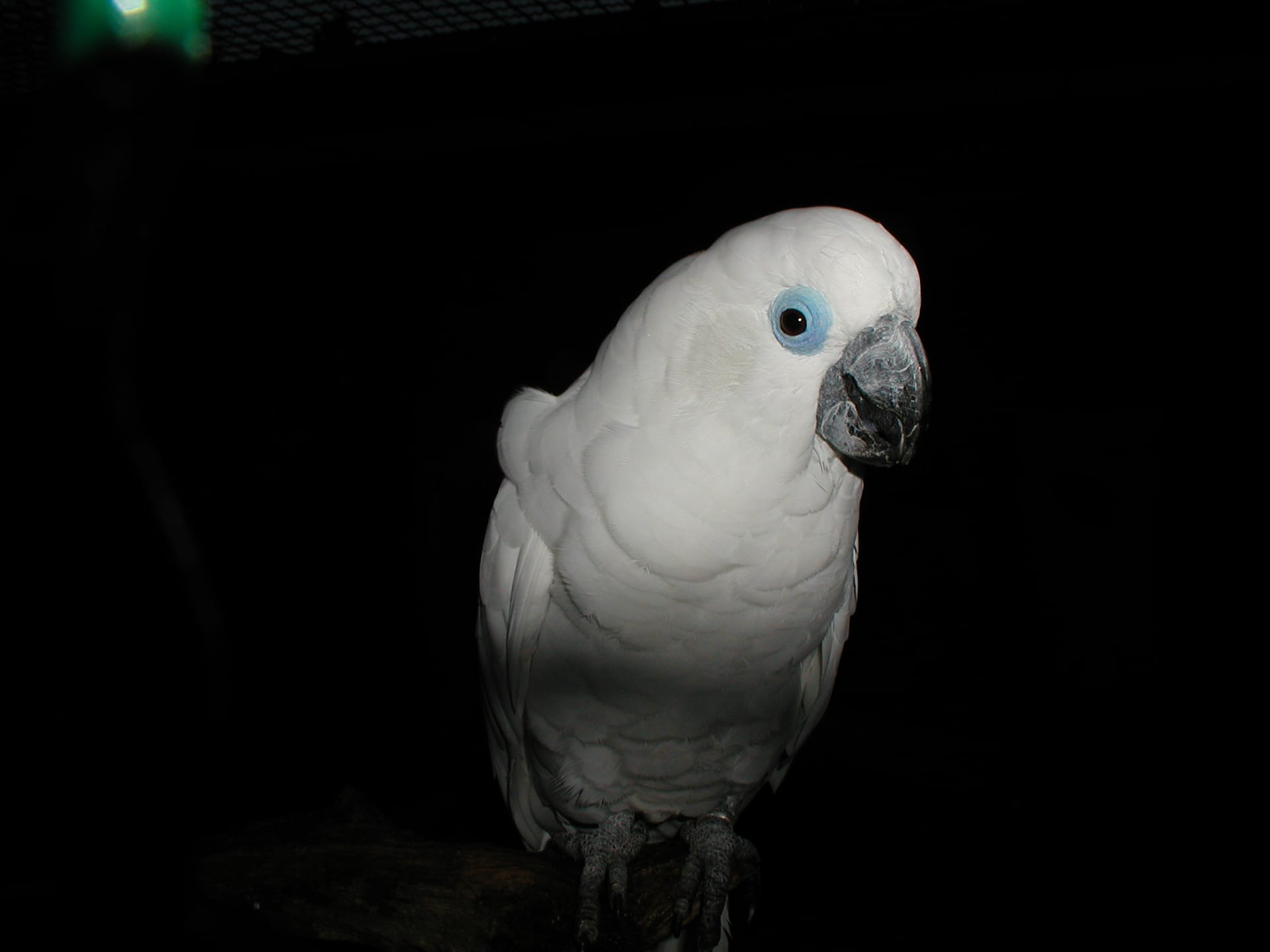
 © Christian Paul Stobbe / CC BY-SA 2.0
Blue-eyed Cockatoo
The Blue-eyed Cockatoo is a large parrot with a white body, a rounded crest of yellow and white, a black bill, and a striking patch of bright blue bare skin around each eye. It measures about 50 cm in length and is endemic to the island of New Britain in Papua New Guinea, where it is assessed as Vulnerable by the IUCN. Like other cockatoos, it is intelligent and highly social, but it also has a powerful bill and a loud voice, so it is best suited to experienced keepers. It is long-lived, so be ready to commit to decades of care.
View Blue-eyed Cockatoo encyclopedia →Breeder Wanted!
List on BreederDirect and sell directly to customers nationwide!
BreederDirect's 6 Transparency Commitments
All Birds listings include complete Breeder transparency: hand-raised status, DNA sex determination, and health certification details.
- Hand-Raised
- DNA Sex-Determined
- Health Certified
- Origin Disclosed
- Color Variation Specified
- Age in Months Disclosed
Browse all 286 breeds
Care Level
Verified breeders wanted for Birds
Breeders are signing up now ahead of launch. Subscribe to be notified when new listings go live.
Getting alerts is free with a member account. When new listings match your saved search, we'll notify you by email and in-app.
Browse other categories
Verified breeders (preview)
Blue-eyed Cockatoo key facts
- Care level
- Advanced
- Lifespan
- Captive record 31.9 years
- Size
- About 50 cm
- Diet
- Large-parrot pellets or seed, nuts, fruit and vegetables
- Temperament
- Very affectionate but demanding; long periods without attention easily lead to problems such as feather plucking.
- Cage
- It needs a strong large-parrot cage and a safe room for daily time out, with a constant supply of wooden toys to chew.
- Vocalization
- Loud like other large cockatoos, so noise towards neighbours must be considered.
- Feeding
- Base the diet on pellets or seed with nuts, fruit and vegetables, without relying on fatty seeds.
- Health & notes
- It is easily mistaken for sulphur-crested or yellow-crested cockatoos, so check the bright blue eye-ring and rounded crest, and plan for decades of care.
About Blue-eyed Cockatoo
Blue-eyed Cockatoo guide: appearance, temperament and care basics for this parrot of about 50 cm with bright blue skin around the eyes. Best for experienced keepers, with FAQs and pre-adoption tips.
7 things to know before welcoming a Blue-eyed Cockatoo
1For Experienced Keepers
Cockatoos are intelligent, highly social birds, and this species is rated for experienced keepers. They need consistent daily interaction, and prolonged boredom or loneliness can lead to behaviors such as feather plucking. If you are new to keeping birds, start by talking with someone who has experience.
2A Rare Endemic Species
This species lives only on New Britain, is assessed as Vulnerable by the IUCN, and is listed in CITES Appendix II. When choosing a bird, look for a seller who can clearly explain its origin and how it has been raised.
3Roomy Cage and Exercise
At about 50 cm long, this large cockatoo needs a cage or aviary with enough room to spread its wings comfortably. Because its bill is so strong, choose a sturdy cage with latches that are hard to break. A safe space outside the cage where it can move around is also ideal.
4Preparing for Loud Calls
Cockatoos often call loudly, and they tend to be especially vocal in the morning and evening. Depending on your home, such as an apartment, you may need to think about where the cage is placed and how to reduce noise. Keep in mind that the calling cannot be eliminated completely.
5Strong Bill and Chewing
These birds love to chew with their powerful bills, which can damage furniture, wiring, and wooden items. Provide safe wooden toys or branches they are allowed to chew, and keep anything dangerous out of reach.
6Find an Avian Vet Early
Birds tend to hide signs of illness, so it is important to check droppings, appetite, and feather condition every day. Before bringing one home, it helps to locate a nearby veterinary clinic that can examine birds.
7Plan for a Long Lifespan
This is a long-lived bird, so you should adopt one expecting decades of care. Think about whether you could keep caring for it through a move or changes in your household, and whether someone could take over its care in the future.
Frequently asked questions about Blue-eyed Cockatoo
- Q.Can a beginner keep a Blue-eyed Cockatoo?
- A.This species is rated for experienced keepers and is not well suited to first-time bird owners. Talk with an experienced keeper first, and consider whether you can provide the time and space a large cockatoo needs.
- Q.How long do Blue-eyed Cockatoos live?
- A.It's a long-lived bird, and owners should expect to care for it for decades. Lifespan varies between individuals, so think carefully about whether you can commit over the long term.
- Q.Is it noisy, and should I think about neighbors?
- A.Cockatoos often call loudly, and it is safest not to expect this species to be quiet. Consider the cage location and soundproofing, and think carefully about whether it suits your living situation before bringing one home.
- Q.What is the blue area around its eyes?
- A.The bright blue area around each eye is bare skin without feathers, and it is the most distinctive feature of this species. The name Blue-eyed Cockatoo, like its Japanese name Rurime, refers to this blue eye ring.
- Q.What should I ask the seller before adopting?
- A.Ask about the bird's age, health, diet, past living conditions, and origin. Do not hesitate to ask about anything that concerns you, and only bring the bird home once you feel comfortable.
Useful tools for Blue-eyed Cockatoo care
Learn more about Blue-eyed Cockatoo in the encyclopedia
View Blue-eyed Cockatoo encyclopedia entry →
Care difficulty, lifespan, size and diet — all basics covered.
More in this category
Can't find the one you're looking for?
Post your wishes for free and breeders with matching animals will contact you with introductions.