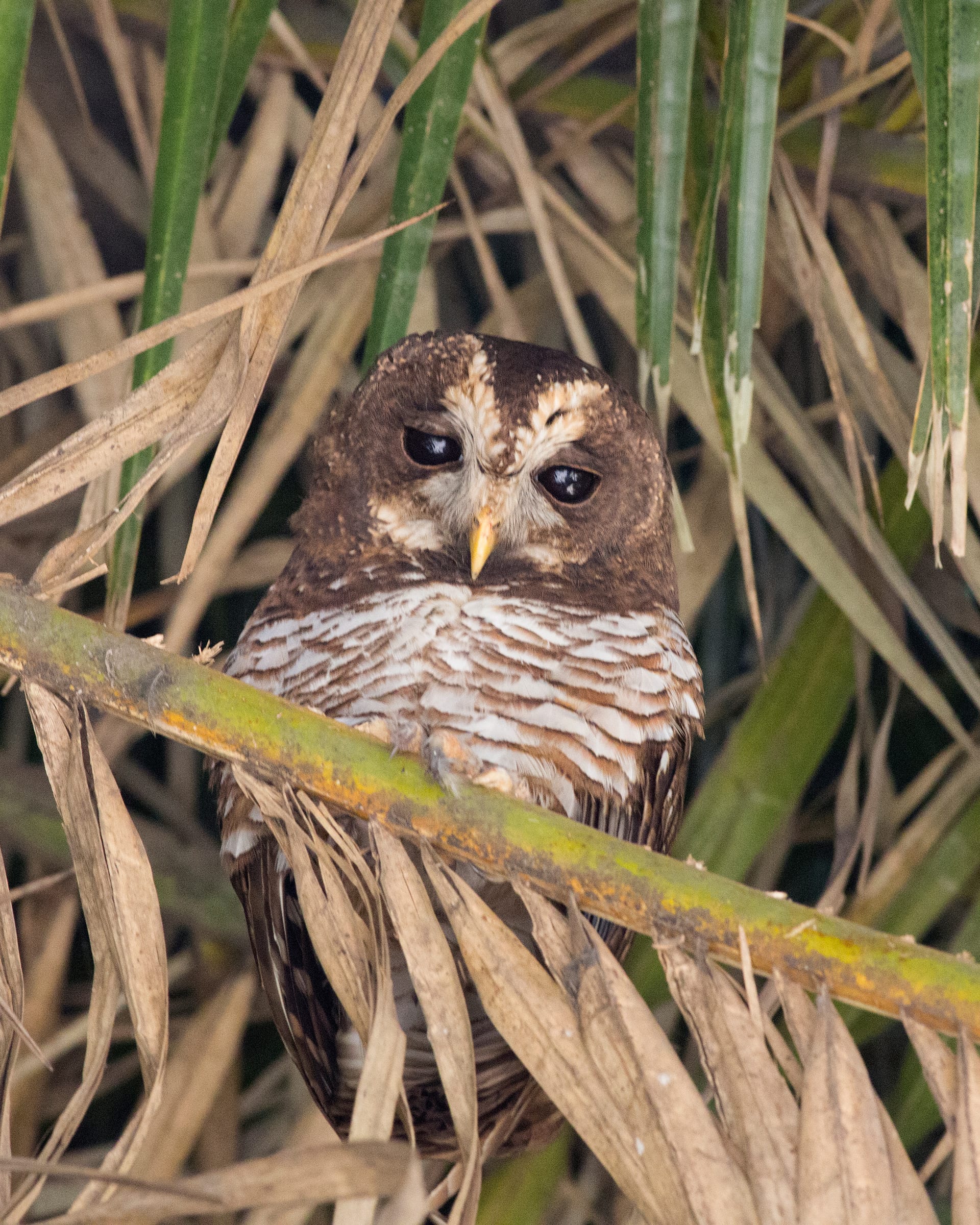
 © Lip Kee Yap / CC BY-SA 2.0
African Wood Owl
The African Wood Owl is a medium-sized owl known for its round head, bold white "eyebrows" framing large dark eyes, and a bright yellow bill. Its brown plumage is marked with white spots and barring, and it's considered one of the most familiar owls across African forests. Nocturnal and generally quiet in temperament, it has a distinctive look that appeals to owl enthusiasts. The species is listed on CITES Appendix II, and keeping one calls for specialized knowledge and experience, making it best suited to experienced keepers. Anyone considering bringing one home should first understand its natural behavior and the care it needs.
View African Wood Owl encyclopedia →0% commission on your first sales!Register by September 30, 2026 and your first 2 sales are commission-free!
Breeder Wanted!
List on BreederDirect and sell directly to customers nationwide!
BreederDirect's 6 Transparency Commitments
All Birds listings include complete Breeder transparency: hand-raised status, DNA sex determination, and health certification details.
- Hand-Raised
- DNA Sex-Determined
- Health Certified
- Origin Disclosed
- Color Variation Specified
- Age in Months Disclosed
Browse all 286 breeds
Care Level
Verified breeders wanted for Birds
Breeders are signing up now ahead of launch. Subscribe to be notified when new listings go live.
Getting alerts is free with a member account. When new listings match your saved search, we'll notify you by email and in-app.
Browse other categories
Verified breeders (preview)
African Wood Owl key facts
- Care level
- Advanced
- Lifespan
- Little data
- Size
- 30.5-35 cm
- Diet
- Carnivorous: mainly insects, plus whole prey such as mice, chicks and quail
- Temperament
- Strictly nocturnal, resting in dense cover by day, living singly or in pairs.
- Cage
- It hunts by swooping from a perch, so provide a room or aviary large enough to fly, with a dark place to hide by day.
- Vocalization
- Pairs duet after dusk with calls carrying over 500 m, so neighbours must tolerate night calls.
- Feeding
- Wild birds eat mostly insects plus small animals; combine insects with whole mice or chicks and weigh the bird to set rations.
- Notes
- Only foreign captive-bred birds are traded; wild birds in Japan, including native owls, may not in principle be caught or kept under the wildlife law.
About African Wood Owl
The African Wood Owl is a medium-sized African owl with a round head, white eyebrow markings, and dark eyes. Listed on CITES Appendix II, it requires advanced knowledge and experience to keep.
7 things to know before welcoming a African Wood Owl
1Best Suited to Experienced Keepers
The African Wood Owl is considered a challenging species best suited to experienced keepers. Caring for it well requires understanding raptor-specific feeding habits and behavior, along with the knowledge to manage daily care consistently. First-time owl keepers are encouraged to consult an experienced keeper or breeder before deciding.
2Nocturnal by Nature
In the wild, this owl is active at night within forest habitats, and the same pattern often continues in captivity. Daytime hours should be kept quiet so the bird can rest, with the living environment arranged around its natural rhythm.
3Needs Ample Space
As a medium-sized owl measuring roughly 30.5 to 35 cm in length, it needs an enclosure or aviary large enough to move and stretch its wings comfortably. Perch placement and flight space should be considered carefully to keep stress to a minimum.
4A Carnivorous Diet
In the wild it feeds on mice, insects, and other forest prey, so captive diets need to center on animal-based food. Understanding proper nutrition and feeding methods in advance is important for its wellbeing.
5Listed Under CITES Appendix II
The African Wood Owl is listed on CITES Appendix II. It's worth keeping this in mind when considering the species.
6Limited Lifespan Data
Published information on the African Wood Owl's lifespan is still limited. Since keeping one is a long-term commitment, regular health observation and prompt consultation with a specialist for any changes are essential.
7Prepare Space and Supplies
Before bringing one home, set up the enclosure, perches, and feeding supplies in advance. It also helps to find a vet experienced with raptors beforehand, so you're ready if any health issues arise.
Frequently asked questions about African Wood Owl
- Q.Is the African Wood Owl suitable for beginners?
- A.This species is considered best suited to experienced keepers and isn't recommended for beginners. Because it requires raptor-specific care and behavioral understanding, it's best to learn from an experienced keeper before deciding.
- Q.How long do African Wood Owls live?
- A.Published lifespan data for this species is still limited, so no definitive figure is available. Because keeping one is a long-term commitment, ongoing health management is essential.
- Q.How big does it get as an adult?
- A.Adults reach roughly 30.5 to 35 cm in total length, making it a medium-sized owl. Keep this adult size in mind when planning enclosure space.
- Q.Is the African Wood Owl listed under CITES?
- A.Yes, the African Wood Owl is listed on CITES Appendix II. It's worth keeping this in mind when considering the species.
- Q.What is its temperament generally like?
- A.Detailed temperament records are limited, but it's generally described as nocturnal and quiet. Individual personality can vary, so it helps to get to know each bird's traits directly.
Useful tools for African Wood Owl care
Learn more about African Wood Owl in the encyclopedia
View African Wood Owl encyclopedia entry →
Care difficulty, lifespan, size and diet — all basics covered.
More in this category
Can't find the one you're looking for?
Post your wishes for free and breeders with matching animals will contact you with introductions.