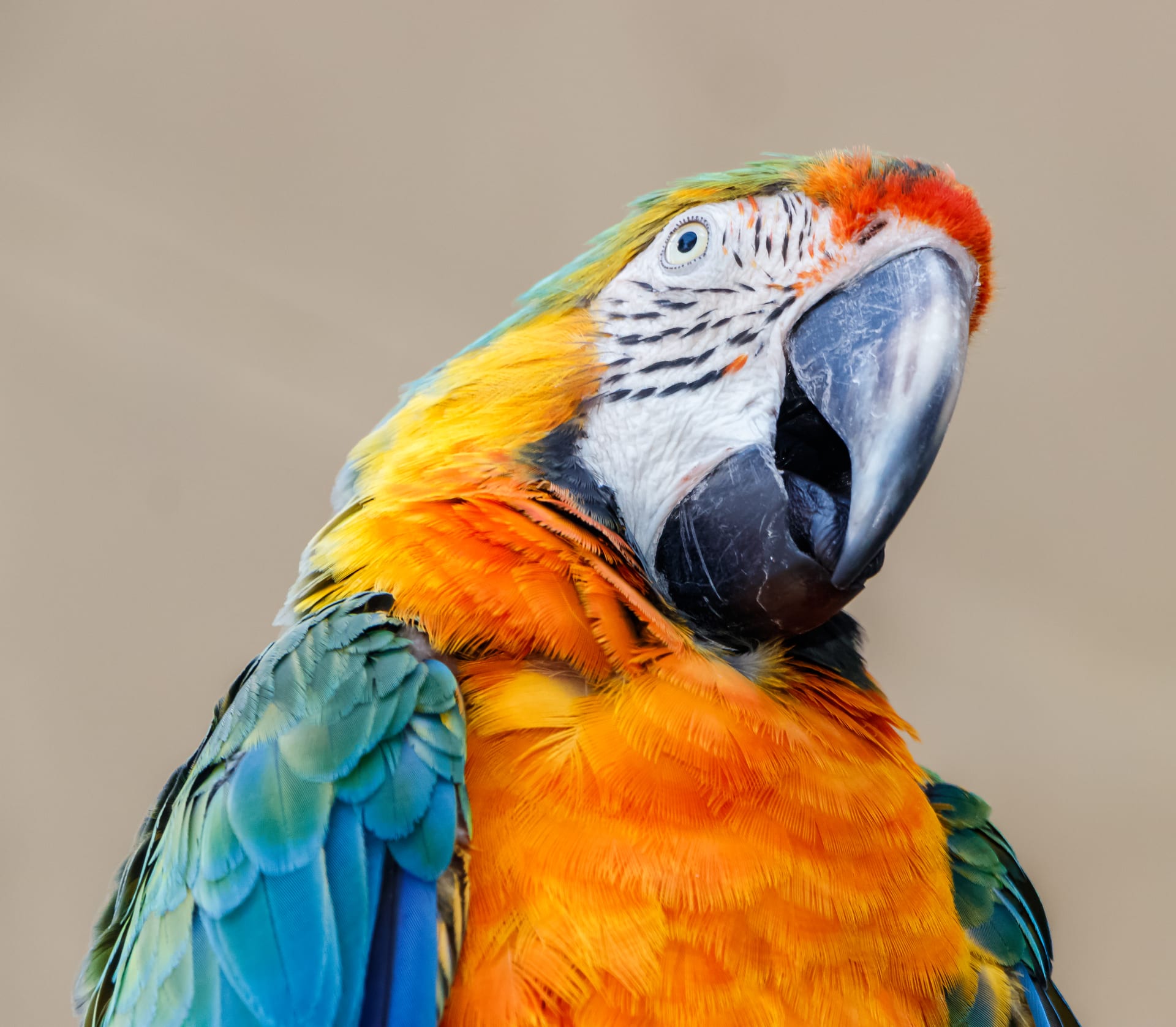
 © H. Zell / CC BY-SA 3.0
Harlequin Macaw
The Harlequin Macaw is a hybrid macaw created by crossing the Blue-and-Gold Macaw with the Green-winged Macaw. Its plumage blends blue, green, red, orange, and yellow in a pattern that varies from bird to bird, so no two Harlequins look quite alike. Breeders have long selected for calmer temperaments, and the result is often described as one of the more even-tempered large macaws. Even so, its substantial size, powerful beak, and long lifespan mean it's a bird for experienced keepers, and anyone considering one should already be comfortable with large macaw care.
View Harlequin Macaw encyclopedia →0% commission on your first sales!Register by September 30, 2026 and your first 2 sales are commission-free!
Breeder Wanted!
List on BreederDirect and sell directly to customers nationwide!
BreederDirect's 6 Transparency Commitments
All Birds listings include complete Breeder transparency: hand-raised status, DNA sex determination, and health certification details.
- Hand-Raised
- DNA Sex-Determined
- Health Certified
- Origin Disclosed
- Color Variation Specified
- Age in Months Disclosed
Browse all 286 breeds
Care Level
Verified breeders wanted for Birds
Breeders are signing up now ahead of launch. Subscribe to be notified when new listings go live.
Getting alerts is free with a member account. When new listings match your saved search, we'll notify you by email and in-app.
Browse other categories
Verified breeders (preview)
Harlequin Macaw key facts
- Care level
- Advanced
- Lifespan
- Over 60 years recorded
- Size
- Little data
- Diet
- Large-parrot pellets or seed, nuts, fruit and vegetables
- Temperament
- Said to be bred for calmness, though individuals vary; it seeks a lot of human interaction, so set aside time every day.
- Cage
- The parents reach 80-95 cm, so an indoor cage is not enough; it needs an aviary or room large enough to fly.
- Vocalization
- Attention screams and flock calls are natural and extremely loud, so even in a detached house neighbours must be considered.
- Feeding
- Feed pellets or seed with nuts, fruit and vegetables; hard-shelled nuts also help satisfy the urge to chew.
- Health & notes
- Its bill is extremely powerful and wrecks furniture and fittings, and it may live over 60 years, so plan for care after the owner's lifetime.
About Harlequin Macaw
The Harlequin Macaw is a hybrid of the Blue-and-Gold and Green-winged Macaws, known for its vividly varied plumage and calm temperament. Recommended only for experienced bird keepers.
7 things to know before welcoming a Harlequin Macaw
1Built for Experienced Owners
Harlequin Macaws are large, powerful-beaked birds, so prior experience with big macaws is strongly recommended. Be ready for their destructive potential when out of the cage and their loud vocalizations.
2No Two Look Alike
As a cross between the Blue-and-Gold and Green-winged Macaws, each Harlequin Macaw has its own unique mix of blue, green, red, orange, and yellow plumage. It's often said no two individuals share exactly the same pattern.
3A Generally Calm Temperament
Breeders have long selected for gentler dispositions, so Harlequin Macaws are often considered easier to handle than some other large macaws. Still, individual personalities vary, and ongoing socialization and training remain important.
4An Exceptionally Long Lifespan
Some individuals are reported to have lived 60 years or more, potentially outliving their owners. Before bringing one home, it's worth thinking through who could care for the bird if you're no longer able to.
5Spacious, Sturdy Housing
A large macaw cannot be kept comfortably in a cramped cage. You'll need a large, sturdy cage that can withstand a powerful beak, plus room for supervised out-of-cage time.
6Mental Stimulation and Bonding
Highly intelligent and social, Harlequin Macaws can develop problem behaviors like feather plucking if left without stimulation. Make daily time for toys, play, and interaction with your bird a routine.
7Listed Under CITES Appendix II
The parent species behind the Harlequin Macaw are listed under CITES Appendix II. When bringing one home, it's a good idea to choose a breeder who can clearly explain the bird's origin.
Frequently asked questions about Harlequin Macaw
- Q.Can beginners keep a Harlequin Macaw?
- A.This is considered a breed for experienced keepers, with real demands around strength, know-how, and housing. If you haven't kept a large macaw before, start by researching thoroughly and talking with experienced owners.
- Q.How long can you expect to live with one?
- A.Some individuals are reported to have lived past 60 years, meaning you could share a lifespan comparable to or longer than your own. It's worth thinking through a long-term life plan before committing.
- Q.Are they aggressive or affectionate?
- A.They've historically been bred toward calmer temperaments, and are sometimes described as easier to handle than other large macaws. That said, individual personality varies a lot and is shaped by daily interaction.
- Q.How big do they get?
- A.Reliable data on adult size is limited, so no clear standard figure exists. Before bringing one home, it's best to check with the breeder or an expert about the actual bird.
- Q.What should I know about their diet?
- A.A large-macaw pelleted diet, balanced with vegetables and fruit, is the usual foundation. If you're unsure what's safe to feed, check with the breeder or an avian specialist beforehand.
Useful tools for Harlequin Macaw care
Learn more about Harlequin Macaw in the encyclopedia
View Harlequin Macaw encyclopedia entry →
Care difficulty, lifespan, size and diet — all basics covered.
More in this category
Can't find the one you're looking for?
Post your wishes for free and breeders with matching animals will contact you with introductions.