 © Björn S... / CC BY-SA 2.0
Crested Partridge
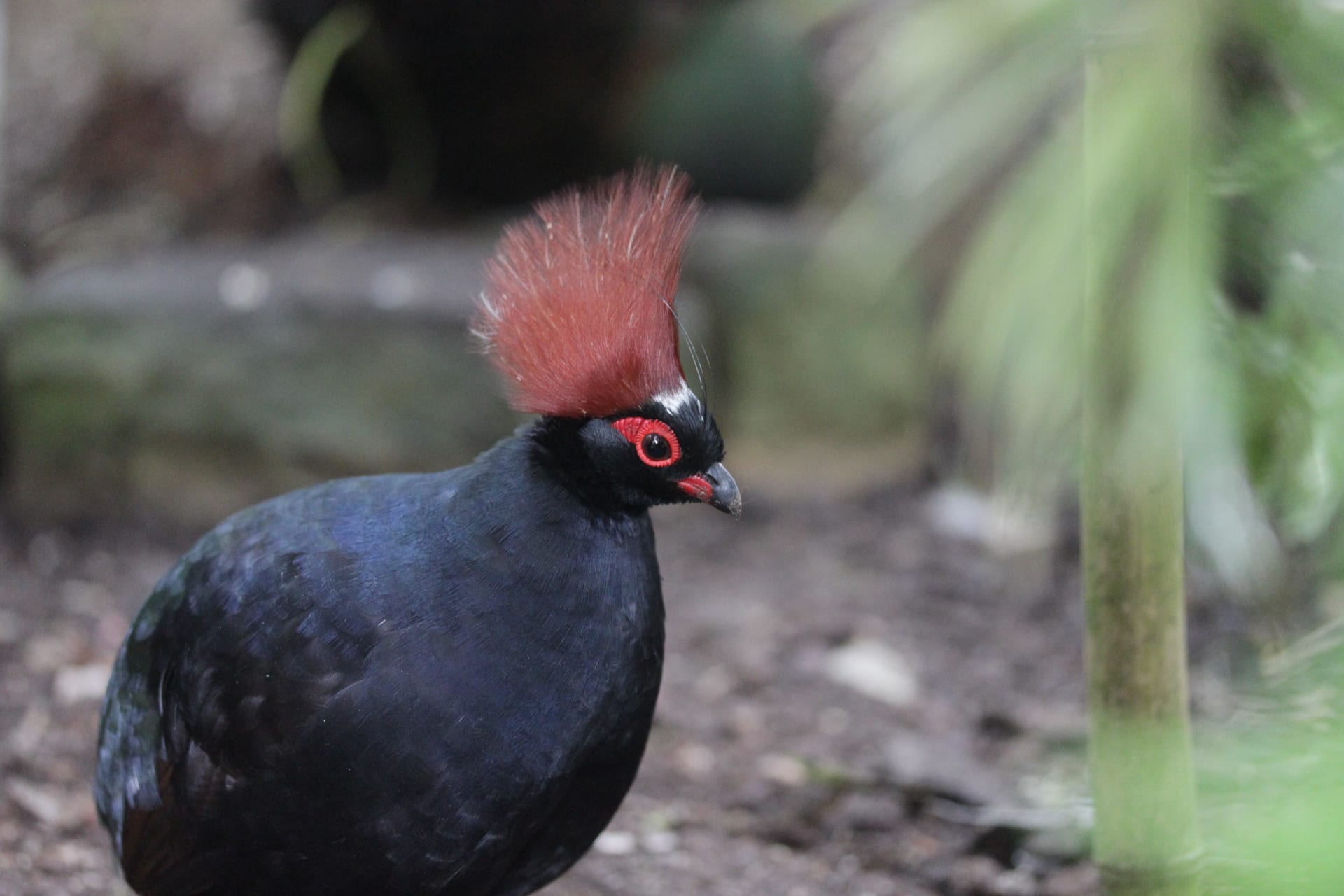
The Crested Partridge is a small ground-dwelling member of the pheasant family native to the forest floors of Southeast Asia. Its round body and short tail give it an endearing look, and males and females wear strikingly different plumage: males show glossy dark green and deep blue feathers set off by a large red crest and a white forehead patch, while females have a quieter pea-green coat without a crest. Both sexes share red skin around the eyes and red legs, giving the whole bird a coordinated look. In the wild it forages by scratching through fallen leaves on the forest floor, and captive birds often show the same digging behavior in their substrate. At just 24 to 28 cm in total length, it's a compact pheasant whose quiet, ground-hugging presence many keepers find soothing to watch.
View Crested Partridge encyclopedia →Breeder Wanted!
List on BreederDirect and sell directly to customers nationwide!
BreederDirect's 6 Transparency Commitments
All Birds listings include complete Breeder transparency: hand-raised status, DNA sex determination, and health certification details.
- Hand-Raised
- DNA Sex-Determined
- Health Certified
- Origin Disclosed
- Color Variation Specified
- Age in Months Disclosed
Browse all 286 breeds
Care Level
Verified breeders wanted for Birds
Breeders are signing up now ahead of launch. Subscribe to be notified when new listings go live.
Getting alerts is free with a member account. When new listings match your saved search, we'll notify you by email and in-app.
Browse other categories
Verified breeders (preview)

Crested Partridge key facts
- Care level
- Intermediate
- Lifespan
- Little data
- Size
- 24-28 cm
- Diet
- Omnivorous: gamebird rations, fruit, seeds and insects such as mealworms
- Housing
- A rainforest floor bird, it needs deep leaf litter and cover, and protection from cold.
- Temperament
- It lives singly or in pairs and runs when startled, so approach calmly and keep surroundings quiet.
- Feeding
- It scratches through leaf litter for fruit, seeds and invertebrates, so scatter food among leaves for it to find.
- Breeding
- Unusually for gamebirds, parents feed chicks bill to bill; it nests hidden under leaf piles, so keep plenty of leaf litter.
- Notes
- Listed as Vulnerable, with wild birds affected by logging, so choose captive-bred birds. Ask the prefectural livestock hygiene service centre whether it counts as 'pheasant' under the livestock disease law.
About Crested Partridge
The Crested Partridge is a small ground-dwelling pheasant from Southeast Asia. Males show glossy green and deep blue plumage with a red crest and white forehead patch, while females are a plain pea-green. It forages by scratching through leaf litter and suits keepers with some prior bird-keeping experience.
7 things to know before welcoming a Crested Partridge
1A Ground-Dwelling Lifestyle
In the wild this bird forages by scratching through leaf litter on the forest floor, so floor space matters more than height in an enclosure. Keep perches low and add plantings or shelters it can hide in to help it settle in comfortably.
2Distinct Looks Between Sexes
Males have glossy green and deep blue feathers with a large red crest and a white forehead patch, while females wear a quieter, crestless pea-green plumage. This makes it fairly easy to tell males and females apart once they reach maturity.
3Foraging Through Substrate
Because it naturally digs through fallen leaves to find insects and seeds, a loose, diggable substrate lets it express this instinct. Choose a safe material that's unlikely to be swallowed accidentally.
4Watch the Temperature
As a species native to Southeast Asian rainforests, it tends to be sensitive to sudden temperature swings and cold. Even when kept indoors, provide heating equipment and pay close attention to temperature changes between seasons.
5An Intermediate-Level Bird
Because it needs careful temperature, humidity, and diet management, it's generally considered suitable for keepers with some experience. It's best to have prior bird-keeping experience, or at least to research thoroughly before bringing one home.
6Quiet and Shelter-Loving
This bird tends to be sensitive to noise and to seek out hiding spots, so avoid placing its enclosure somewhere with heavy foot traffic and aim for a calm setting. Adding plantings that block sightlines inside the cage can help it feel secure.
7Research Before Bringing One Home
At 24 to 28 cm in total length it's a compact pheasant, but it still needs enough floor space to move around. Reliable lifespan data is still limited, so when planning for long-term care, check for the latest available information.
Frequently asked questions about Crested Partridge
- Q.How long do Crested Partridges live?
- A.Reliable lifespan data for this species is currently limited, so an exact figure isn't known. When planning to keep one, it's a good idea to consult the latest available information and experienced keepers.
- Q.Can beginners keep a Crested Partridge?
- A.This species is generally considered an intermediate-level bird to keep. Since it needs careful attention to temperature and diet, it's reassuring to have some prior bird-keeping experience before taking one on.
- Q.How can you tell males and females apart?
- A.Males have a glossy green and deep blue body with a large red crest and white forehead patch, while females are pea-green without a crest. Once they reach adulthood, the visual difference makes sexing straightforward.
- Q.How large do they grow?
- A.Adults reach a total length of about 24 to 28 cm. That makes them a fairly compact member of the pheasant family.
- Q.What kind of environment do they need?
- A.In the wild they forage by scratching through leaf litter on the forest floor, so give them plenty of floor space along with plantings or shelters to hide in. As a rainforest native sensitive to cold, adequate heating is important too.
Useful tools for Crested Partridge care
Learn more about Crested Partridge in the encyclopedia
View Crested Partridge encyclopedia entry →
Care difficulty, lifespan, size and diet — all basics covered.
More in this category
Can't find the one you're looking for?
Post your wishes for free and breeders with matching animals will contact you with introductions.