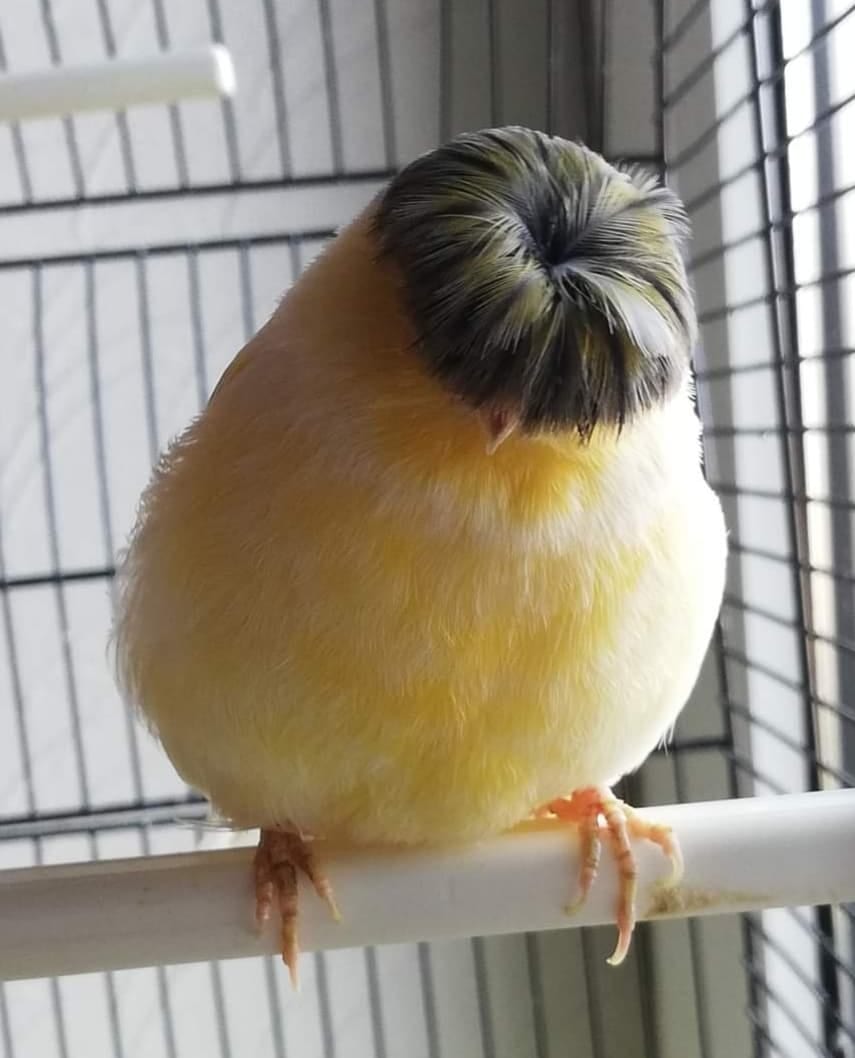
 © LilianBriot / CC BY-SA 4.0
Gloster Canary
The Gloster Canary is a small posture canary developed in England, known for its round, endearing silhouette. It comes in two forms: the "Corona," crowned with a soft circular crest, and the "Consort," which has a plain, uncrested head — the two are traditionally paired in breeding to avoid a lethal genetic combination. Gentle and unassuming in temperament, with a relatively quiet song, the Gloster is often considered approachable for first-time bird keepers, while its compact frame carries surprising charm and presence.
View Gloster Canary encyclopedia →0% commission on your first sales!Register by September 30, 2026 and your first 2 sales are commission-free!
Breeder Wanted!
List on BreederDirect and sell directly to customers nationwide!
Six Transparency Commitments from BreederDirect
All Birds listings include complete Breeder transparency: hand-raised status, DNA sex determination, and health certification details.
- Hand-Raised
- DNA Sex-Determined
- Health Certified
- Origin Disclosed
- Color Variation Specified
- Age in Months Disclosed
Browse all 247 breeds
Care Level
Verified breeders wanted for Birds
Breeders are signing up now ahead of launch. Subscribe to be notified when new listings go live.
Getting alerts is free with a member account. When new listings match your saved search, we'll notify you by email and in-app.
Browse other categories
Verified breeders (preview)
Gloster Canary key facts
- Care level
- Beginner-friendly
- Lifespan
- Around 10 years
- Diet
- Canary-seed-based mix, greens, cuttlebone or oyster grit
- Cage
- House singly in a cage with perches and a bath dish. Position feeders so the crest does not get soiled.
- Temperament
- It tames well, and some birds take food from the keeper's hand without being hand-reared.
- Vocalization
- The song is not as cultivated as in the song breeds, but males sing clearly and at modest volume.
- Notes
- Birds are fragile during the moult, when most losses occur. They are prone to red mite, so keep perches and cage scrupulously clean.
About Gloster Canary
Discover the Gloster Canary, a small English-bred canary known for its crested and plain-headed forms. Learn about its gentle temperament and beginner-friendly care.
7 things to know before welcoming a Gloster Canary
1Corona vs. Consort
Glosters come in two forms: the crested "Corona" and the plain-headed "Consort." Because pairing two crested birds can result in a lethal genetic combination, breeding always requires combining one of each type.
2Cage and perch space
Despite its small size, this bird is quite active, so choose a cage wide enough for short flights and wing stretching. Providing perches of varying thickness helps keep its legs and feet healthy.
3Calm, reserved temperament
Generally calm and not easily startled, with a subdued song. It doesn't tend to bond quickly with people, but it settles in comfortably when given a quiet environment.
4Eye care around the crest
In Corona-type birds, the crest feathers can droop over the eyes, potentially obstructing vision or leading to eye irritation. Make it a habit to regularly check the feather condition around the eyes.
5Diet: seed plus supplements
A canary-specific seed mix should form the base of its diet, supplemented with leafy greens and calcium sources like cuttlebone. Nutritional imbalance can affect feather condition and breeding performance.
6Extra quiet during molting
During molting, the bird's stamina drops and it becomes more sensitive to stress. Keep the cage location and daily routine consistent, and maintain a quiet environment during this period.
7Preparing the environment
Before bringing one home, set up the cage in a quiet spot with stable temperatures, away from direct sunlight and drafts. Give the bird time to adjust to its new surroundings without forcing handling early on.
Frequently asked questions about Gloster Canary
- Q.Is the Corona or Consort easier to keep?
- A.There's no major difference in temperament or general care between the two. However, the crested Corona type needs a bit more regular observation since its crest can droop over the eyes.
- Q.Does the Gloster Canary sing a lot?
- A.Compared to other canaries, its song tends to be relatively subdued and calm. That said, individual birds vary in how often and how loudly they sing.
- Q.Is this bird suitable for beginners?
- A.This species is generally considered beginner-friendly, and can be comfortably kept with basic cage and diet management. Its calm temperament also makes it a good choice for first-time bird owners.
- Q.What is the typical lifespan?
- A.The typical lifespan is around 10 years. Consistent daily health checks and a balanced diet help support a long, healthy life.
- Q.Can it be kept together with other canaries?
- A.Cohabitation with other canaries is sometimes possible depending on compatibility, but territorial behavior can lead to conflict. If housing them together, consider separate cages or introduce them gradually while monitoring closely.
Useful tools for Gloster Canary care
Learn more about Gloster Canary in the encyclopedia
View Gloster Canary encyclopedia entry →
Care difficulty, lifespan, size and diet — all basics covered.
More in this category
Can't find the one you're looking for?
Post your wishes for free and breeders with matching animals will contact you with introductions.