 © Giles Laurent / CC BY-SA 4.0
Common Kestrel
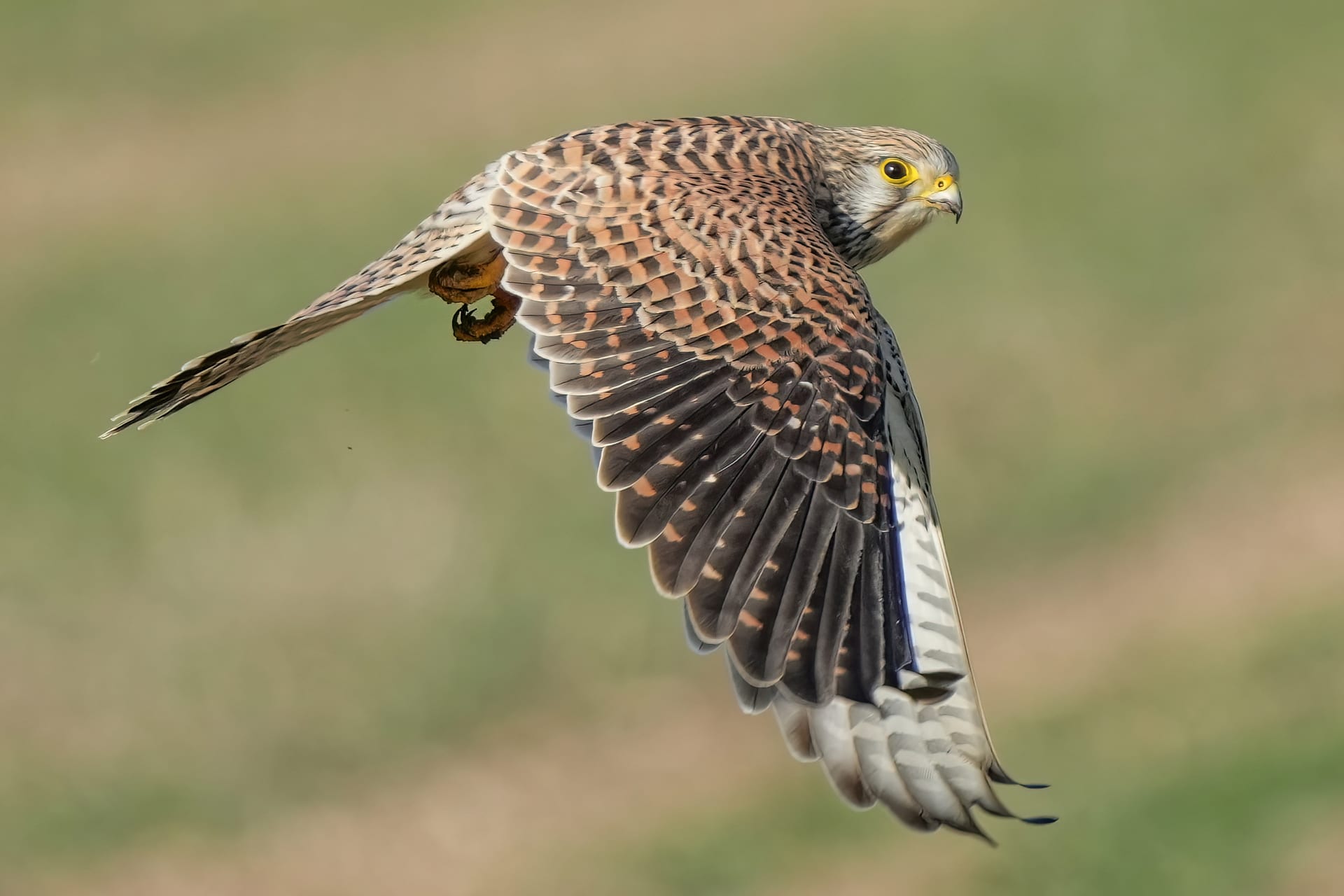
The Common Kestrel is a small falcon with the longest tail of any species in the falcon family. Its reddish-brown upperparts are marked with black spots, and males develop a striking blue-gray head and tail, a color difference between the sexes that's part of the bird's appeal. One of its most memorable behaviors is hovering in place mid-air while scanning the ground for prey, a hunting style considered especially distinctive among raptors. In Japan, only captive-bred birds are available, so there's no chance of confusion with wild-caught individuals. At the same time, kestrels are naturally wary and require specialized raptor-handling knowledge and equipment, making this a species best suited to experienced keepers who understand its needs before bringing one home.
View Common Kestrel encyclopedia →0% commission on your first sales!Register by September 30, 2026 and your first 2 sales are commission-free!
Breeder Wanted!
List on BreederDirect and sell directly to customers nationwide!
Six Transparency Commitments from BreederDirect
All Birds listings include complete Breeder transparency: hand-raised status, DNA sex determination, and health certification details.
- Hand-Raised
- DNA Sex-Determined
- Health Certified
- Origin Disclosed
- Color Variation Specified
- Age in Months Disclosed
Browse all 247 breeds
Care Level
Verified breeders wanted for Birds
Breeders are signing up now ahead of launch. Subscribe to be notified when new listings go live.
Getting alerts is free with a member account. When new listings match your saved search, we'll notify you by email and in-app.
Browse other categories
Verified breeders (preview)
Common Kestrel key facts
- Care level
- Advanced
- Lifespan
- 12-15 years
- Size
- 32-39cm (wingspan 65-82cm; males 136-252g averaging 155g, females 154-314g averaging 184g)
- Diet
- Frozen raptor food such as mice, quail and day-old chicks; in the wild rodents, small birds and insects
- Cage
- Though small it still needs a weather-proof, predator-proof mews or tethered housing. As a bird that hovers and glides, it requires space and perch placement that spare the feathers.
- Temperament
- It lives singly or in pairs and has no group sociability. Its small body mass leaves little margin in condition management, so daily weighing and adjustment of rations are essential.
- Vocalization
- It calls with a shrill repeated kee-kee-kee, the ringing sound behind its specific epithet, and calls readily when excited or waiting for food.
- Notes
- The species occurs wild in Japan, where taking, keeping or transferring wild birds is not permitted under the wildlife protection law; only captive-bred birds, domestic or imported, are traded, so check provenance.
About Common Kestrel
The Common Kestrel is a small raptor with the falcon family's longest tail, known for reddish-brown, black-spotted plumage and hovering flight. Only captive-bred birds are distributed in Japan, making this an advanced-level species for experienced keepers.
7 things to know before welcoming a Common Kestrel
1Why It's Advanced-Level
Common Kestrels require specialized raptor-handling knowledge and equipment, which is why they're considered a species for experienced keepers. Consulting an experienced raptor handler or breeder before bringing one home is strongly recommended.
2Housing Space
A spacious enclosure with room to fly and a proper perch setup is essential. Without enough space to spread their wings freely, kestrels can become stressed.
3Telling Males from Females
Males develop a blue-gray head and tail, while females keep an overall reddish-brown plumage. Females also tend to be noticeably larger than males.
4A Naturally Wary Temperament
Kestrels are cautious by nature, even in captivity, so building trust takes time and patience. Avoid pushing too close too quickly and let the relationship develop gradually.
5How Kestrels Are Sourced
Only captive-bred birds are distributed in Japan; wild-caught individuals are not sold. Bringing one home means working with a reputable breeder.
6Hovering Flight and Exercise
Hovering in place while scanning for prey is the kestrel's signature behavior. Daily flight opportunities help the bird maintain this natural instinct.
7Veterinary Care
Few veterinary clinics are equipped to treat raptors, so it's important to find one in advance. Daily observation also helps you catch changes in condition early.
Frequently asked questions about Common Kestrel
- Q.Is the Common Kestrel suitable for beginners?
- A.No, this species requires specialized raptor-handling knowledge and equipment, so it's considered a bird for experienced keepers. It's best to consult an experienced handler or breeder before getting started.
- Q.How can you tell males and females apart?
- A.Males develop a blue-gray head and tail, while females keep an overall reddish-brown plumage. Females also tend to be somewhat larger than males.
- Q.Can I keep a wild kestrel I found?
- A.Only captive-bred birds are distributed in Japan. Wild-caught individuals are not available on the market.
- Q.How large do Common Kestrels grow?
- A.They reach about 32-39 cm in body length, with a wingspan of 65-82 cm. Males typically weigh 136-252 g and females 154-314 g.
- Q.Are they easy to tame?
- A.Kestrels are naturally wary birds of prey, so taming takes time and patience. Building trust gradually, without rushing, is key.
Useful tools for Common Kestrel care
Learn more about Common Kestrel in the encyclopedia
View Common Kestrel encyclopedia entry →
Care difficulty, lifespan, size and diet — all basics covered.
More in this category
Can't find the one you're looking for?
Post your wishes for free and breeders with matching animals will contact you with introductions.