 © Carlos Delgado / CC BY-SA 4.0
Peregrine Falcon
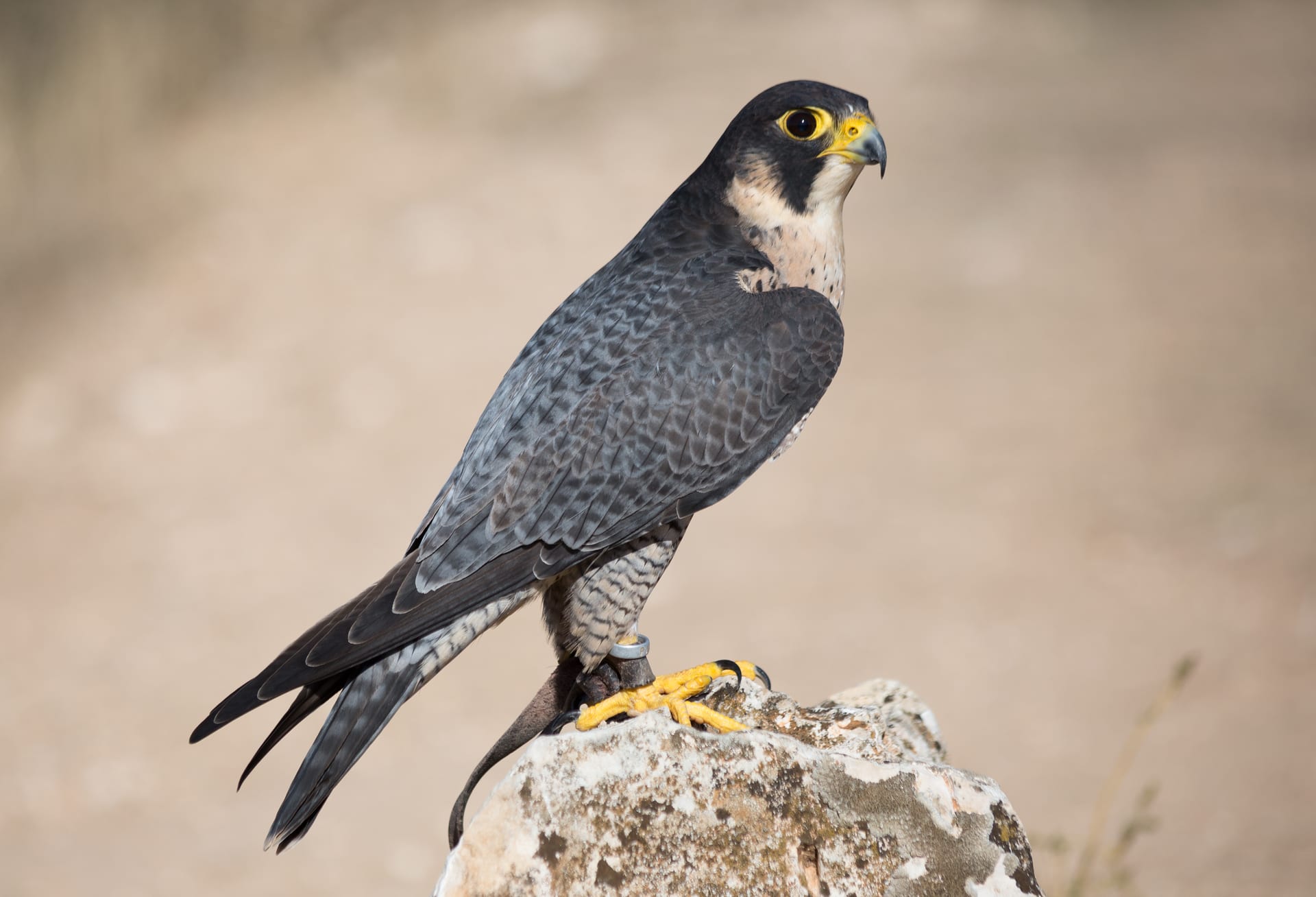
The Peregrine Falcon is famous worldwide as one of the fastest animals in a dive, reaching remarkable speeds as it stoops toward prey from high above. It has a slate-blue back, a barred white underside, and a striking black head that give it a sharp, commanding presence. Females grow noticeably larger than males, with some individuals spanning over a meter wingtip to wingtip. Intelligent and highly alert, this falcon needs an experienced handler with patience and specialized knowledge to build trust. Keeping one is genuinely demanding, but the bond formed with such a powerful, focused bird of prey is deeply rewarding, and watching it survey its surroundings up close is an experience few other animals can offer.
View Peregrine Falcon encyclopedia →0% commission on your first sales!Register by September 30, 2026 and your first 2 sales are commission-free!
Breeder Wanted!
List on BreederDirect and sell directly to customers nationwide!
Six Transparency Commitments from BreederDirect
All Birds listings include complete Breeder transparency: hand-raised status, DNA sex determination, and health certification details.
- Hand-Raised
- DNA Sex-Determined
- Health Certified
- Origin Disclosed
- Color Variation Specified
- Age in Months Disclosed
Browse all 247 breeds
Care Level
Verified breeders wanted for Birds
Breeders are signing up now ahead of launch. Subscribe to be notified when new listings go live.
Getting alerts is free with a member account. When new listings match your saved search, we'll notify you by email and in-app.
Browse other categories
Verified breeders (preview)
Peregrine Falcon key facts
- Care level
- Advanced
- Lifespan
- 15-20 years
- Size
- Males 38-45cm and females 46-51cm (wingspan 84-120cm, 0.5-1.3kg; females up to 30% larger than males)
- Diet
- Frozen raptor food such as quail, day-old chicks and pigeon; in the wild mainly birds taken in flight
- Cage
- It needs a weather-proof, predator-proof mews of adequate size or tethered housing plus daily free flight. As a bird built for speed, space and perch surfaces that spare the feathers and feet matter especially.
- Temperament
- A solitary hunter with no group sociability. Highly trainable and long prized in falconry, it nonetheless demands sustained, precise weight management and manning.
- Vocalization
- When excited or defending a nest it gives a sharp repeated kak-kak-kak. It is not a persistent caller, but the voice is piercing.
- Notes
- CITES Appendix I. The Japanese subspecies japonensis is a nationally endangered species that may in principle not be taken or transferred, while other subspecies are internationally endangered species that may be transferred or sold with a registration certificate. Always check the certificate, the subspecies and the provenance.
About Peregrine Falcon
Peregrine Falcon: a large falcon famed for its high-speed hunting dives, with a slate-blue back, barred white underside, and black head. Females grow larger than males. An advanced-level species requiring experienced handling.
7 things to know before welcoming a Peregrine Falcon
1Plenty of Flight Space
Peregrine Falcons are built to fly fast across open skies, so they need spacious, secure housing both indoors and outdoors along with sturdy perches. Consider a proper flight enclosure and outdoor exercise areas as part of the setup.
2Best Suited to Experts
This species has an advanced care difficulty and suits keepers already experienced with birds of prey. Daily management and training call for specialized knowledge, making it a challenging choice for a first-time bird owner.
3Alert, Watchful Temperament
Highly intelligent and observant, Peregrine Falcons are also naturally wary and can be sensitive. Building trust takes time, and that patient relationship-building is key to a good long-term bond.
4Males and Females Differ in Size
Males measure roughly 38–45 cm while females run larger at 46–51 cm, with a wingspan reaching 84–120 cm. Since females grow noticeably bigger, plan your housing around their full adult size.
5Exercise for Natural Instincts
This falcon has a strong instinct to stoop and chase prey, so regular opportunities for exercise support its physical and mental well-being. A lack of activity can lead to stress or behavioral issues.
6Diet Suited to a Carnivore
As a carnivorous bird of prey, it needs a nutritionally balanced diet fed in appropriate amounts and frequency. Adjust the feeding plan to match the individual bird's condition.
7Line Up Expert Support
Before bringing one home, it helps to have a veterinarian experienced with birds of prey and knowledgeable keepers you can turn to. Regular health observation at home is also essential for catching changes early.
Frequently asked questions about Peregrine Falcon
- Q.Is a Peregrine Falcon suitable for beginners?
- A.Peregrine Falcons are considered an advanced-level species to keep. They're a demanding first bird for anyone new to birds of prey, so working alongside an experienced keeper is strongly recommended.
- Q.Do males and females differ in size?
- A.Yes, females grow larger than males. Males reach about 38–45 cm while females reach 46–51 cm, making females up to around 30% bigger.
- Q.How fast can a Peregrine Falcon fly?
- A.Peregrine Falcons are famous worldwide for their speed when stooping steeply toward prey. This dramatic hunting style is one of the species' most distinctive traits.
- Q.Can it be left alone for long periods?
- A.Peregrine Falcons need daily exercise and attentive observation, so they aren't suited to being left alone for extended stretches. Make sure your schedule allows enough time for consistent daily care.
- Q.What should I prepare before bringing one home?
- A.You'll need spacious, secure housing with proper perches, plus a relationship with a veterinarian experienced in birds of prey. Consulting knowledgeable keepers as you prepare is also a good idea.
Useful tools for Peregrine Falcon care
Learn more about Peregrine Falcon in the encyclopedia
View Peregrine Falcon encyclopedia entry →
Care difficulty, lifespan, size and diet — all basics covered.
More in this category
Can't find the one you're looking for?
Post your wishes for free and breeders with matching animals will contact you with introductions.