Source: Wikimedia Commons
Peregrine Falcon
AdvancedFalco peregrinus
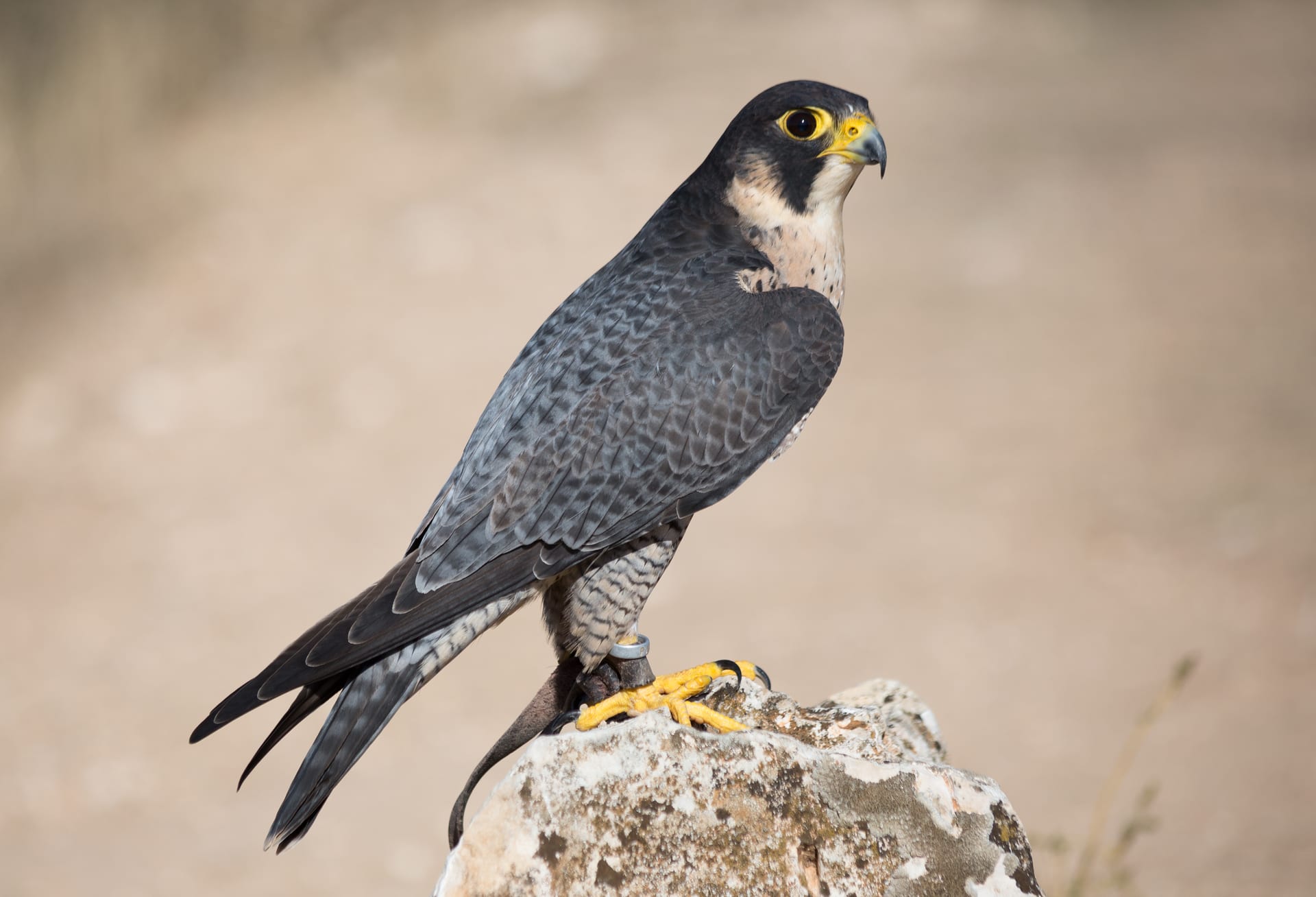
A large falcon famed for the speed of its stoop, with a blue-grey back, barred white underparts and a black head. It is CITES Appendix I, so transfer or sale requires a registration certificate, and the Japanese subspecies japonensis is listed as nationally endangered.
Difficulty
Advanced
Temperature
15〜30℃
Lifespan
15-20 years
Size
Males 38-45cm and females 46-51cm (wingspan 84-120cm, 0.5-1.3kg; females up to 30% larger than males)
Humidity
40〜60%
Diet
Frozen raptor food such as quail, day-old chicks and pigeon; in the wild mainly birds taken in flight
About
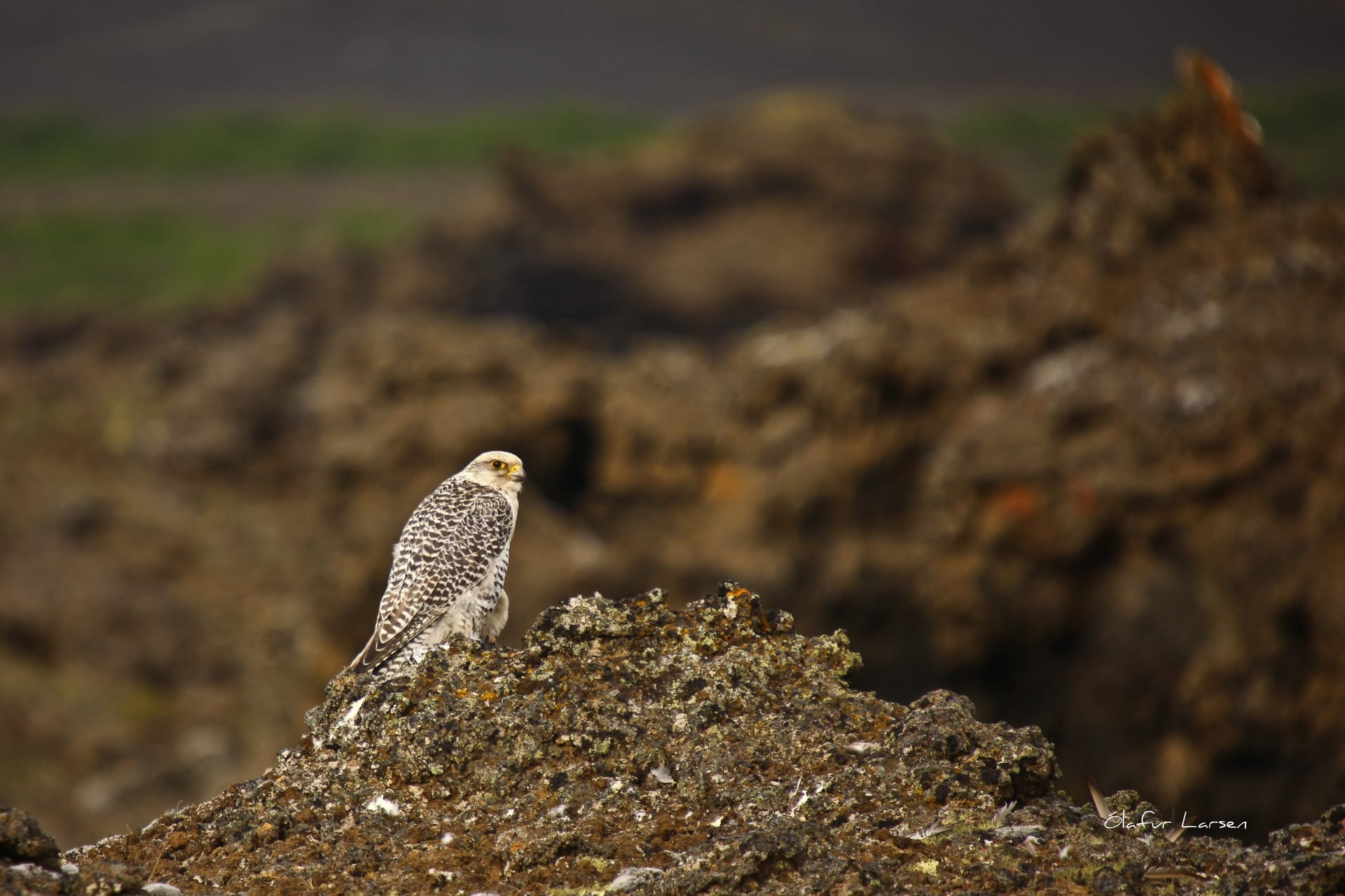
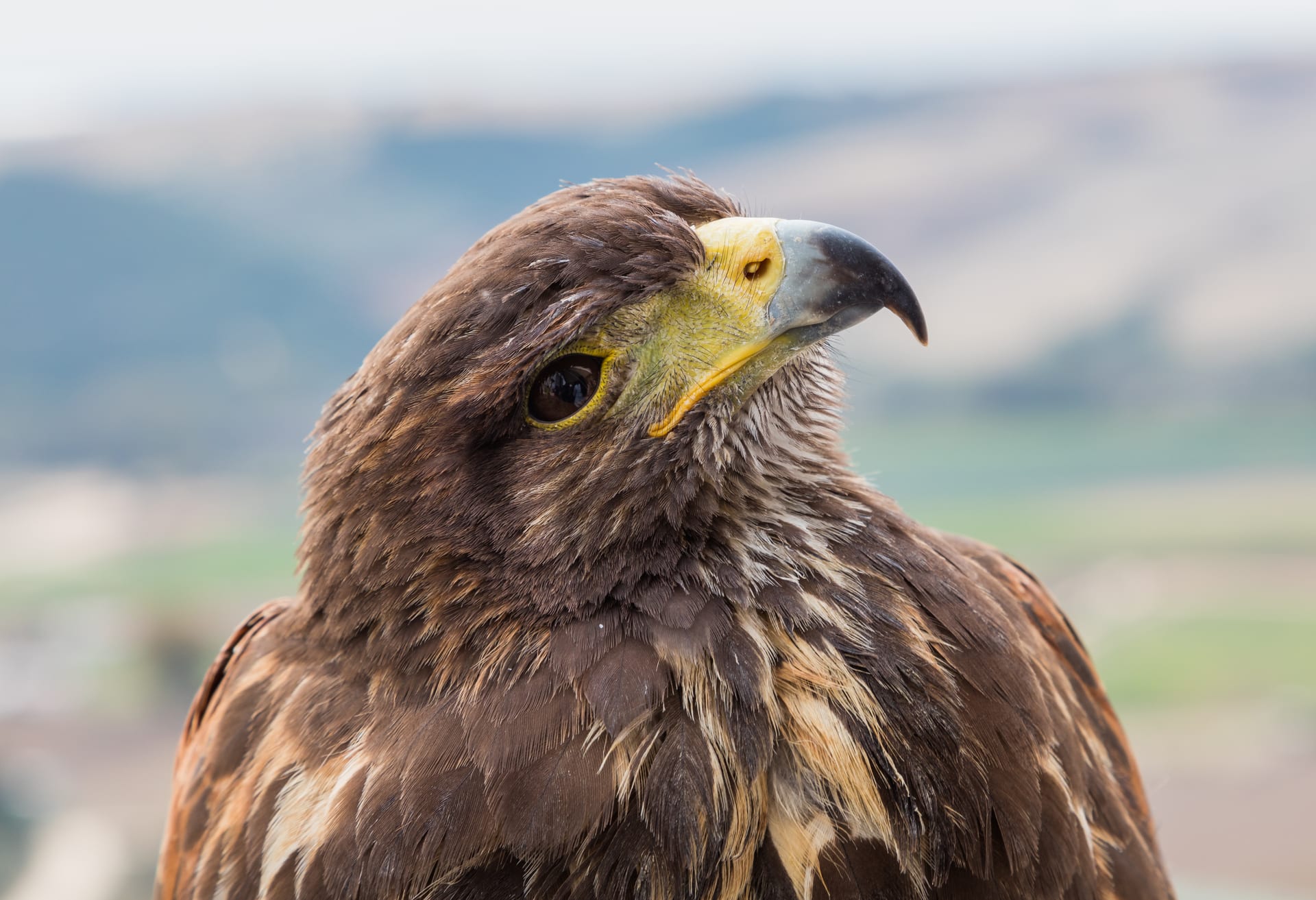
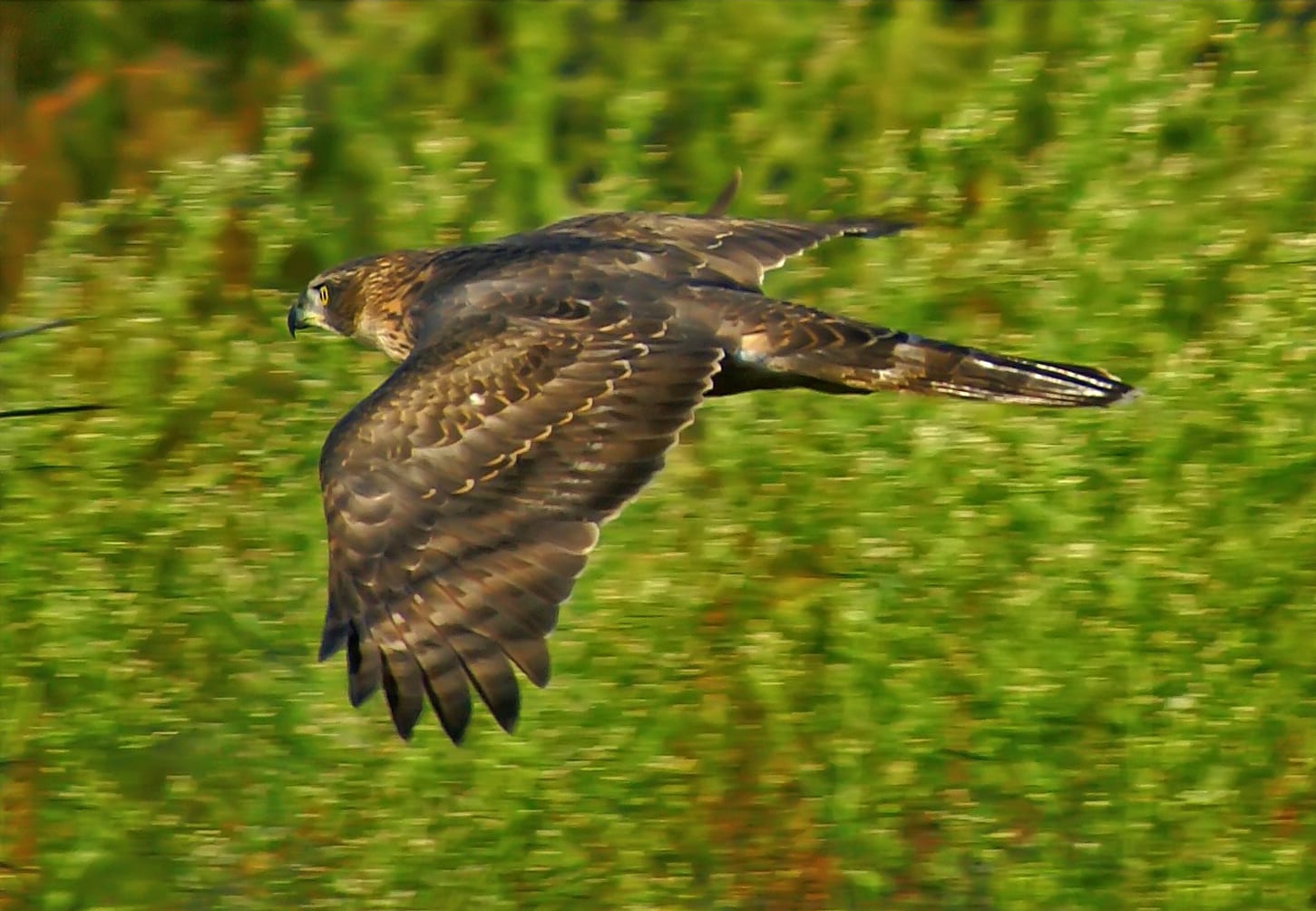
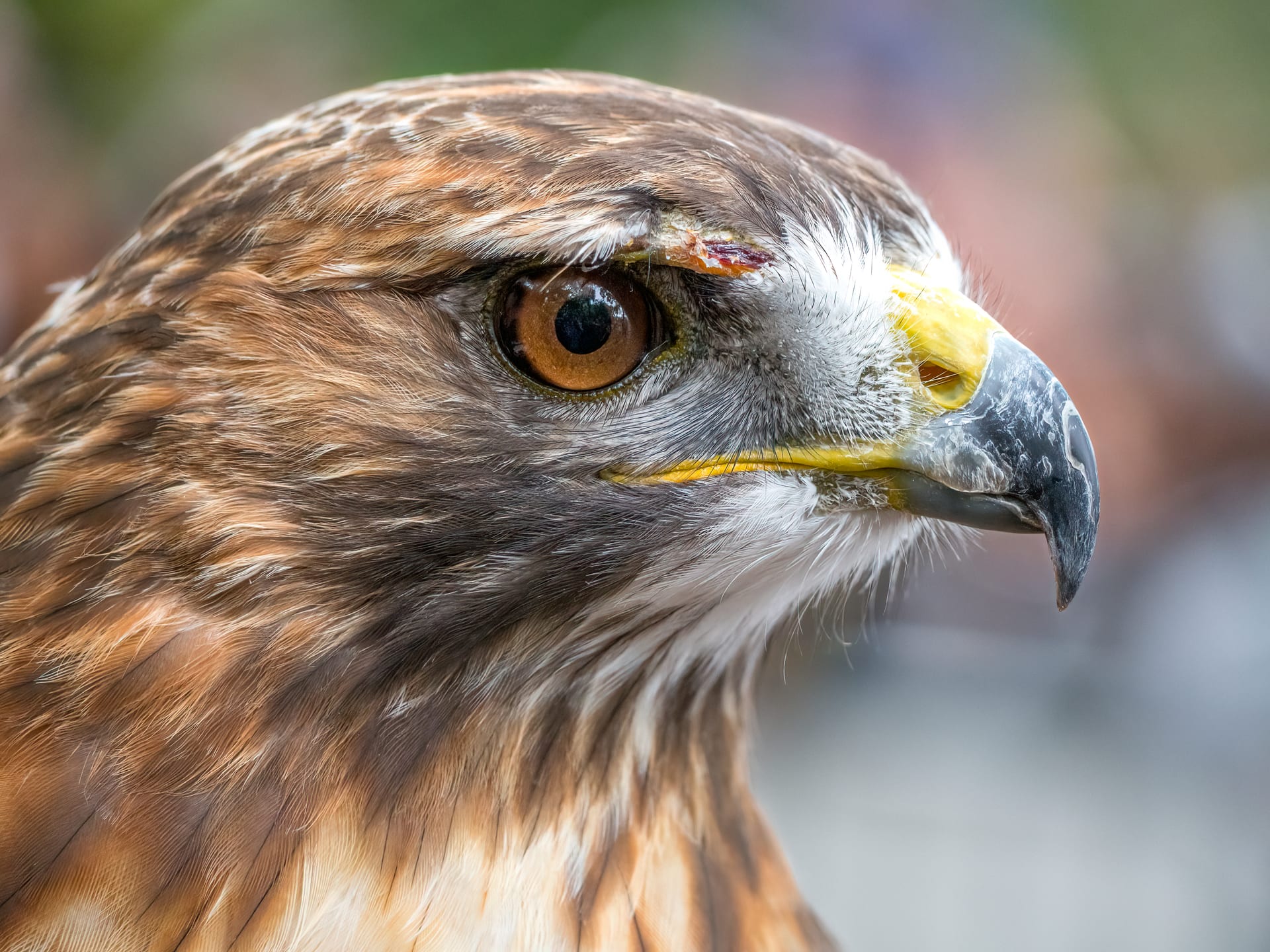
The peregrine falcon (Falco peregrinus) occurs worldwide except Antarctica and is divided into nineteen subspecies; the name peregrine means wanderer, and the bird lives everywhere from desert and tundra to city centres. The head is black with a black malar stripe, the upperparts blue-black, the throat and underparts white with dark barring across breast and flanks; eyelids and cere are yellow and the iris dark brown. In its characteristic stoop it climbs high and dives steeply, striking one wing of its prey so as not to injure itself, and small bony tubercles in the nostrils are thought to manage the airflow and spare the lungs. In 1999 a bird named Frightful was recorded at 320 km/h, entering the Guinness records as the fastest bird in a dive. Organochlorine pesticides, especially DDT, caused steep declines from the 1950s to the 1970s, after which the DDT ban, protection of nest sites and releases brought recovery. In Japan the subspecies japonensis is listed as a nationally endangered species.
Source: Wikipedia (CC BY-SA 4.0)
Lifespan of the Peregrine Falcon
The Peregrine Falcon lives 15-20 years.
Size of the Peregrine Falcon
The Peregrine Falcon grows to Males 38-45cm and females 46-51cm (wingspan 84-120cm, 0.5-1.3kg; females up to 30% larger than males).
Males are 38-45 cm long and females 46-51 cm, with a wingspan of 84-120 cm and a weight of 0.5-1.3 kg, the female up to 30 per cent larger though identically marked.
Basic Info
Origin
Worldwide except Antarctica; in Japan the subspecies japonensis is resident from Kyushu northwards, with birds arriving nationwide in winter
Care Specifications
AggressiveSolitary
Sources: Wikipedia - Peregrine falcon / Wikipedia - Peregrine falcon, Japanese edition (morphology, range, legal status)
References & Sources
Edited & verified by: BreederDirect editorial team
The taxonomic, regulatory, and husbandry data on this page are compiled and verified against the authoritative primary sources below.
Primary sources
- Wikipedia
- CITES Appendices (Appendix I species)
- IUCN Red List
- Cabinet Order under the Act on Welfare and Management of Animals, appended table (designated dangerous animals)
- Wildlife Protection, Control and Hunting Management Act (Ministry of the Environment, Japan)
- Cabinet Order under Japan's Act on Conservation of Endangered Species of Wild Fauna and Flora, appended tables 1 and 2
- Wikipedia - Peregrine falcon, Japanese edition (morphology, range, legal status)
- GBIF
Taxonomy & Authority
Accepted name: Falco peregrinus Tunstall, 1771
Synonyms: Falco communis
Authority databases: GBIF
Nomenclature follows global taxonomic authority databases.
Regulations & Conservation Status
CITES Appendix IIUCN LC · Least Concern
Domestic law: The Japanese subspecies japonensis is listed as a nationally endangered species, so taking or transferring it is in principle not permitted. Other subspecies are internationally endangered species that may be transferred or sold with a registration certificate, and only captive-bred birds, domestic or imported, are traded.
Falco peregrinus. CITES Appendix I. Under appended table 2 of Japan's endangered species order, birds other than the subspecies anatum, babylonicus, japonensis and tundrius are internationally endangered species that may be transferred or sold with a registration certificate. The Japanese subspecies japonensis is listed in appended table 1 as a nationally endangered species, so taking or transferring it is in principle not permitted. It is not among Japan's designated dangerous animals.
Sources: CITES Appendices (Appendix I species) / IUCN Red List / Cabinet Order under the Act on Welfare and Management of Animals, appended table (designated dangerous animals) / Wildlife Protection, Control and Hunting Management Act (Ministry of the Environment, Japan) / Cabinet Order under Japan's Act on Conservation of Endangered Species of Wild Fauna and Flora, appended tables 1 and 2
Regulations may change. Always verify the latest information with the relevant authorities.
Peregrine Falcon Listings
Loading latest listingsFind listings for this species