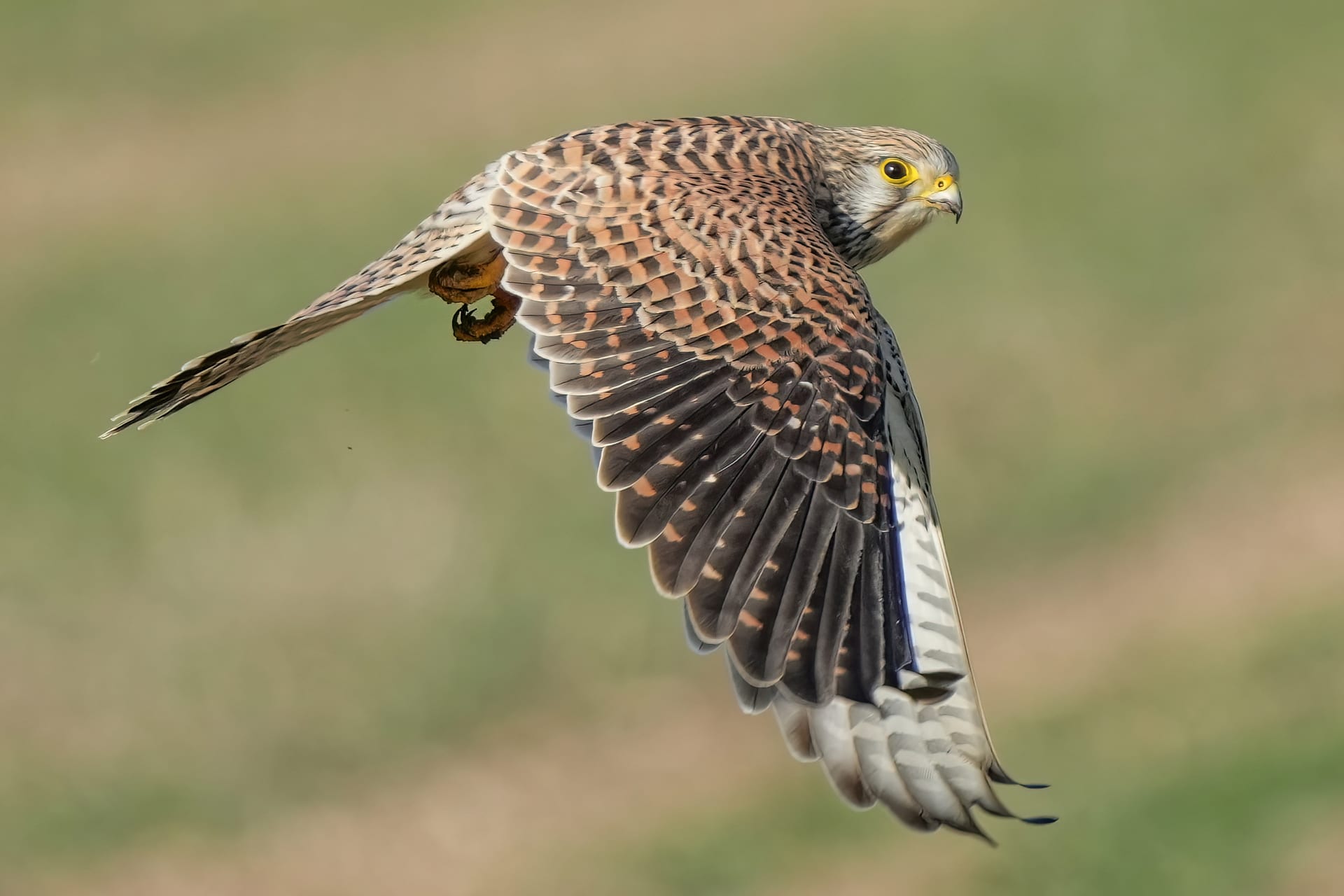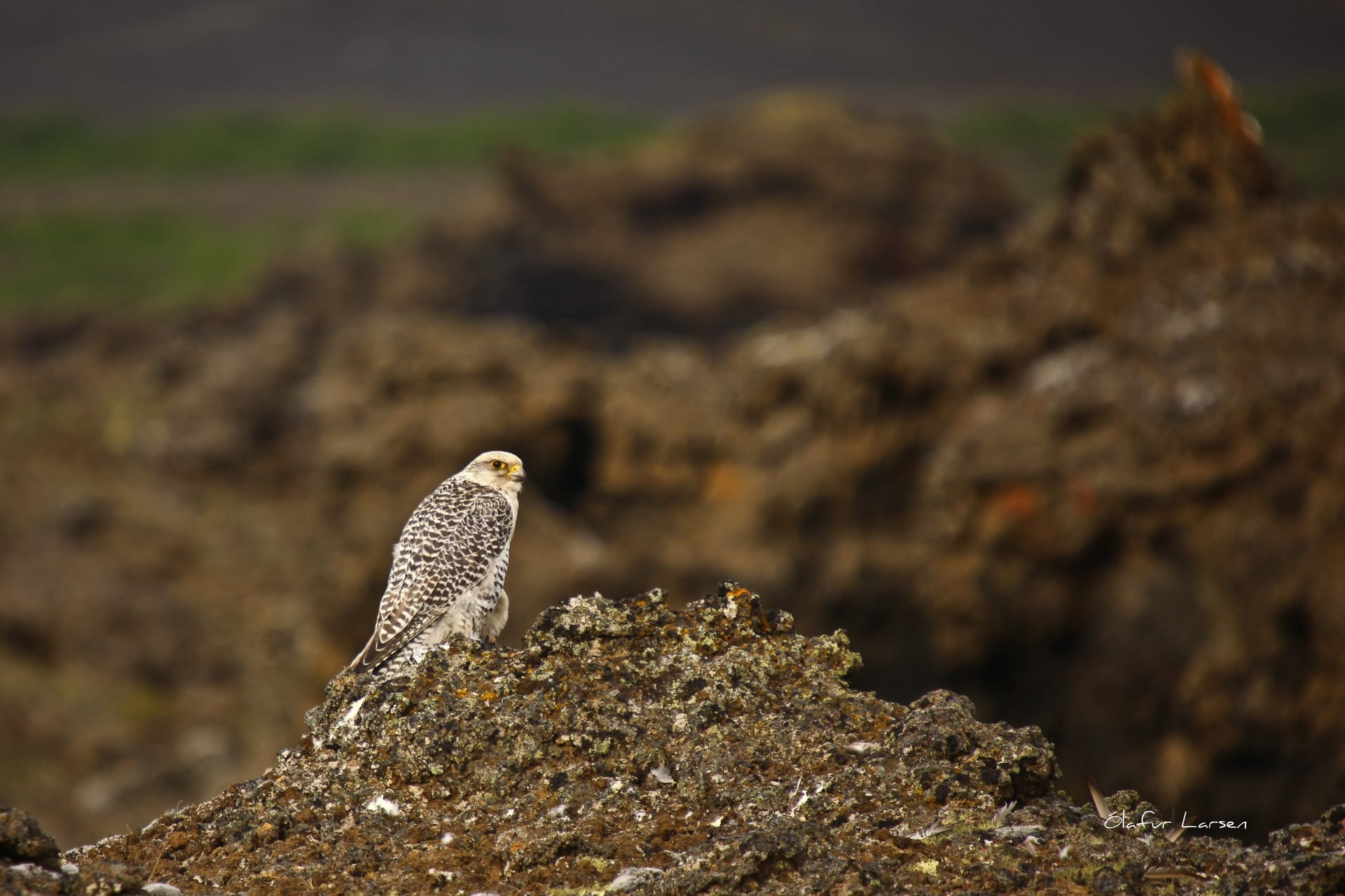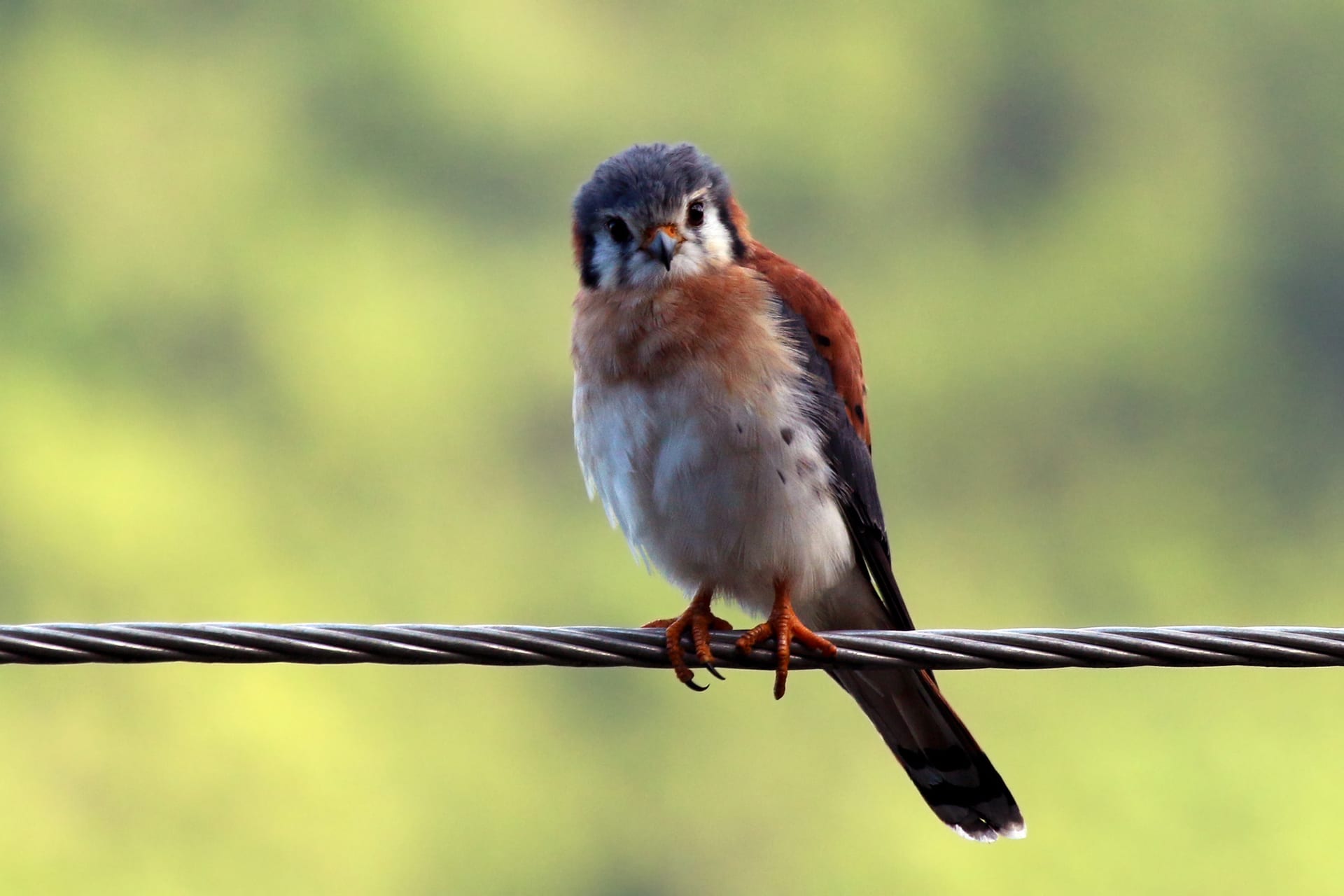
Source: Wikimedia Commons
American Kestrel
AdvancedFalco sparverius
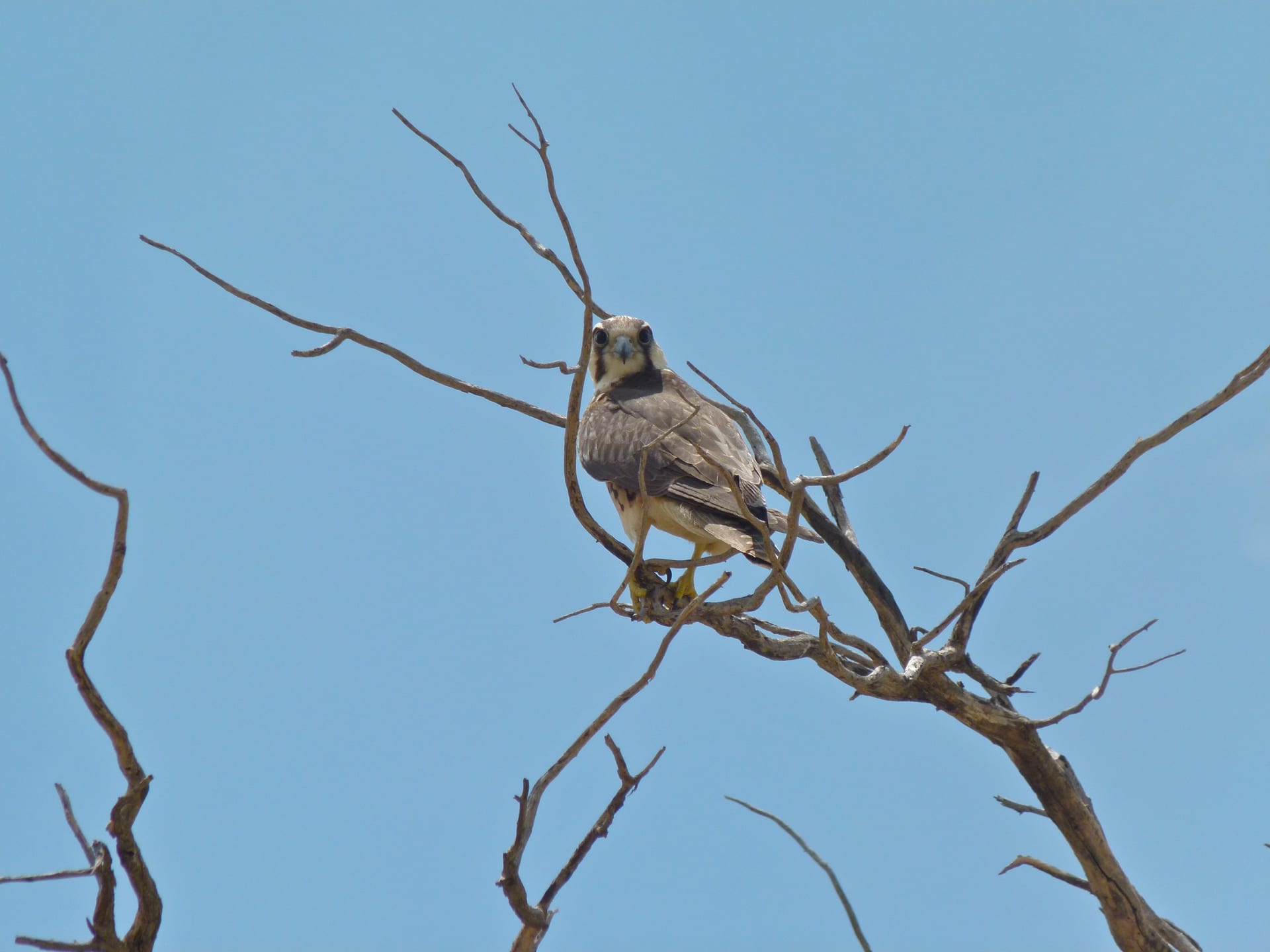
The smallest raptor in the Americas, with a rufous barred back and blue-grey wings in the male. Its small size and manageability make it a common beginner's bird in falconry. Seventeen subspecies are known, and females are somewhat larger than males.
Difficulty
Advanced
Temperature
15〜30℃
Lifespan
10-15 years
Size
22-31cm (wingspan 51-61cm; males 80-143g, females 86-165g)
Humidity
40〜60%
Diet
Frozen raptor food such as mice and day-old chicks; in the wild insects, small birds, rodents and reptiles
About
The American kestrel (Falco sparverius) is a small falcon of the Americas and, under traditional terminology, the smallest raptor there. It occurs almost throughout North and South America apart from the Arctic fringes and the densest Amazon rainforest, and has evolved into seventeen subspecies. Both sexes have a rufous, barred back, but the male has blue-grey wings. The bird is leaner than the larger falcons, its flight muscles making up about 12 per cent of body weight against roughly 20 per cent in a peregrine. Most birds breeding in Canada and the northern United States migrate south for the winter, and the species is an occasional vagrant to western Europe. Small and tractable, it is widely used as a beginner's falconry bird: with proper training and weight control it takes birds of sparrow and starling size, occasionally prey approaching twice its own weight, though the fine weight management needed to keep it keen takes skill.
Source: Wikipedia (CC BY-SA 4.0)
Lifespan of the American Kestrel
The American Kestrel lives 10-15 years.
Size of the American Kestrel
The American Kestrel grows to 22-31cm (wingspan 51-61cm; males 80-143g, females 86-165g).
It is 22-31 cm long with a wingspan of 51-61 cm; males weigh 80-143 g and females 86-165 g, the female being typically 10-15 per cent larger within a subspecies.
Basic Info
Origin
Throughout North and South America, except the Arctic fringes of North America and the densest Amazon rainforest
Lifespan
10-15 years
Care Specifications
Semi-aggressiveSolitary
Sources: Wikipedia - American kestrel
References & Sources
Edited & verified by: BreederDirect editorial team
The taxonomic, regulatory, and husbandry data on this page are compiled and verified against the authoritative primary sources below.
Taxonomy & Authority
Accepted name: Falco sparverius Linnaeus, 1758
Authority databases: GBIF
Nomenclature follows global taxonomic authority databases.
Regulations & Conservation Status
CITES Appendix IIIUCN LC · Least Concern
Falco sparverius. Covered by the order-level listing of Falconiformes in CITES Appendix II, so international trade requires an export permit. It is not among Japan's designated dangerous animals.
Sources: CITES Appendices (Appendix II) / IUCN Red List / Cabinet Order under the Act on Welfare and Management of Animals, appended table (designated dangerous animals)
Regulations may change. Always verify the latest information with the relevant authorities.
American Kestrel Listings
Loading latest listingsFind listings for this species