Source: Wikimedia Commons
Common Kestrel
AdvancedFalco tinnunculus
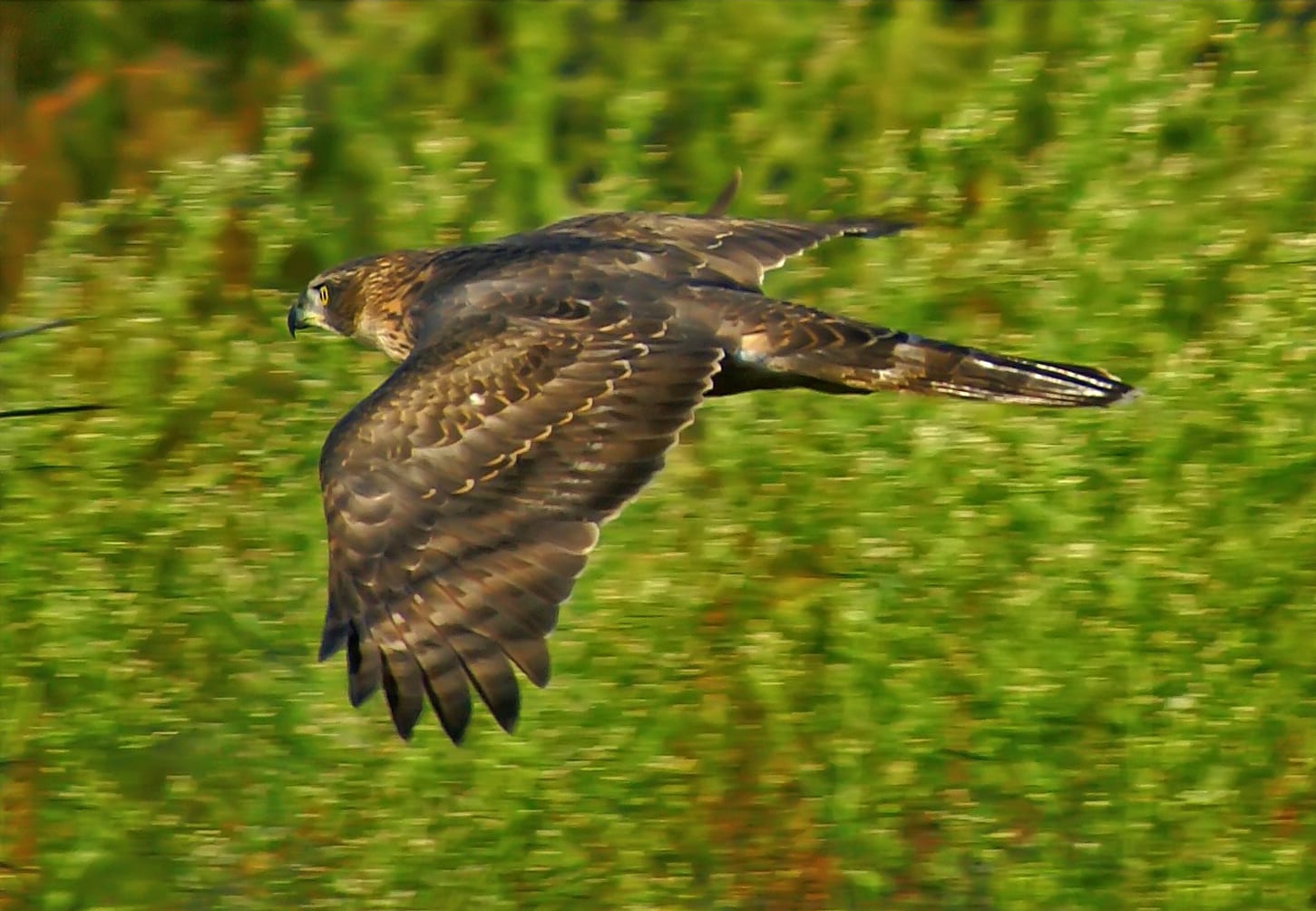
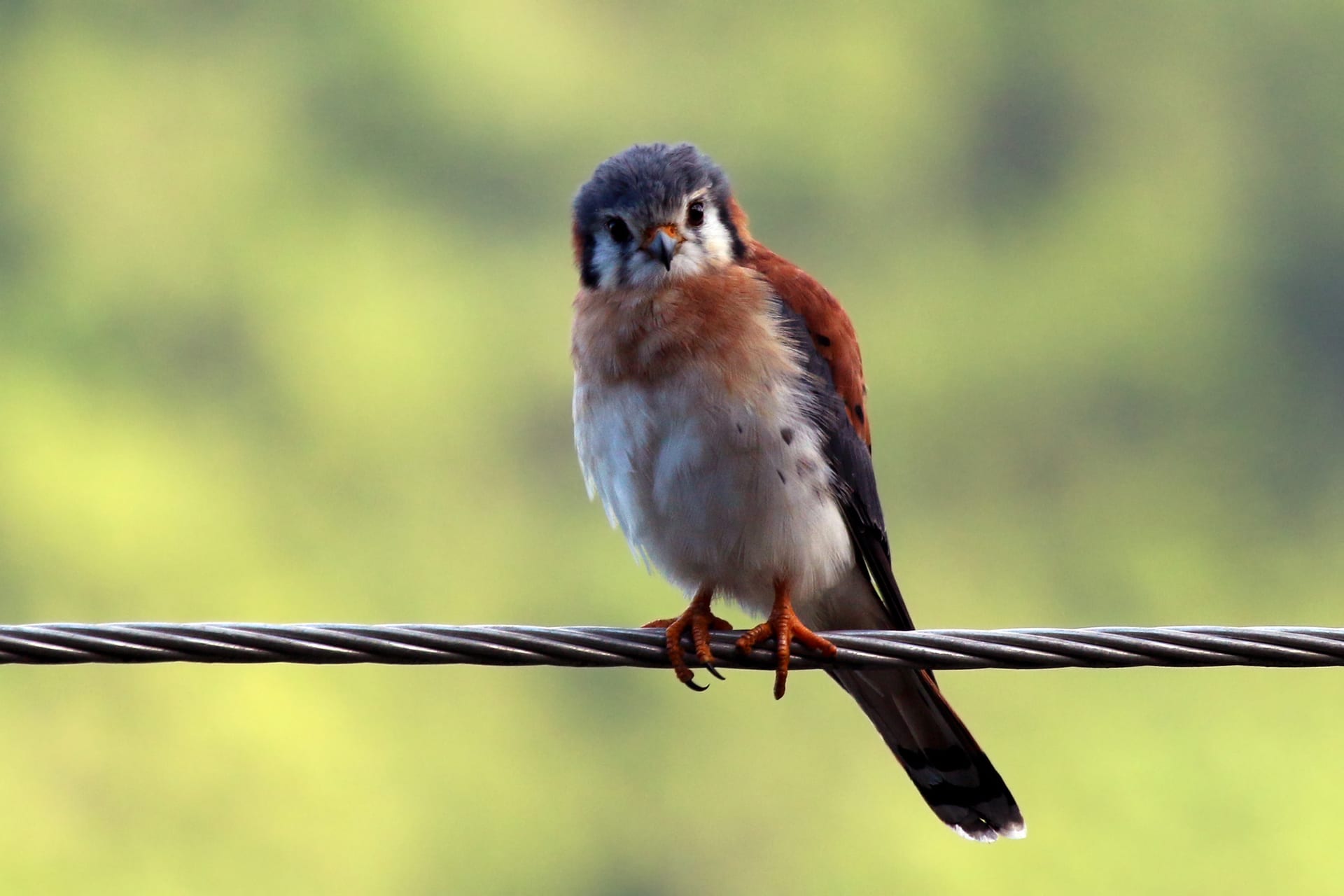
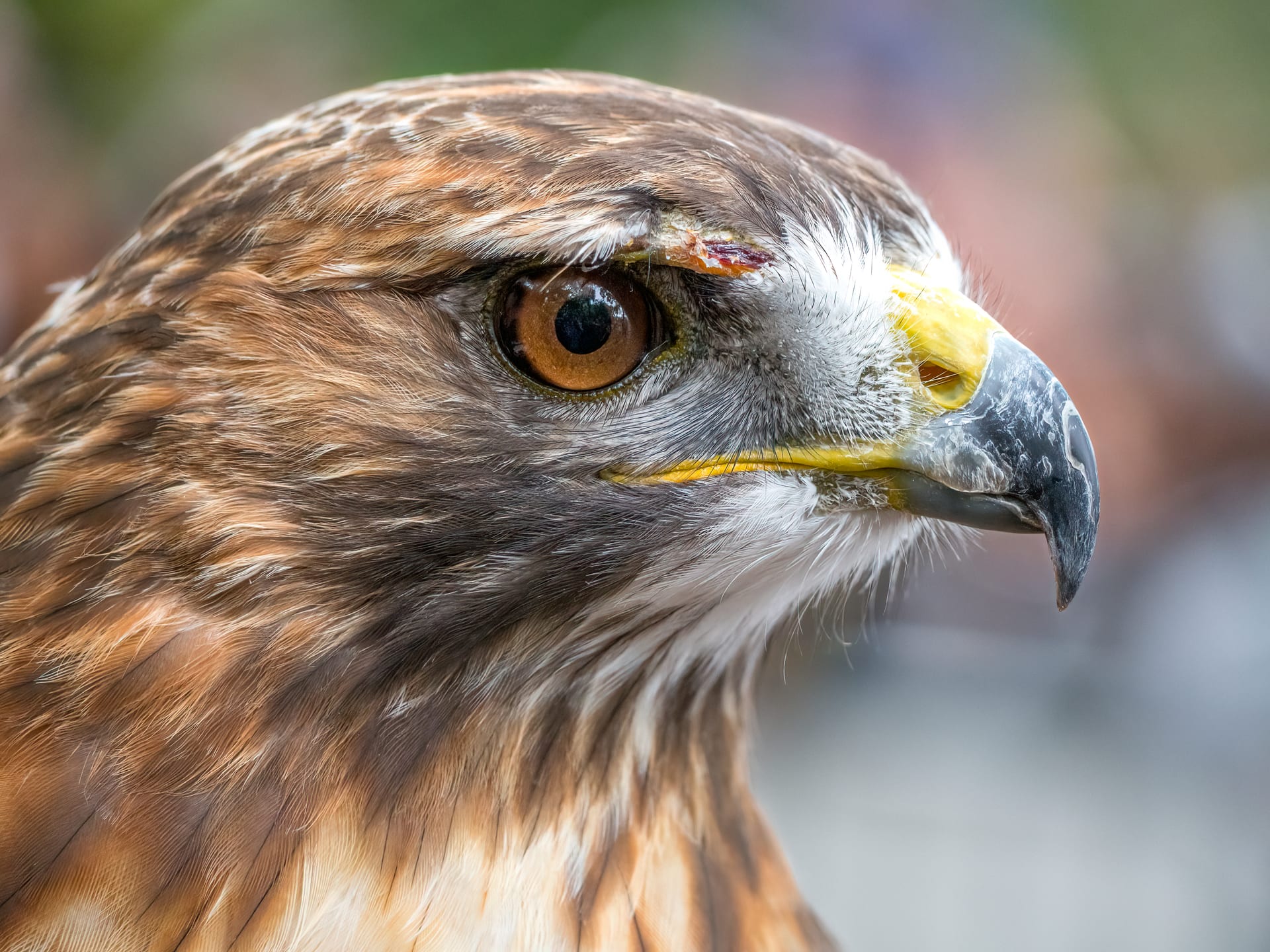
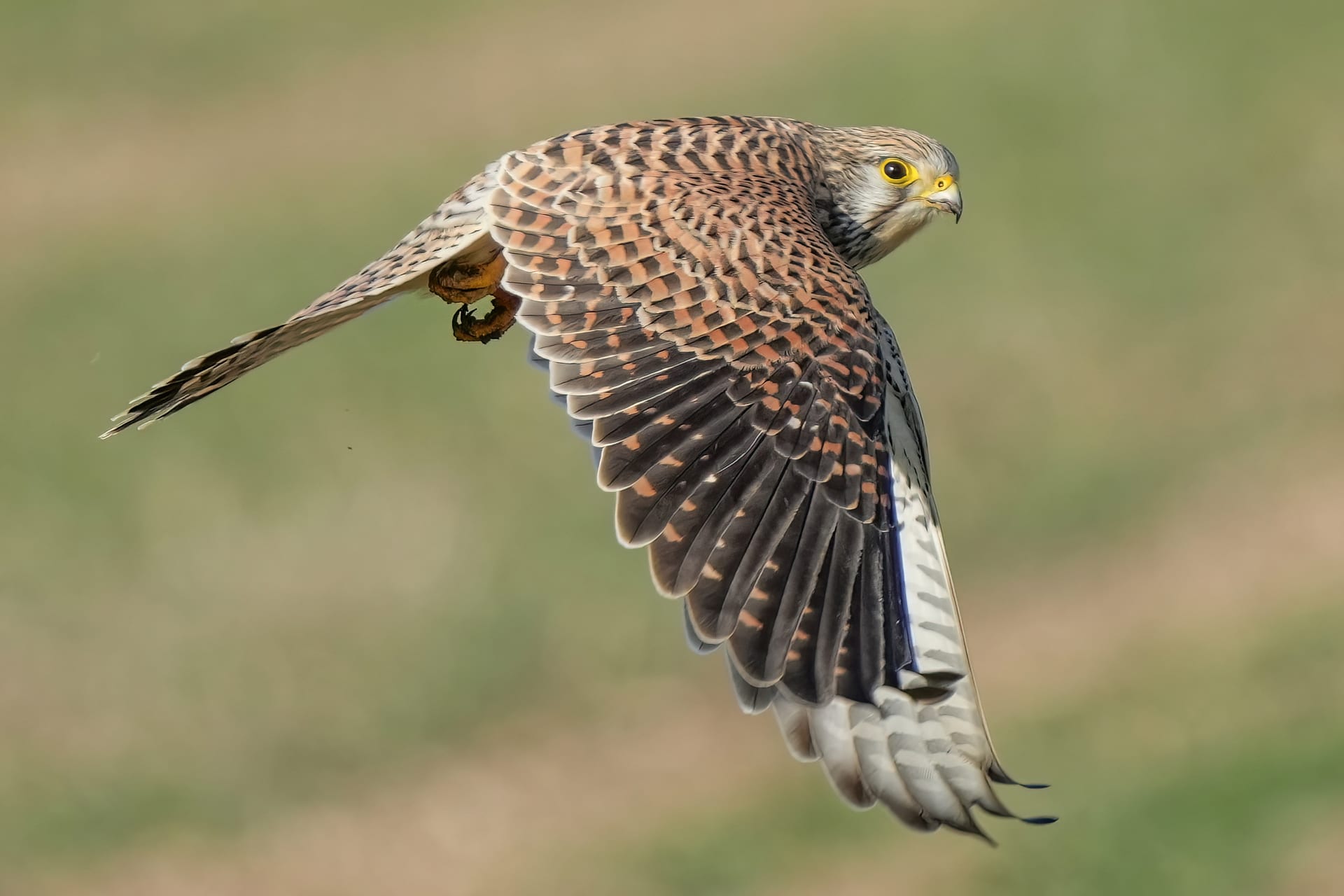
A small falcon with rufous, black-spotted upperparts and the longest tail in its family, known for hovering while searching for prey. In Japan only captive-bred birds are traded. The male has a blue-grey head and tail.
Difficulty
Advanced
Temperature
15〜30℃
Lifespan
12-15 years
Size
32-39cm (wingspan 65-82cm; males 136-252g averaging 155g, females 154-314g averaging 184g)
Humidity
40〜60%
Diet
Frozen raptor food such as mice, quail and day-old chicks; in the wild rodents, small birds and insects
About
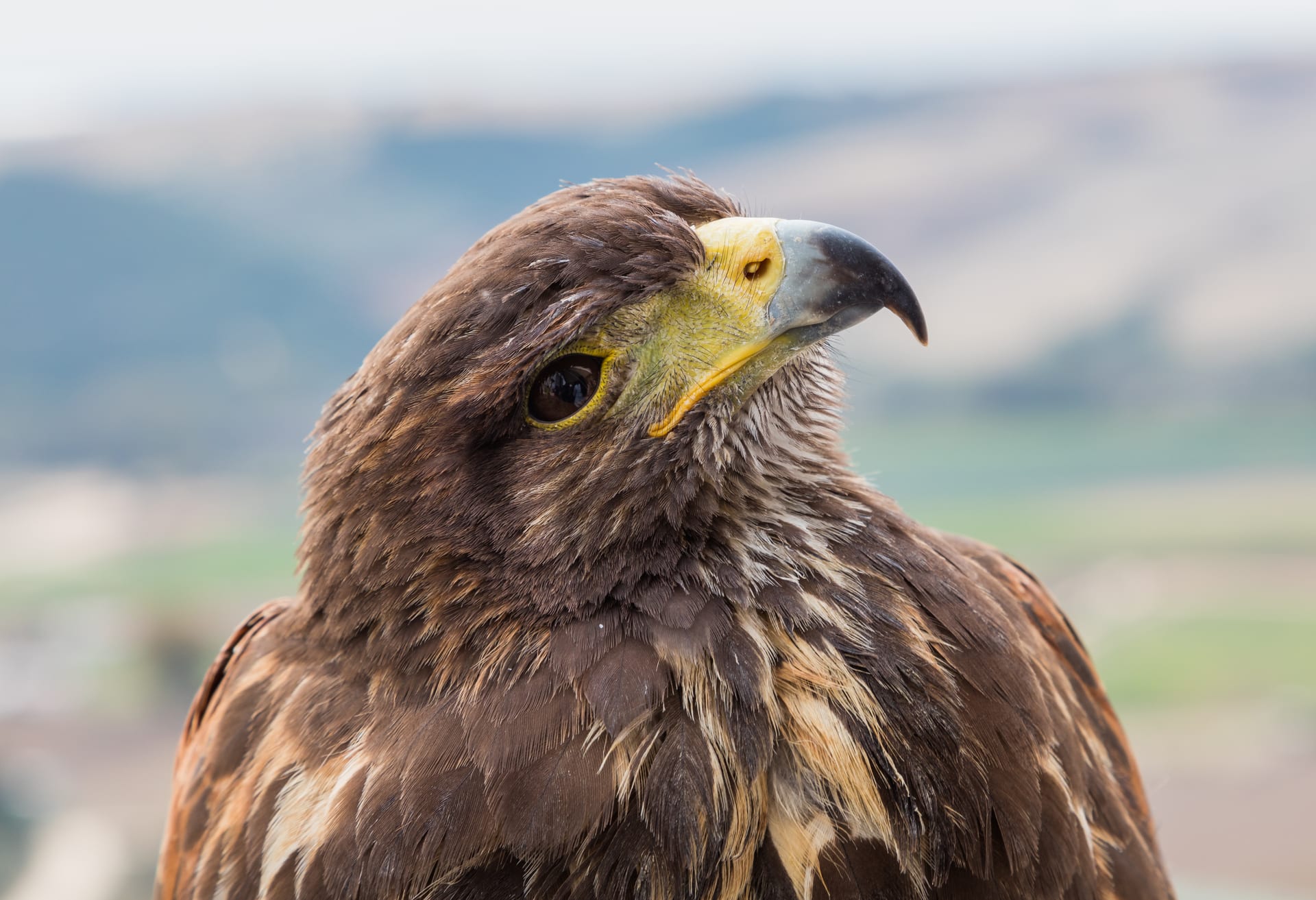
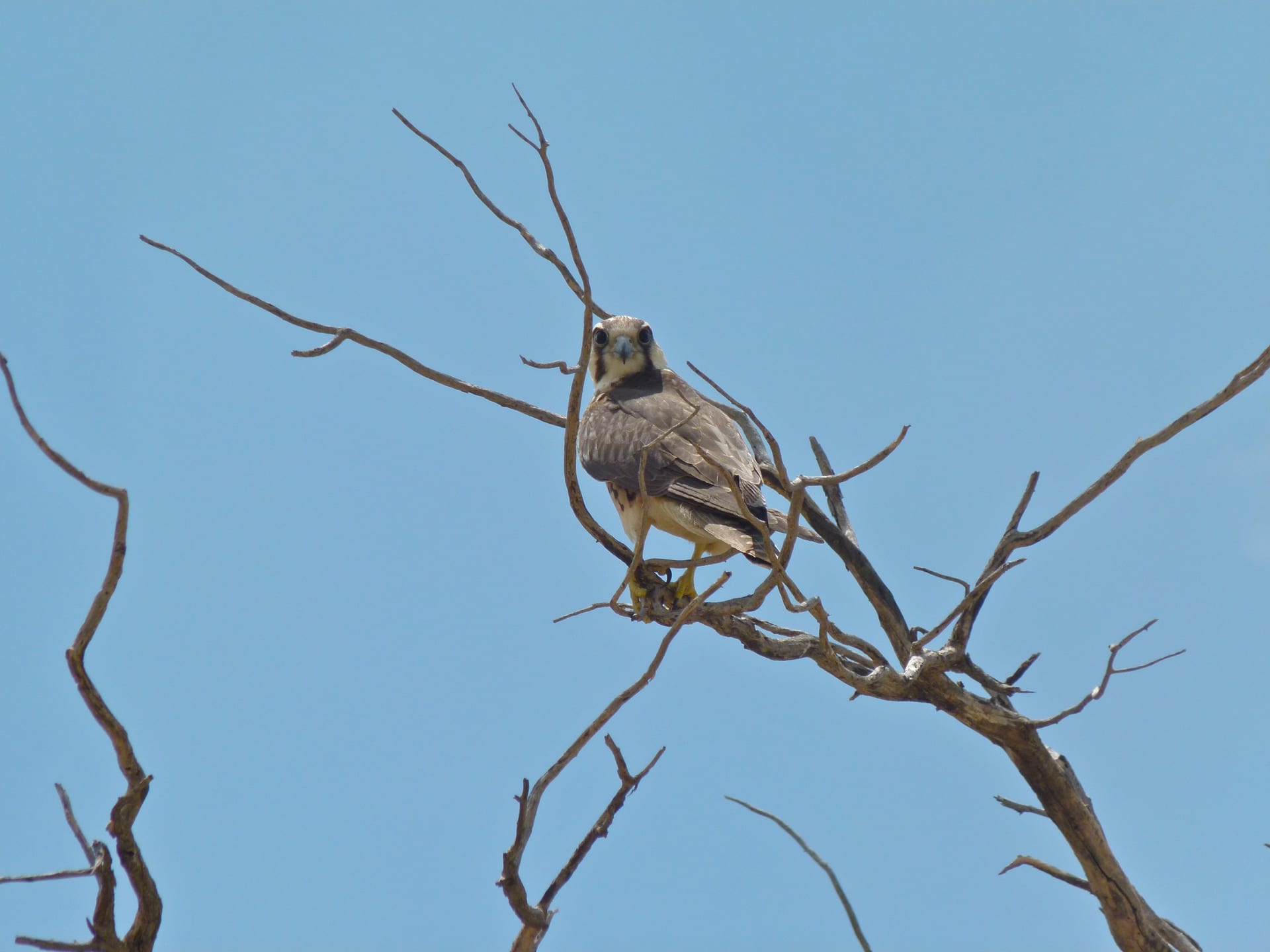
The common kestrel (Falco tinnunculus) is a small falcon found across Eurasia and Africa. It is small for a raptor but larger than most songbirds. The upperparts and wing coverts are rufous with black spotting; males have a blue-grey head and tail, females brown. The wings are pointed and the tail is the longest in the family. The epithet tinnunculus refers to the ringing call, a shrill repeated kee-kee-kee. It occupies farmland, open country, riverbeds, hills and woodland from the lowlands to high ground, living singly or in pairs and nesting in cavities such as holes in dead trees. In Japan it breeds in summer from northern to central Honshu and arrives widely as a winter visitor. Its habit of hovering while scanning for rodents and insects is characteristic, and it has long been used in European falconry.
Source: Wikipedia (CC BY-SA 4.0)
Lifespan of the Common Kestrel
The Common Kestrel lives 12-15 years.
Size of the Common Kestrel
The Common Kestrel grows to 32-39cm (wingspan 65-82cm; males 136-252g averaging 155g, females 154-314g averaging 184g).
It measures 32-39 cm with a wingspan of 65-82 cm; males weigh 136-252 g, averaging about 155 g, and females 154-314 g, averaging about 184 g, so the female is noticeably larger.
Basic Info
Origin
Widespread across Eurasia and Africa; in Japan it breeds in summer from northern to central Honshu and occurs widely as a winter visitor
Lifespan
12-15 years
Care Specifications
Semi-aggressiveSolitary
Sources: Wikipedia - Common kestrel / Wikipedia - Common kestrel, Japanese edition (morphology, range, voice)
References & Sources
Edited & verified by: BreederDirect editorial team
The taxonomic, regulatory, and husbandry data on this page are compiled and verified against the authoritative primary sources below.
Primary sources
- Wikipedia
- CITES Appendices (Appendix II)
- IUCN Red List
- Cabinet Order under the Act on Welfare and Management of Animals, appended table (designated dangerous animals)
- Wildlife Protection, Control and Hunting Management Act (Ministry of the Environment, Japan)
- Wikipedia - Common kestrel, Japanese edition (morphology, range, voice)
- GBIF
Taxonomy & Authority
Accepted name: Falco tinnunculus Linnaeus, 1758
Authority databases: GBIF
Nomenclature follows global taxonomic authority databases.
Regulations & Conservation Status
CITES Appendix IIIUCN LC · Least Concern
Domestic law: As a bird native to Japan, taking, keeping or transferring wild individuals is in principle not permitted under the Wildlife Protection, Control and Hunting Management Act. Only captive-bred birds, domestic or imported, are traded.
Falco tinnunculus. Covered by the order-level listing of Falconiformes in CITES Appendix II, so international trade requires an export permit. It is not among Japan's designated dangerous animals, but as a bird native to Japan it falls under the wildlife protection law.
Sources: CITES Appendices (Appendix II) / IUCN Red List / Cabinet Order under the Act on Welfare and Management of Animals, appended table (designated dangerous animals) / Wildlife Protection, Control and Hunting Management Act (Ministry of the Environment, Japan)
Regulations may change. Always verify the latest information with the relevant authorities.
Common Kestrel Listings
Loading latest listingsFind listings for this species