 © gisela gerson lohman-braun / CC BY-SA 2.0
Red-cheeked Cordon-bleu
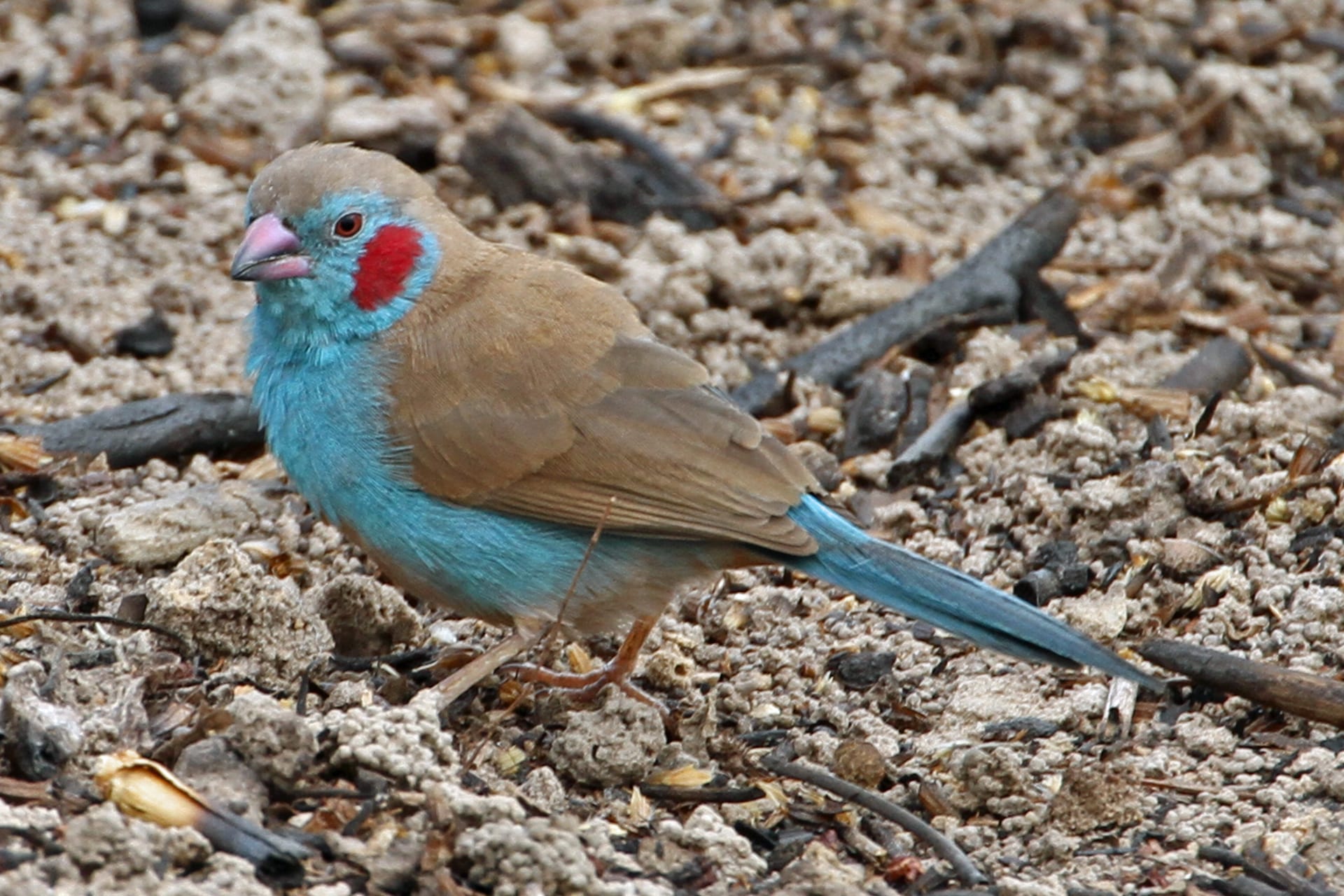
The Red-cheeked Cordon-bleu is a small finch known for its striking sky-blue plumage covering the face, chest, flanks, rump, and long tail. Males display a bright red patch on each cheek, while females lack this marking, making the sexes easy to tell apart at a glance. It's one of the most popular African finches among aviculturists, prized for its clear blue coloring and compact, delicate build. Since it's generally considered a species better suited to keepers with some prior experience, it helps to have a handle on temperature control and diet basics before bringing one home. They do well in pairs or small groups, and watching their everyday movements is one of the simple pleasures of keeping them.
View Red-cheeked Cordon-bleu encyclopedia →0% commission on your first sales!Register by September 30, 2026 and your first 2 sales are commission-free!
Breeder Wanted!
List on BreederDirect and sell directly to customers nationwide!
BreederDirect's 6 Transparency Commitments
All Birds listings include complete Breeder transparency: hand-raised status, DNA sex determination, and health certification details.
- Hand-Raised
- DNA Sex-Determined
- Health Certified
- Origin Disclosed
- Color Variation Specified
- Age in Months Disclosed
Browse all 286 breeds
Care Level
Verified breeders wanted for Birds
Breeders are signing up now ahead of launch. Subscribe to be notified when new listings go live.
Getting alerts is free with a member account. When new listings match your saved search, we'll notify you by email and in-app.
Browse other categories
Verified breeders (preview)
Red-cheeked Cordon-bleu key facts
- Care level
- Intermediate
- Lifespan
- 5-7 years
- Size
- 12.5-13cm
- Diet
- Mixed seed, spray millet, greens, mealworms and small livefood when breeding
- Cage
- Choose a deep, tall cage so the thin tail is not damaged, and add planting or grass bundles for cover.
- Temperament
- Generally peaceable, but breeding males are hard on males of the same genus, so congeners need a large flight.
- Vocalization
- The male repeats a short, thin, clear song at low volume, which is manageable even in flats.
- Notes
- Imported birds often break down from transport stress. Keep new arrivals warm and quiet, and prefer domestically bred birds.
About Red-cheeked Cordon-bleu
A small African finch with sky-blue plumage from face to tail. Males show bright red cheek patches; a popular species best suited to keepers with some experience.
7 things to know before welcoming a Red-cheeked Cordon-bleu
1Cage Size and Space
Though small, this finch is an active flier, so a cage with plenty of horizontal space suits it better than a tall, narrow one. Adding a few perches of different thicknesses also gives its feet some exercise.
2Keeping Them Warm
Being native to Africa, this finch is sensitive to cold, so a heater or similar setup matters when room temperatures drop. Avoiding sudden temperature swings also helps it stay in good condition.
3Better in Pairs or Groups
In the wild these finches live in flocks, so keeping them in pairs or small groups tends to suit their nature better than a single bird living alone. If you do keep just one, pay closer attention to its calls and behavior.
4Telling Males from Females
Males have a bright red patch on each cheek, while females lack this marking entirely. This makes the species one of the easier ones to sex by eye, which is handy when choosing more than one bird.
5Diet: Seed Mix Plus Extras
A finch seed mix should form the base of the diet, supplemented with leafy greens for balance. Don't forget a calcium source such as cuttlebone or crushed oyster shell grit.
6A Bird to Watch, Not Handle
This isn't a bird bred for hand-taming; it's better enjoyed by watching its color and listening to its calls through the cage. It startles easily at sudden noise or movement, so a calm, quiet environment matters.
7Prepare the Setup First
Set up the cage, perches, heater, and food and water dishes before the bird arrives. Deciding on a quiet spot with stable temperature in advance also makes the transition smoother for the new arrival.
Frequently asked questions about Red-cheeked Cordon-bleu
- Q.Can beginners keep this species?
- A.It's generally considered a species for keepers with some prior bird-keeping experience. If you already have the basics of temperature control and diet down, it's a manageable step up.
- Q.How can you tell males from females?
- A.Males have a bright red patch on each cheek, while females don't. This visible difference makes sexing the species fairly straightforward.
- Q.Is it okay to keep just one?
- A.Since they naturally live in flocks, keeping them in pairs or small groups tends to help them settle better. If you keep just one, put extra care into its environment.
- Q.How big does it grow?
- A.Adults reach about 12.5 to 13 cm in length, making this a small finch. Despite its size, it's quite active and lively in movement.
- Q.What should it be fed?
- A.A finch seed mix makes up the staple diet, supplemented with leafy greens and a calcium source such as cuttlebone or oyster shell grit.
Useful tools for Red-cheeked Cordon-bleu care
Learn more about Red-cheeked Cordon-bleu in the encyclopedia
View Red-cheeked Cordon-bleu encyclopedia entry →
Care difficulty, lifespan, size and diet — all basics covered.
More in this category
Can't find the one you're looking for?
Post your wishes for free and breeders with matching animals will contact you with introductions.