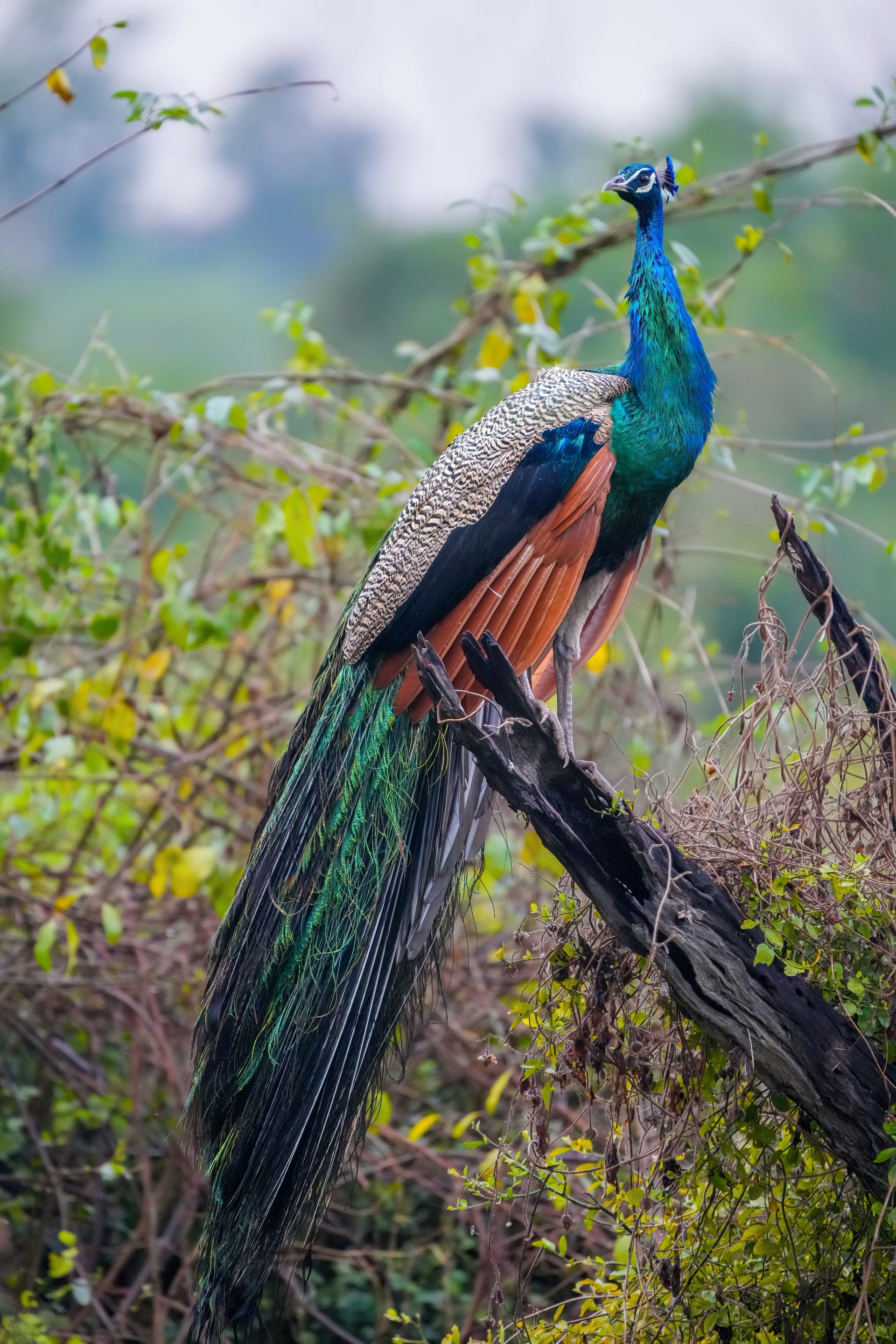
 © Giles Laurent / CC BY-SA 4.0
Indian Peafowl
The Indian Peafowl is a large pheasant native to South Asia, famous for the male's spectacular train of 100 to 150 elongated upper tail covert feathers, which can bring his total length to 180-230 cm at maturity. His head and neck shimmer in deep iridescent blue, topped with a small fan-shaped crest. Females, by contrast, are plain brown and lack any ornamental plumage. Loud calls and a strong territorial instinct mean this bird needs plenty of outdoor space and an experienced keeper, making it best suited to advanced bird enthusiasts. Still, few birds can match its striking beauty and regal bearing.
View Indian Peafowl encyclopedia →0% commission on your first sales!Register by September 30, 2026 and your first 2 sales are commission-free!
Breeder Wanted!
List on BreederDirect and sell directly to customers nationwide!
Six Transparency Commitments from BreederDirect
All Birds listings include complete Breeder transparency: hand-raised status, DNA sex determination, and health certification details.
- Hand-Raised
- DNA Sex-Determined
- Health Certified
- Origin Disclosed
- Color Variation Specified
- Age in Months Disclosed
Browse all 286 breeds
Care Level
Verified breeders wanted for Birds
Breeders are signing up now ahead of launch. Subscribe to be notified when new listings go live.
Getting alerts is free with a member account. When new listings match your saved search, we'll notify you by email and in-app.
Browse other categories
Verified breeders (preview)
Indian Peafowl key facts
- Care level
- Advanced
- Lifespan
- 10-20 years on average
- Size
- 180-230cm (male) / 86-90cm (female)
- Diet
- Pheasant feed, grain, greens, fruit and insects
- Cage
- The male's train reaches two metres, so the aviary needs a large floor area for a ground-living bird plus a high perch for roosting. The species is sensitive to cold and needs heating in winter.
- Temperament
- It lives in parties of one male and several females. Cocks range alone and turn aggressive in the breeding season, so keep males apart.
- Vocalization
- In the breeding season the cock calls loudly to summon hens; in its native range the call is also read as a warning that a predator is about. In a residential area it demands real consideration for neighbours.
- Notes
- Escaped birds are established in the Sakishima Islands of Okinawa and elsewhere in Japan, where they prey on endemic small animals. The species is on the Ministry of the Environment's Invasive Alien Species List (2nd edition) in the category prioritised for control, so escape must be prevented.
About Indian Peafowl
The Indian Peafowl is a large pheasant known for the male's dramatic tail train and deep blue plumage. Best suited to advanced keepers, with an average lifespan of 10-20 years.
7 things to know before welcoming a Indian Peafowl
1Needs Ample Space
Displaying his train and moving around actively both require a good amount of space. Consider in advance whether you can provide a dedicated outdoor area, such as a garden or aviary.
2Loud Calls
Males are known for calling very loudly, especially during the breeding season. Consider the impact on neighbors carefully if you live in a densely populated area.
3An Advanced-Level Bird
Given its large size and need for space, this is a challenging bird for first-time keepers. It's best to gain experience with other birds before bringing one home.
4Males and Females Look Different
Males have a deep blue head and an elaborate train, while females are brown with no ornamental feathers. The two sexes differ not only in looks but also in how conspicuous they are.
5A Long-Term Commitment
With an average lifespan of 10 to 20 years, it's important to plan for long-term care before bringing one home. Think ahead about possible changes to your living situation.
6Sensitivity to Cold
As a species native to warm regions, it may need extra protection during cold weather. Keep temperature management in mind when setting up its environment.
7Research Before You Bring One Home
It's important to research the bird's temperament, typical behavior, and housing needs beforehand. Ask the breeder about the actual living conditions and the individual bird before deciding.
Frequently asked questions about Indian Peafowl
- Q.Can beginners keep an Indian Peafowl?
- A.Because of its large size and loud calls, this species is considered suitable for advanced keepers only. First-time bird owners should gain experience with other birds first.
- Q.How do males and females differ in appearance?
- A.Males have a deep blue head and an elaborate, fan-shaped train of feathers. Females are entirely brown and lack any ornamental plumage.
- Q.How long do Indian Peafowl live?
- A.They live an average of 10 to 20 years. When bringing one home, it's important to plan with a long-term view, including possible changes to your living situation.
- Q.Can it be kept indoors?
- A.Given its large size and train-displaying behavior, keeping it outdoors in ample space is the standard approach. Consider in advance whether you can provide a dedicated area, such as a garden or aviary.
- Q.Is the Indian Peafowl subject to CITES?
- A.Indian Peafowl is listed in CITES Appendix III (listed by Pakistan for its own populations). International trade needs documents such as a certificate of origin, but as far as CITES is concerned, no registration is needed to buy or sell in Japan.
Useful tools for Indian Peafowl care
Learn more about Indian Peafowl in the encyclopedia
View Indian Peafowl encyclopedia entry →
Care difficulty, lifespan, size and diet — all basics covered.
More in this category
Can't find the one you're looking for?
Post your wishes for free and breeders with matching animals will contact you with introductions.