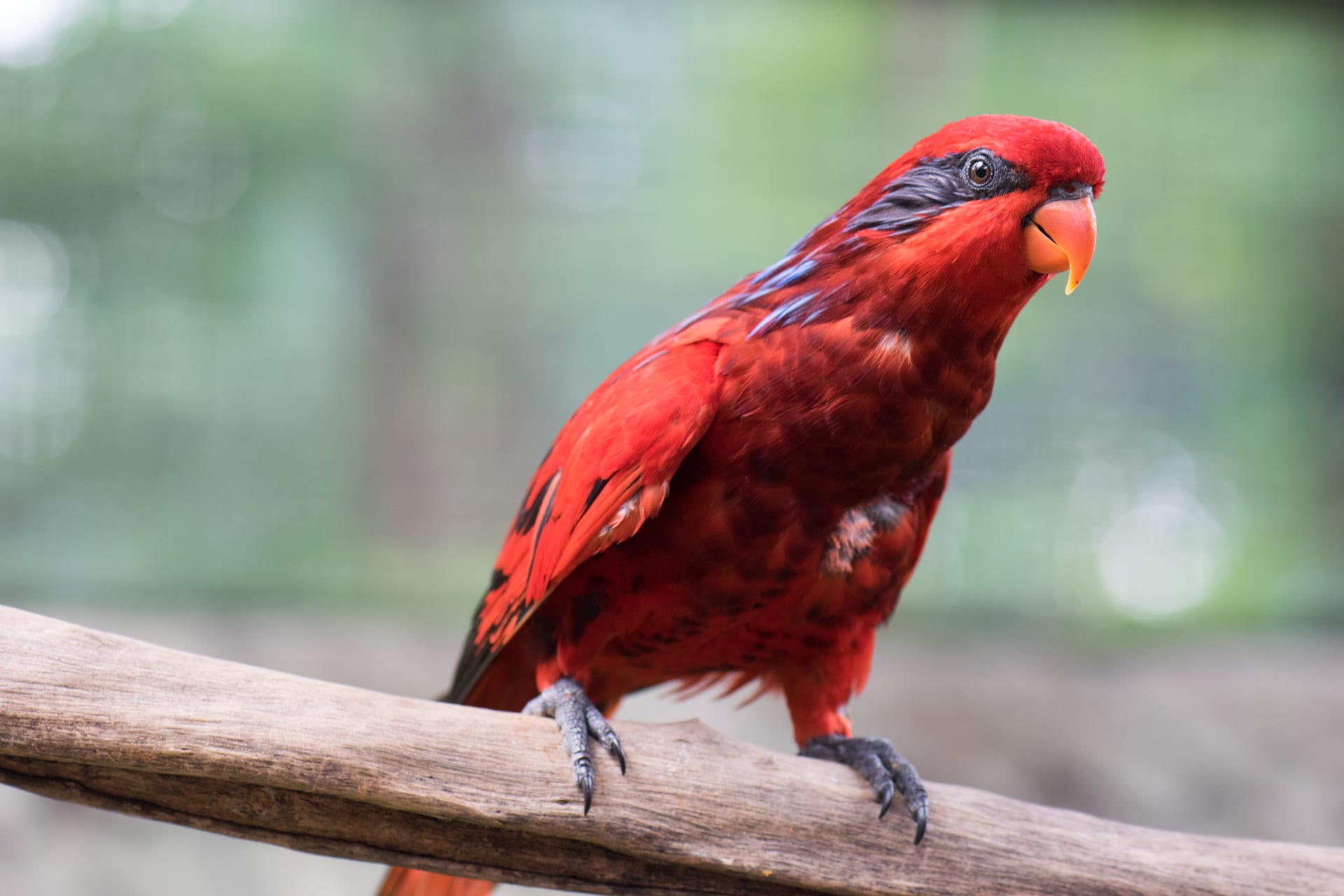
 © Thomas Quine / CC BY 2.0
Blue-streaked Lory
The Blue-streaked Lory is a striking bird, its scarlet body traced with electric-blue plumage around the ear coverts and nape, reaching about 31 cm as an adult. Endemic to Indonesia's Tanimbar and Babar Islands, this lory is known for being affectionate, playful, and endlessly curious toward its keepers. Its voice ranks among the louder calls within the lory family, so a home ready for noise matters. As a nectar-feeding species, it needs a specialized liquid or powdered nectar diet rather than standard seed mixes. With a captive lifespan of 28 to 32 years, this is a long-term companion best suited to keepers with some prior parrot experience.
View Blue-streaked Lory encyclopedia →0% commission on your first sales!Register by September 30, 2026 and your first 2 sales are commission-free!
Breeder Wanted!
List on BreederDirect and sell directly to customers nationwide!
Six Transparency Commitments from BreederDirect
All Birds listings include complete Breeder transparency: hand-raised status, DNA sex determination, and health certification details.
- Hand-Raised
- DNA Sex-Determined
- Health Certified
- Origin Disclosed
- Color Variation Specified
- Age in Months Disclosed
Browse all 247 breeds
Care Level
Verified breeders wanted for Birds
Breeders are signing up now ahead of launch. Subscribe to be notified when new listings go live.
Getting alerts is free with a member account. When new listings match your saved search, we'll notify you by email and in-app.
Browse other categories
Verified breeders (preview)
Blue-streaked Lory key facts
- Care level
- Intermediate
- Lifespan
- 28-32 years in captivity
- Size
- About 31cm
- Diet
- Lory nectar, specialist lory pellets, fruit and pollen
- Cage
- At 31 cm with a long tail it needs a cage with room in both width and height. Protect the surroundings, as the liquid droppings carry.
- Temperament
- Gregarious and active. For breeding, pairs must be compatible or one bird can be injured by the other.
- Vocalization
- One of the louder lories, giving a shrill series of screeches, so soundproofing and room placement need thought.
- Notes
- It feeds mainly on pollen and nectar, so a seed-based diet will not do. Nectar spoils quickly and must be replaced at least twice a day.
About Blue-streaked Lory
A vividly colored, medium-sized lory endemic to Indonesia's Tanimbar Islands, known for its affectionate nature, loud call, and specialized nectar-based diet.
7 things to know before welcoming a Blue-streaked Lory
1Nectar-Based Diet
As a nectar-feeding lory, this species relies on specialized liquid or powdered nectar rather than a standard seed diet, often supplemented with fruit. Because their diet is high in liquid, their droppings are naturally wetter, so cage setups need to account for easy cleaning.
2A Loud, Carrying Voice
This species is among the louder-voiced lories, often calling out especially in the morning and evening. If you live in an apartment or close to neighbors, it's worth planning ahead for noise consideration or soundproofing.
3Playful, Active Personality
Blue-streaked Lories are curious, energetic birds that enjoy interacting with their keepers. Rotating toys and providing regular out-of-cage playtime helps keep them mentally stimulated.
4Roomy Housing and Perches
Given their active nature, a cage that offers more space than the bird's body size alone would suggest is important. Arranging varied perches and toys helps prevent stress from insufficient exercise.
5A Long-Term Commitment
In captivity, this species can live around 28 to 32 years, potentially outlasting many other companion animals. Prospective keepers should plan ahead for how their own life circumstances might change over such a long span.
6Health Monitoring and Vet Care
Like many parrots, lories can mask signs of illness, so daily observation of appetite and droppings is important. Finding an avian-experienced veterinarian in advance and scheduling regular checkups is recommended.
7Assess Your Experience Beforehand
Because of its specialized diet and vocal nature, this species is generally considered suitable for intermediate keepers rather than first-time bird owners. Before bringing one home, it helps to research nectar-feeding lory care and confirm you can sustain its needs long term.
Frequently asked questions about Blue-streaked Lory
- Q.Can beginners keep a Blue-streaked Lory?
- A.This species is generally considered suitable for intermediate keepers due to its specialized nectar-based diet and loud voice. It's best suited to those with some prior bird-keeping experience or a willingness to research thoroughly beforehand.
- Q.How loud is its call?
- A.It ranks among the louder-voiced lories, calling out especially in the morning and evening. If you live in an apartment, it's worth planning for noise consideration or soundproofing in advance.
- Q.What should I feed it?
- A.As a nectar-feeding species, its diet should center on specialized nectar formulas supplemented with fruit rather than standard seed mixes. Feeding seed alone can lead to nutritional imbalances.
- Q.How big does it grow?
- A.Adults reach about 31 cm in total length. A cage and perches sized generously for its build help keep it comfortable.
- Q.Is it subject to any legal regulations?
- A.Blue-streaked Lory is listed in CITES Appendix II. International trade requires a permit from the exporting country, but as far as CITES is concerned, no registration is needed to buy or sell individuals already legally in Japan.
Useful tools for Blue-streaked Lory care
Learn more about Blue-streaked Lory in the encyclopedia
View Blue-streaked Lory encyclopedia entry →
Care difficulty, lifespan, size and diet — all basics covered.
More in this category
Can't find the one you're looking for?
Post your wishes for free and breeders with matching animals will contact you with introductions.