Source: Wikimedia Commons
Blue-streaked Lory
IntermediateEos reticulata
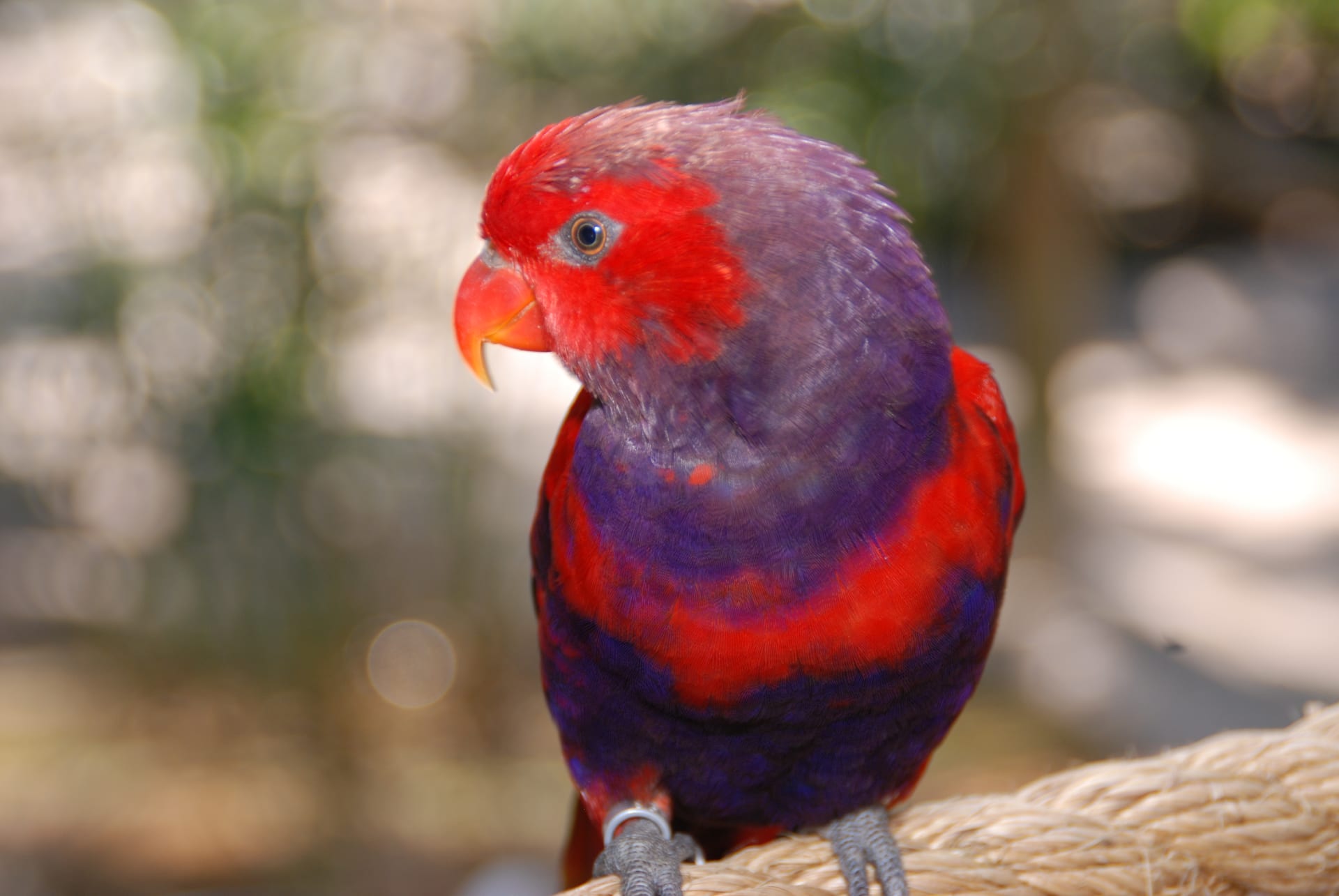
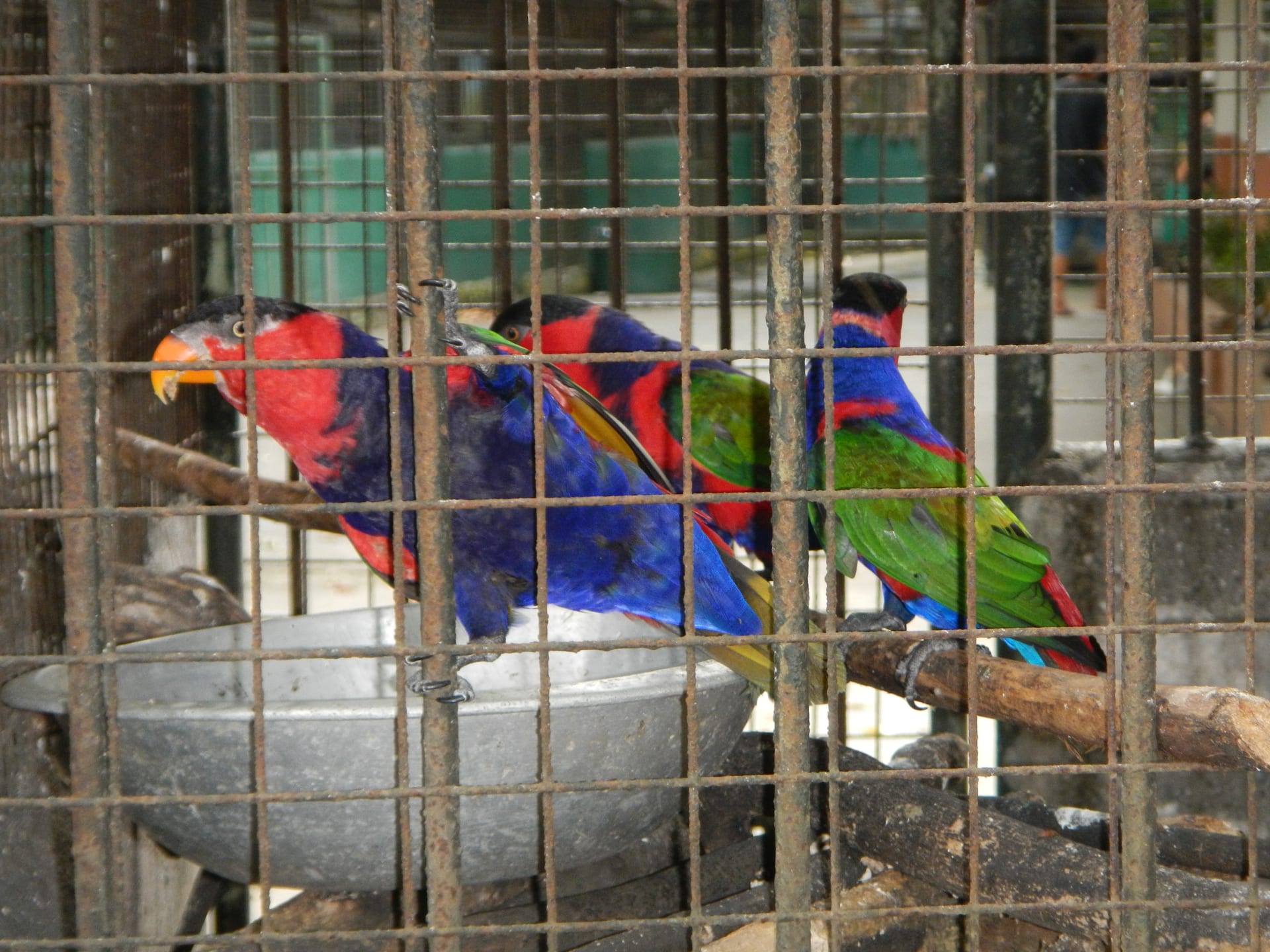
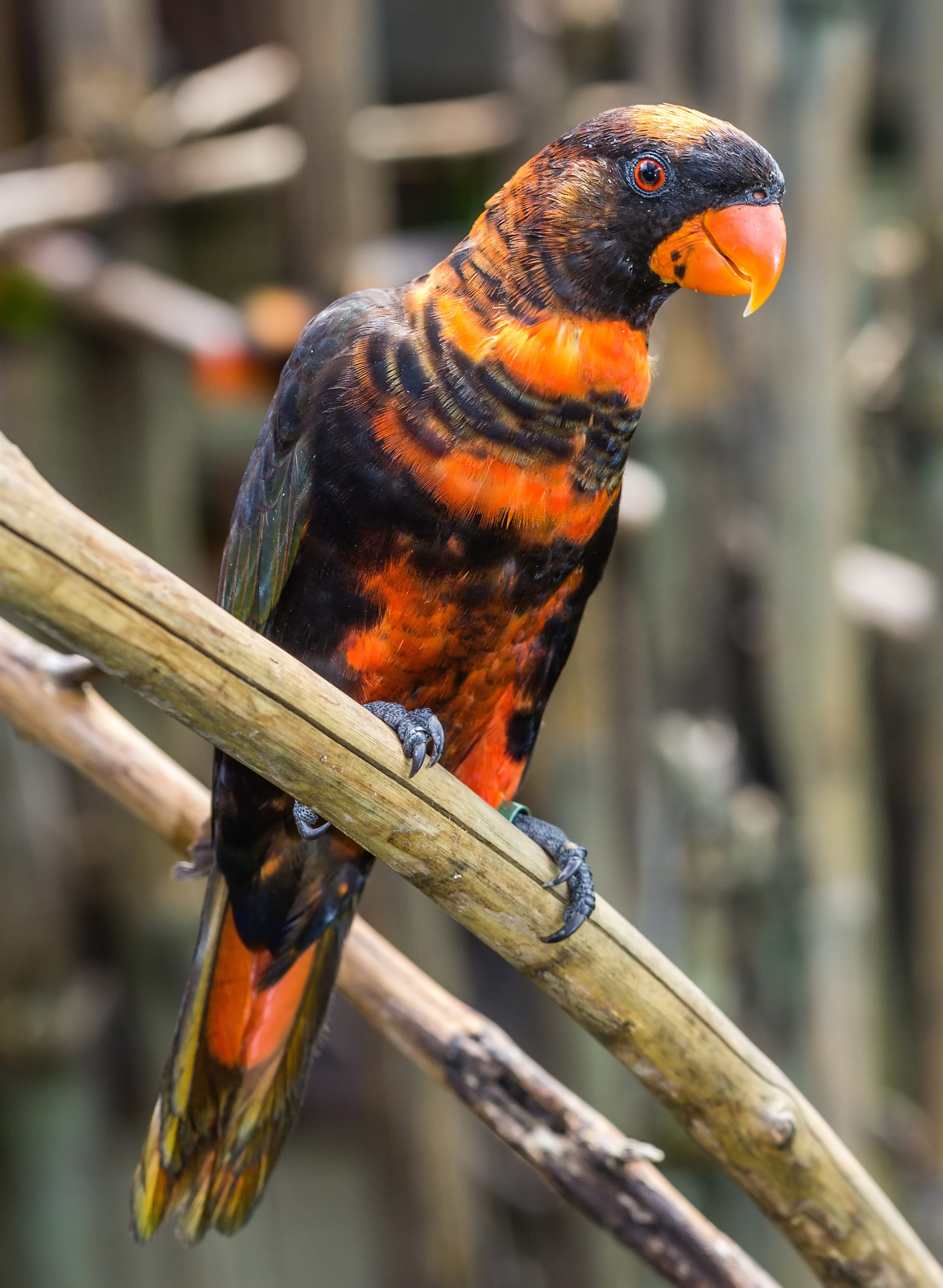
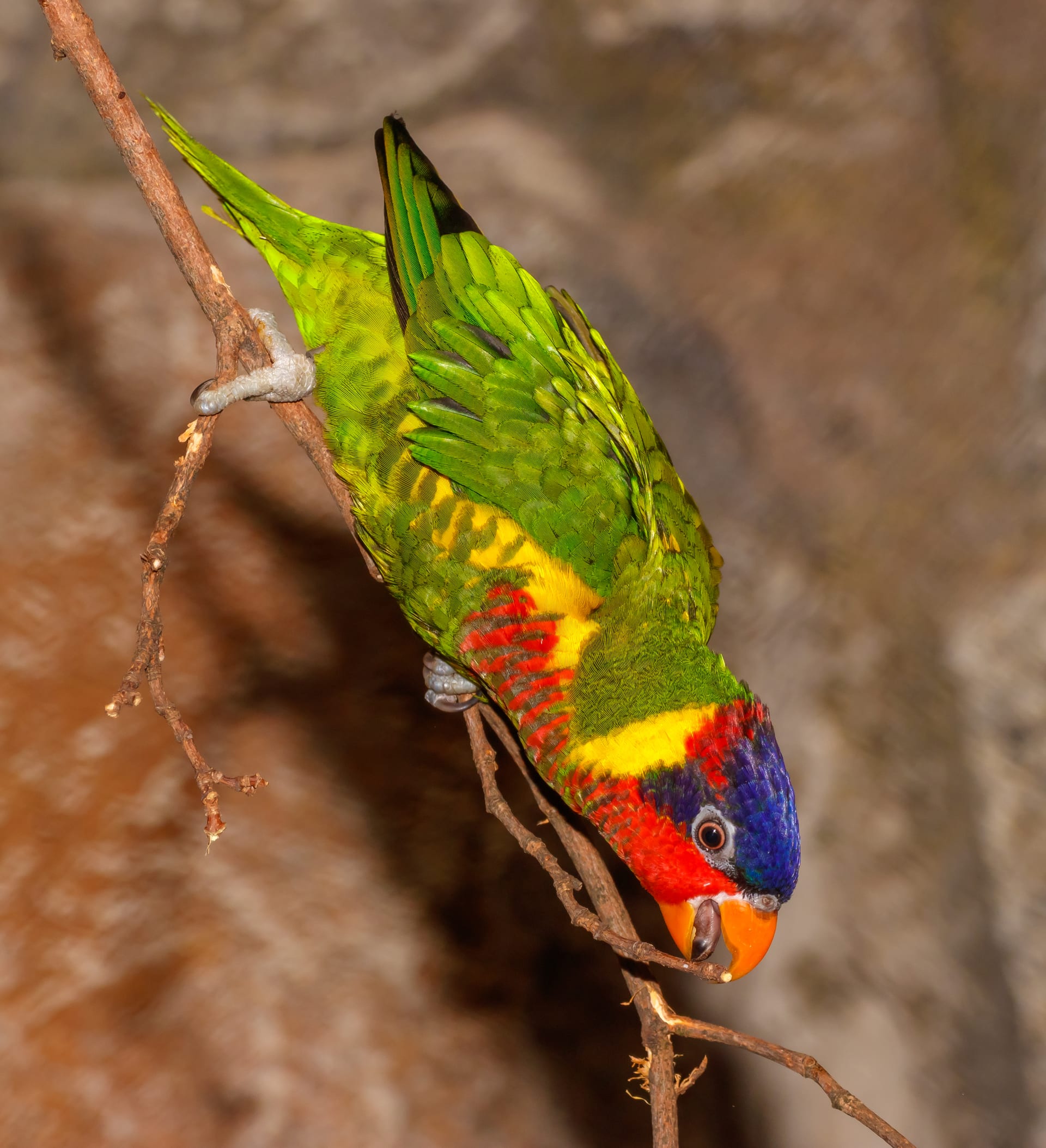
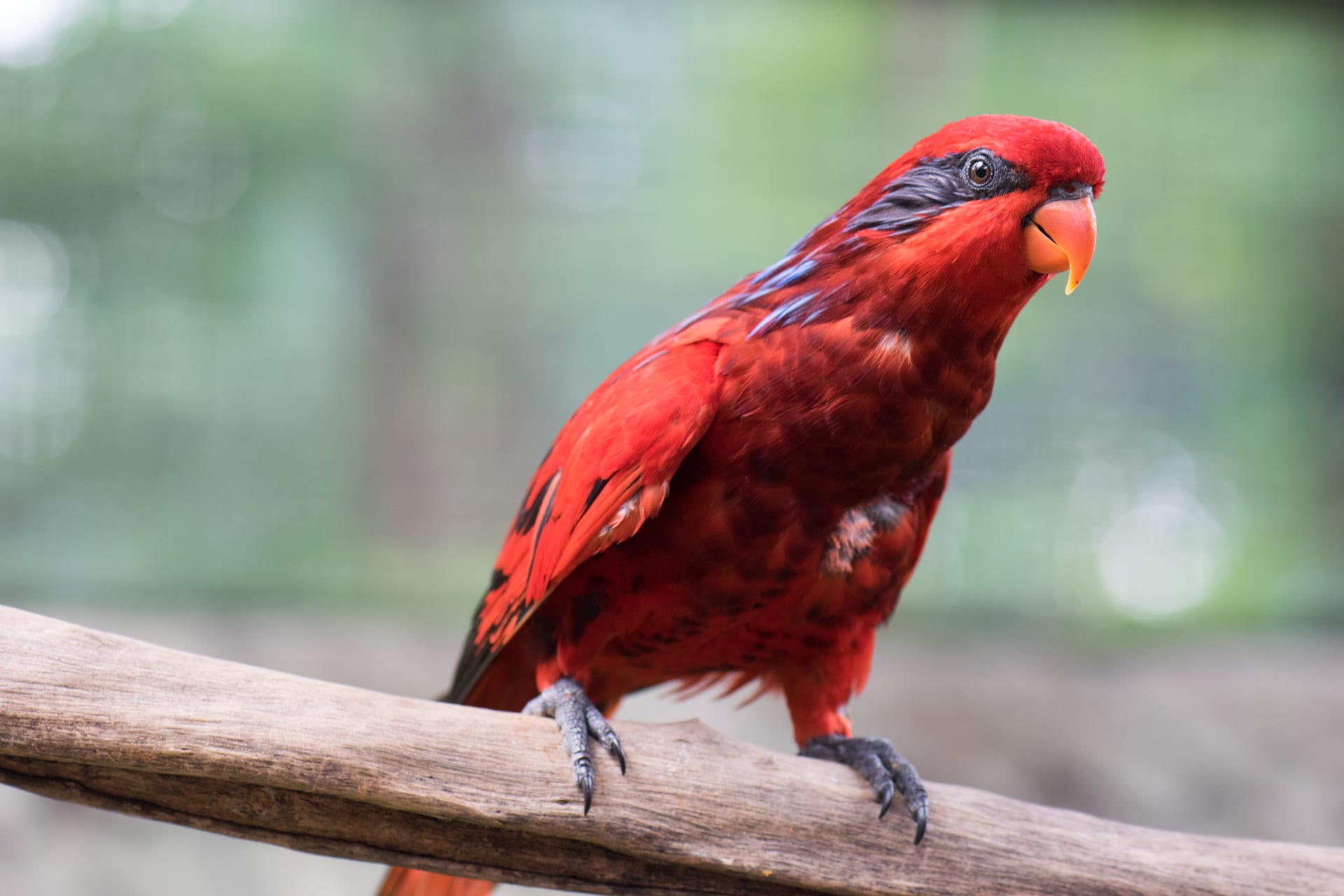
A medium-sized lory, bright red with electric blue feathers scattered around the ears and over the nape. Endemic to the Tanimbar Islands of Indonesia, it is among the louder lories.
Difficulty
Intermediate
Temperature
15〜30℃
Lifespan
28-32 years in captivity
Size
About 31cm
Humidity
40〜60%
Diet
Lory nectar, specialist lory pellets, fruit and pollen
About
The blue-streaked lory (Eos reticulata) occurs on the Tanimbar Islands and Babar in the southern Moluccas of Indonesia. The sexes look alike and cannot be told apart by eye. Most of the plumage is bright red, and against that background scattered electric blue feathers near the ears and on the nape give the bird both its English and its Japanese name. The lower nape to the upper back is bluish black, the back and rump are red, and the wing coverts and flight feathers are red tipped with black. The iris is orange-red, the sharply curved short bill is red-orange and the feet are grey. The wild population is estimated at 100,000 to 500,000 birds. It travels in flocks of up to about ten and is one of the louder lories, giving a shrill series of screeches. Birds live 28 to 32 years in captivity; the usual clutch is two eggs and incubation takes 25 days. Setting up compatible pairs matters for breeding.
Source: Wikipedia (CC BY-SA 4.0)
Lifespan of the Blue-streaked Lory
The Blue-streaked Lory lives 28-32 years in captivity.
Size of the Blue-streaked Lory
The Blue-streaked Lory grows to About 31cm.
It is about 31 cm long including the tail and weighs 145 to 155 g.
Basic Info
Origin
The Tanimbar Islands and Babar in the southern Moluccas, Indonesia
Lifespan
28-32 years in captivity
Size
About 31cm
Care Specifications
Semi-aggressivePairBreeding: Moderate
Sources: Wikipedia - Blue-streaked lory (size, weight, morphology, population, voice, lifespan, breeding) / IOC World Bird List v15.2 (scientific name, authority, English name, range)
References & Sources
Edited & verified by: BreederDirect editorial team
The taxonomic, regulatory, and husbandry data on this page are compiled and verified against the authoritative primary sources below.
Taxonomy & Authority
Accepted name: Eos reticulata (Müller, S, 1841)
Synonyms: Trichoglossus reticulatus
Authority databases: GBIF
Nomenclature follows global taxonomic authority databases.
Regulations & Conservation Status
CITES Appendix IIIUCN NT · Near Threatened
Eos reticulata. CITES lists Psittaciformes spp. as a whole in Appendix II, excluding only Agapornis roseicollis, Melopsittacus undulatus, Nymphicus hollandicus and Psittacula krameri, so this species is covered. International trade in an Appendix II species requires an export permit from the exporting state; it is not among the Appendix I derived species that require registration under Japanese law. The IUCN assesses it as Near Threatened.
Sources: CITES Appendices (Psittaciformes spp. listed in Appendix II) / Annex to Council Regulation (EC) No 338/97 as amended by Commission Regulation (EU) 2026/1383 (post-CoP20) / IUCN Red List
Regulations may change. Always verify the latest information with the relevant authorities.
Blue-streaked Lory Listings
Loading latest listingsFind listings for this species