Complete Guide to Caring for Loris and Lorikeets | Special Management and Charm of Nectar-Feeding Birds
This guide explains how to care for Loris and Lorikeets, popular for their vibrant plumage and affectionate personalities. We cover nectar-based diet management, dealing with liquid droppings, specialized cage cleaning methods, managing their social nature, and comparisons of recommended species (Black-capped Lory, Rainbow Lorikeet, and more).
Key Takeaways
This guide explains how to care for Loris and Lorikeets, popular for their vibrant plumage and affectionate personalities. We cover nectar-based diet management, dealing with liquid droppings, specialized cage cleaning methods, managing their social nature, and comparisons of recommended species (Black-capped Lory, Rainbow Lorikeet, and more).
Related Species
What Are Loris and Lorikeets?
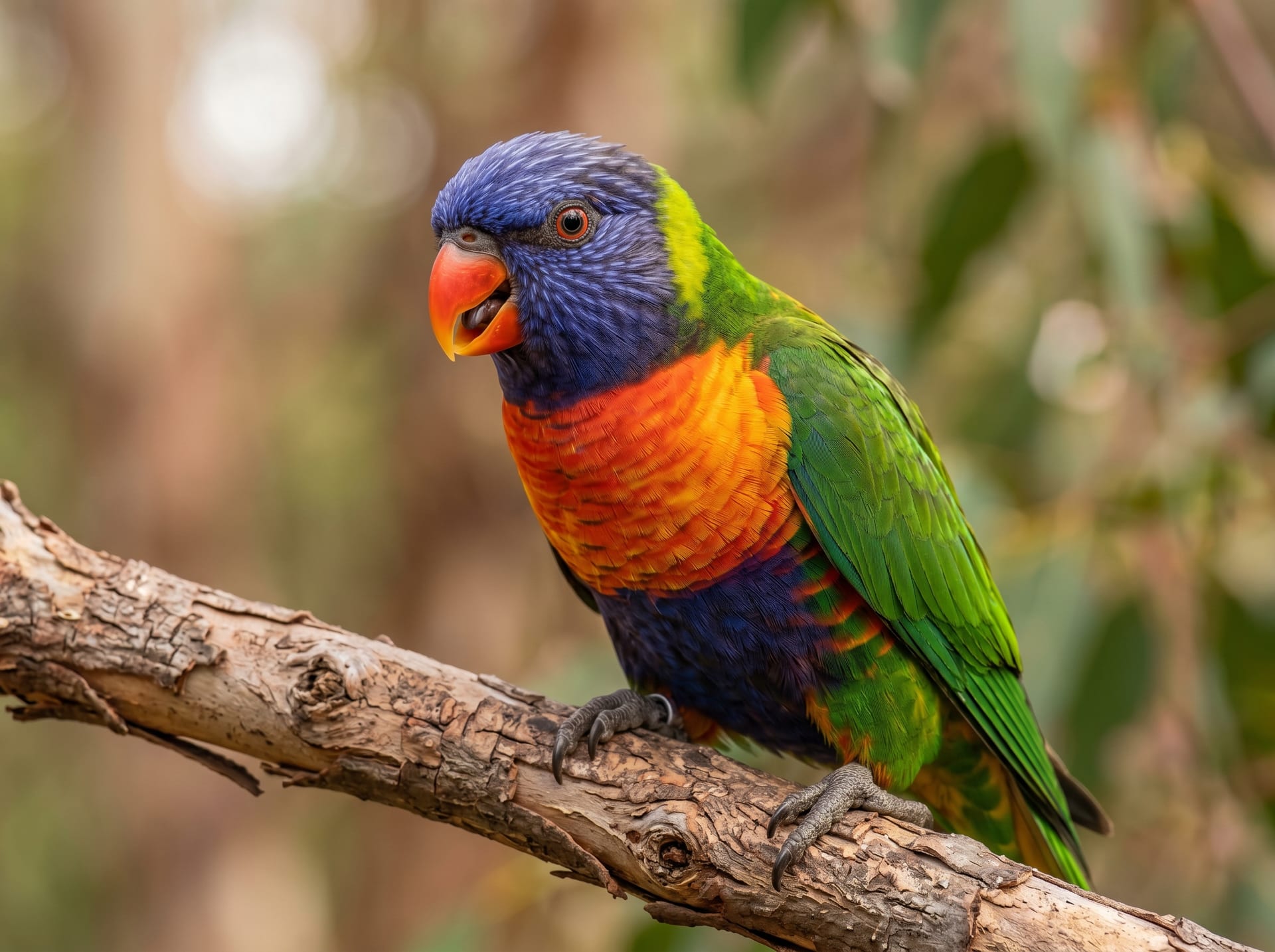
Loris and Lorikeets are birds belonging to the Psittaciformes order and Loridae family, originating from Indonesia, Australia, New Guinea, and the Pacific Islands. They are renowned for their vibrant and colorful plumage. "Lory" refers to short-tailed species, while "Lorikeet" refers to long-tailed species, though their basic care requirements are similar.
Major species available in Japan include the Black-capped Lory, Rainbow Lorikeet, Dusky Lory, and Scaly-breasted Lorikeet. All possess vibrant plumage close to primary colors, standing out visually among parrots and macaws.
They are generally curious and active by nature, with a high affinity for humans. With proper interaction, they form strong bonds with their owners as true partners. However, their dietary and sanitary management is significantly more challenging than standard parrots, positioning them as "birds for dedicated caretakers."
The Primary Characteristic: Nectar-Feeding Diet
The first thing to understand about Lory and Lorikeet care is their specialized diet. They possess brush-like papillae (brush tongue) at the tip of their tongues, which in nature allows them to obtain nutrition by lapping up flower nectar, pollen, and fruit juices. Their digestive system is specialized for this diet, lacking the enzymes necessary to digest seeds or pellets, which can cause nutritional deficiencies and digestive issues with standard parrot food.
Daily Diet Composition (Daily Guidelines)
- Lorikeet Nectar (Powdered Form): Specialized product dissolved in water or lukewarm water. Notable brands include Nekton Lori and Aviculture lines. Must be changed 2-3 times daily.
- Fresh Fruit: Provide finely chopped apple, grapes, pomegranate, papaya, fig, and blueberry. Always rinse thoroughly to remove pesticides.
- Vegetables: Corn (raw or cooked), komatsuna, and broccoli florets. Adjust leafy greens to avoid excessive water content.
- Pollen (Bee Pollen): A valuable protein source. Use commercially available pollen by sprinkling small amounts.
Nectar spoils rapidly—bacteria proliferate within 4-6 hours when temperatures exceed 25°C (77°F). Dishes must be thoroughly cleaned with hot water or dish soap and dried before each feeding. Neglecting this hygiene regimen significantly increases the risk of bacterial enteritis and crop infection.
Managing Liquid Droppings: Setting Up Your Aviary Environment
The biggest challenge new Lory keepers face is contamination from liquid droppings. Due to their nectar-based diet, their droppings contain high water content and are discharged forcefully, sometimes soiling walls and floors up to 50cm away from the cage. This is a physiologically unavoidable trait, making pre-planned environmental management essential.
Aviary Setup Checklist
- Choose stainless steel panel cages (plastic absorbs stains and becomes unhygienic)
- Place a large plastic or stainless steel tray beneath the cage
- Surround the cage on all sides with clear vinyl sheets or acrylic panels (DIY-friendly)
- Use vinyl play stands in out-of-cage areas and lay pet sheets on surrounding floors
- Establish daily cleaning routine 1-2 times daily (perches, cage floor, surrounding walls)
Your ability to tolerate the cleaning demands is crucial to sustained Lory and Lorikeet ownership. Many people release their birds because they were attracted to their beauty but couldn't maintain hygiene standards, so assess this realistically before acquiring one.
Cage, Temperature, and Bathing Management
Cage Size: Since Loris are highly active, provide a minimum width of 60cm and height of 70cm. Medium to large species (Rainbow Lorikeet, Dusky Lory) ideally require widths of 90cm or more. Install multiple natural wood perches (cherry, apple, citrus, willow) at varying heights to stimulate feet and encourage natural nail wear.
Temperature Management: Ideal temperature is 20-28°C (68-82°F). Temperatures below 10°C (50°F) risk immune suppression and digestive failure. In winter, install a panel heater or ceramic heater in part of the cage, creating a temperature gradient so birds can self-regulate.
Bathing: Loris and Lorikeets strongly enjoy water play. Provide mist baths with a spray bottle or shallow-dish showers 2-3 times weekly. After bathing, ensure they dry in a warm environment to prevent chilling. Bathing is essential for plumage health and mental stress relief.
Out-of-Cage Time: 1-2 hours of daily free flight is recommended. Being highly social birds, prolonged solitude increases stress hormones and can trigger behavioral problems like feather plucking. If you're frequently absent due to work, consider keeping a bonded pair.
Health Management and Notable Diseases
Be aware of these disease risks specific to Loris and Lorikeets.
Crop Infection (Sour Crop): A condition where bacteria and fungi proliferate in the crop from spoiled nectar or dirty dishes. Primary symptoms include vomiting, loss of appetite, and crop distension. Prevention relies entirely on food dish hygiene.
PDD (Proventricular Dilatation Disease): A chronic digestive disorder caused by Avian Bornavirus (ABV) infection. Symptoms include weight loss and passage of undigested food. Currently, only symptomatic treatment is available, making early detection critical.
Iron Overload (Hemochromatosis): Excessive iron accumulates in the liver from consuming iron-rich foods (spinach, hijiki seaweed, liver). Loriinae family birds are particularly susceptible, making a fruit-based diet low in iron essential.
Schedule veterinary check-ups at least 1-2 times yearly with a specialist veterinarian experienced in treating birds (exotic animal clinic).
Comparison and Selection of Major Species
| Species | Length | Vocalizations | Tameness | Care Difficulty | Ideal Keeper |
|---|---|---|---|---|---|
| Black-capped Lory | 26cm | Moderate | High | ★★★☆☆ | Beginner-Intermediate |
| Rainbow Lorikeet | 30cm | Fairly Loud | Very High | ★★★★☆ | Intermediate+ |
| Dusky Lory | 35cm | Loud | High | ★★★★☆ | Intermediate-Advanced |
| Scaly-breasted Lorikeet | 20cm | Relatively Quiet | Moderate | ★★☆☆☆ | Beginner |
For first-time Lory keepers, it's wise to start with the smaller and relatively easier-to-manage Scaly-breasted Lorikeet or Black-capped Lory. With both species, acquiring hand-raised juveniles from breeders significantly expedites their adjustment to humans.
While Loris and Lorikeets demand significant management effort, their stunning colors, affection, and intelligence captivate their keepers like no other bird. Once you've established an environment where you can maintain rigorous dietary and sanitary standards, embark on building that special relationship.