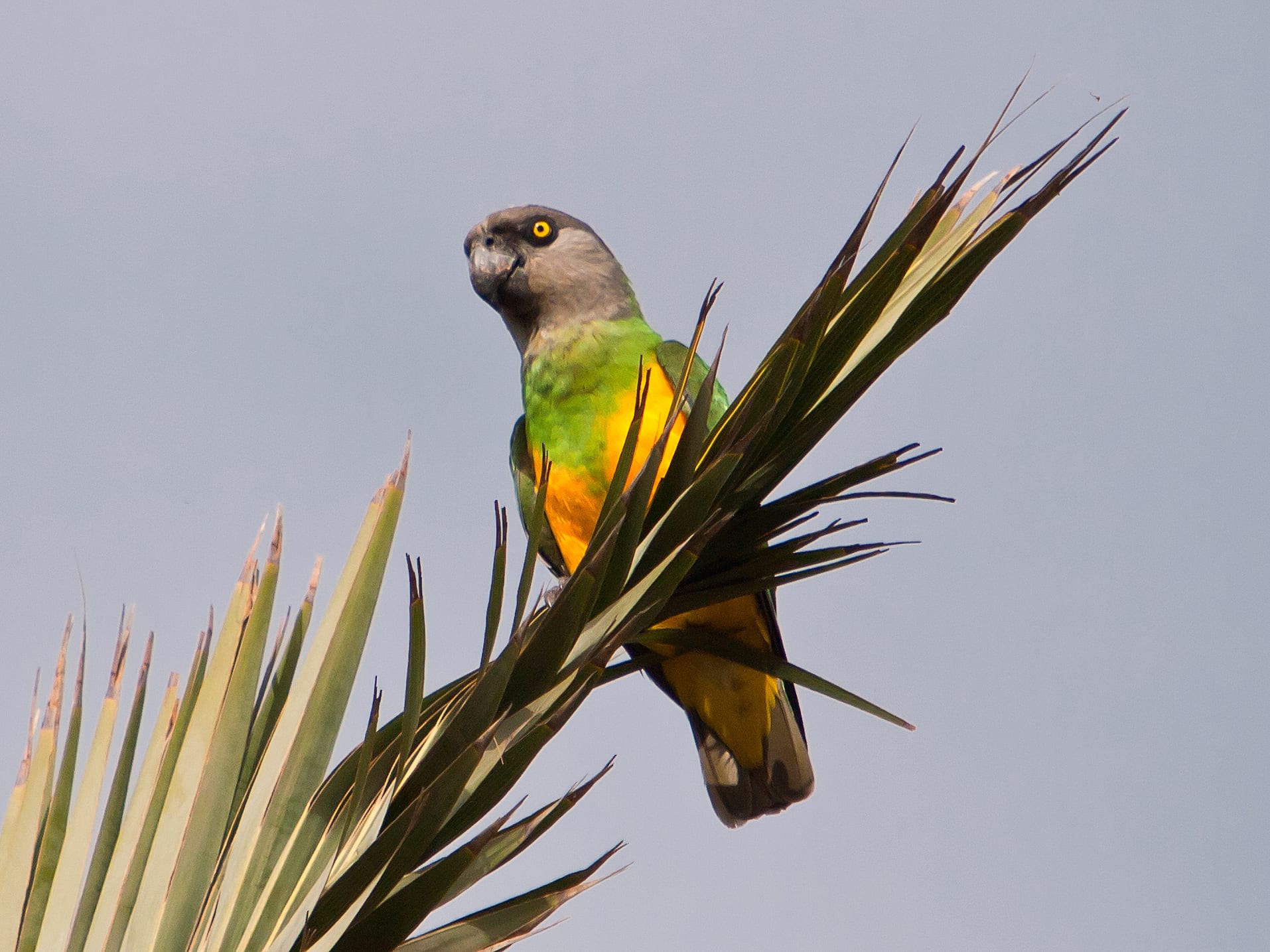
 © Juan Emilio from Las Palmas de Gran Canaria, España / CC BY-SA 2.0
Senegal Parrot
The Senegal Parrot is a mid-sized Poicephalus parrot prized for its calm temperament and soft, unobtrusive voice — qualities that make it a popular choice for apartment living and single-person households. Adults display a striking mix of grey, green, and orange plumage, and while they're intelligent and form strong bonds with their people, they also tend to settle comfortably even without a flock of other birds around. With a lifespan of 25 to 35 years, bringing one home is a long-term commitment spanning decades. A balanced diet built around pellets, supplemented with vegetables, fruit, and a modest amount of seed, is central to keeping them healthy.
View Senegal Parrot encyclopedia →0% commission on your first sales!Register by September 30, 2026 and your first 2 sales are commission-free!
Breeder Wanted!
List on BreederDirect and sell directly to customers nationwide!
Six Transparency Commitments from BreederDirect
All Birds listings include complete Breeder transparency: hand-raised status, DNA sex determination, and health certification details.
- Hand-Raised
- DNA Sex-Determined
- Health Certified
- Origin Disclosed
- Color Variation Specified
- Age in Months Disclosed
Browse all 247 breeds
Care Level
Verified breeders wanted for Birds
Breeders are signing up now ahead of launch. Subscribe to be notified when new listings go live.
Getting alerts is free with a member account. When new listings match your saved search, we'll notify you by email and in-app.
Browse other categories
Verified breeders (preview)
Senegal Parrot key facts
- Care level
- Beginner-friendly
- Lifespan
- 25-35 years
- Size
- 22-25cm
- Diet
- Pellets, Seeds, Vegetables, Fruits
- Housing
- Compact enough to keep in a medium cage. Give daily out-of-cage time and play so it does not get bored.
- Diet & Feeding
- Feed pellets as the staple with a balanced combination of seed, vegetables and fruit.
- Vocalization
- Quiet, suitable for apartments
- Health & Cautions
- Forms a strong bond with one person but is wary of strangers and sudden changes. Watch for chlamydiosis, digestive tract infections and hormone-related disorders.
- Notes
- Strong beak, caution with small children
About Senegal Parrot
A calm, quietly-voiced Poicephalus parrot well suited to single-person homes. The Senegal Parrot lives 25-35 years, reaches 22-25cm as an adult, and is considered beginner-friendly to keep.
7 things to know before welcoming a Senegal Parrot
1Calm Temperament
True to its Poicephalus roots, this parrot has a steady, even-keeled personality with few dramatic mood swings. It bonds well with people yet doesn't become overly dependent, making it easy to live with even on a busy schedule.
2A Quiet Voice
Compared to larger parrots, Senegal Parrots vocalize at a noticeably lower volume, which is part of why they suit apartment living. That said, they aren't silent — expect some chatter around dawn and dusk or when they're expressing excitement.
3A 25-35 Year Commitment
With a lifespan of 25 to 35 years, this bird may well outlive the person who brings it home. It's worth thinking beyond day-to-day care to who will look after it over the decades ahead.
4Pellet-Based Diet
A pellet-based diet rounded out with vegetables and fruit forms the foundation of good nutrition. Seeds are best treated as an occasional treat rather than a staple, so the overall diet stays balanced.
5Adolescent Biting Phase
Poicephalus parrots often go through a temperamental phase around adolescence, when some individuals bite harder than before. Staying calm and consistent through this stage usually helps the relationship settle back down.
6Playtime and Time Out of the Cage
Intelligent and curious, this parrot benefits from regular playtime with toys and time outside its cage. A predictable daily routine of attention also helps prevent behavioral problems from developing.
7Preparing Your Home
Choose a cage roomy enough for the bird to fully spread its wings, and bird-proof the room against hazards like swallowed objects or electrical cords. Lining up an avian-experienced vet ahead of time also means you're ready if health issues come up.
Frequently asked questions about Senegal Parrot
- Q.Is this parrot suitable for beginners?
- A.The Senegal Parrot is generally considered a beginner-friendly bird. Its calm nature and relatively quiet voice make it approachable for people keeping a parrot for the first time.
- Q.Can I keep one while living alone?
- A.Yes, their calm temperament makes them a popular companion for people living alone. That said, you'll still need to set aside time daily for feeding and out-of-cage play regardless of your schedule.
- Q.How big do they get as adults?
- A.Adults typically reach about 22 to 25cm in length. That places them in the mid-sized parrot category, which is useful to know when choosing a cage.
- Q.How long do Senegal Parrots typically live?
- A.Their lifespan runs from about 25 to 35 years, making them one of the longer-lived companion parrots. It's worth planning for their long-term care before bringing one home.
- Q.What should I feed a Senegal Parrot?
- A.A pellet-based diet supplemented with a balanced mix of vegetables and fruit is the standard approach. Seeds are best kept as an occasional treat rather than a daily staple.
Useful tools for Senegal Parrot care
Learn more about Senegal Parrot in the encyclopedia
View Senegal Parrot encyclopedia entry →
Care difficulty, lifespan, size and diet — all basics covered.
Senegal Parrot related articles
See more Senegal Parrot articles →More in this category
Can't find the one you're looking for?
Post your wishes for free and breeders with matching animals will contact you with introductions.