Senegal Parrot Price, Lifespan & Personality | Complete Care Guide
How much does a Senegal parrot cost and how long do they live? Price ranges, 25-30 year lifespan, personality, housing, diet, training, and common health issues explained.
Key Takeaways
How much does a Senegal parrot cost and how long do they live? Price ranges, 25-30 year lifespan, personality, housing, diet, training, and common health issues explained.
About the Senegal Parrot
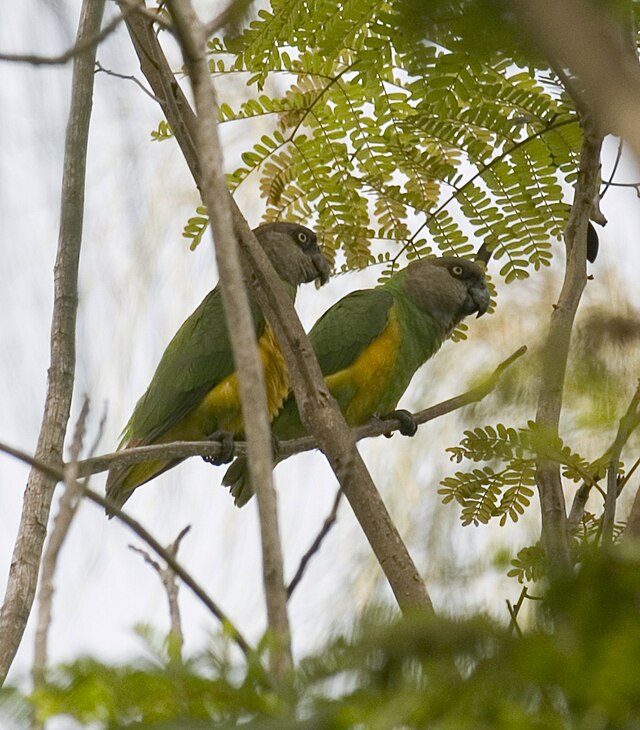
The Senegal Parrot (scientific name: Poicephalus senegalus) is a medium-sized parrot of the Poicephalus genus native to the savannas of West Africa. Measuring 23–26 cm in body length and weighing 120–170 g, it displays striking coloration with a green body, gray head, and bright yellow-orange belly. In Japan, it is also called "Senegal Parakeet" and is popular as an excellent starter species for medium-sized parrots due to its ease of training and calm temperament.
✍️
BreederDirect Editorial
The BreederDirect editorial team specializes in care information for animals, covering veterinary care and breeding to deliver beginner-friendly guides.
Find Birds on BreederDirect
Buy directly from verified breeders
Browse Related Listings
Find Birds listings related to this article on BreederDirect. Buy directly from verified breeders.
Bright yellow to orange V-shaped pattern (vest-like)
Beak
Black and sturdy; strong enough to crack nut shells
Body Length
23–26 cm
Body Weight
120–170 g
Personality and Sociability
The Senegal Parrot is particularly calm among the Poicephalus genus and forms strong bonds with its owners.
Key Personality Traits
Strong bond with specific people: Forms a strong family bond with 1–2 family members, often becoming a "one-person bird" that prefers only certain individuals in multi-member households
Calm and intelligent: Not as loud as macaws or cockatoos, but highly intelligent and observant
Playful nature: Can entertain itself for extended periods with foraging toys and wooden toys
Biting tendency: May bite during the bonding phase, but this behavior can be improved through training
Speech acquisition: While not as prolific as macaws, they often learn several words and short phrases
Easy-to-Keep Benefits
Compared to macaws and cockatoos, noise levels are relatively low, making them reasonably suitable for apartment living. However, vocalizations can become louder at waking time and in the evening, so soundproofing measures are worth considering.
Senegal Parrot Price
Senegal parrots typically cost 120,000-250,000 yen in Japan. Since trade restrictions tightened on larger parrots such as African greys, demand for mid-sized Poicephalus species has pushed prices upward.
Domestic captive-bred (hand-fed) babies: around 150,000-250,000 yen; well socialized and beginner-friendly
Adults / rehomed birds: around 50,000-150,000 yen; tameness varies widely
Compared with relatives: similar to other Poicephalus species, far cheaper than African greys
Beyond the bird itself, budget 30,000-50,000 yen for the cage, heating, and toys, plus 3,000-5,000 yen per month for pellets, vegetables, and consumables. The species is listed on CITES Appendix II, so acquire legally bred birds from a reputable breeder or shop.
Senegal Parrot Lifespan
Senegal parrots live 25-30 years in captivity, with records exceeding 30 years under attentive care—a companion for a long stretch of your life.
Four keys to longevity:
Pellet-based diet: seed-heavy diets are the main cause of fatty liver; aim for about 70% pellets
Sunlight (or avian UV lighting): for vitamin D3 synthesis and hormonal balance
Daily out-of-cage exercise: essential for weight control and mental health
Annual checkups with an avian vet: birds hide illness, so routine exams matter
Housing and Equipment
Cage Size
Providing appropriate space is essential for this medium-sized parrot.
Cage Size Recommendation
Details
Minimum
Width 60 cm × Depth 45 cm × Height 75 cm
Ideal
Width 90 cm × Depth 60 cm × Height 120 cm
Bar Spacing
1.5–2 cm (spacing that prevents head entry)
Stainless steel cages are recommended for their durability and ease of hygiene maintenance.
Perches
Appropriate thickness is about 3/4 the diameter of the bird's foot (diameter 2–2.5 cm). Natural wood perches (cherry, birch, eucalyptus) help maintain foot health.
Toys and Foraging
Senegal Parrots are intelligent and prone to boredom, so multiple toys should be placed in the cage and rotated weekly to bi-weekly.
Foraging toys: Encourage natural food-seeking behavior by hiding or wrapping food items
Wooden and natural toys: Satisfy destructive chewing behavior
Swings and ladders: Provide active play opportunities
Diet Management
Basic Diet Composition
Diet Category
Percentage
Content
Pellets
60–70%
Complete nutrition pellets (small to medium parrot formula)
Fresh Vegetables and Fruits
20–30%
Bok choy, leafy greens, bell peppers, berries, etc.
Seeds
10% or less
Used sparingly as treats or rewards
Foods to avoid: Avocado (toxic), chocolate, alcohol, onion, garlic, raw mushrooms, and caffeine-containing foods.
Hydration
Provide fresh water daily. Try both water bottle and open dish styles to determine your bird's preference. Many birds enjoy water bathing; offering bathing opportunities 2–3 times weekly helps maintain feather health.
Training and Communication
Basic Stick Training
Senegal Parrots respond exceptionally well to positive reinforcement training.
Target training: Have the bird peck at the stick tip and reward with treats→use the stick to guide movement inside and outside the cage
Step-up (perch training): Guide the bird onto your hand and reinforce with rewards
Flight training: Strengthen behavior of flying around the room and returning to hand
Speech training: Repeatedly expose to the same words, and reward immediately when the bird vocalizes
Avoid negative training: Yelling or shaking the cage causes trauma and damages trust relationships.
Adaptation Timeline
Individual Senegal Parrots vary in how quickly they adapt to new environments. During the first 1–2 weeks after arrival, observe quietly and avoid forced interaction.
Environmental enrichment, appropriate social stimulation
Vitamin A Deficiency
Beak/skin deformities, weakened immunity
Adequate vegetable provision (prevented with pellet-based diet)
Make annual to bi-annual veterinary checkups with an avian specialist a routine habit. Always perform a 30-day quarantine period for newly acquired birds.
Conclusion
The Senegal Parrot is an ideal starter species for medium-sized parrots. Its low noise level, intelligence, ease of training, and ability to form deep trusting relationships with owners make it an outstanding choice. However, because they tend to become "one-person birds," encouraging family participation helps promote bonding with multiple family members. With appropriate housing, mental stimulation through foraging and play, the Senegal Parrot becomes a wonderful companion for 15–20+ years.