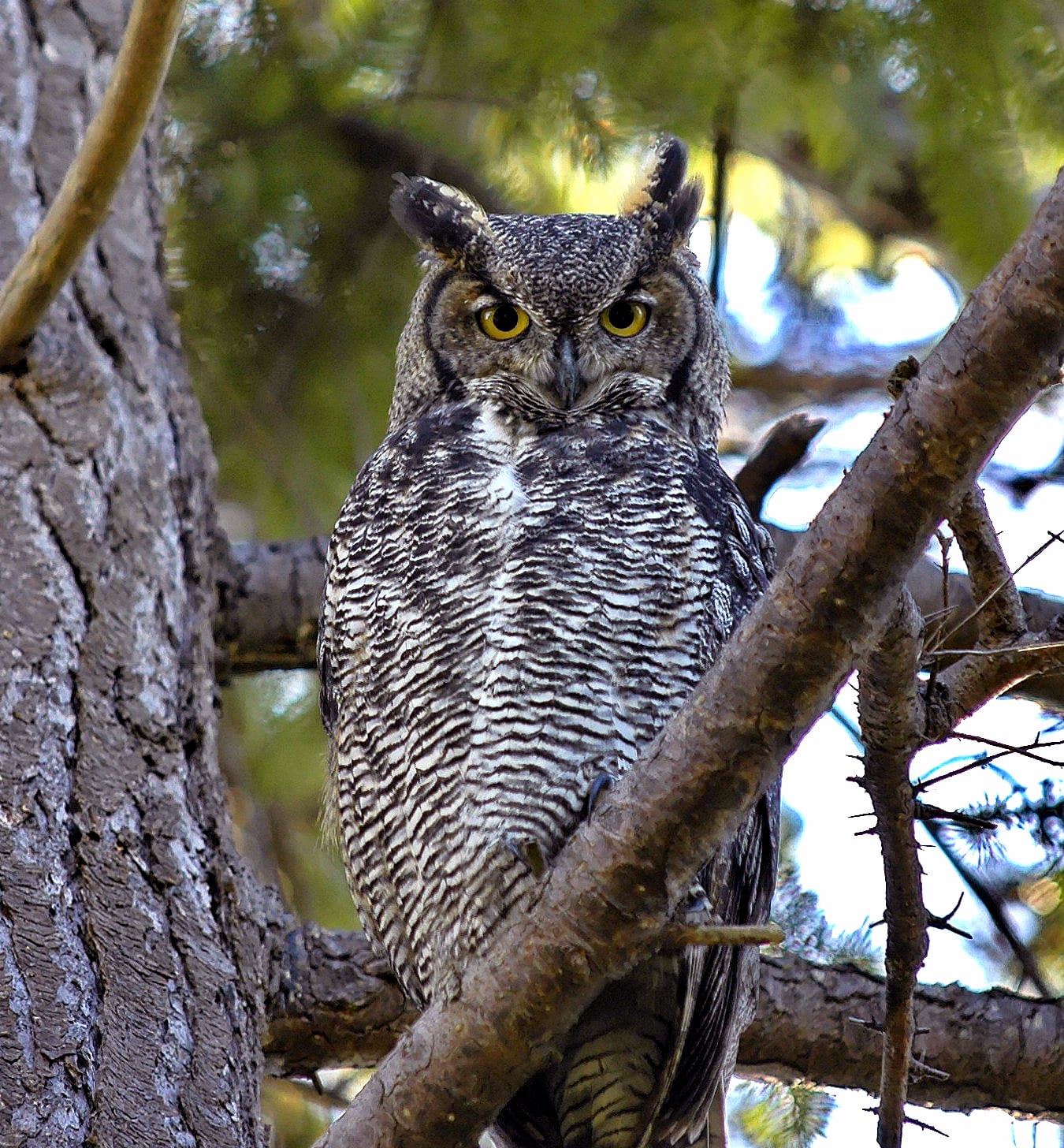
 © brendan.lally / CC BY 2.0
Great Horned Owl
The Great Horned Owl is one of the largest owls in the Americas, instantly recognizable by its long ear tufts, piercing yellow eyes, and white throat patch. Averaging around 55cm in length but spanning over a meter with wings outstretched, it combines an imposing presence with remarkable adaptability across many habitats. Quiet and fiercely independent, it prefers a solitary life, and its wingspan can exceed 150cm with a powerful grip to match. Housing it well calls for a spacious aviary and genuine experience handling birds of prey, making this a species best suited to seasoned keepers ready to commit to a striking, self-contained bird.
View Great Horned Owl encyclopedia →0% commission on your first sales!Register by September 30, 2026 and your first 2 sales are commission-free!
Breeder Wanted!
List on BreederDirect and sell directly to customers nationwide!
Six Transparency Commitments from BreederDirect
All Birds listings include complete Breeder transparency: hand-raised status, DNA sex determination, and health certification details.
- Hand-Raised
- DNA Sex-Determined
- Health Certified
- Origin Disclosed
- Color Variation Specified
- Age in Months Disclosed
Browse all 247 breeds
Care Level
Verified breeders wanted for Birds
Breeders are signing up now ahead of launch. Subscribe to be notified when new listings go live.
Getting alerts is free with a member account. When new listings match your saved search, we'll notify you by email and in-app.
Browse other categories
Verified breeders (preview)
Great Horned Owl key facts
- Care level
- Advanced
- Lifespan
- Up to about 29 years in the wild; the captive record is 50 years
- Size
- 43-64cm (average 55cm; wingspan 91-153cm)
- Diet
- In the wild rabbits, rodents, birds and reptiles; in captivity frozen mice, day-old chicks and quail
- Cage
- With a wingspan reaching 1.5 m, it needs an aviary large enough to spare its feathers. Provide several perches of differing diameters to spread the load on its feet.
- Temperament
- It is large and powerfully footed and strikes with its talons when defending itself, becoming especially fierce in the nesting season. It suits keepers already skilled in restraining and handling raptors.
- Vocalization
- At night it gives a low but carrying ho-ho-hoo hoo hoo of four or five syllables. The voice travels far, so the bird is unsuited to flats and terraced housing.
- Notes
- Listed on CITES Appendix II, so import requires an export permit. A reliable supply of frozen food and proper raptor equipment for restraint are prerequisites.
About Great Horned Owl
One of the largest owls in the Americas, known for its ear tufts and yellow eyes. Its wide wingspan and powerful grip mean it needs a spacious aviary and an experienced raptor keeper.
7 things to know before welcoming a Great Horned Owl
1A Large, Tall Aviary Is Essential
With a wingspan of 91-153cm, this owl needs an aviary with enough width and height to spread its wings and move freely. Perches should be spaced generously to accommodate its size.
2Respecting Its Powerful Grip
Its legs and talons are extremely powerful, so caretakers need to learn proper birds-of-prey handling techniques before routine care or restraint. Approaching without experience is not advisable.
3Solitary and Quiet by Nature
This owl is naturally solitary rather than social. Some individuals grow comfortable with their keeper, but a relationship built on respectful distance suits it better than frequent handling.
4Highly Adaptable Across Habitats
Native across a wide range of the Americas, this species is known for adapting well to varied environments. Even so, keepers should maintain consistent temperature and humidity in captivity.
5Plan for a Long Lifespan
This is a long-lived bird, with wild individuals reaching around 29 years and a captive record of 50 years. Prospective keepers should plan for many years of ongoing care.
6Accounting for Sharp Senses
With large yellow eyes and acute hearing, this owl is sensitive to surrounding sounds and movement. Choose a calm aviary location away from excessive noise or foot traffic.
7Prior Raptor Experience Is Assumed
Its size, strength, and behavior are all typical of a bird of prey, making it unsuitable as a first owl or raptor. Building knowledge and experience beforehand is strongly recommended.
Frequently asked questions about Great Horned Owl
- Q.Can beginners keep a Great Horned Owl?
- A.This species is considered suitable for advanced keepers only. Its size and powerful grip mean it is best suited to those already experienced with birds of prey.
- Q.How large does it grow?
- A.Adults typically measure 43-64cm in length, averaging around 55cm, with a wingspan of 91-153cm when fully extended.
- Q.How long does it live?
- A.Wild individuals have been recorded living up to around 29 years, while the longest known captive record is 50 years.
- Q.Can it become tame with people?
- A.Since it naturally prefers a solitary lifestyle, it is not suited to close interaction like a cat or dog. Some individuals grow accustomed to their keeper, but a respectful distance remains the norm.
- Q.How much space does its aviary need?
- A.With a wingspan of 91-153cm, it needs an aviary spacious and tall enough for it to spread its wings comfortably. A cramped enclosure is not appropriate.
Useful tools for Great Horned Owl care
Learn more about Great Horned Owl in the encyclopedia
View Great Horned Owl encyclopedia entry →
Care difficulty, lifespan, size and diet — all basics covered.
More in this category
Can't find the one you're looking for?
Post your wishes for free and breeders with matching animals will contact you with introductions.