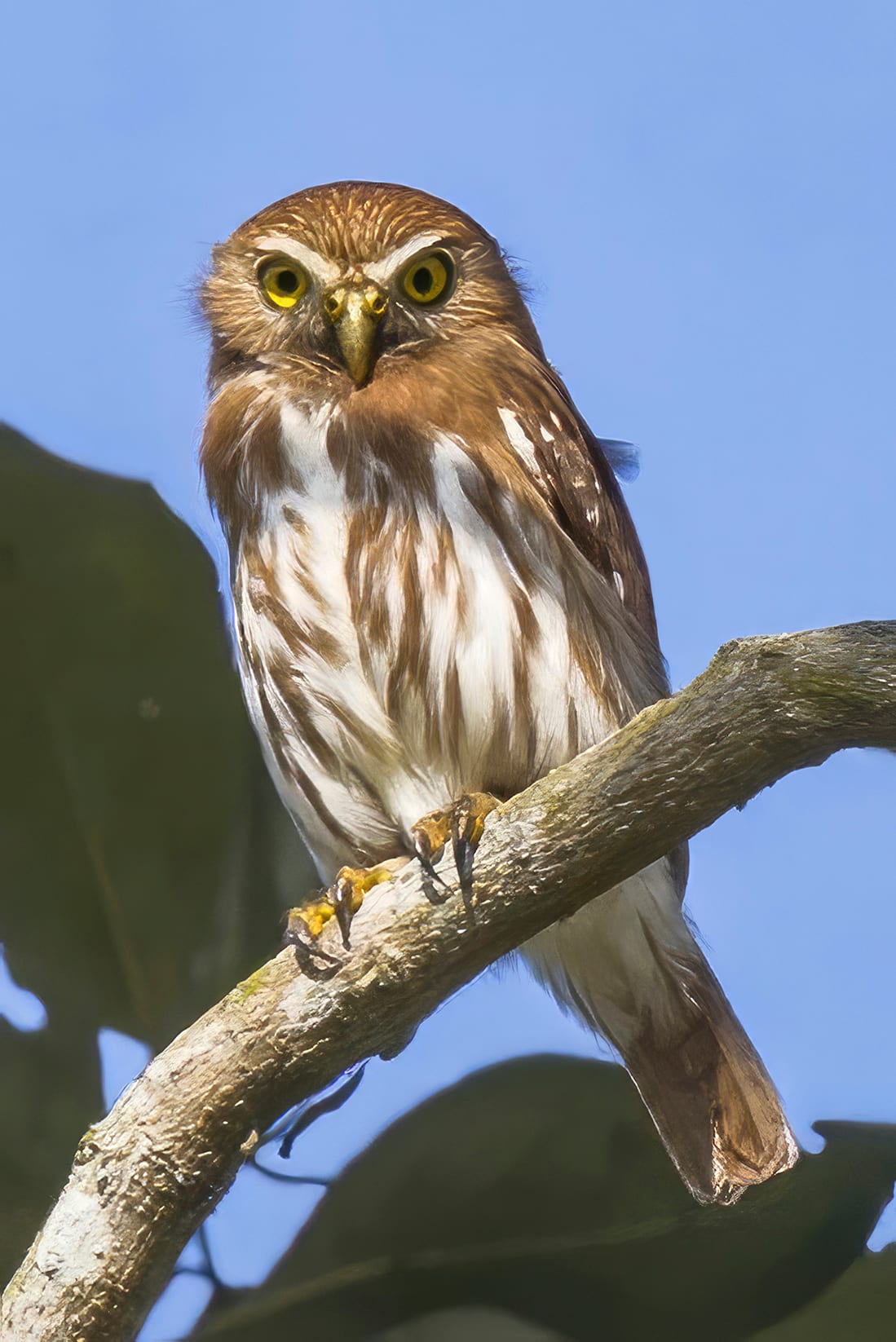
 © Charles J. Sharp / CC BY-SA 4.0
Ferruginous Pygmy Owl
The Ferruginous Pygmy Owl is a small owl reaching only about 15cm in length, notable for feet and talons disproportionately large for its size. It is the most widely distributed pygmy owl species across Central and South America, known for its rhythmic, whistle-like call heard day and night. Despite its diminutive size, it has a bold, assertive temperament and is generally considered a species best suited to experienced keepers. It combines an endearing appearance with genuinely wild instincts, offering a condensed dose of raptor character in a small package.
View Ferruginous Pygmy Owl encyclopedia →0% commission on your first sales!Register by September 30, 2026 and your first 2 sales are commission-free!
Breeder Wanted!
List on BreederDirect and sell directly to customers nationwide!
Six Transparency Commitments from BreederDirect
All Birds listings include complete Breeder transparency: hand-raised status, DNA sex determination, and health certification details.
- Hand-Raised
- DNA Sex-Determined
- Health Certified
- Origin Disclosed
- Color Variation Specified
- Age in Months Disclosed
Browse all 247 breeds
Care Level
Verified breeders wanted for Birds
Breeders are signing up now ahead of launch. Subscribe to be notified when new listings go live.
Getting alerts is free with a member account. When new listings match your saved search, we'll notify you by email and in-app.
Browse other categories
Verified breeders (preview)
Ferruginous Pygmy Owl key facts
- Care level
- Advanced
- Lifespan
- 7-10 years
- Size
- About 15cm
- Diet
- Invertebrates, reptiles, amphibians, birds and mammals in the wild; frozen mice, chicks and insects in captivity
- Cage
- Small but strongly footed and taloned, it needs several perches including thin ones, plus a permanent nest box.
- Temperament
- More active by day than most owls. It preys on small birds, so it cannot be housed with them.
- Vocalization
- It gives a rhythmic whistled hoo-hoo-hoo-hoo, roughly in E flat, and calls during the day as well.
- Notes
- Listed on CITES Appendix II, so import requires an export permit. Its diet spans invertebrates to small vertebrates. Frozen mice, day-old chicks and quail are thawed for feeding, and a steady supply of raptor food is a precondition for keeping the bird.
About Ferruginous Pygmy Owl
The Ferruginous Pygmy Owl is a small owl reaching about 15cm, known for oversized feet, sharp talons, and a whistle-like call heard day and night — a species best suited to experienced keepers.
7 things to know before welcoming a Ferruginous Pygmy Owl
1For Experienced Keepers Only
The Ferruginous Pygmy Owl is considered a species for experienced keepers, requiring specialized knowledge and hands-on experience with birds of prey. It is not recommended as a first raptor. Consulting an experienced keeper or specialist beforehand is strongly advised.
2Small Body, Big Talons
At around 15cm in length, this is one of the smaller owls, yet its feet and talons are disproportionately large and powerful for its size. Its small stature doesn't mean it's easy to handle — it hunts and grips like a true bird of prey.
3Vocal Day and Night
A rhythmic, whistle-like call is one of its most distinctive traits, and unlike many owls, it can be vocal and active during the day as well as at night. Depending on your living situation, this vocal habit is worth considering in advance.
4A Bold Temperament
Despite its small size, this owl has a bold, assertive temperament that calls for calm, experienced handling. Individual personalities vary, but forcing contact should be avoided — trust needs to be built gradually.
5Raptor-Specific Feeding
As a carnivorous bird of prey, it needs a diet and feeding routine suited to its size and natural habits. Managing nutrition and feeding methods is best done with guidance from someone experienced in raptor care.
6Watch for Subtle Changes
Birds of prey tend to mask signs of illness, so keeping a close daily eye on appetite, activity, and feather condition matters. If anything seems off, consult a veterinarian experienced with raptors promptly.
7Prepare Thoroughly Beforehand
Before bringing one home, it's essential to set up housing suited to its size and habits. Talk closely with a knowledgeable breeder or specialist, and make sure you have a concrete picture of daily care and environment beforehand.
Frequently asked questions about Ferruginous Pygmy Owl
- Q.Can beginners keep a Ferruginous Pygmy Owl?
- A.This species is generally considered suitable for experienced keepers, not those new to raptor care. It's best to consult an experienced specialist or reputable breeder before considering one.
- Q.How big does it grow?
- A.As an adult, it reaches only about 15cm in length, making it one of the smaller owl species. Despite its compact size, its feet and talons remain notably strong.
- Q.Is it a loud or noisy bird?
- A.It makes a rhythmic, whistle-like call and, unlike many owls, may vocalize during the day as well as at night. Depending on your living situation, it's worth thinking about noise in advance.
- Q.Can it be kept alongside other owls?
- A.Whether this is suitable depends heavily on individual temperament and setup, so there's no single answer. If you're considering housing it with others, consult a raptor specialist about your specific situation.
- Q.Is it active during the day or at night?
- A.Unlike many owls, it can be quite active and vocal during the day as well as at night, making its rhythmic call at various hours. This is worth factoring into how you plan its living environment.
Useful tools for Ferruginous Pygmy Owl care
Learn more about Ferruginous Pygmy Owl in the encyclopedia
View Ferruginous Pygmy Owl encyclopedia entry →
Care difficulty, lifespan, size and diet — all basics covered.
More in this category
Can't find the one you're looking for?
Post your wishes for free and breeders with matching animals will contact you with introductions.