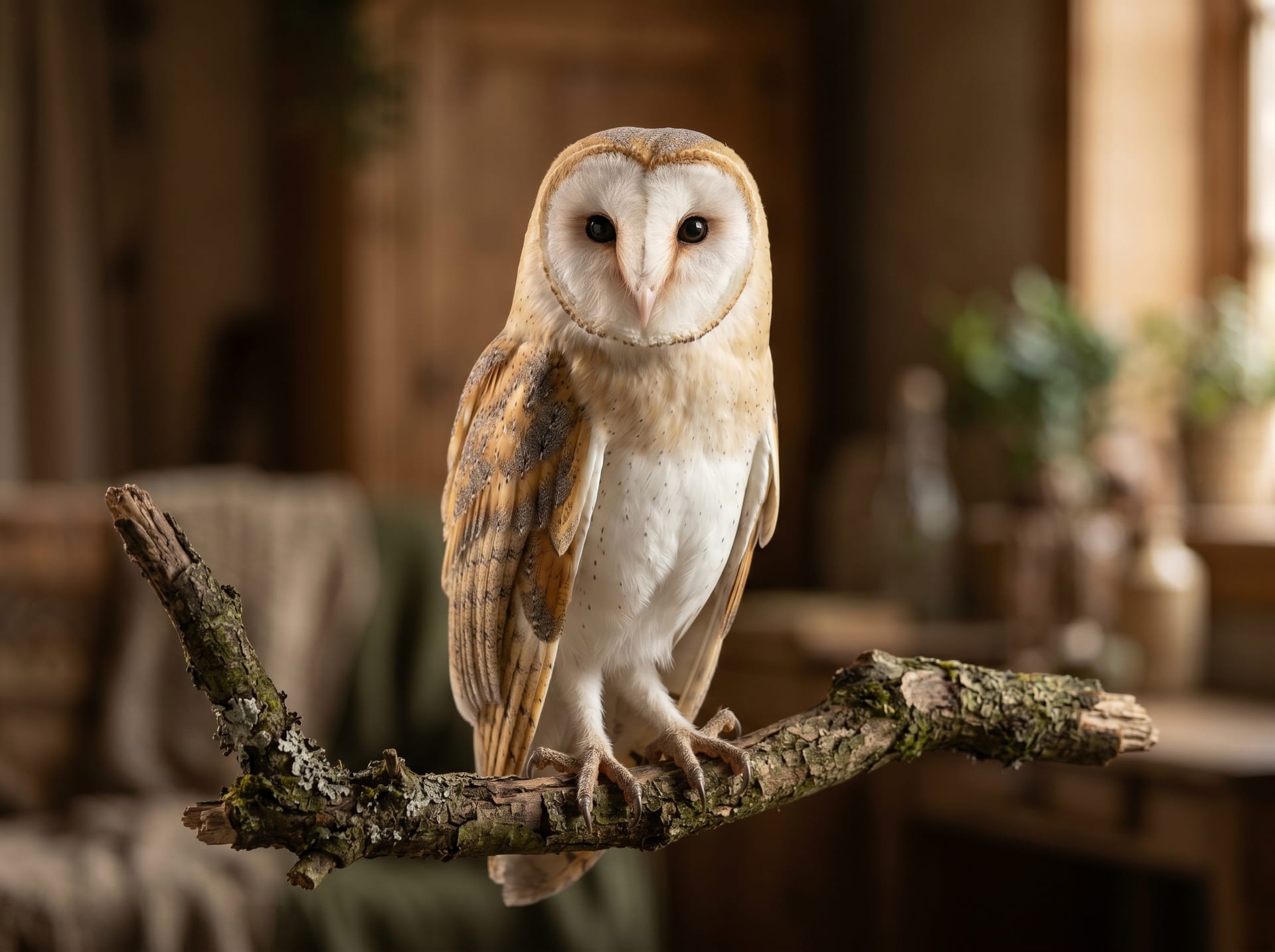
Barn Owl
The Barn Owl is instantly recognizable by its heart-shaped facial disc and is one of the most widely distributed owls in the world. Measuring around 33 to 39 cm, this nocturnal bird is most active after dark and flies almost silently thanks to its specialized feathers. Many individuals are calm and grow comfortable around their keepers, making the species a popular starting point for those new to raptor keeping. With a lifespan of 15 to 20 years, a Barn Owl becomes a long-term companion. Because their care calls for real knowledge and experience, this is considered an intermediate-level species — take time to learn about their needs before bringing one home.
View Barn Owl encyclopedia →0% commission on your first sales!Register by September 30, 2026 and your first 2 sales are commission-free!
Breeder Wanted!
List on BreederDirect and sell directly to customers nationwide!
Six Transparency Commitments from BreederDirect
All Birds listings include complete Breeder transparency: hand-raised status, DNA sex determination, and health certification details.
- Hand-Raised
- DNA Sex-Determined
- Health Certified
- Origin Disclosed
- Color Variation Specified
- Age in Months Disclosed
Browse all 247 breeds
Care Level
Verified breeders wanted for Birds
Breeders are signing up now ahead of launch. Subscribe to be notified when new listings go live.
Getting alerts is free with a member account. When new listings match your saved search, we'll notify you by email and in-app.
Browse other categories
Verified breeders (preview)
Barn Owl key facts
- Care level
- Intermediate
- Lifespan
- 15-20 years
- Size
- 33-39cm
- Temperature
- 15〜28℃
- Humidity
- 40〜60%
- Diet
- Mice, chicks, and other animal-based diet
- Housing
- Tethered or flight cage. Perches essential
- Diet
- Frozen mice as staple. Whole prey with organs ideal
- Health
- Must secure a vet experienced with raptors
- Notes
- Nocturnal — provide dark environment during daytime
About Barn Owl
A guide to the Barn Owl, known for its heart-shaped face and near-silent nocturnal flight, and popular as an entry point into raptor keeping. Learn about its traits, temperament, and what to know before bringing one home.
7 things to know before welcoming a Barn Owl
1A Nocturnal Rhythm
Barn Owls rest quietly during the day and become active after dark. Plan your household noise and lighting around their nighttime activity.
2Nearly Silent Flight
Specialized feather structures let Barn Owls fly almost without a sound. If you let them fly indoors, keep this in mind for everyone's safety, since they can approach without warning.
3An Intermediate-Level Bird
Barn Owls are considered suitable for keepers with some raptor experience already. First-time raptor owners should research thoroughly before bringing one home.
4A 15-20 Year Commitment
With a lifespan of 15 to 20 years, owning a Barn Owl is a long-term commitment. Think ahead about your living situation and who will care for the bird over time.
5Size and Space Needs
Adults typically measure 33 to 39 cm. Make sure you can provide an enclosure spacious enough for them to stretch their wings and move around comfortably.
6The Heart-Shaped Face
The owl's distinctive heart-shaped facial disc helps funnel sound toward its ears, aiding in precise hunting. It's also one of the most recognizable and charming features of the species.
7Feeding and Hygiene
Owls regurgitate the indigestible parts of their prey as pellets after eating. Be prepared for regular feeding routines and enclosure cleaning to keep your bird healthy.
Frequently asked questions about Barn Owl
- Q.Do Barn Owls bond with their owners?
- A.Individual personalities vary, but some Barn Owls grow comfortable with consistent, gentle handling from a young age. Keep in mind they're raptors, so don't expect the same kind of affection you'd get from a dog or cat.
- Q.Are Barn Owls noisy?
- A.Rather than a typical owl hoot, Barn Owls often make a distinctive raspy screech. Since they're nocturnal, they may vocalize at night, so it's worth considering how this affects your household or neighbors.
- Q.Can a beginner keep a Barn Owl?
- A.Barn Owls are considered an intermediate-level species, so anyone without prior raptor experience should thoroughly research their care before bringing one home. If it's your first raptor, it helps to consult reliable, specialized resources as you prepare.
- Q.Are Barn Owls subject to CITES regulations?
- A.Barn Owl is listed in CITES Appendix II. International trade requires a permit from the exporting country, but as far as CITES is concerned, no registration is needed to buy or sell individuals already legally in Japan.
- Q.Can I keep one if I'm away from home often?
- A.Since they're nocturnal, Barn Owls rest for much of the day, but daily feeding and enclosure care are still essential. If you're frequently away for long periods, make sure you have a reliable care plan in place.
Useful tools for Barn Owl care
Learn more about Barn Owl in the encyclopedia
View Barn Owl encyclopedia entry →
Care difficulty, lifespan, size and diet — all basics covered.
More in this category
Can't find the one you're looking for?
Post your wishes for free and breeders with matching animals will contact you with introductions.