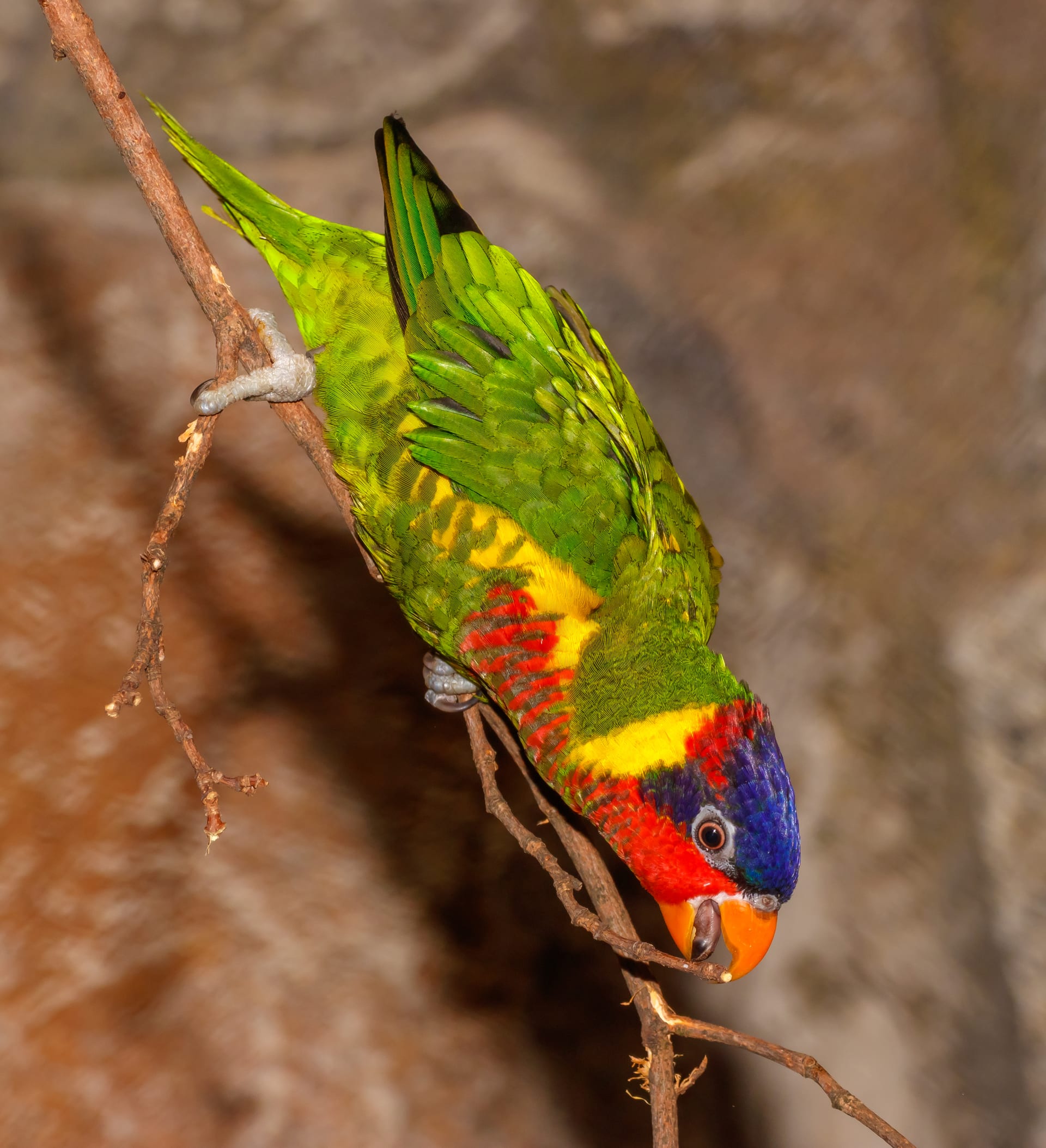
 © H. Zell / CC BY-SA 3.0
Ornate Lorikeet
The Ornate Lorikeet is a strikingly colorful mid-sized parrot, with a green body, a purple-blue crown, red markings beneath the eyes, and bold red-and-blue banding across the throat and chest. Native only to Sulawesi and its surrounding islands in Indonesia, it measures about 24-25cm in length and weighs around 110-120g. Curious, energetic, and quick to bond with people, this species feeds mainly on nectar and pollen in the wild, which means keepers need specialized feeding knowledge, making it a bird best suited to intermediate keepers rather than absolute beginners.
View Ornate Lorikeet encyclopedia →0% commission on your first sales!Register by September 30, 2026 and your first 2 sales are commission-free!
Breeder Wanted!
List on BreederDirect and sell directly to customers nationwide!
Six Transparency Commitments from BreederDirect
All Birds listings include complete Breeder transparency: hand-raised status, DNA sex determination, and health certification details.
- Hand-Raised
- DNA Sex-Determined
- Health Certified
- Origin Disclosed
- Color Variation Specified
- Age in Months Disclosed
Browse all 247 breeds
Care Level
Verified breeders wanted for Birds
Breeders are signing up now ahead of launch. Subscribe to be notified when new listings go live.
Getting alerts is free with a member account. When new listings match your saved search, we'll notify you by email and in-app.
Browse other categories
Verified breeders (preview)
Ornate Lorikeet key facts
- Care level
- Intermediate
- Lifespan
- 10-15 years
- Size
- 24-25cm
- Diet
- Lory nectar, specialist lory pellets, fruit and pollen
- Cage
- Provide a cage wide enough for a medium-sized lory and add washable wall protection, as the liquid droppings carry.
- Temperament
- A species that lives in pairs and small flocks and is constantly active. A solitary bird needs plenty of play time.
- Vocalization
- Like other lories the voice is high and sharp, so in an apartment the room placement needs thought.
- Notes
- It feeds mainly on pollen and nectar, so a seed-based diet will not do. Nectar spoils quickly and must be replaced at least twice a day.
About Ornate Lorikeet
A vividly colored mid-sized parrot endemic to Sulawesi, Indonesia, with a green body, purple-blue crown, and red-and-blue banded chest. Active, sociable, and suited to intermediate keepers.
7 things to know before welcoming a Ornate Lorikeet
1A specialized nectar diet
In the wild, Ornate Lorikeets feed mainly on nectar and pollen, so captive diets should center on a specialized liquid or powdered lorikeet nectar formula. A typical seed-based parrot diet alone is not nutritionally appropriate for this species.
2Droppings are watery
Because of its liquid, nectar-based diet, this species produces noticeably runnier droppings than seed-eating parrots. Be prepared for more frequent cage cleaning and liner changes.
3Curious and playful
Ornate Lorikeets are highly active and curious, showing strong interest in toys and enrichment items. Regular out-of-cage time and varied playthings help keep them mentally stimulated.
4Fairly vocal calls
This species can be quite vocal, especially when excited, with calls that carry well. If you live in an apartment or share walls with neighbors, consider where you place the cage.
5Space to match its energy
Although mid-sized, this bird is very active, so a roomy cage with space for perches and toys helps it stay comfortable. Varying perch placement also encourages natural movement and exercise.
6Affectionate but may nip
While affectionate and playful with people, this species can nip when overly excited. If young children will interact with the bird, supervise closely and teach appropriate handling.
7Prepare the environment first
Before bringing one home, set up a cage, perches, and a nectar feeder suited to this bird's active nature and specialized diet. Also choose a location that avoids sudden temperature changes.
Frequently asked questions about Ornate Lorikeet
- Q.Can beginners keep an Ornate Lorikeet?
- A.Ornate Lorikeets are considered a species best suited to intermediate keepers. Their specialized nectar-based diet makes them a better fit for people with some prior parrot-keeping experience.
- Q.What should it be fed on a daily basis?
- A.In the wild this species feeds mainly on nectar and pollen, so captive diets should be centered on a commercial lorikeet nectar formula. A standard seed-based parrot diet alone will not meet its nutritional needs.
- Q.Is the Ornate Lorikeet noisy?
- A.Yes, this species can call loudly and clearly when excited, placing it among the noisier parrot species. Depending on your living situation, you may need to consider the impact on neighbors.
- Q.What kind of personality does it have?
- A.Ornate Lorikeets are curious, highly active, and tend to bond well with people. They enjoy play, though they can nip when excited, so handling them well takes some practice.
- Q.Is this species subject to CITES regulations?
- A.Ornate Lorikeet is listed in CITES Appendix II. International trade requires a permit from the exporting country, but as far as CITES is concerned, no registration is needed to buy or sell individuals already legally in Japan.
Useful tools for Ornate Lorikeet care
Learn more about Ornate Lorikeet in the encyclopedia
View Ornate Lorikeet encyclopedia entry →
Care difficulty, lifespan, size and diet — all basics covered.
More in this category
Can't find the one you're looking for?
Post your wishes for free and breeders with matching animals will contact you with introductions.