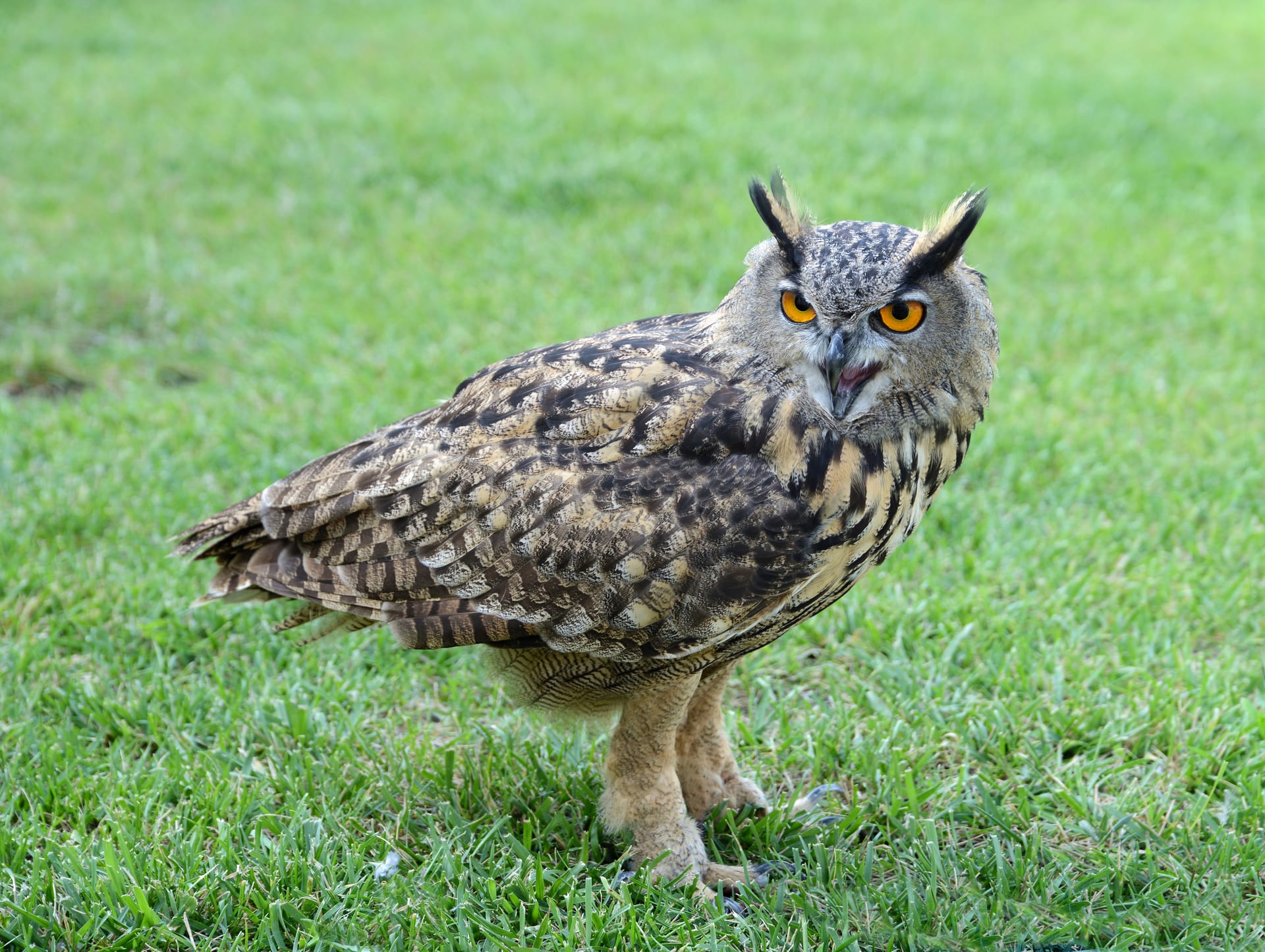
 © Alvesgaspar / CC BY-SA 4.0
Eurasian Eagle-Owl
The Eurasian Eagle-Owl is one of the largest owl species in the world, instantly recognizable by its long ear tufts and striking orange eyes. Females can reach 75 cm in body length with a wingspan of up to 188 cm, giving this bird a truly commanding presence. As a nocturnal hunter, it preys on everything from rodents and rabbits to other birds, reflecting sharp instincts and physical power. Naturally suited to mountainous and rocky terrain, it requires generous space and specialized care, making it a species best suited to experienced keepers.
View Eurasian Eagle-Owl encyclopedia →0% commission on your first sales!Register by September 30, 2026 and your first 2 sales are commission-free!
Breeder Wanted!
List on BreederDirect and sell directly to customers nationwide!
Six Transparency Commitments from BreederDirect
All Birds listings include complete Breeder transparency: hand-raised status, DNA sex determination, and health certification details.
- Hand-Raised
- DNA Sex-Determined
- Health Certified
- Origin Disclosed
- Color Variation Specified
- Age in Months Disclosed
Browse all 247 breeds
Care Level
Verified breeders wanted for Birds
Breeders are signing up now ahead of launch. Subscribe to be notified when new listings go live.
Getting alerts is free with a member account. When new listings match your saved search, we'll notify you by email and in-app.
Browse other categories
Verified breeders (preview)
Eurasian Eagle-Owl key facts
- Care level
- Advanced
- Lifespan
- 15+ years
- Size
- Females reach 75cm with a wingspan of 188cm, males slightly smaller; the largest specimens weigh 4.6kg
- Diet
- Frozen rats, mice, quail and day-old chicks; in the wild mainly small mammals such as rodents and rabbits, plus birds and larger mammals
- Cage
- With a wingspan reaching 188 cm it is among the largest owls and needs a spacious, solidly built aviary. As a bird of rocky country it appreciates perches at varied heights.
- Temperament
- Large and powerful, it defends its nest fiercely in the breeding season and attacks on people are known, so handling calls for experience and protection. It is strongly solitary.
- Vocalization
- The male repeats a deep, low ooh-hu said to carry for kilometres on a quiet night. Low frequencies pass through walls, so keeping one near neighbours calls for care.
- Notes
- Listed on CITES Appendix II, so import requires an export permit. Its size, power and appetite mean facilities, cost and safety management must all match those for a large raptor.
About Eurasian Eagle-Owl
Discover the Eurasian Eagle-Owl, one of the world's largest owls, known for its long ear tufts and striking orange eyes. This powerful, large-bodied raptor suits experienced keepers only.
7 things to know before welcoming a Eurasian Eagle-Owl
1Spacious Housing Is Essential
The Eurasian Eagle-Owl is a large raptor with a wingspan reaching up to 188 cm, so it needs a cage or aviary large enough for it to stretch and move freely. Cramped housing can damage its feathers and tail, so prepare adequate space before bringing one home.
2A Nocturnal Routine
This owl is primarily active at night and tends to rest quietly out of sight during the day. Scheduling feeding and observation around this rhythm can help reduce stress.
3A Powerful Hunting Instinct
In the wild, it hunts a wide range of prey, from rodents to rabbits and even other birds, reflecting a strong natural hunting drive. This instinct doesn't disappear in captivity, so feeding requires specialized knowledge.
4Suited to Mountains and Rock
This species naturally favors mountainous terrain and rocky outcrops, and it helps to reflect that preference in the layout of perches and resting spots. Setting up such an environment benefits from experience in raptor care.
5Best Suited to Experienced Keepers
Given its size, temperament, and equipment needs, the Eurasian Eagle-Owl is considered suitable for keepers with raptor-handling experience. If this would be your first bird, consider building experience before taking one on.
6Strong Legs and Sharp Talons
As a large raptor, it has powerful legs and sharp talons, so proper protective gear like handling gloves and correct technique are essential. Everyday handling requires practice and experience.
7Plan for the Long Term
Before bringing one home, it's worth putting together a long-term care plan covering daily feeding, space maintenance, and health monitoring. Prepare with guidance from reliable sources or experienced keepers.
Frequently asked questions about Eurasian Eagle-Owl
- Q.Is the Eurasian Eagle-Owl suitable for beginners?
- A.Because of its large size, strength, and the specialized knowledge and equipment it requires, the Eurasian Eagle-Owl is considered a species for experienced keepers. It's best to build experience with birds before taking one on.
- Q.How big does this owl get?
- A.Females reach about 75 cm in body length with a wingspan of up to 188 cm. Males are somewhat smaller, but this remains one of the largest owl species.
- Q.What does it do during the day?
- A.As a nocturnal species, it tends to rest in a sheltered spot during the day. It becomes most active at night.
- Q.What kind of environment does it need?
- A.Since it naturally favors mountainous terrain and rocky areas, it helps to reflect that in the layout of perches and resting spaces. Enough room to fully spread its wings is also essential.
- Q.Is the Eurasian Eagle-Owl subject to CITES?
- A.Eurasian Eagle-Owl is listed in CITES Appendix II. International trade requires a permit from the exporting country, but as far as CITES is concerned, no registration is needed to buy or sell individuals already legally in Japan.
Useful tools for Eurasian Eagle-Owl care
Learn more about Eurasian Eagle-Owl in the encyclopedia
View Eurasian Eagle-Owl encyclopedia entry →
Care difficulty, lifespan, size and diet — all basics covered.
More in this category
Can't find the one you're looking for?
Post your wishes for free and breeders with matching animals will contact you with introductions.