 © Petro Stelte / CC BY-SA 4.0
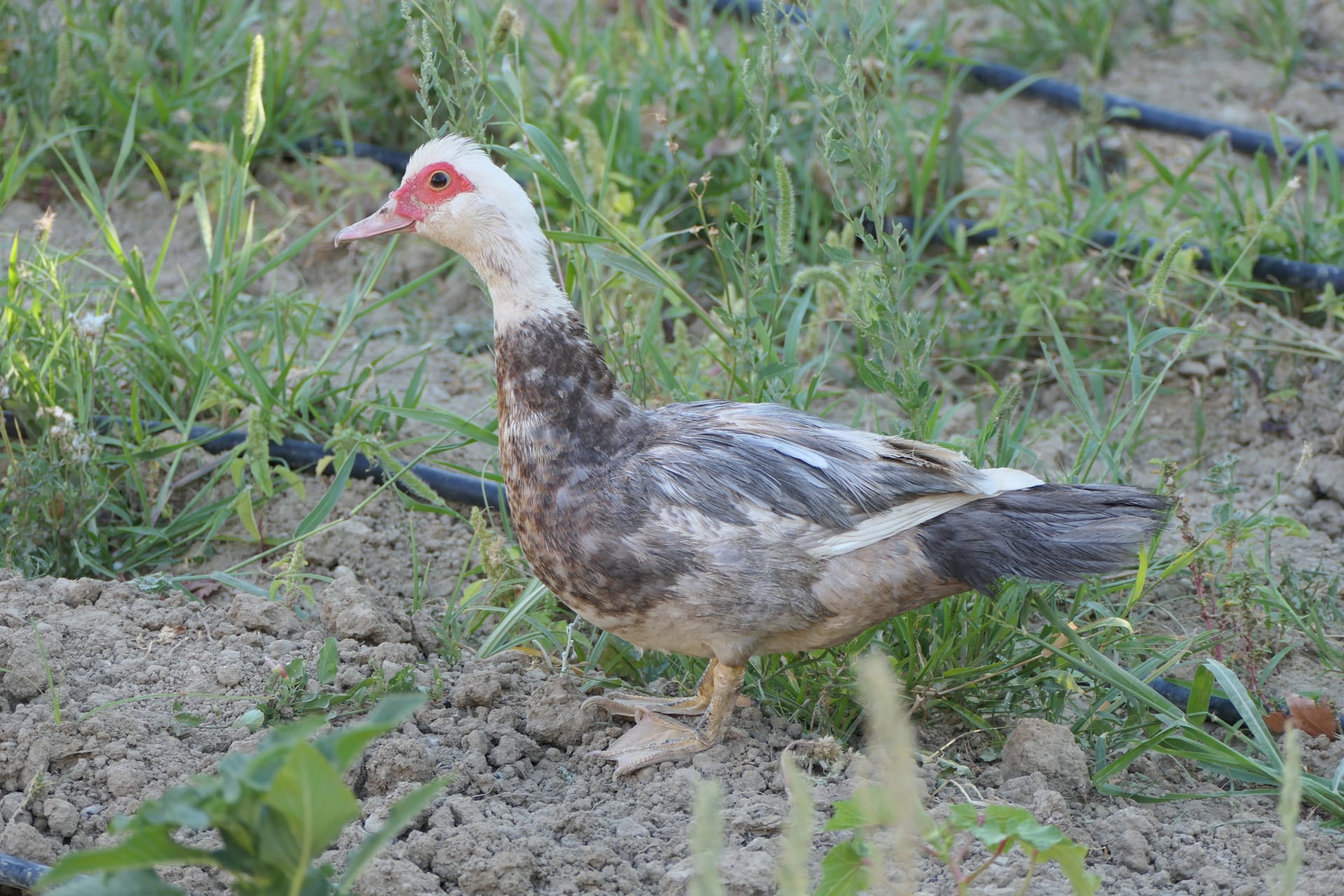
Muscovy Duck (domestic)
The Muscovy Duck (domestic) is a large domesticated waterfowl descended from the wild Muscovy of Central and South America, easily recognized by the red fleshy caruncles covering its face and bill. Males grow to nearly twice the size of females, giving the breed a striking sexual dimorphism. Unlike most ducks, Muscovies are known for their quiet, subdued calls rather than loud quacking. They also have an unusual habit among waterfowl of nesting in tree cavities and perching off the ground. Calm and hardy by nature, they've long been kept as a practical poultry breed, though their large adult size means keepers should have some prior experience and adequate space.
View Muscovy Duck (domestic) encyclopedia →0% commission on your first sales!Register by September 30, 2026 and your first 2 sales are commission-free!
Breeder Wanted!
List on BreederDirect and sell directly to customers nationwide!
Six Transparency Commitments from BreederDirect
All Birds listings include complete Breeder transparency: hand-raised status, DNA sex determination, and health certification details.
- Hand-Raised
- DNA Sex-Determined
- Health Certified
- Origin Disclosed
- Color Variation Specified
- Age in Months Disclosed
Browse all 247 breeds
Care Level
Verified breeders wanted for Birds
Breeders are signing up now ahead of launch. Subscribe to be notified when new listings go live.
Getting alerts is free with a member account. When new listings match your saved search, we'll notify you by email and in-app.
Browse other categories
Verified breeders (preview)
Muscovy Duck (domestic) key facts
- Care level
- Intermediate
- Lifespan
- 8-12 years
- Size
- Drakes 76-84cm and 3-4kg, ducks 71-76cm and about 1.25kg (wingspan 137-152cm)
- Diet
- Waterfowl feed, grain and greens; omnivorous, also taking insects in the open
- Cage
- It needs bathing water and a predator-proof house at night. Enough flight ability remains that open housing requires a roof or wing management, and the bird likes a high platform, reflecting its tree-perching habit.
- Temperament
- It lives in polygynous flocks and suits group housing. Drakes are large and can fight in the breeding season, so keep the number of males low.
- Vocalization
- It does not quack; the drake gives a low breathy call and the duck a quiet trilling coo. The volume is low, making it one of the least noisy domestic waterfowl.
- Notes
- The birds retain enough flight to escape, and escapees are recorded across Japan, so housing must be secure. Crosses with the domestic duck, the mulard, are sterile.
About Muscovy Duck (domestic)
A large domesticated duck from Central/South America with red facial caruncles. Males are nearly twice the size of females, calls are quiet, and it nests in tree cavities — best suited to experienced keepers.
7 things to know before welcoming a Muscovy Duck (domestic)
1Needs ample space
Males grow to 76–84cm with a wingspan of 137–152cm. You'll need outdoor space with access to water and enough room for them to move freely.
2Large size difference between sexes
Males weigh 3–4kg while females weigh around 1.25kg — nearly double. If keeping multiple birds together, plan groupings with this size gap in mind.
3Relatively quiet calls
Unusually for a duck, Muscovies are known for their quiet calls. This makes noise less of a concern for neighbors compared to other waterfowl.
4Will perch off the ground
Unusually for a duck, Muscovies nest in tree cavities and will sometimes perch above ground. Consider providing perching options in addition to ground-level setups.
5Suited to experienced keepers
This breed is considered suited to keepers with some experience. Its large size and space requirements mean first-time poultry owners should prepare carefully.
6Facial caruncles vary by individual
The red caruncles covering the face and bill become more pronounced with age and vary in extent from bird to bird, making their development part of the enjoyment of raising one.
7Prepare the environment beforehand
Since Muscovies grow quite large as adults, it's important to prepare housing space and access to water sized for their eventual adult size before bringing one home. Also check in advance how the environment fits with your neighborhood.
Frequently asked questions about Muscovy Duck (domestic)
- Q.Is the Muscovy Duck subject to CITES?
- A.The Muscovy Duck (domestic) is not subject to CITES. There are no special international trade regulations tied to this designation.
- Q.How much do males and females differ in size?
- A.Males measure 76–84cm and weigh 3–4kg, while females measure 71–76cm and weigh around 1.25kg — males weigh nearly twice as much. Wingspan ranges from 137 to 152cm.
- Q.Are they noisy?
- A.Muscovies are known among ducks for their relatively quiet calls. That said, individual variation exists, so it's worth checking directly before bringing one home.
- Q.Can beginners keep this breed?
- A.This breed is rated as suited to keepers with some experience. Its adult size and space requirements mean thorough preparation and research are recommended before starting.
- Q.Is it true they perch in trees?
- A.Yes. Unusually for a duck, Muscovies nest in tree cavities and will sometimes perch off the ground. It helps to design their environment with perching spots in mind, not just ground-level space.
Useful tools for Muscovy Duck (domestic) care
Learn more about Muscovy Duck (domestic) in the encyclopedia
View Muscovy Duck (domestic) encyclopedia entry →
Care difficulty, lifespan, size and diet — all basics covered.
More in this category
Can't find the one you're looking for?
Post your wishes for free and breeders with matching animals will contact you with introductions.