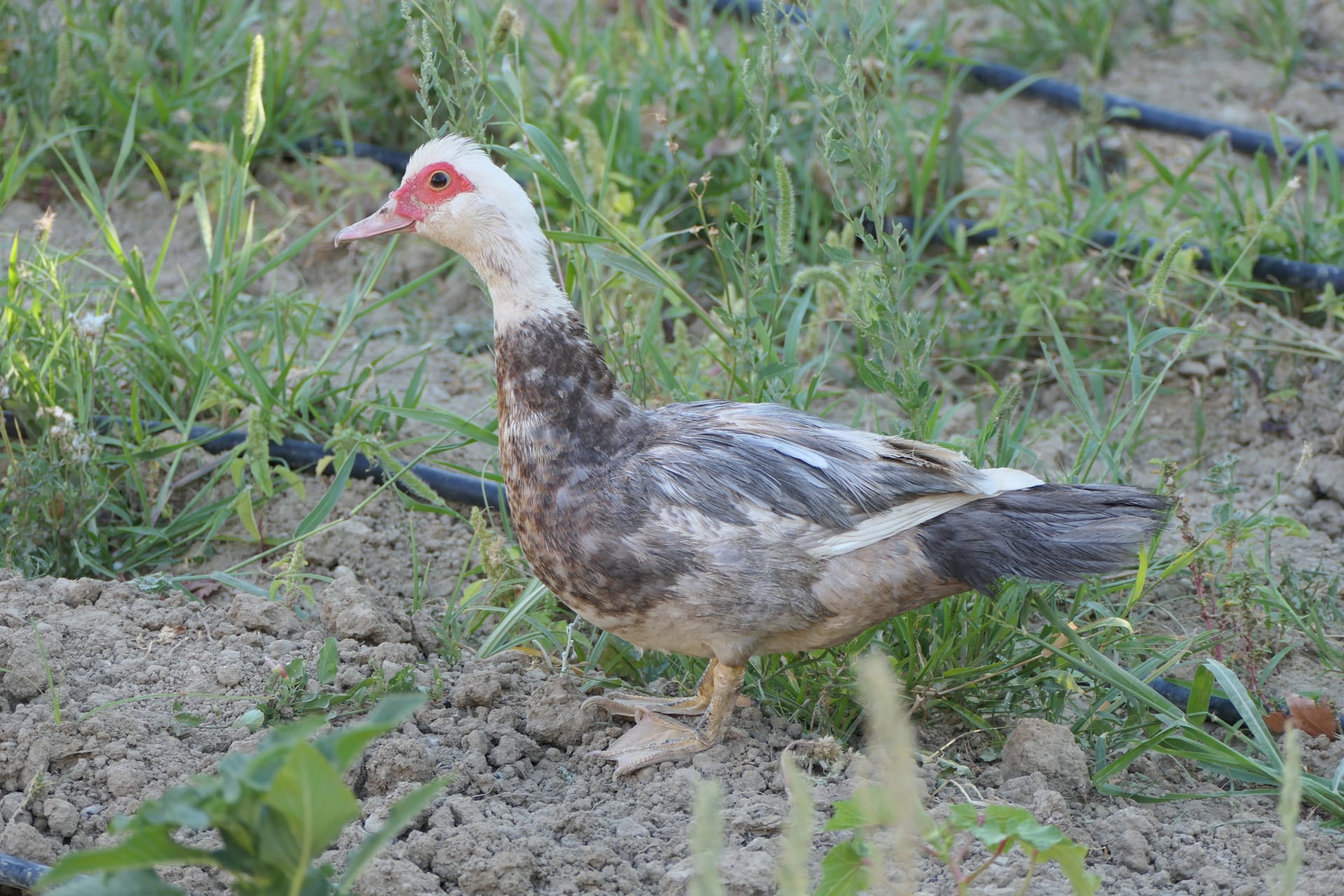
Source: Wikimedia Commons
Muscovy Duck (domestic)
IntermediateCairina moschata domestica
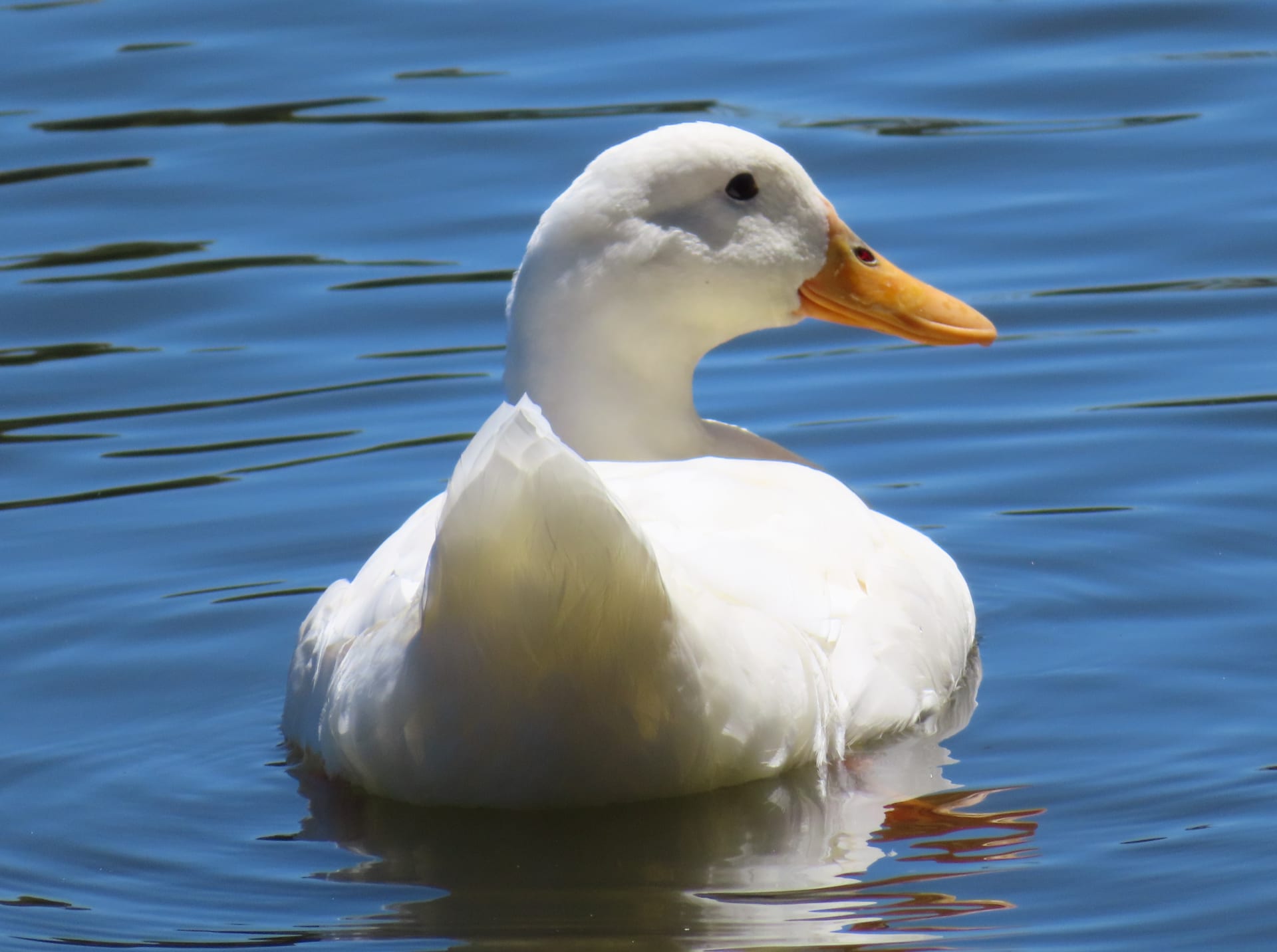
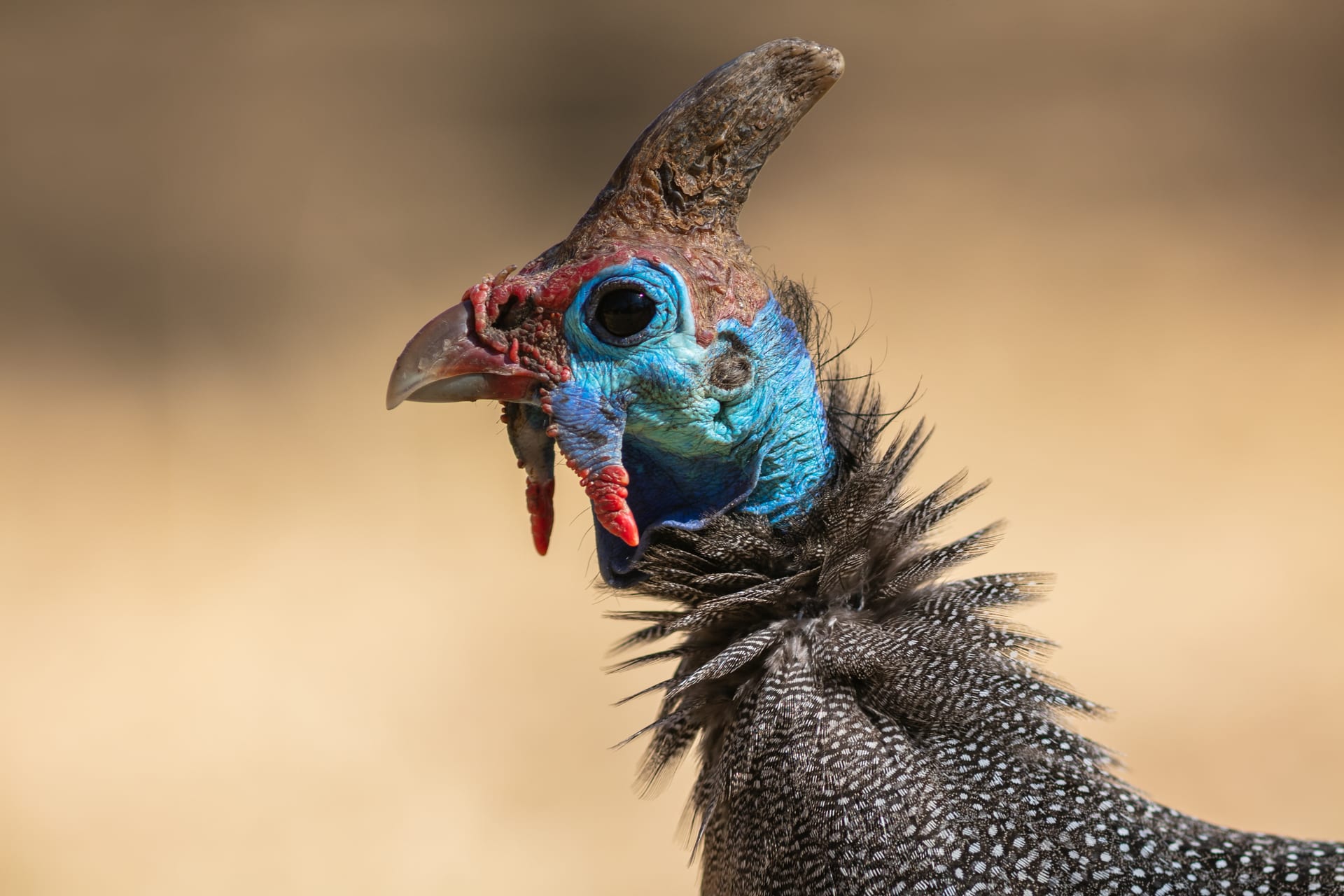
A large domesticated duck developed from the wild Muscovy of Central and South America, marked by red caruncles on the face. Drakes are nearly twice the size of ducks, and the breed is notably quiet. Unusually for a duck it perches in trees and nests in hollows.
Difficulty
Intermediate
Temperature
15〜30℃
Lifespan
8-12 years
Size
Drakes 76-84cm and 3-4kg, ducks 71-76cm and about 1.25kg (wingspan 137-152cm)
Humidity
40〜60%
Diet
Waterfowl feed, grain and greens; omnivorous, also taking insects in the open
About
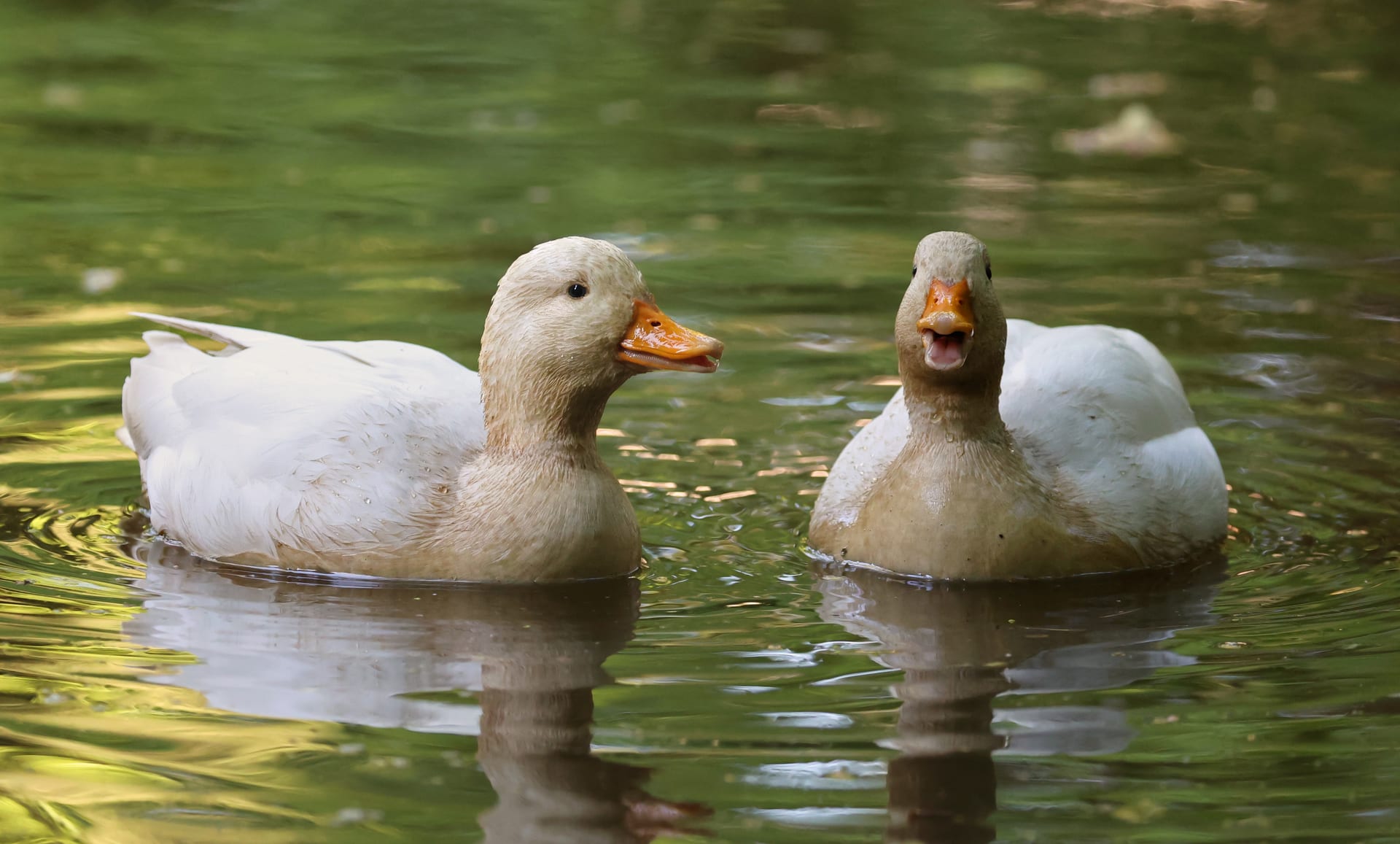
The domestic Muscovy duck (Cairina moschata domestica) is a large duck developed from the wild Muscovy of Central and South America. Wild birds are glossy greenish black with white wing patches, but domestic stock varies from all white through pied to nearly black, and the bare face and bill base carry bright red caruncles, sometimes with a knob. Domestic birds are heavier and fly less well than wild ones, though they keep the species' unusual habit of perching and nesting in tree holes. Native Americans kept the bird before Columbus, and stable carbon and nitrogen isotope data from human and animal remains in the Amazon basin suggest it was being fed maize by around AD 800. It reached Japan as a table bird but never became common; in Okinawa it is kept and has gone feral under the name kannon ahiru. Its hybrid with the domestic duck, the mulard, is sterile.
Source: Wikipedia (CC BY-SA 4.0)
Lifespan of the Muscovy Duck (domestic)
The Muscovy Duck (domestic) lives 8-12 years.
Size of the Muscovy Duck (domestic)
The Muscovy Duck (domestic) grows to Drakes 76-84cm and 3-4kg, ducks 71-76cm and about 1.25kg (wingspan 137-152cm).
In the wild form drakes are 76-84 cm long and weigh 3-4 kg while ducks are 71-76 cm and about 1.25 kg, with a wingspan of 137-152 cm.
Basic Info
Origin
Central and South America; the wild Muscovy ranges from the Lower Rio Grande Valley of Texas to Argentina and Uruguay
Lifespan
8-12 years
Care Specifications
PeacefulGroup
Sources: Wikipedia - Muscovy duck / Wikipedia - Muscovy duck, Japanese edition (domestic Muscovy section)
References & Sources
Edited & verified by: BreederDirect editorial team
The taxonomic, regulatory, and husbandry data on this page are compiled and verified against the authoritative primary sources below.
Taxonomy & Authority
Accepted name: Cairina moschata domestica (Linnaeus, 1758)
Synonyms: Cairina moschata var. domestica, Anas moschata
Authority databases: GBIF
Nomenclature follows global taxonomic authority databases.
Regulations & Conservation Status
Not CITES-listed
Domestic law: The birds can still fly and escapees are recorded across Japan, with feral populations notably in Okinawa. Do not release or abandon birds, and keep housing escape-proof.
Cairina moschata domestica. The wild Muscovy duck is not listed in the CITES Appendices, so the domestic form is not covered, and it does not appear in the Japanese schedule of designated dangerous animals.
Sources: CITES Appendices (species not listed) / Cabinet Order under the Act on Welfare and Management of Animals, appended table (designated dangerous animals)
Regulations may change. Always verify the latest information with the relevant authorities.
Muscovy Duck (domestic) Listings
Loading latest listingsFind listings for this species