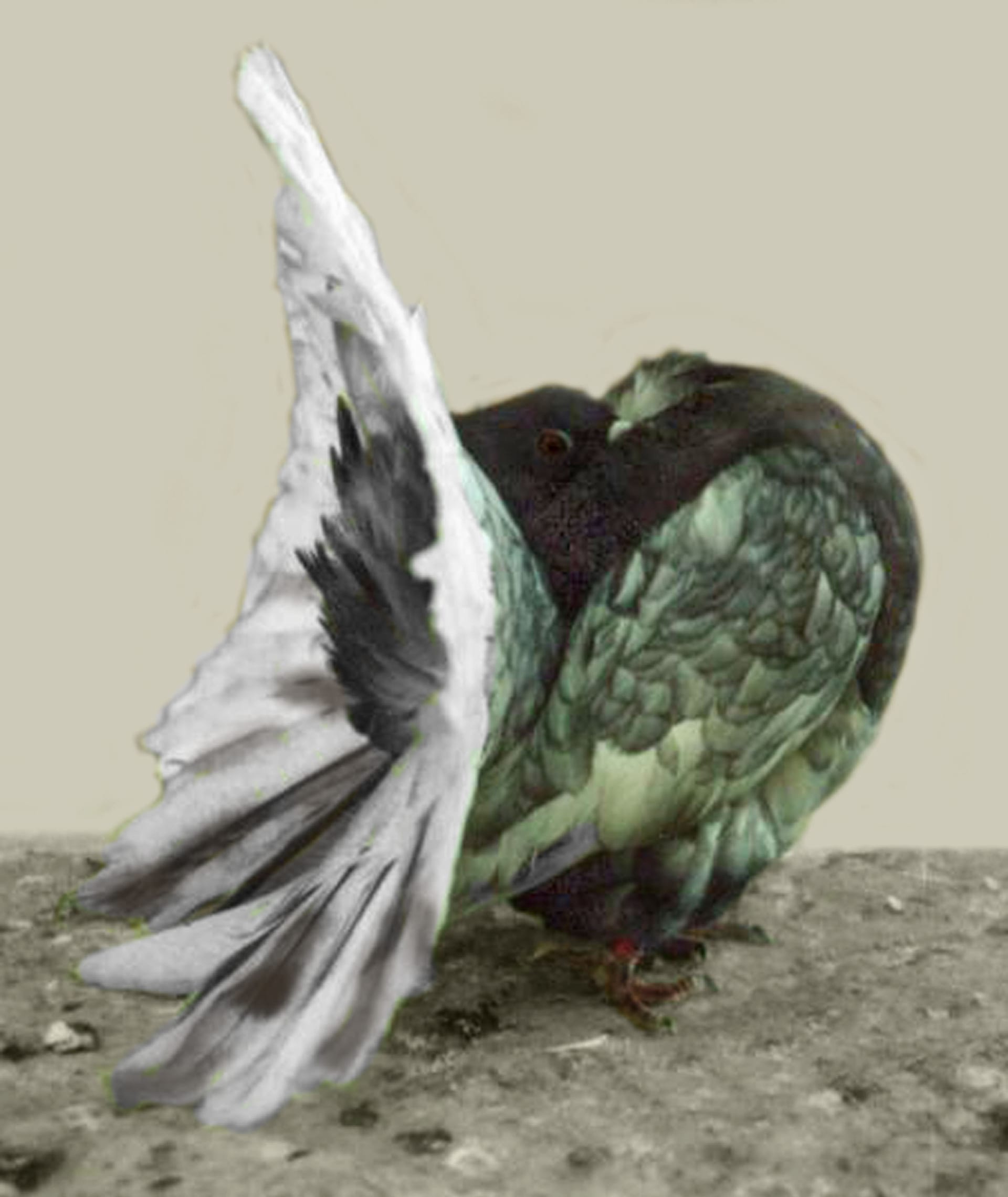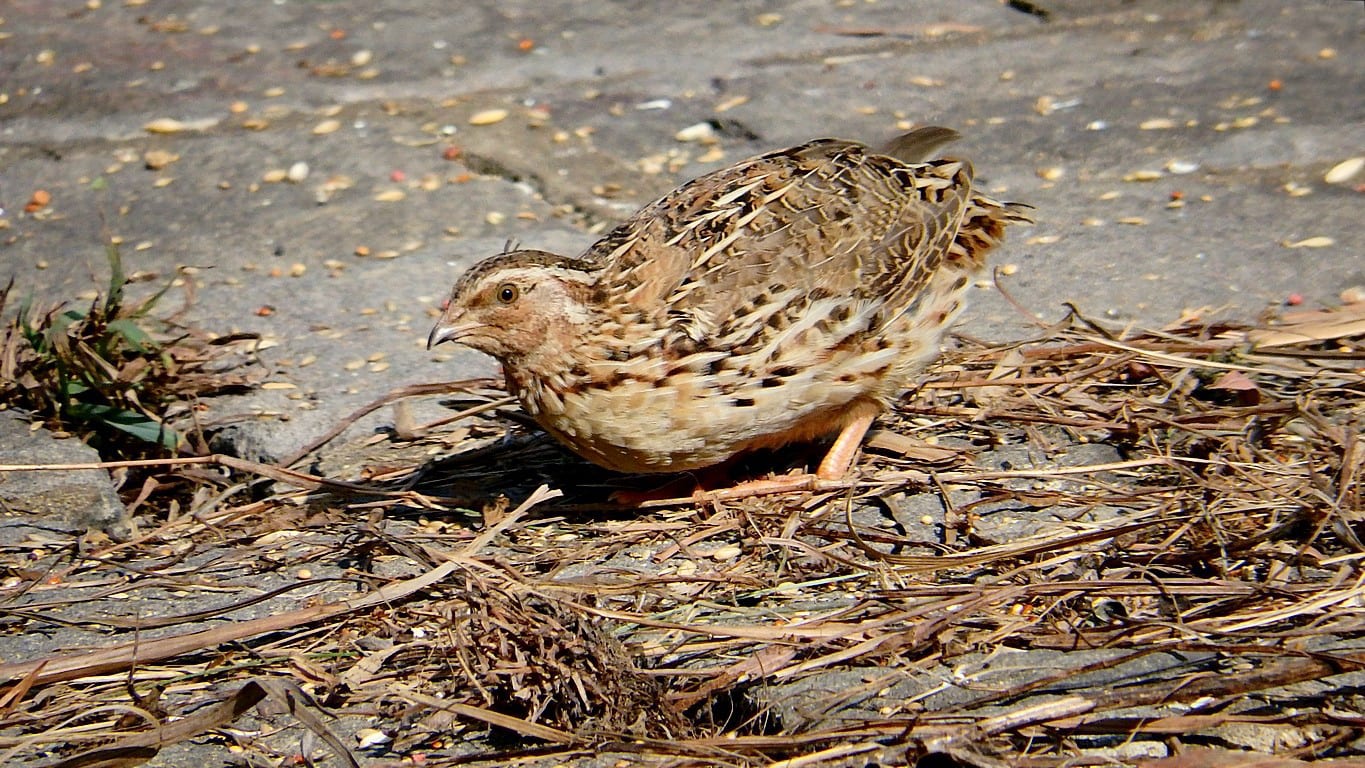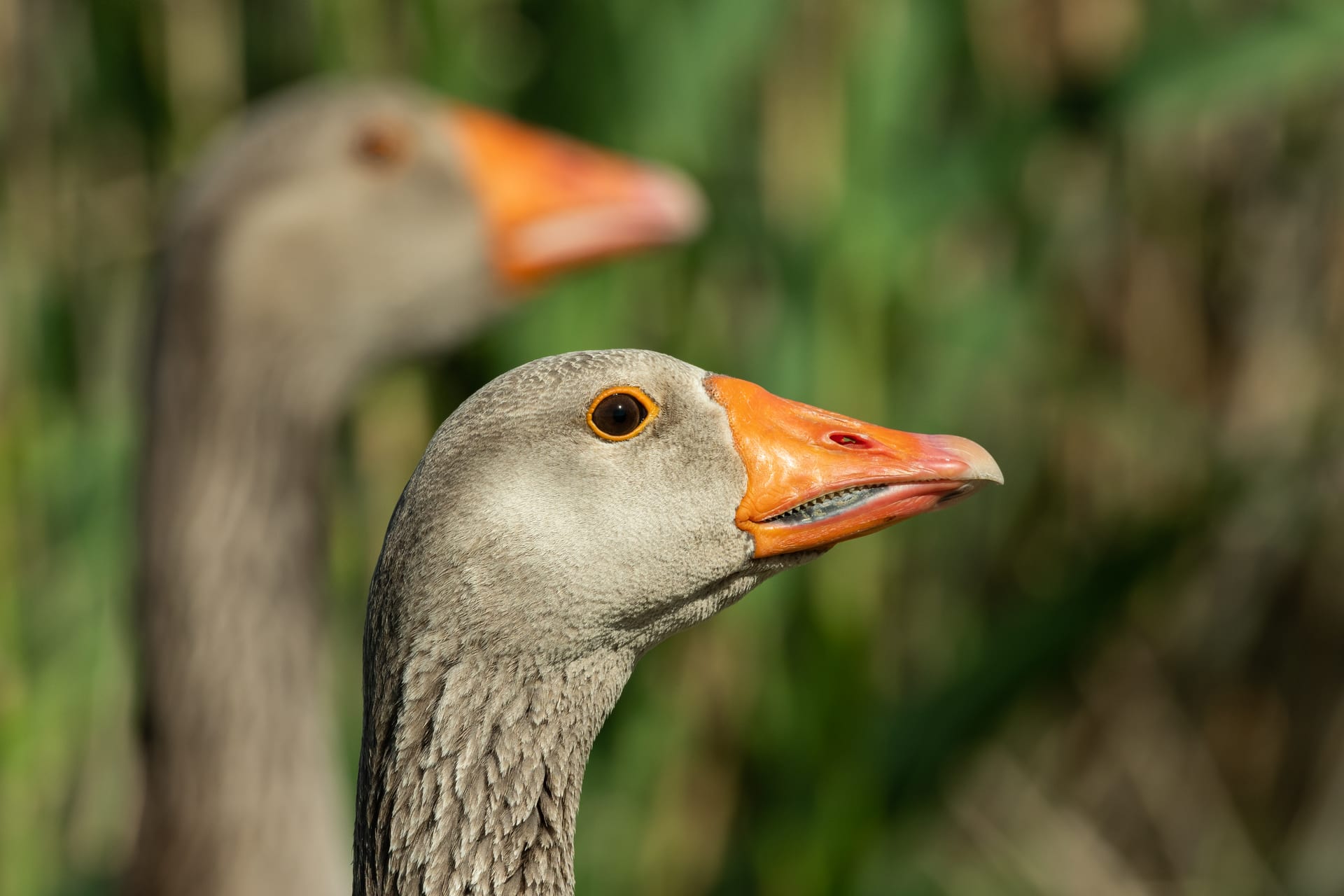
Source: Wikimedia Commons
Domestic Goose
IntermediateAnser anser domesticus
A large domestic bird derived from the greylag goose. Fat deposits give it a more upright stance than the wild bird, and its wariness and loud call have long made it useful as a guard animal. The largest breeds reach 10kg.
Difficulty
Intermediate
Temperature
15〜30℃
Lifespan
15-20 years
Size
Up to 10kg in the largest breeds (the wild greylag reaches 4.1kg)
Humidity
40〜60%
Diet
Poultry feed, grain and fresh grass; it eats grass in quantity and suits range on pasture
About
The domestic goose (Anser anser domesticus) is kept for meat, eggs and down, and as a companion bird. Stock in Europe, North Africa and western Asia derives from the greylag goose, while East Asian geese derive from the swan goose, and modern flocks often mix the two. The earliest evidence of domestication goes back about 7,000 years to the Hemudu culture of the Lower Yangtze, with archaeological evidence from Egypt more than 4,000 years ago. Heavy fat deposits toward the tail give a fat rear and a more upright posture than the horizontal wild bird, though most breeds can still fly. Highly alert, it answers strangers and unfamiliar animals with a loud trumpeting call and will chase them, which is why geese have long been used to guard property. European stock divides mainly into the French Toulouse and the Dutch and German Emden, the Toulouse being known for foie gras.
Source: Wikipedia (CC BY-SA 4.0)
Lifespan of the Domestic Goose
The Domestic Goose lives 15-20 years.
Size of the Domestic Goose
The Domestic Goose grows to Up to 10kg in the largest breeds (the wild greylag reaches 4.1kg).
Selection for size has produced breeds weighing up to 10 kg, far above the wild greylag's maximum of 4.1 kg.
Basic Info
Origin
Europe, North Africa and western Asia, from the greylag goose; evidence of domestication goes back about 7,000 years to the Hemudu culture of the Lower Yangtze
Lifespan
15-20 years
Care Specifications
Semi-aggressiveGroup
Sources: Wikipedia - Domestic goose / Wikipedia - Domestic goose, Japanese edition (breeds, uses)
References & Sources
Edited & verified by: BreederDirect editorial team
The taxonomic, regulatory, and husbandry data on this page are compiled and verified against the authoritative primary sources below.
Taxonomy & Authority
Accepted name: Anser anser domesticus (Linnaeus, 1758)
Synonyms: Anser anser f. domesticus
Authority databases: GBIF
Nomenclature follows global taxonomic authority databases.
Regulations & Conservation Status
Not CITES-listed
Anser anser domesticus. The greylag goose is not listed in the CITES Appendices, so these domestic breeds are not covered, and they do not appear in the Japanese schedule of designated dangerous animals.
Sources: CITES Appendices (species not listed) / Cabinet Order under the Act on Welfare and Management of Animals, appended table (designated dangerous animals)
Regulations may change. Always verify the latest information with the relevant authorities.
Domestic Goose Listings
Loading latest listingsFind listings for this species