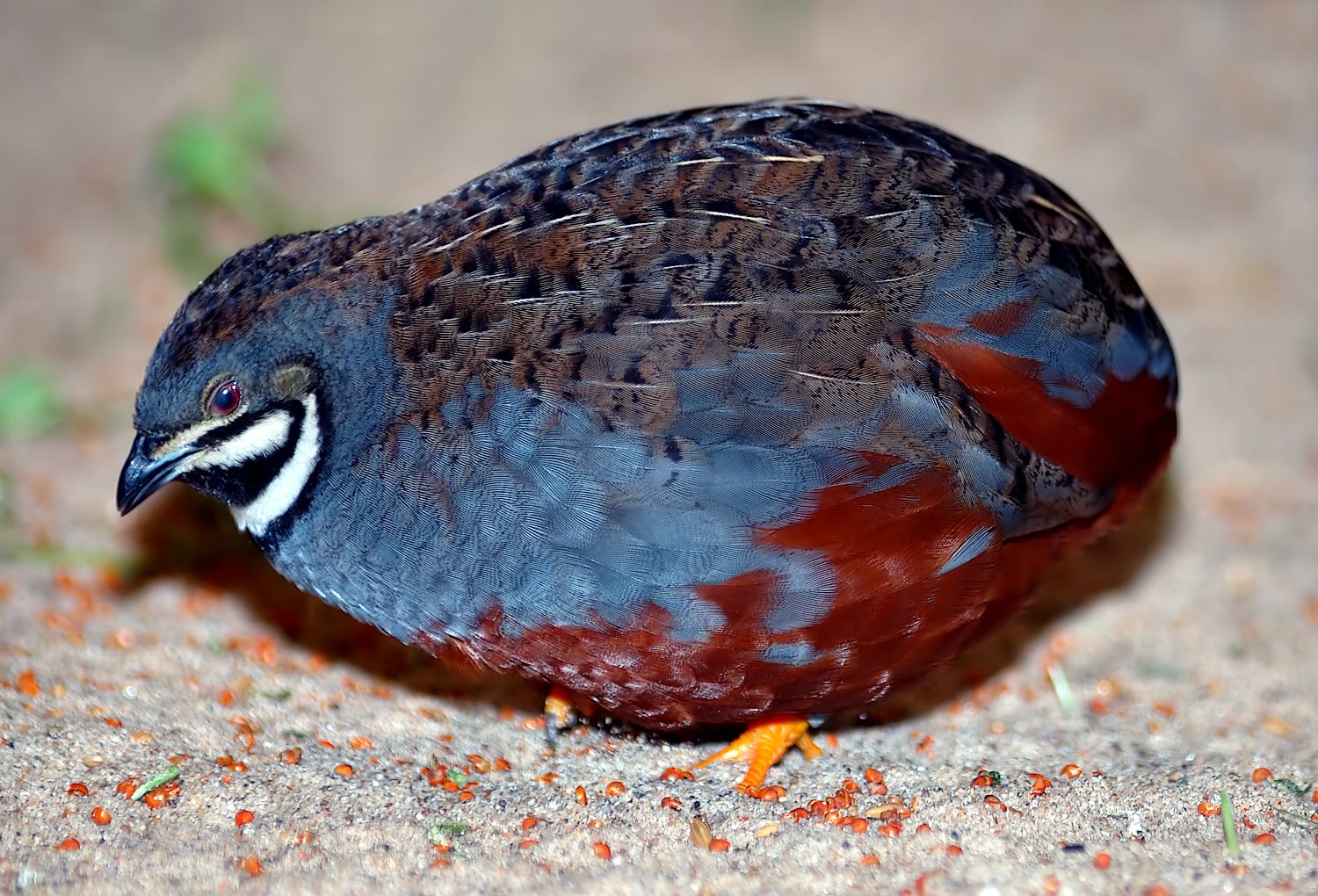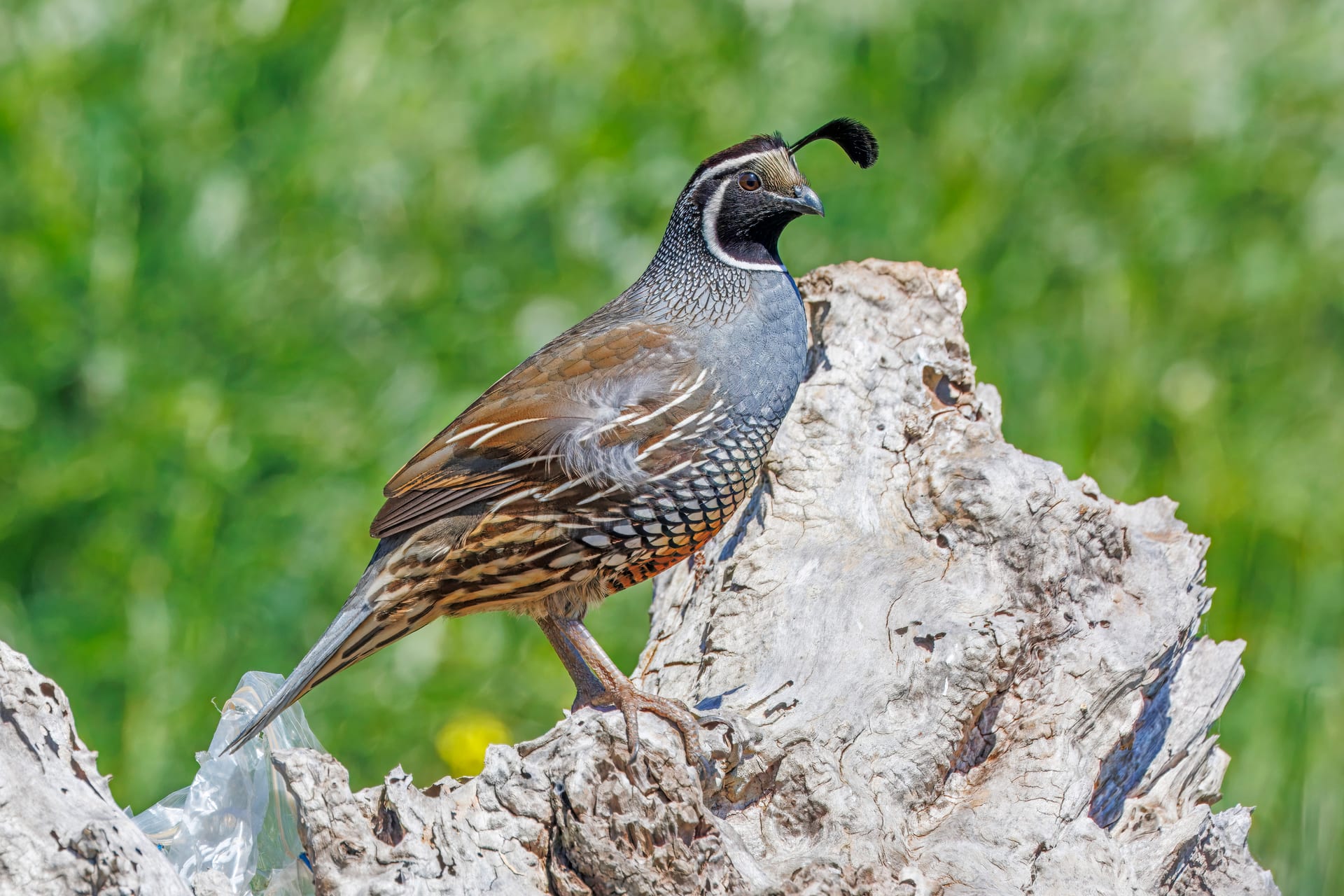
Source: Wikimedia Commons
Japanese Quail
BeginnerCoturnix japonica
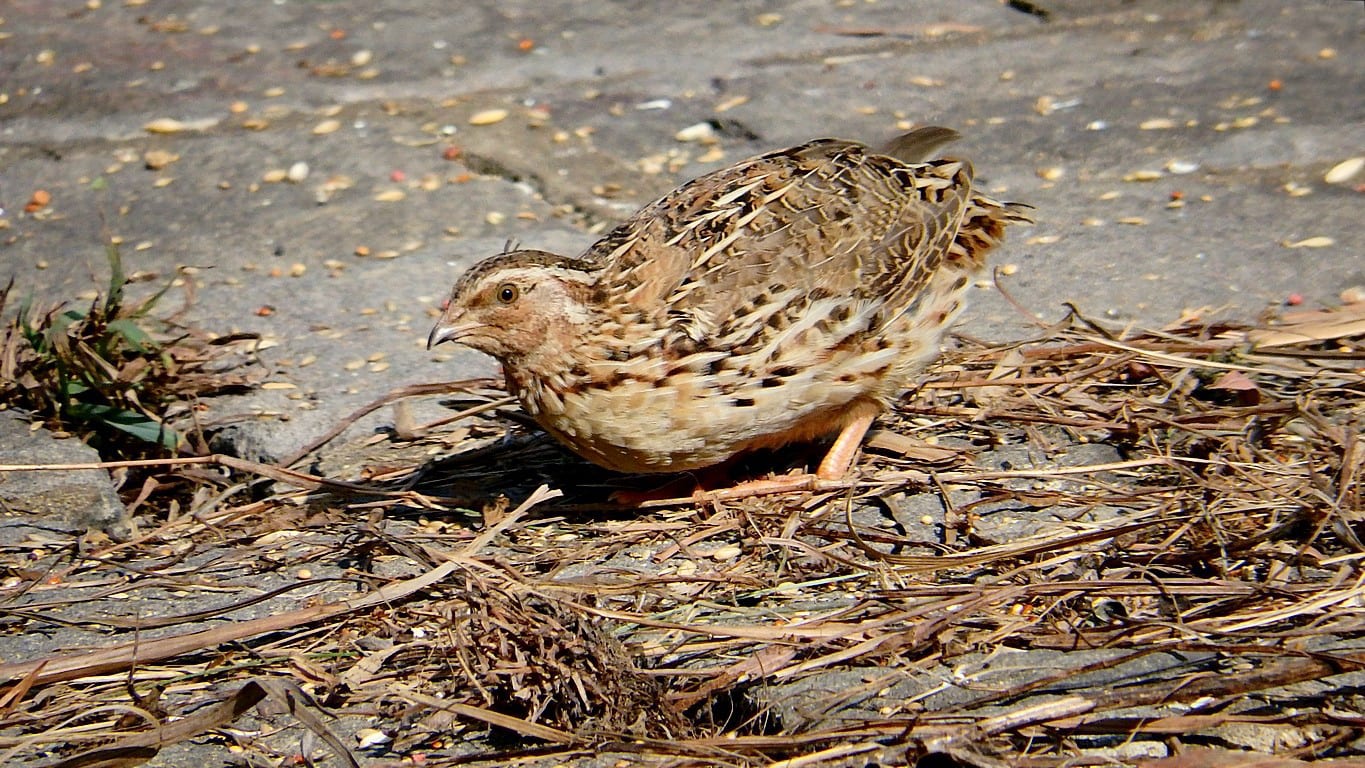
A small phasianid about 20 cm long, said to be the smallest of the domestic fowl. The pale brown plumage is streaked, and the male has a rufous throat and breast. Domestication began in Japan and the birds are kept for eggs and meat.
Difficulty
Beginner
Temperature
15〜24℃
Lifespan
Three to four years in the wild and 1.2 to 1.5 years in commercial and laboratory lines, with a captive record of six years
Size
20cm long (wing 9.1-10.4cm; 90-100g in the wild, 100-120g in domestic stock)
Humidity
40〜60%
Diet
Quail crumbles, grain, greens, insects and a calcium source such as oyster shell
About
The Japanese quail (Coturnix japonica) is a small phasianid of East Asia and the only member of its family that truly migrates. Once treated as a subspecies of the common quail Coturnix coturnix, it is now recognised as a separate species. Newly hatched chicks are hard to sex, and the sexes can be told apart by plumage from about 30 days old. Banding studies indicate that birds breeding in Hokkaido and Aomori winter on the Pacific coast of the Kanto and Tokai regions, the Kii Peninsula and Shikoku, while most of those wintering in Kyushu bred on the Korean Peninsula. Domestication began in Japan, with records of quail keeping going back 600 years. In captivity laying starts at six weeks after hatching and lifetime production reaches 342 to 384 eggs. The preferred range is 15 to 24 C; the birds tolerate heat fairly well but stand cold poorly.
Source: Wikipedia (CC BY-SA 4.0)
Lifespan of the Japanese Quail
The Japanese Quail lives Three to four years in the wild and 1.2 to 1.5 years in commercial and laboratory lines, with a captive record of six years.
Size of the Japanese Quail
The Japanese Quail grows to 20cm long (wing 9.1-10.4cm; 90-100g in the wild, 100-120g in domestic stock).
It is 20 cm long with a wing of 9.1 to 10.4 cm; wild birds weigh 90 to 100 g and domestic stock 100 to 120 g.
Temperature & humidity for the Japanese Quail
The ideal temperature for the Japanese Quail is 15〜24℃.
Basic Info
Origin
Care Specifications
PeacefulGroupBreeding: Easy
Sources: Japanese Wikipedia - Japanese quail (length 20cm, wing length, weight, preferred range 15-24 C, laying from six weeks, lifetime production of 342-384 eggs, lifespan, 600 years of domestication, sexing at 30 days) / Wikipedia - Japanese quail (separation from the common quail, migration, 28 call types, effect of male crowing on hen maturation)
References & Sources
Edited & verified by: BreederDirect editorial team
The taxonomic, regulatory, and husbandry data on this page are compiled and verified against the authoritative primary sources below.
Primary sources
- Wikipedia
- CITES Appendices (Coturnix japonica not listed; checked against the edition valid from 25 November 2023)
- IUCN Red List
- Ministry of the Environment, Japan - List of nationally endangered species of wild fauna and flora (the species is not listed among the birds)
- Wildlife Protection, Control and Hunting Management Act (Ministry of the Environment, Japan)
- Japanese Wikipedia - Japanese quail (length 20cm, wing length, weight, preferred range 15-24 C, laying from six weeks, lifetime production of 342-384 eggs, lifespan, 600 years of domestication, sexing at 30 days)
- GBIF
Taxonomy & Authority
Accepted name: Coturnix japonica Temminck & Schlegel, 1848
Synonyms: Coturnix vulgaris japonica, Coturnix coturnix japonica
Authority databases: GBIF
Nomenclature follows global taxonomic authority databases.
Regulations & Conservation Status
Not CITES-listedIUCN NT · Near Threatened
Domestic law: Only captive-bred domestic stock is traded. Free-living birds are covered by the Wildlife Protection Act and taking or transferring them is in principle not permitted.
Coturnix japonica appears in none of the CITES Appendices and is not designated an Invasive Alien Species in Japan. Neither the species nor any of its subspecies appears on the Ministry of the Environment's list of nationally endangered species of wild fauna and flora, which covers 45 birds. The IUCN assesses it as Near Threatened. As a native Japanese wild bird, free-living individuals are covered by the Wildlife Protection Act.
Sources: CITES Appendices (Coturnix japonica not listed; checked against the edition valid from 25 November 2023) / IUCN Red List / Ministry of the Environment, Japan - List of nationally endangered species of wild fauna and flora (the species is not listed among the birds) / Wildlife Protection, Control and Hunting Management Act (Ministry of the Environment, Japan)
Regulations may change. Always verify the latest information with the relevant authorities.
Japanese Quail Listings
Loading latest listingsFind listings for this species