Source: Wikimedia Commons
Domestic Duck
IntermediateAnas platyrhynchos domesticus
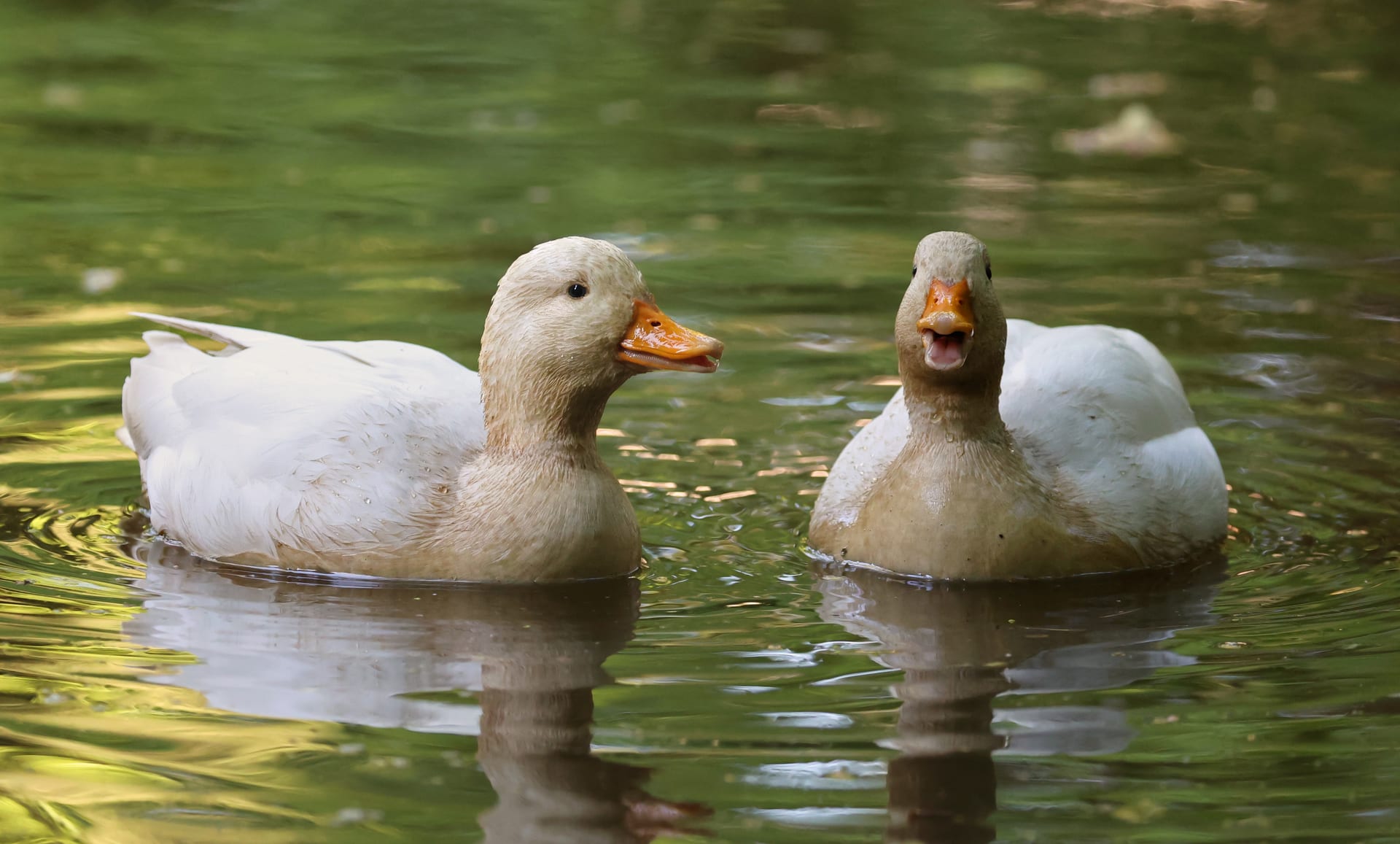
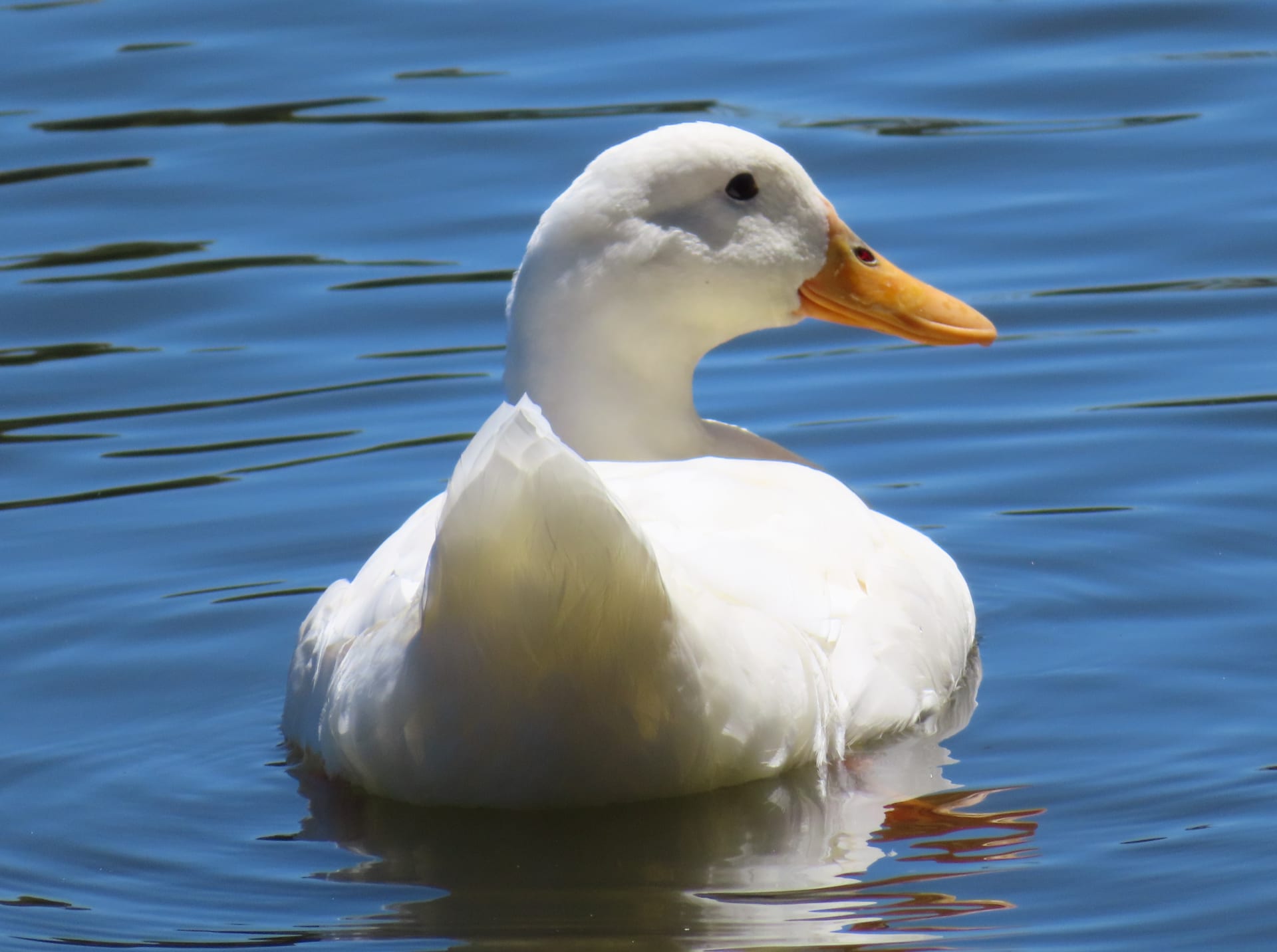
A group of domestic breeds derived from the mallard. Selection has made them heavy and near-flightless, and the group spans meat, egg and ornamental breeds, headed by the white Pekin types. They are hardy and easy to keep. Ducks lay 150-200 eggs a year.
Difficulty
Intermediate
Temperature
15〜30℃
Lifespan
5-20 years
Size
50-80cm long (most breeds weigh about 3.0-5.0kg)
Humidity
40〜60%
Diet
Waterfowl feed, grain, greens and vegetables; feral birds also take grass shoots, small insects and soil animals
About
The domestic duck (Anas platyrhynchos domesticus) is a group of breeds derived from the mallard and is the same species biologically. Whole-genome work points to a single Neolithic domestication, probably in southern China around 2000 BC, from which the birds spread. Domestication made them larger and heavier with reduced wings, so they can fly only a few metres. White Pekin types are raised for meat and the prolific Indian Runner can lay over 300 eggs a year, while in East and Southeast Asia ducks are released into paddy fields to weed and manure the rice. China accounts for over 80 per cent of world duck production.
Source: Wikipedia (CC BY-SA 4.0)
Lifespan of the Domestic Duck
The Domestic Duck lives 5-20 years.
They lay 150-200 eggs a year, the shells faintly green, which hatch in just under thirty days; young birds begin laying at five to six months, and lifespan is five to twenty years.
Size of the Domestic Duck
The Domestic Duck grows to 50-80cm long (most breeds weigh about 3.0-5.0kg).
Adults are 50-80 cm long and most breeds weigh about 3.0-5.0 kg, ranging from roughly 0.7 kg in the small Appleyard to 4.6 kg in the Aylesbury.
Basic Info
Origin
Southern China, where domestication took place around 2000 BC, with later breed development across Europe
Lifespan
5-20 years
Size
Care Specifications
PeacefulGroup
Sources: Wikipedia - Domestic duck / Wikipedia - Domestic duck, Japanese edition (morphology, laying, lifespan)
References & Sources
Edited & verified by: BreederDirect editorial team
The taxonomic, regulatory, and husbandry data on this page are compiled and verified against the authoritative primary sources below.
Taxonomy & Authority
Accepted name: Anas platyrhynchos domesticus Linnaeus, 1758
Synonyms: Anas platyrhynchos f. domesticus, Anas domestica
Authority databases: GBIF
Nomenclature follows global taxonomic authority databases.
Regulations & Conservation Status
Not CITES-listed
Domestic law: It is the same species as the wild mallard and produces fertile hybrids with it, so releasing or abandoning birds, which would disturb native populations genetically, must be avoided.
Anas platyrhynchos domesticus. The mallard is not listed in the CITES Appendices, so these domestic breeds are not covered, and they do not appear in the Japanese schedule of designated dangerous animals.
Sources: CITES Appendices (species not listed) / Cabinet Order under the Act on Welfare and Management of Animals, appended table (designated dangerous animals)
Regulations may change. Always verify the latest information with the relevant authorities.
Domestic Duck Listings
Loading latest listingsFind listings for this species