Source: Wikimedia Commons
Call Duck
IntermediateAnas platyrhynchos domesticus
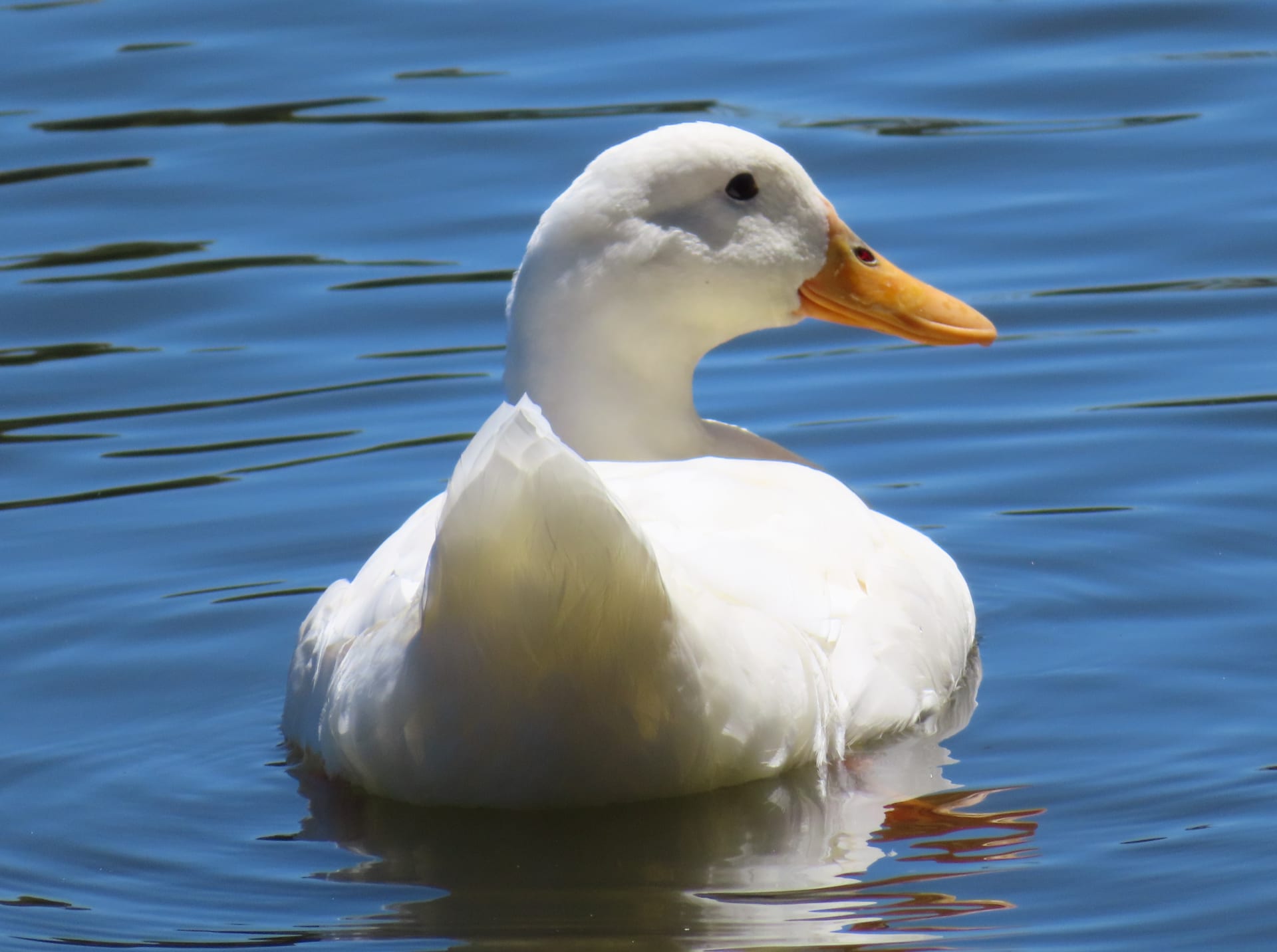
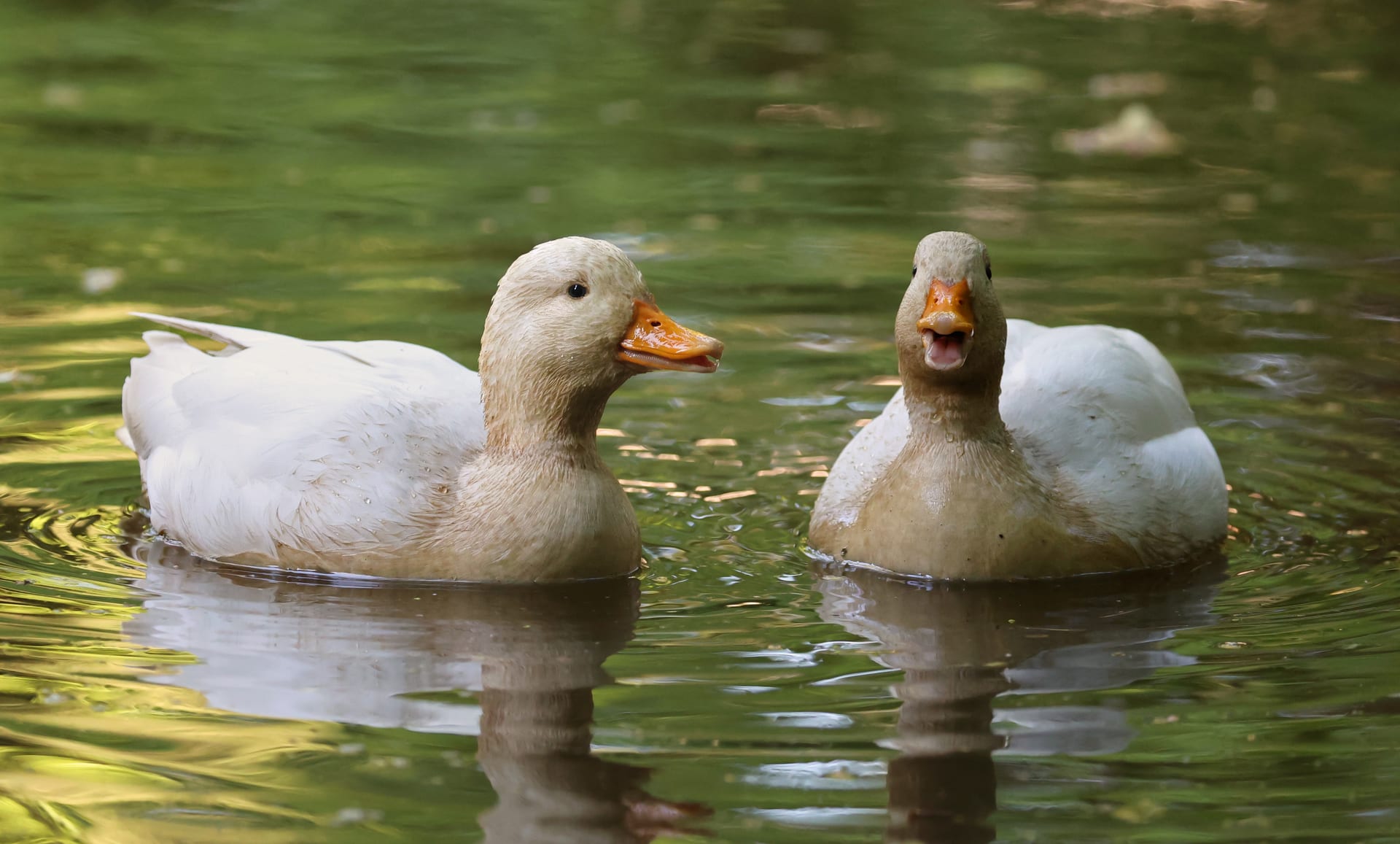
The smallest breed of domestic duck, with a round head and a very short bill. It averages about 800 g and is kept as a pet, though the female's call is piercing and carries a long way. It is an old breed of Dutch origin.
Difficulty
Intermediate
Temperature
15〜30℃
Lifespan
5-20 years
Size
About 800g (drakes up to 100g heavier, ducks up to 100g lighter)
Humidity
40〜60%
Diet
Waterfowl pellets, greens and a little grain, fed alongside a container of water
About
The Call (Anas platyrhynchos domesticus) is the smallest and one of the oldest breeds of domestic duck derived from the mallard. It is believed to have originated in the Netherlands, where the earliest descriptions and depictions date from the seventeenth century. A round head and very short bill distinguish it; it resembles other duck breeds but is far smaller. The name comes from the female's piercing, far-carrying call, and the breed was once used as a decoy to lure wild ducks into traps, a technique the naturalist Francis Willughby recorded in Holland in the 1660s. It reached the British Isles by the mid-nineteenth century and was one of four duck breeds in Tegetmeier's first poultry standard of 1865. About twenty colours are recognised in the Netherlands and in Britain, and the Entente Européenne recognises nineteen. It is now a rare breed, classified as endangered in the Netherlands in 2017.
Source: Wikipedia (CC BY-SA 4.0)
Lifespan of the Call Duck
The Call Duck lives 5-20 years.
Size of the Call Duck
The Call Duck grows to About 800g (drakes up to 100g heavier, ducks up to 100g lighter).
Average weight is about 800 g, with drakes up to 100 g heavier and ducks up to 100 g lighter.
Basic Info
Origin
The Netherlands, where the breed is documented in seventeenth-century descriptions and paintings
Lifespan
5-20 years
Size
Care Specifications
PeacefulGroup
Sources: Wikipedia - Call duck
References & Sources
Edited & verified by: BreederDirect editorial team
The taxonomic, regulatory, and husbandry data on this page are compiled and verified against the authoritative primary sources below.
Taxonomy & Authority
Accepted name: Anas platyrhynchos domesticus Linnaeus, 1758
Synonyms: Anas platyrhynchos f. domesticus
Authority databases: GBIF
Nomenclature follows global taxonomic authority databases.
Regulations & Conservation Status
Not CITES-listed
Domestic law: Because it is the same species as the wild mallard, escaped birds can hybridise with native mallard populations. Do not release or abandon birds, and keep housing escape-proof.
Anas platyrhynchos domesticus. The mallard is not listed in the CITES Appendices, so this domestic breed is not covered, and it does not appear in the Japanese schedule of designated dangerous animals.
Sources: CITES Appendices (species not listed) / Cabinet Order under the Act on Welfare and Management of Animals, appended table (designated dangerous animals)
Regulations may change. Always verify the latest information with the relevant authorities.
Call Duck Listings
Loading latest listingsFind listings for this species