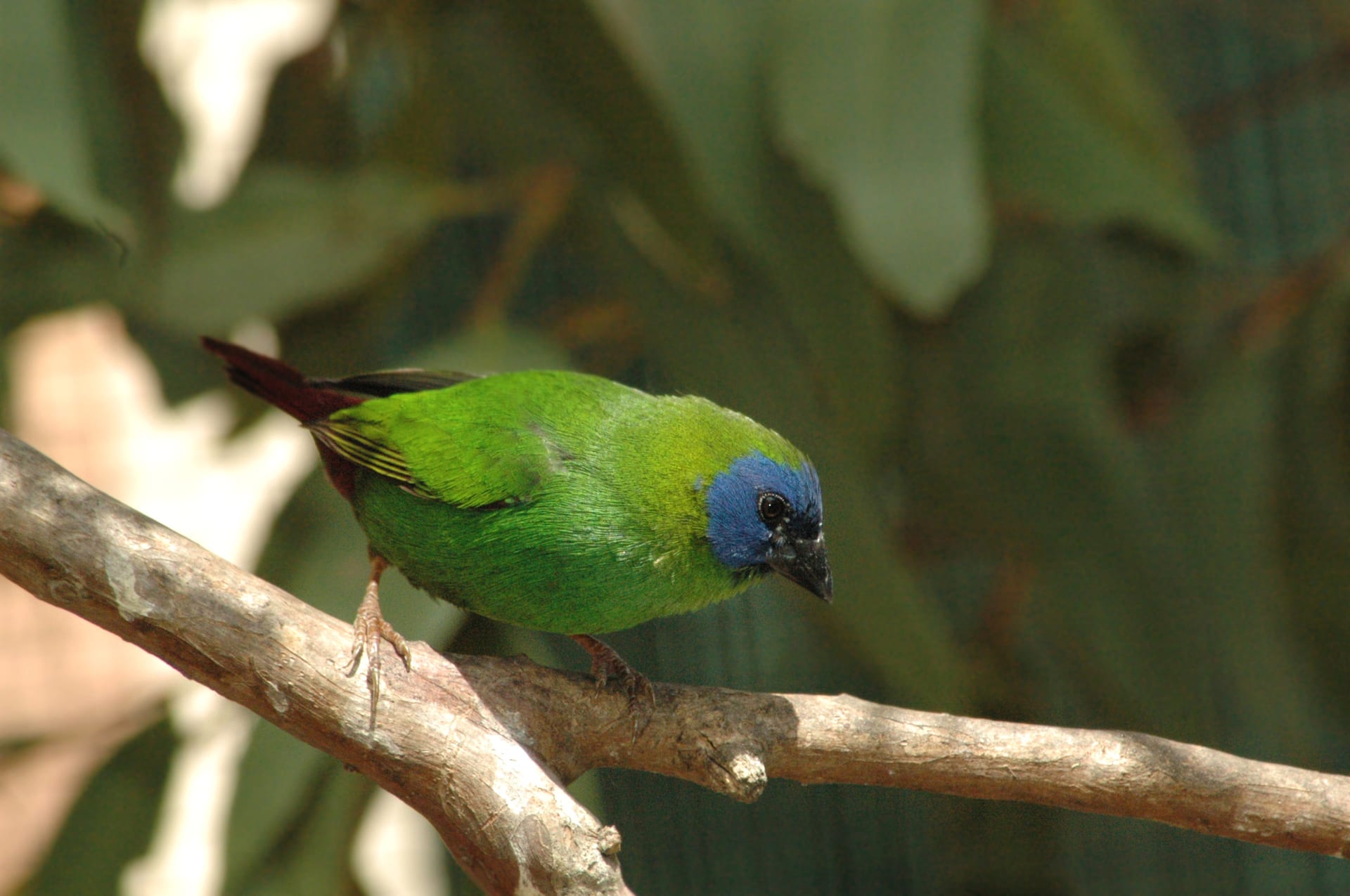
 © Nrg800 / CC BY-SA 3.0
Blue-faced Parrotfinch
The Blue-faced Parrotfinch pairs a rich green body with a striking blue face and a red rump, making it one of the most eye-catching members of the parrotfinch genus. Native to northeastern Australia, Melanesia, and Micronesia, it's an active, energetic bird that's almost always on the move. Because of this high activity level, it does best in a spacious outdoor aviary rather than a small cage. It's not typically hand-tame, but watching a flock move and flash their green-and-blue plumage is part of the appeal. Given the space and temperature management this species needs, it's generally considered a better fit for keepers with some prior bird-keeping experience.
View Blue-faced Parrotfinch encyclopedia →0% commission on your first sales!Register by September 30, 2026 and your first 2 sales are commission-free!
Breeder Wanted!
List on BreederDirect and sell directly to customers nationwide!
Six Transparency Commitments from BreederDirect
All Birds listings include complete Breeder transparency: hand-raised status, DNA sex determination, and health certification details.
- Hand-Raised
- DNA Sex-Determined
- Health Certified
- Origin Disclosed
- Color Variation Specified
- Age in Months Disclosed
Browse all 247 breeds
Care Level
Verified breeders wanted for Birds
Breeders are signing up now ahead of launch. Subscribe to be notified when new listings go live.
Getting alerts is free with a member account. When new listings match your saved search, we'll notify you by email and in-app.
Browse other categories
Verified breeders (preview)
Blue-faced Parrotfinch key facts
- Care level
- Intermediate
- Lifespan
- 6-9 years
- Size
- About 13cm
- Diet
- Mixed seed, spray millet, greens, small livefood, fruit
- Cage
- Its strong urge to move means caged birds damage their plumage, so provide an aviary or a large flight cage.
- Temperament
- Peaceable and gregarious, though it defends the area around the nest when breeding, so mixing needs space.
- Vocalization
- Calls are thin and high and the song short and modest, so volume is never an issue.
- Notes
- Besides grass seed it takes bamboo seed, insects and fruit, so do not rely on seed alone; add greens and livefood.
About Blue-faced Parrotfinch
Blue-faced Parrotfinch: a green-bodied, blue-faced finch with a red rump from northeastern Australia, Melanesia, and Micronesia. Active and best suited to aviary housing, it's considered a species for keepers with some experience.
7 things to know before welcoming a Blue-faced Parrotfinch
1Needs a Spacious Aviary
Blue-faced Parrotfinches are highly active and don't do well in small cages. Provide a roomy aviary where they have space to fly and move around freely.
2Watch the Temperature
Coming from tropical and subtropical regions, this species is sensitive to cold. Provide heating in winter and avoid sudden temperature swings.
3Striking Green-and-Blue Plumage
The combination of a deep green body, vivid blue face, and red rump is the bird's main appeal. The plumage can look different depending on how the light hits it.
4Does Well in Small Flocks
This species naturally forms flocks, and keeping several birds together tends to bring out more natural behavior than housing a single bird alone. Still, watch how individuals get along with each other.
5Diet Centers on Seed and Greens
A mixed finch seed forms the base of the diet, supplemented with leafy greens and some insects for balance. Avoid letting the diet become too one-sided.
6An Intermediate-Level Bird
Between temperature management and the need for adequate space, this species asks for more attention than a beginner bird. It suits keepers with some prior experience.
7Not Prone to Bonding with People
This is a bird kept for the beauty of its flock behavior and plumage, not one typically hand-tamed or trained to perch on a finger. Plan to enjoy it from a respectful distance.
Frequently asked questions about Blue-faced Parrotfinch
- Q.Is the Blue-faced Parrotfinch suitable for beginners?
- A.It's generally considered a species for intermediate keepers, since it needs careful temperature management and a fairly spacious enclosure. Prior bird-keeping experience is helpful.
- Q.How big does this bird get?
- A.Adults reach about 13cm in length, a fairly typical size among small finches.
- Q.Can it be kept in a regular cage?
- A.Because it's so active, a small cage isn't ideal. A spacious aviary is recommended instead.
- Q.Can it be kept with other birds?
- A.It naturally forms flocks with its own kind, so keeping several together works well. Mixing with other species should be done carefully, watching how individuals get along.
- Q.Is the Blue-faced Parrotfinch subject to CITES?
- A.No, the Blue-faced Parrotfinch is not subject to CITES.
Useful tools for Blue-faced Parrotfinch care
Learn more about Blue-faced Parrotfinch in the encyclopedia
View Blue-faced Parrotfinch encyclopedia entry →
Care difficulty, lifespan, size and diet — all basics covered.
More in this category
Can't find the one you're looking for?
Post your wishes for free and breeders with matching animals will contact you with introductions.