Source: Wikimedia Commons
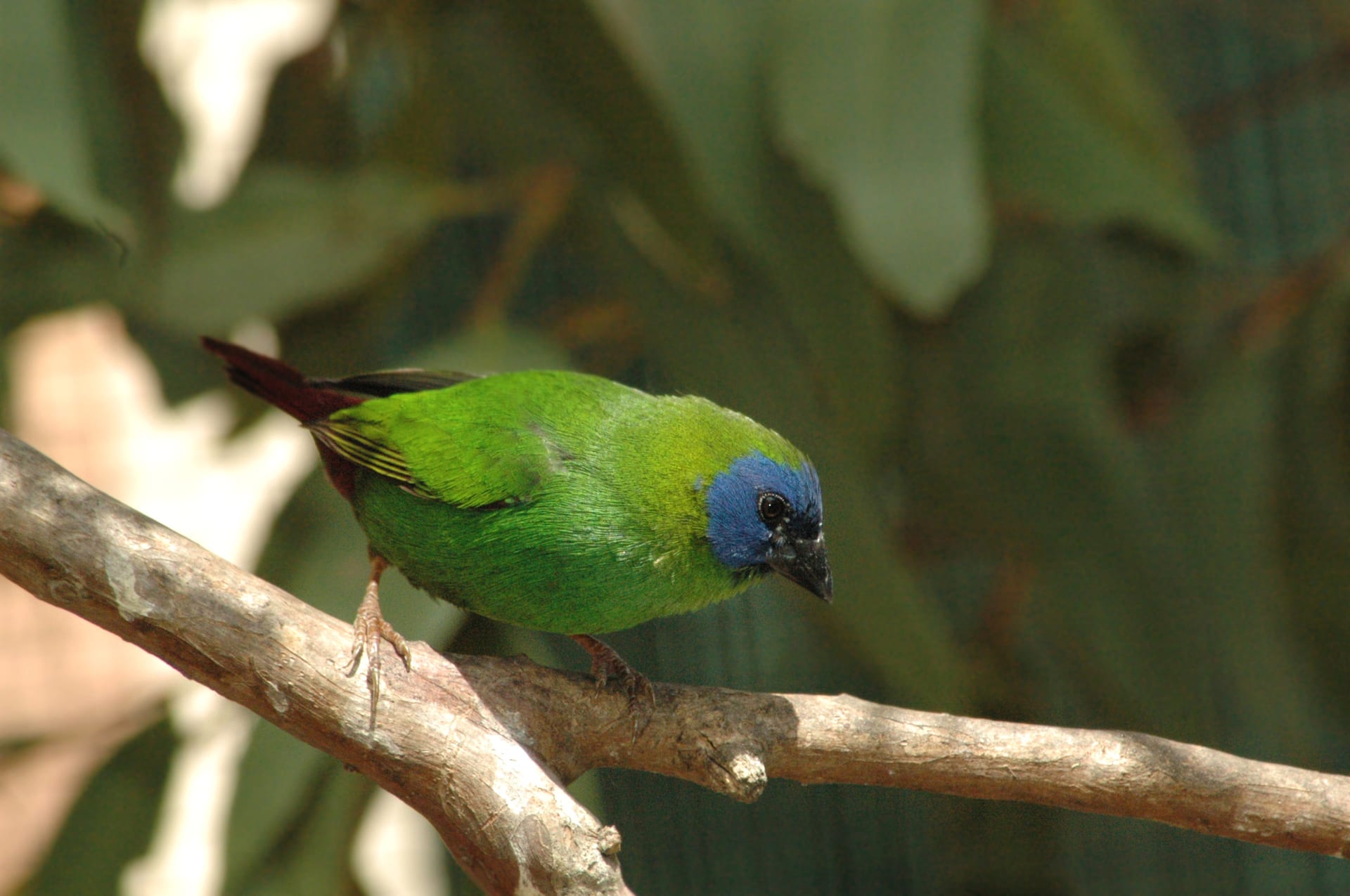
Blue-faced Parrotfinch
IntermediateErythrura trichroa
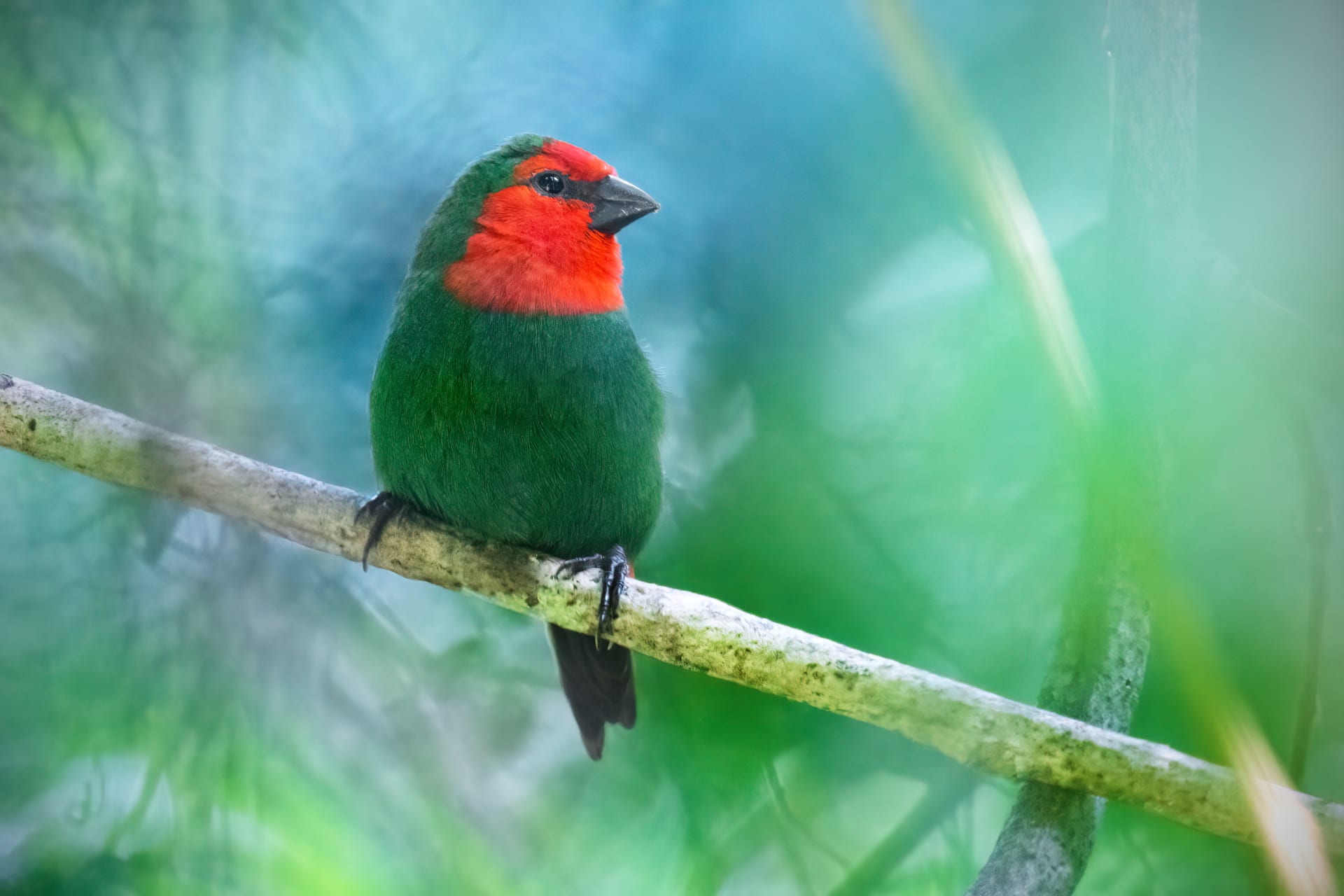
A parrotfinch with deep green plumage, a vivid blue face and a red rump, ranging from north-eastern Australia through Melanesia to Micronesia. Very active, it is best suited to an aviary.
Difficulty
Intermediate
Temperature
15〜30℃
Lifespan
6-9 years
Size
About 13cm
Humidity
40〜60%
Diet
Mixed seed, spray millet, greens, small livefood, fruit
About
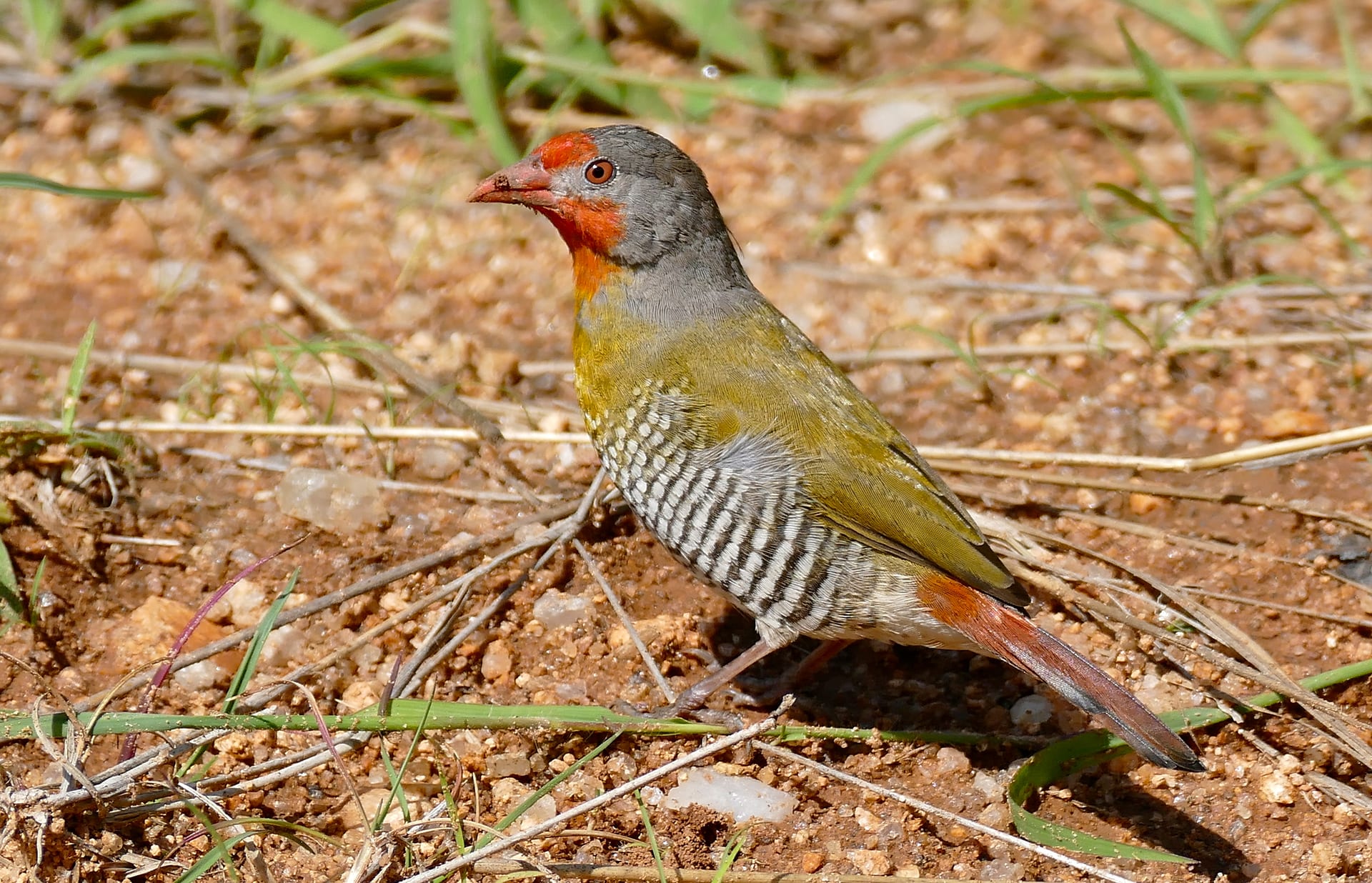
The blue-faced parrotfinch (Erythrura trichroa) is an estrildid finch of north-eastern Australia, eastern Indonesia, Papua New Guinea, the Solomon Islands, Vanuatu and New Caledonia, with disjunct populations in Micronesia and Palau. It is about 13 cm long. Males range in colour from light yellow-green to dark blue-green, with a vivid blue face and a red rump. It inhabits subtropical and tropical montane and lowland moist forest, most often at forest edges and in disturbed habitat, occurring from sea level on hot tropical islands to 800-3000 m in New Guinea. It feeds mainly on grass seeds, taking bamboo seed, small insects and figs as well. Kittlitz described it in 1833 from a specimen collected on Kosrae in the Caroline Islands. The date of its first import to Europe is unclear, but it was traded in England in the 1880s, reached Germany in 1886, and was imported especially often between 1952 and 1960. Its strong urge to move means that caged birds damage their plumage or become sluggish, so an aviary is recommended.
Source: Wikipedia (CC BY-SA 4.0)
Lifespan of the Blue-faced Parrotfinch
The Blue-faced Parrotfinch lives 6-9 years.
Size of the Blue-faced Parrotfinch
The Blue-faced Parrotfinch grows to About 13cm.
Basic Info
Origin
North-eastern Australia, eastern Indonesia, Papua New Guinea, the Solomon Islands, Vanuatu, New Caledonia, Micronesia and Palau
Lifespan
6-9 years
Size
About 13cm
Care Specifications
References & Sources
Edited & verified by: BreederDirect editorial team
The taxonomic, regulatory, and husbandry data on this page are compiled and verified against the authoritative primary sources below.
Taxonomy & Authority
Accepted name: Erythrura trichroa (Kittlitz, 1833)
Synonyms: Fringilla trichroa
Authority databases: GBIF
Nomenclature follows global taxonomic authority databases.
Regulations & Conservation Status
Not CITES-listedIUCN LC · Least Concern
Erythrura trichroa. The family Estrildidae is not listed in the CITES Appendices, so this species is not covered. The IUCN assesses it as Least Concern.
Sources: CITES Appendices (Estrildidae not listed) / IUCN Red List
Regulations may change. Always verify the latest information with the relevant authorities.
Blue-faced Parrotfinch Listings
Loading latest listingsFind listings for this species