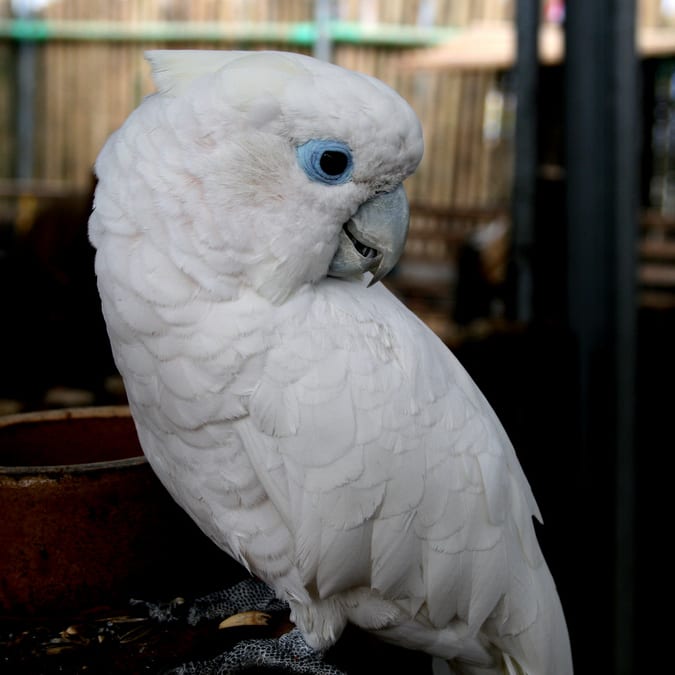
 © Mohd Rosdi Zainal Abidin (derivative work: Snowmanradio) / CC BY 2.0
Solomons Cockatoo (Ducorps's)
Native only to the Solomon Islands, this small white cockatoo reaches about 31 cm in length, with striking bare blue skin around the eyes and a pale, downcurved bill. Its crest usually lies flat but snaps up like a sail when the bird gets excited, making for one of its most memorable displays. Solomons cockatoos bond closely with their people and are highly expressive, but they can also be demanding and vocal, calling for daily interaction and a keeper who understands parrot behavior. It's a bird best suited to those with some prior experience.
View Solomons Cockatoo (Ducorps's) encyclopedia →0% commission on your first sales!Register by September 30, 2026 and your first 2 sales are commission-free!
Breeder Wanted!
List on BreederDirect and sell directly to customers nationwide!
Six Transparency Commitments from BreederDirect
All Birds listings include complete Breeder transparency: hand-raised status, DNA sex determination, and health certification details.
- Hand-Raised
- DNA Sex-Determined
- Health Certified
- Origin Disclosed
- Color Variation Specified
- Age in Months Disclosed
Browse all 286 breeds
Care Level
Verified breeders wanted for Birds
Breeders are signing up now ahead of launch. Subscribe to be notified when new listings go live.
Getting alerts is free with a member account. When new listings match your saved search, we'll notify you by email and in-app.
Browse other categories
Verified breeders (preview)
Solomons Cockatoo (Ducorps's) key facts
- Care level
- Advanced
- Lifespan
- 40-60 years
- Size
- 30-31cm (290-415g)
- Diet
- A mix of small seeds such as canary, oats and safflower, sprouted pulses, greens, fruit and vegetables, nuts and complete pellets
- Cage
- A walk-in enclosure or aviary at least 4.5 m long is recommended, with a nest box about 30.5 x 51 cm. The species is reported to be good at escaping, so doors and fastenings must be ones the birds cannot work.
- Temperament
- Playful and active, the birds raise the crest when agitated or excited. In the wild they fly above the treetops in pairs or small flocks and leave noisily when disturbed.
- Vocalization
- The call is harsh and somewhat screechy and can be continuous, and is said to resemble that of the little corella. It is loud enough that keeping one in shared housing is not realistic.
- Notes
- As a member of the Psittaciformes it is listed in CITES Appendix II and import requires an export permit. Because it is hard to breed in captivity and few are kept, check the breeding history and import record when acquiring one.
About Solomons Cockatoo (Ducorps's)
A small white cockatoo endemic to the Solomon Islands, about 31 cm long, with blue eye-rings, a downcurved bill, and a crest that rises when excited. Best suited to experienced keepers.
7 things to know before welcoming a Solomons Cockatoo (Ducorps's)
1Best for Experienced Keepers
Solomons cockatoos are considered a challenging species to keep. It's best to avoid taking one on as a first parrot and to build up experience with birds beforehand. Consulting an experienced keeper or breeder in advance is a good way to prepare.
2Small but Sturdy Build
Adults measure around 30 to 31 cm and weigh roughly 290 to 415 g, making them fairly compact for a cockatoo. Even so, they have a sturdy frame and strong flight ability, so it's important to provide enough out-of-cage space and perches that can handle their size.
3An Expressive, Sail-Like Crest
The crest normally lies flat but pops up like a sail when the bird is excited or startled. It's a useful cue for reading mood and interest, so pay attention to it as you get to know your bird's day-to-day expressions.
4Plan for Vocal Behavior
Cockatoos are generally loud birds, and Solomons cockatoos are no exception. If you live somewhere with close neighbors, such as an apartment, think ahead about soundproofing and the times of day your bird is likely to vocalize.
5Needs Close Daily Interaction
While affectionate and expressive, these birds can become stressed if left without attention for long stretches. They suit households that can dedicate consistent daily time to interaction, rather than ones where people are frequently away.
6Manage Strong Beak Behavior
Their downcurved bill is powerful, and chewing is a natural behavior. Providing appropriate toys and wooden items to gnaw on, while keeping cables and furniture out of reach during out-of-cage time, helps prevent damage and injury.
7Research Thoroughly Before Bringing One Home
As a species endemic to the Solomon Islands, domestic care information and firsthand accounts are relatively limited. Before bringing one home, it's worth asking breeders or specialty shops detailed questions about daily rhythms, diet, and typical behavior.
Frequently asked questions about Solomons Cockatoo (Ducorps's)
- Q.Can a first-time bird owner keep a Solomons cockatoo?
- A.Solomons cockatoos are considered a species best suited to experienced keepers. It's not recommended as a first bird — building experience with other species first is a good approach before considering one.
- Q.How loud are Solomons cockatoos?
- A.Cockatoos as a group tend to be loud, and this species is no exception. Depending on your living situation, you may need to plan for soundproofing or be aware of the times of day vocalizing is more likely.
- Q.How big does a Solomons cockatoo get?
- A.Adults reach about 30 to 31 cm in length and weigh roughly 290 to 415 g. That's fairly compact for a cockatoo, though their strong flight ability means adequate out-of-cage space still matters.
- Q.When does the crest rise?
- A.The crest normally lies flat but rises like a sail when the bird becomes excited or startled. It's a helpful cue for observing shifts in mood and emotion.
- Q.Is this species subject to any regulation?
- A.Solomons Cockatoo (Ducorps's) is listed in CITES Appendix II. International trade requires a permit from the exporting country, but as far as CITES is concerned, no registration is needed to buy or sell individuals already legally in Japan.
Useful tools for Solomons Cockatoo (Ducorps's) care
Learn more about Solomons Cockatoo (Ducorps's) in the encyclopedia
View Solomons Cockatoo (Ducorps's) encyclopedia entry →
Care difficulty, lifespan, size and diet — all basics covered.
More in this category
Can't find the one you're looking for?
Post your wishes for free and breeders with matching animals will contact you with introductions.