Source: Wikimedia Commons
Solomons Cockatoo (Ducorps's)
AdvancedCacatua ducorpsii
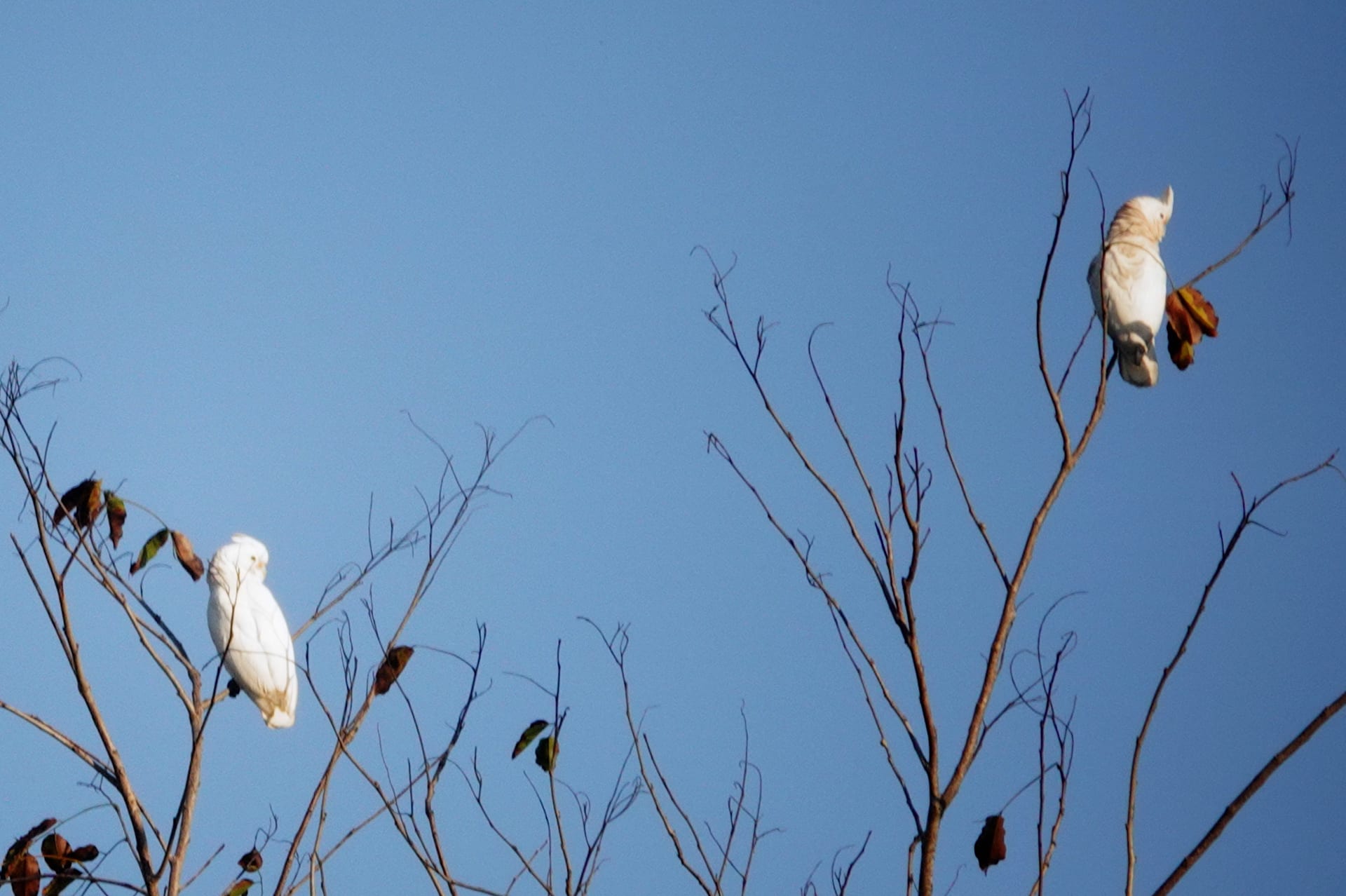
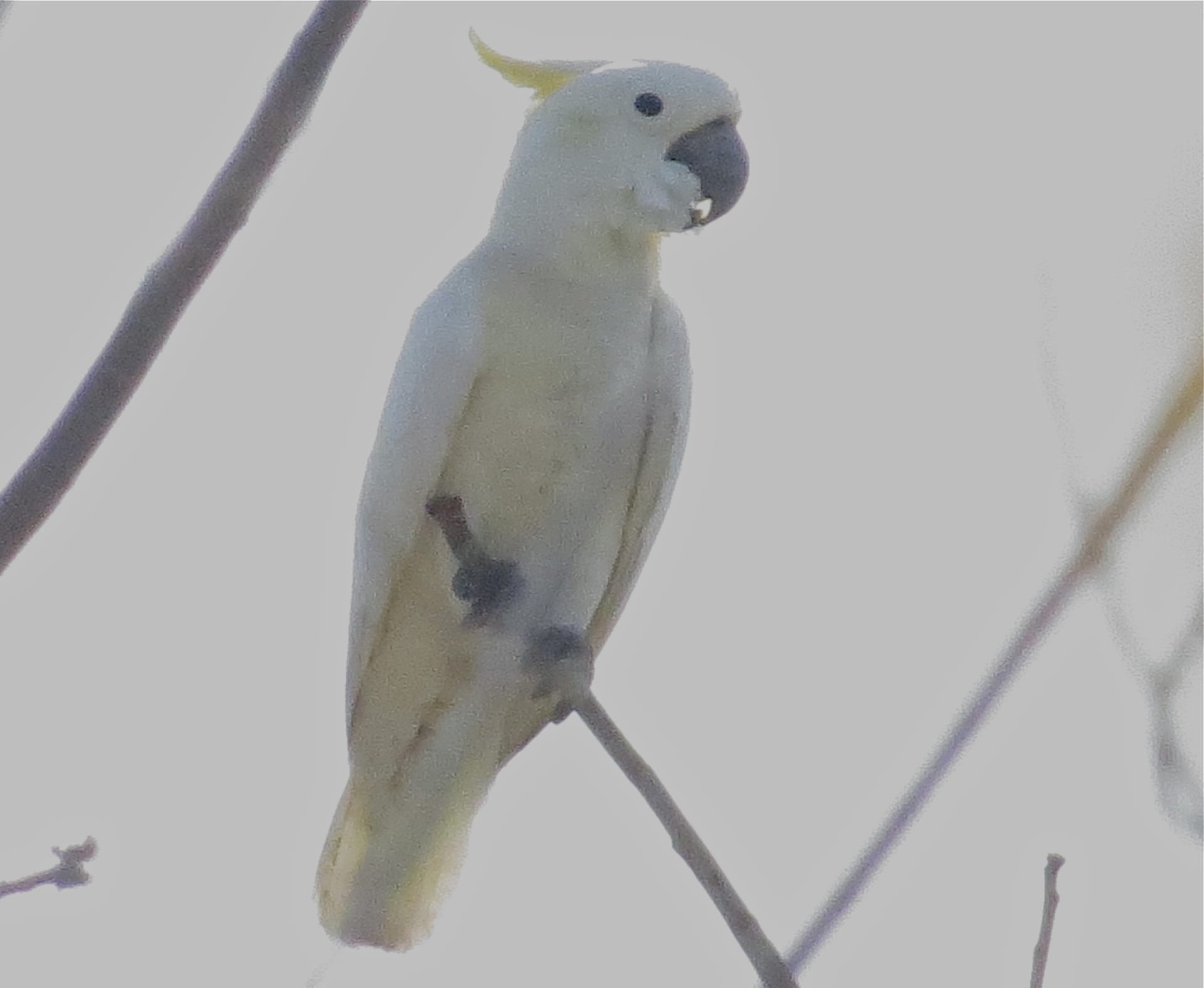
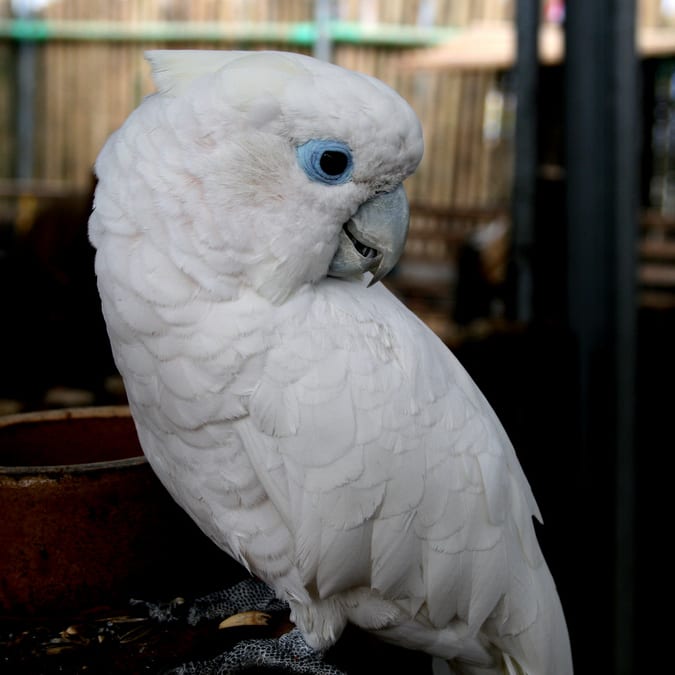
A small white cockatoo endemic to the Solomon Islands, about 31 cm long, with bare blue skin around the eye and a pale, upcurved bill. The crest normally lies flat but rises like a sail when the bird is excited.
Difficulty
Advanced
Temperature
15〜30℃
Lifespan
40-60 years
Size
30-31cm (290-415g)
Humidity
40〜60%
Diet
A mix of small seeds such as canary, oats and safflower, sprouted pulses, greens, fruit and vegetables, nuts and complete pellets
About
The Solomons corella (Cacatua ducorpsii) is endemic to the Solomon Islands and is the only cockatoo in its range. Bare blue skin surrounds the eye and the bill is pale with a short, upcurved upper mandible; the iris is brown in males and reddish brown in females. It ranges from the coast to the mountains, using forest, forest edge, secondary growth, gardens and townships, and has been recorded to 1,700 m though it lives mainly below 700 m. The population is put at around 100,000 and the IUCN assesses the species as Least Concern. It nests in tree hollows, usually laying two white eggs, with an incubation of about 25 days and fledging about 62 days after hatching, the breeding season running from July to September. It is regarded as difficult to breed in captivity and few are kept.
Source: Wikipedia (CC BY-SA 4.0)
Lifespan of the Solomons Cockatoo (Ducorps's)
The Solomons Cockatoo (Ducorps's) lives 40-60 years.
Size of the Solomons Cockatoo (Ducorps's)
The Solomons Cockatoo (Ducorps's) grows to 30-31cm (290-415g).
It is 30 to 31 cm long and weighs 290 to 415 g, a small white cockatoo larger than the Tanimbar corella and smaller than the umbrella cockatoo, with a pink wash at the bases of the head feathers, brightest on the cheeks.
Basic Info
Origin
The Solomon Islands from Bougainville southeast to Malaita and Guadalcanal, absent from Makira and its surrounding islands in the south
Lifespan
40-60 years
Care Specifications
Semi-aggressivePairBreeding: Hard
Sources: World Parrot Trust Parrot Encyclopedia - Solomon Islands Cockatoo (length 31cm, weight 290-415g, 4.5 m aviary, nest box size, clutch of two to three, fledging at nine weeks, breeding July-September, altitude, call, diet, rarity in captivity) / Japanese Wikipedia - Solomons corella (length 30cm, range, absence from Makira, incubation about 25 days, fledging about 62 days) / Wikipedia - Solomons corella (population around 100,000, crest shape, habitat)
References & Sources
Edited & verified by: BreederDirect editorial team
The taxonomic, regulatory, and husbandry data on this page are compiled and verified against the authoritative primary sources below.
Primary sources
- Wikipedia
- CITES Appendices (Appendix II under the order-wide listing of Psittaciformes; checked against the edition valid from 25 November 2023)
- IUCN Red List
- Ministry of the Environment, Japan - List of Invasive Alien Species designated under the IAS Act (birds)
- World Parrot Trust Parrot Encyclopedia - Solomon Islands Cockatoo (length 31cm, weight 290-415g, 4.5 m aviary, nest box size, clutch of two to three, fledging at nine weeks, breeding July-September, altitude, call, diet, rarity in captivity)
- Japanese Wikipedia - Solomons corella (length 30cm, range, absence from Makira, incubation about 25 days, fledging about 62 days)
- GBIF
Taxonomy & Authority
Accepted name: Cacatua ducorpsii Pucheran, 1853
Synonyms: Cacatua goffini, Lophochroa goffini
Authority databases: GBIF
Nomenclature follows global taxonomic authority databases.
Regulations & Conservation Status
CITES Appendix IIIUCN LC · Least Concern
Domestic law: Only captive-bred birds and lawfully imported birds are traded, and import requires a CITES export permit from the country of origin.
Cacatua ducorpsii. The order Psittaciformes is listed in CITES Appendix II except for species placed in Appendix I, so this species is Appendix II and international trade requires an export permit. It is not designated an Invasive Alien Species in Japan. The IUCN assesses it as Least Concern and puts the population at around 100,000.
Sources: CITES Appendices (Appendix II under the order-wide listing of Psittaciformes; checked against the edition valid from 25 November 2023) / IUCN Red List / Ministry of the Environment, Japan - List of Invasive Alien Species designated under the IAS Act (birds)
Regulations may change. Always verify the latest information with the relevant authorities.
Solomons Cockatoo (Ducorps's) Listings
Loading latest listingsFind listings for this species