Little Corella Parrot Care Guide | Characteristics, Cages, Diet, and Training
A comprehensive care guide for the Little Corella (Cacatua sanguinea), a white parrot native to Australia. This guide covers characteristics of this relatively gentle and easy-to-keep cockatoo species, cage setup, feeding management, hand-taming training, and common health issues.
Key Takeaways
A comprehensive care guide for the Little Corella (Cacatua sanguinea), a white parrot native to Australia. This guide covers characteristics of this relatively gentle and easy-to-keep cockatoo species, cage setup, feeding management, hand-taming training, and common health issues.
Related Species
What is the Little Corella?
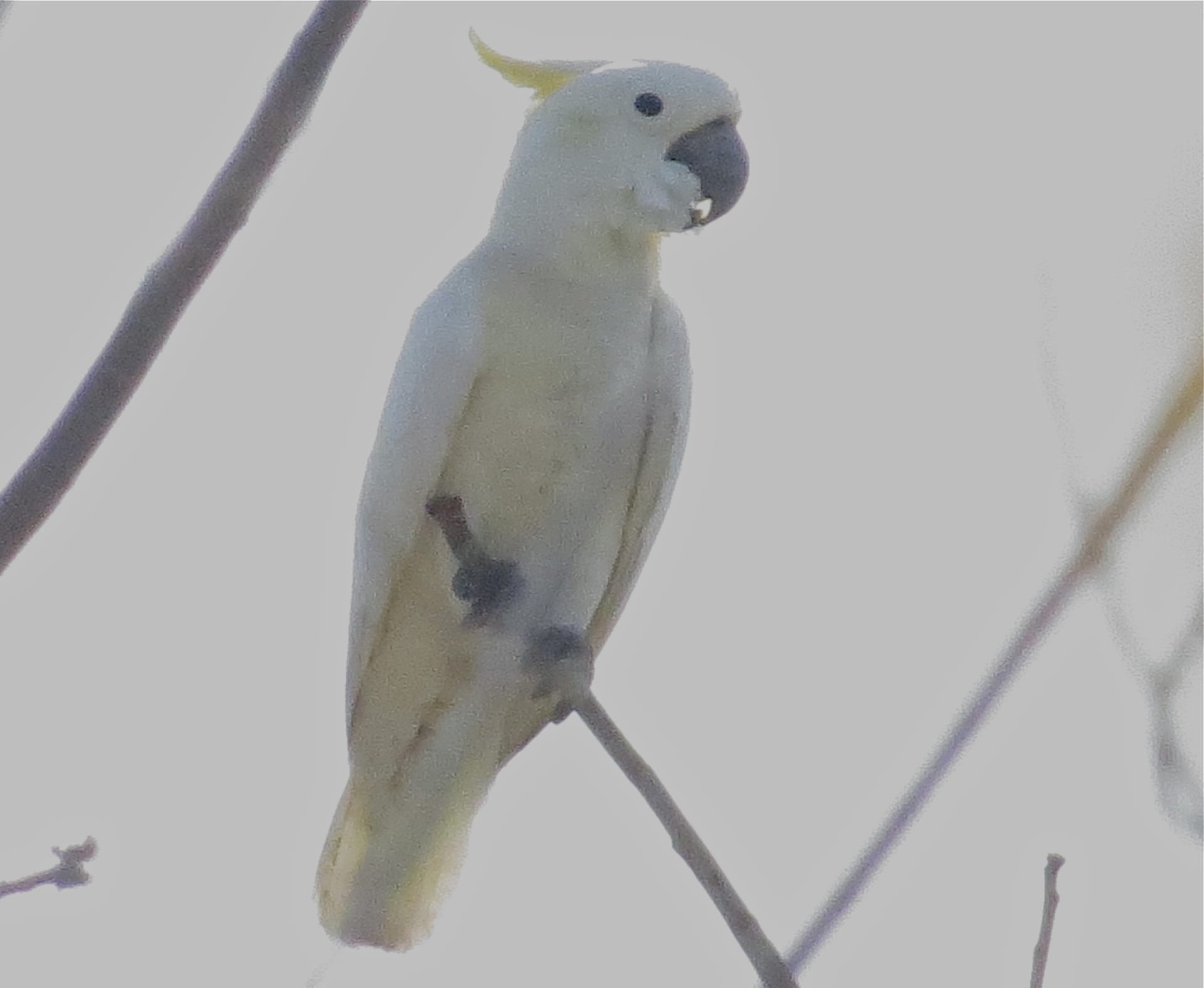
The Little Corella (Cacatua sanguinea) is a medium-sized parrot widely distributed across Australia and belongs to the Cacatuidae (cockatoo) family. It is characterized by pure white plumage throughout its body, bright blue bare skin around the eyes, and a small crest (crown feathers).
Measuring approximately 37-39 cm in length and weighing 300-400 g, it is among the smaller of the medium-sized cockatoos. In Japanese, it is sometimes called a "Kobatan." In the wild, it lives in flocks and is sometimes considered a pest due to seed foraging in agricultural areas. However, in captivity, it is popular as a social and intelligent companion bird.
Little Corella's Position Among Cockatoos
| Comparison Item | Little Corella | Pink Cockatoo |
|---|---|---|
| Body Length | Approx. 37-39 cm | Approx. 36-38 cm |
| Vocalization Volume | Moderate | Moderate |
| Aggression Level | Low | Low |
| Ease of Socialization | High | High |
| Availability in Japan | Limited | Limited |
While cockatoos in general are affectionate, spoiling them excessively tends to cause behavioral problems. However, the Little Corella is known for having a relatively balanced temperament.
Cage and Housing Setup
Recommended Cage Size
Medium-sized cockatoos require spacious cages.
| Standard | Minimum Size | Recommended Size |
|---|---|---|
| Cage Width | 60 cm | 90 cm or more |
| Cage Depth | 50 cm | 75 cm or more |
| Cage Height | 80 cm | 100 cm or more |
Select cages made of stainless steel or powder-coated iron. The Little Corella's beak is powerful and can destroy wooden cages or inexpensive cages with thin powder coating.
Perches and Environmental Enrichment
- Install multiple natural wood perches with a diameter of 2-3.5 cm (such as cherry, apple, or willow)
- Provide plenty of chewing toys (natural wood, cotton rope, leather, stainless steel balls, etc.)
- Cockatoos are highly intelligent and boredom becomes stress, so daily rotation of toy placement and introduction of new toys is important
- Mirrors can stimulate breeding behavior in males, so avoid overuse
Temperature and Light Environment
- Temperature: 18-28°C (avoid sudden changes)
- Provide 12-14 hours of light using natural light or UV light sources (full-spectrum avian lights)
- Create 10 or more hours of darkness at night with blackout covers (to prevent over-breeding)
Diet and Nutrition
Cockatoos in general are prone to fatty liver disease, atherosclerosis, and vitamin deficiencies when fed high-fat diets (such as only sunflower seeds).
Recommended Daily Diet Composition
| Food Type | Percentage | Details |
|---|---|---|
| Pellets (low-fat type) | 40-50% | Parrot pellets such as Harrison's or Zupreem |
| Fresh Vegetables | 20-30% | Mustard greens, bok choy, bell pepper, cauliflower |
| Fruit | 10-15% | Small amounts of apple, pear, grapes (seeds removed) |
| Seed Mix | 10-15% | Limit sunflower and hemp seeds to small amounts |
Foods to Avoid
Avocado, chocolate, coffee, alcohol, salt, onions, and garlic are toxic to birds.
Calcium Supplementation
Keep cuttlebone (from cuttlefish) or oyster shell powder on hand. This is especially important for breeding females.
Hand-Taming Training and Communication
Little Corellas are highly intelligent and respond well to training.
Basic Training Steps
- Getting Accustomed to Environment (1-2 weeks): Familiarize it with your voice without forcing contact. Repeat calling its name.
- Treat Training: Offer favorite treats (dried corn, small nuts, etc.) from your fingertips to help it recognize your hand as a safe presence.
- Finger Perching: Place your finger at its feet and teach the "step up" command. Praise immediately upon success.
- Command Training: Teach commands such as "step down," "house" (return to cage), and "no."
The Importance of Setting Rules with Cockatoos
Cockatoos are emotionally expressive and may use screaming and biting as a means to get what they want. If you rush to respond every time it screams, it will learn that "screaming brings you to me." The basic approach to screaming is to give it attention only during calm, quiet moments.
Common Health Issues
1. Psychological Problems (Feather Destruction and Feather Plucking)
Cockatoos are prone to feather plucking (self-removal of feathers) due to psychological stress or boredom. Prolonged isolation and significant environmental changes can trigger this behavior. If it worsens, it can lead to self-injury, requiring consultation with an avian veterinarian.
2. Respiratory Diseases (Chlamydia, Aspergillosis, etc.)
Cockatoos are susceptible to psittacosis (Chlamydia), a zoonotic disease, so regular testing is recommended. Additionally, care should be taken to prevent aspergillosis (fungal pneumonia) during periods of immune suppression.
3. Overgrown Beak and Overgrown Nails
An overgrown beak can indicate skeletal disease, nutritional deficiency, or infection. If the bird cannot self-correct, treatment by an avian veterinarian is necessary.
4. Over-breeding (Especially in Females)
Insufficient dark period, mirrors, and excessive physical contact can trigger over-breeding. Repeated laying of infertile eggs increases the risk of egg binding and osteomyelitis. Managing photoperiod (ensuring 10 hours of darkness) is the basic preventive measure.
Conclusion
While the Little Corella is a relatively calm and people-friendly cockatoo, its intelligence and emotional richness require continuous enrichment and communication in care. By combining quality diet, spacious cage, daily out-of-cage time and interaction, and regular health check-ups, you can build a rewarding relationship with this companion bird that can live for over 20 years.