Source: Wikimedia Commons
Yellow-crested Cockatoo
AdvancedCacatua sulphurea
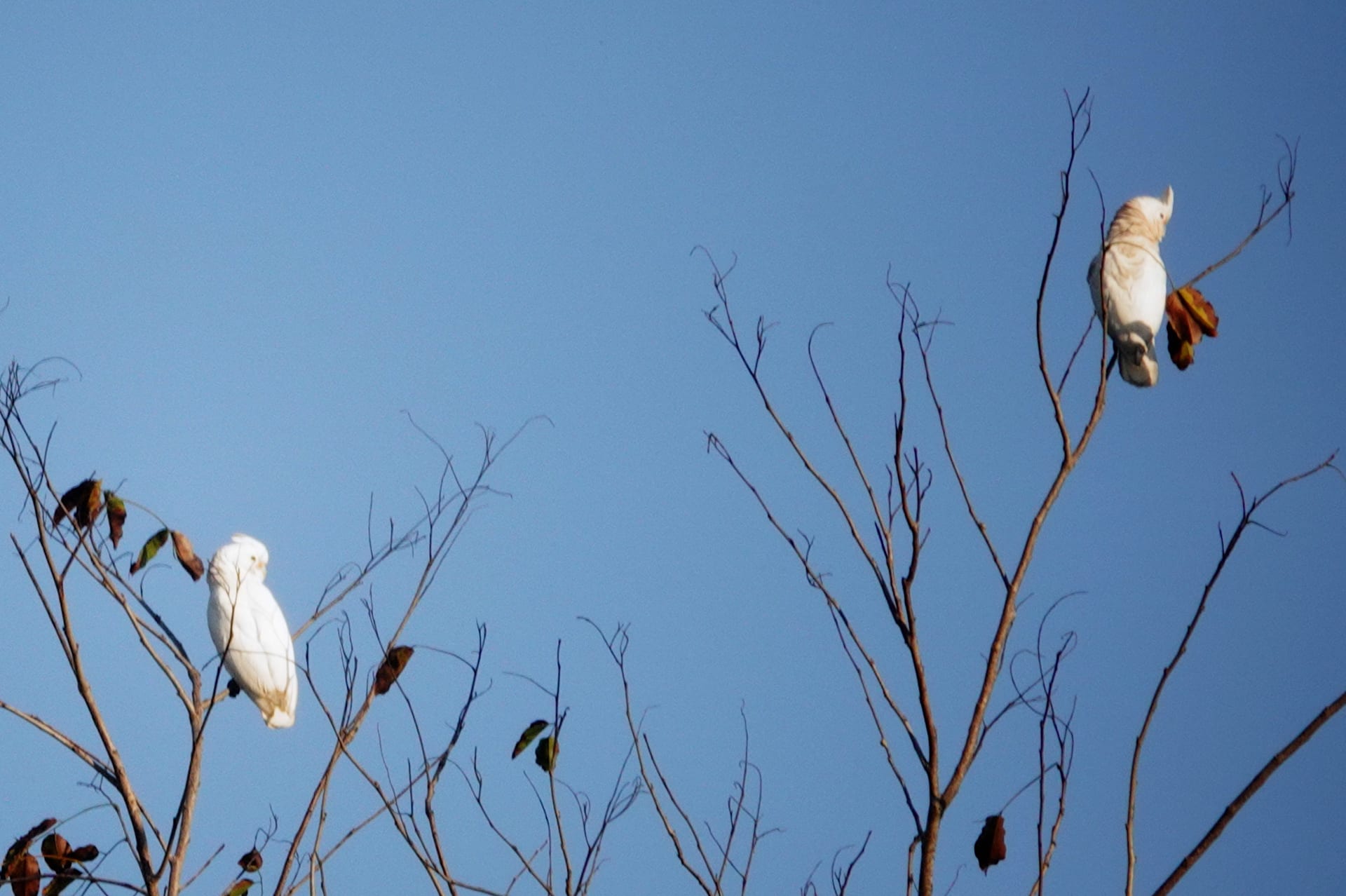
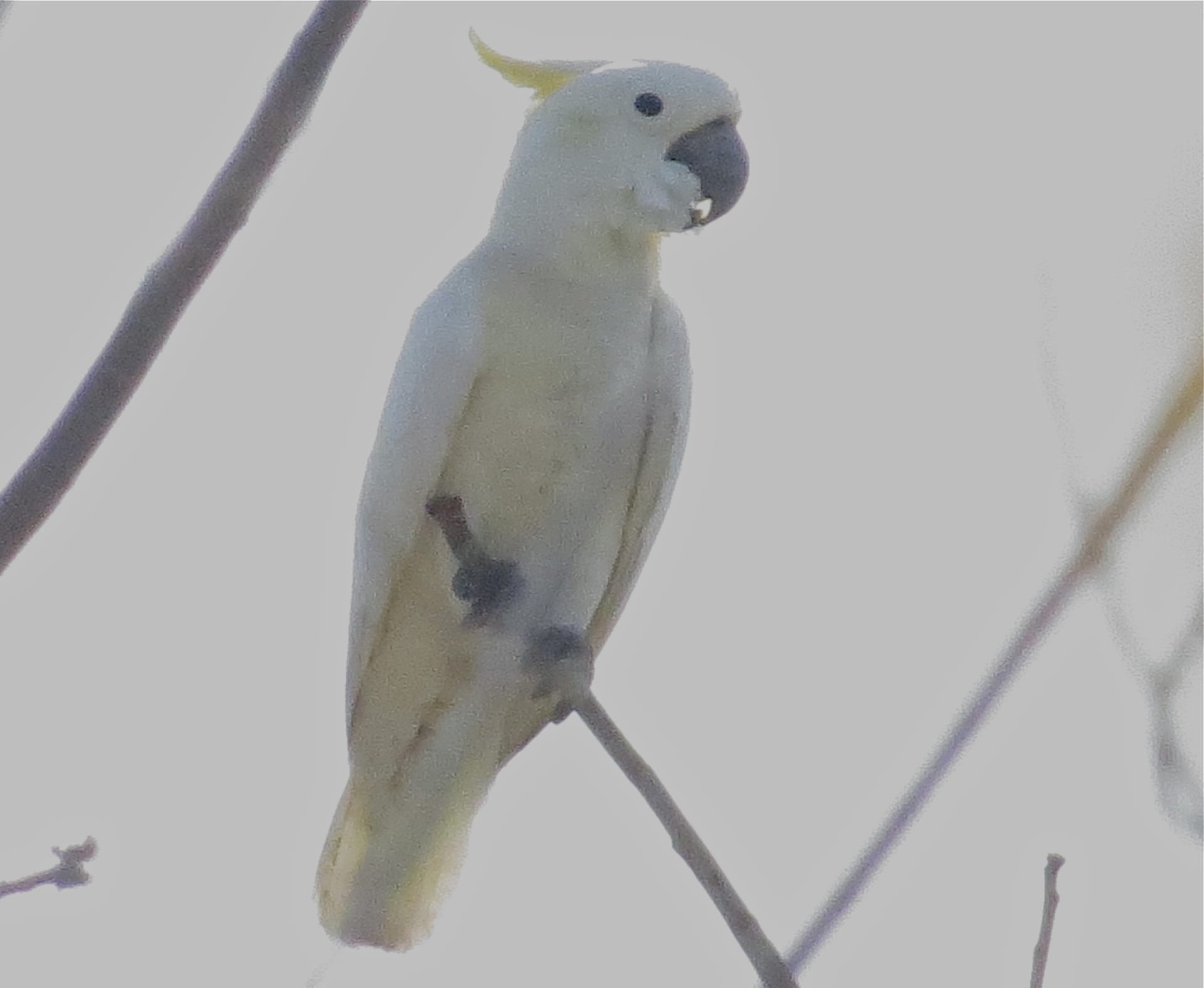
A white cockatoo of medium size, about 33 cm long, marked by a recurved yellow to orange crest and yellow ear coverts. The bill is black and there is bare bluish skin around the eye. The sexes look much alike.
Difficulty
Advanced
Temperature
15〜30℃
Lifespan
40-60 years
Size
33cm (308-380g)
Humidity
40〜60%
Diet
A mix of small seeds such as canary, oats and safflower, sprouted pulses, greens, fruit and vegetables, nuts and complete pellets
About
The yellow-crested cockatoo (Cacatua sulphurea) is a medium-sized cockatoo of Indonesia and East Timor and the westernmost member of its genus. The plumage is white with yellow on the ear coverts, crest and the undersides of wings and tail, and the crest curves forward. The bill is black and there is bare bluish skin around the eye; the male's iris is black and the female's reddish brown. The IOC World Bird List recognises five subspecies. It occurs from sea level to 1,200 m in forest edge, woodland, farmland and coconut plantations, feeding on seeds, nuts, berries, flowers and leaves. It nests in tree hollows, laying two eggs and occasionally three, with an incubation of 27 days in captivity and fledging at 10 to 12 weeks. Trapping for the pet trade and habitat loss have cut the population by more than 80 per cent, leaving an estimated 1,200 to 2,000 mature birds. An introduced population is established in Hong Kong.
Source: Wikipedia (CC BY-SA 4.0)
Lifespan of the Yellow-crested Cockatoo
The Yellow-crested Cockatoo lives 40-60 years.
Size of the Yellow-crested Cockatoo
The Yellow-crested Cockatoo grows to 33cm (308-380g).
It is 33 cm long and weighs 308 to 380 g.
Basic Info
Origin
Indonesia, on Sulawesi and its satellite islands and in the Lesser Sundas, and East Timor
Lifespan
40-60 years
Size
33cm (308-380g)
Care Specifications
Semi-aggressivePair
Sources: World Parrot Trust Parrot Encyclopedia - Yellow-crested Cockatoo (length 33cm, weight 308-380g, longevity 40-60 years, 4.5 m aviary, nest box sizes, clutch of two, fledging at 10-12 weeks, call, diet) / Japanese Wikipedia - Yellow-crested cockatoo (length 33cm, crest and ear coverts, iris differences between the sexes, altitude to 1,200 m, 27-day incubation, fledging at 10 weeks, CITES listing history, export figures) / Wikipedia - Yellow-crested cockatoo (five IOC subspecies, split of citrinocristata, introduced population in Hong Kong)
References & Sources
Edited & verified by: BreederDirect editorial team
The taxonomic, regulatory, and husbandry data on this page are compiled and verified against the authoritative primary sources below.
Primary sources
- Wikipedia
- CITES Appendices (Cacatua sulphurea listed in Appendix I; checked against the edition valid from 25 November 2023)
- IUCN Red List
- Cabinet Order under Japan's Act on Conservation of Endangered Species of Wild Fauna and Flora, appended table 2
- World Parrot Trust Parrot Encyclopedia - Yellow-crested Cockatoo (length 33cm, weight 308-380g, longevity 40-60 years, 4.5 m aviary, nest box sizes, clutch of two, fledging at 10-12 weeks, call, diet)
- Japanese Wikipedia - Yellow-crested cockatoo (length 33cm, crest and ear coverts, iris differences between the sexes, altitude to 1,200 m, 27-day incubation, fledging at 10 weeks, CITES listing history, export figures)
- GBIF
Taxonomy & Authority
Accepted name: Cacatua sulphurea (Gmelin, 1788)
Synonyms: Psittacus sulphureus
Authority databases: GBIF
Nomenclature follows global taxonomic authority databases.
Regulations & Conservation Status
CITES Appendix IIUCN CR · Critically Endangered
Domestic law: As an internationally endangered species, transfer requires a registration certificate for each bird, and only captive-bred birds are traded.
Cacatua sulphurea was listed in CITES Appendix II in 1981 as part of the order-wide listing of Psittaciformes and was transferred to Appendix I in 2005. In Japan it is an internationally endangered species under the Act on Conservation of Endangered Species: commercial international trade is in principle prohibited, and transferring a bird or advertising one for sale within Japan requires an individual registration and the certificate issued with it. Transferring a bird without that certificate is unlawful. The IUCN assesses it as Critically Endangered and puts the mature population at 1,200 to 2,000. Indonesia banned domestic trade in the species in 1992.
Sources: CITES Appendices (Cacatua sulphurea listed in Appendix I; checked against the edition valid from 25 November 2023) / IUCN Red List / Cabinet Order under Japan's Act on Conservation of Endangered Species of Wild Fauna and Flora, appended table 2
Regulations may change. Always verify the latest information with the relevant authorities.
Yellow-crested Cockatoo Listings
Loading latest listingsFind listings for this species