Source: Wikimedia Commons
Red-fronted Macaw
AdvancedAra rubrogenys
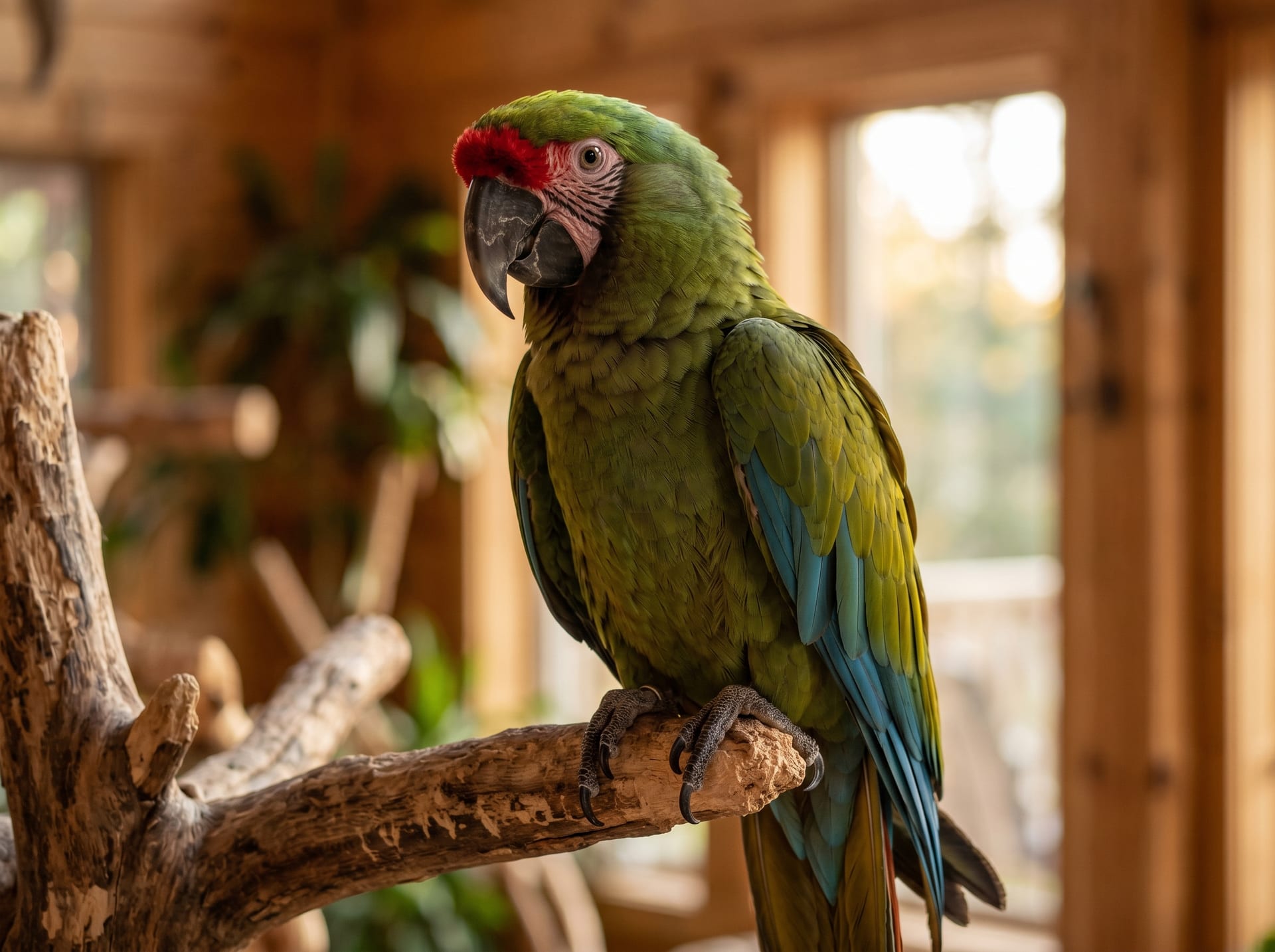
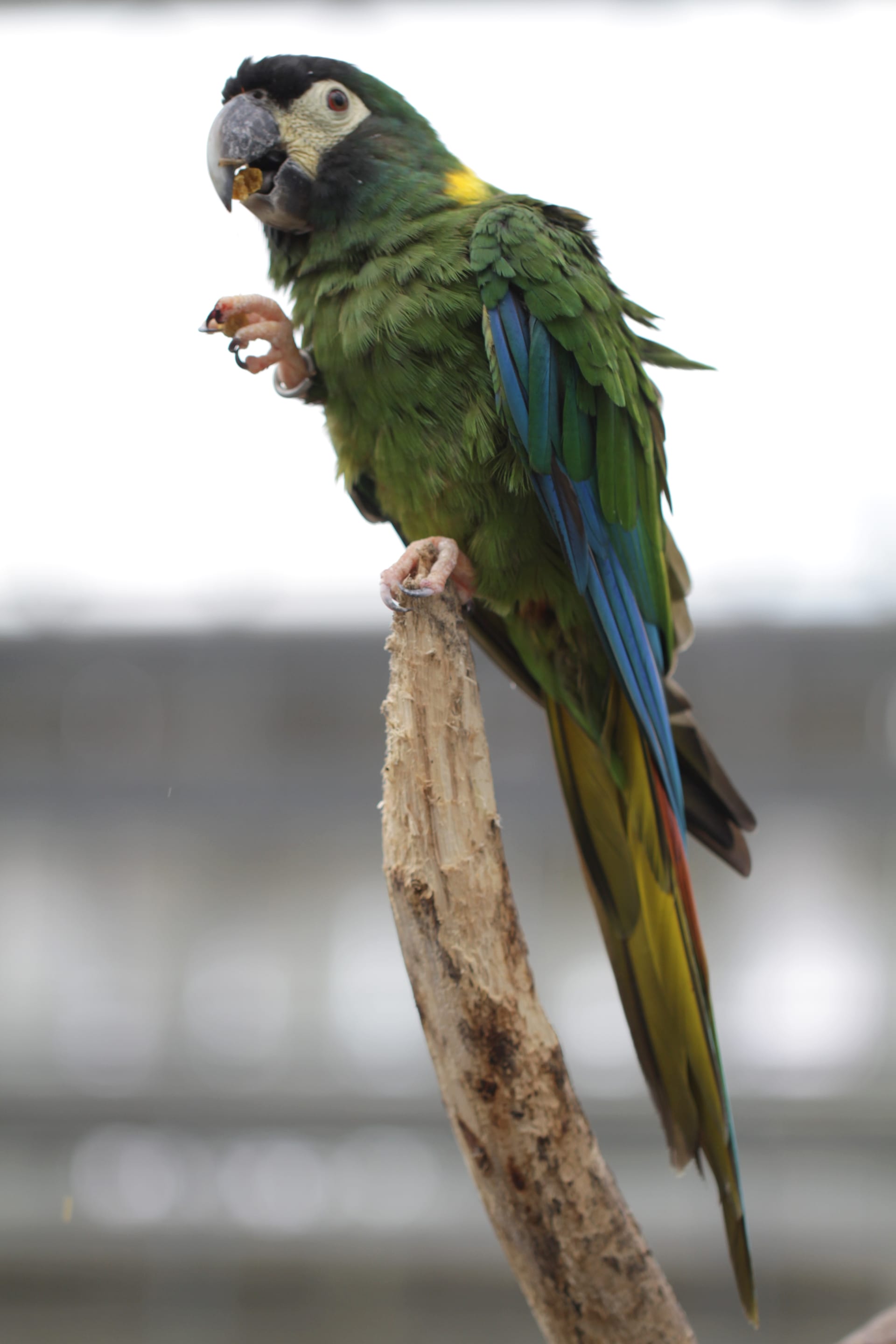
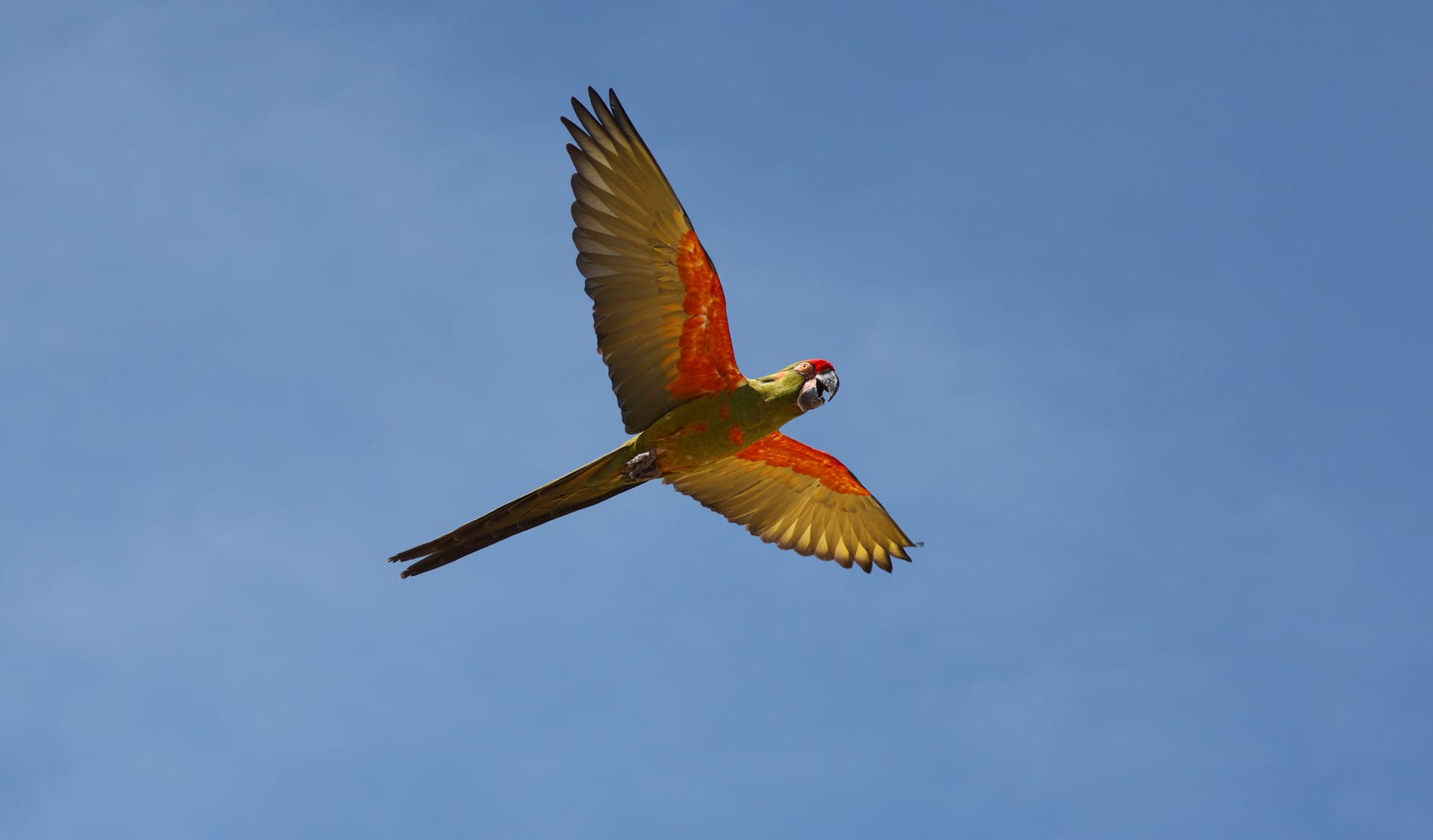
A macaw 55 to 60 cm long, mainly green with orange-red on the forehead, behind the ear, at the bend of the wing and on the underwing coverts. It is the only macaw of semi-desert mountain country and nests in cliff fissures.
Difficulty
Advanced
Temperature
15〜30℃
Lifespan
35-45 years
Size
55-60cm
Humidity
40〜60%
Diet
Large parrot pellets, nuts, seeds, fruit and vegetables
About
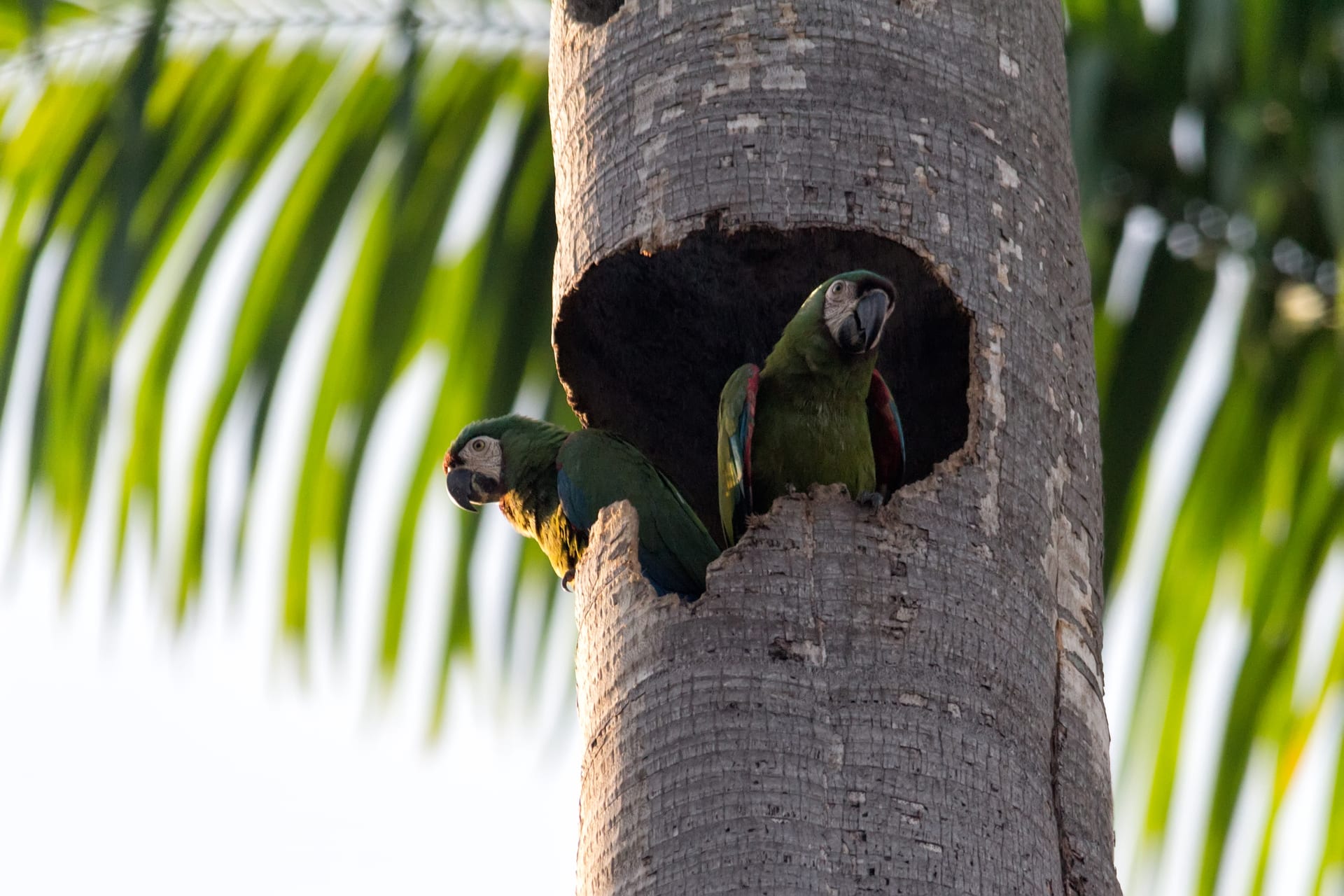
The red-fronted macaw (Ara rubrogenys) is endemic to a small semi-desert mountain area of central Bolivia. It is 55 to 60 cm long and mainly green, with orange-red on the forehead, behind the ear, on the shoulders, at the bend of the wing and on the underwing coverts, and blue primaries. Pinkish-white bare skin surrounds the eye, crossed by short red feathers in front and dark brown ones behind; the iris is orange and the bill black-grey. It lives in dry deciduous woodland, thorn scrub and cactus vegetation in valleys between 1,100 and 2,500 m, occasionally to 3,000 m, and is the only macaw to occupy such a climatic zone. Because there are no large trees in its range, it nests in vertical fissures in cliff faces rather than tree hollows. It lays one to three eggs, usually two, between October and April; incubation in captivity takes 26 days and the young fledge at 70 to 73 days. Outside the breeding season the birds gather in large flocks.
Source: Wikipedia (CC BY-SA 4.0)
Lifespan of the Red-fronted Macaw
The Red-fronted Macaw lives 35-45 years.
Size of the Red-fronted Macaw
The Red-fronted Macaw grows to 55-60cm.
Basic Info
Origin
Endemic to a small semi-desert mountain area of south-central Bolivia, about 200 km west of Santa Cruz
Lifespan
35-45 years
Size
55-60cm
Care Specifications
Semi-aggressivePairBreeding: Hard
Sources: Wikipedia - Red-fronted macaw (size, morphology, range, habitat, nest sites) / Japanese Wikipedia - Akamimi-kongo-inko (morphology, altitude, diet, breeding season, incubation, fledging, population trend, legal status) / IOC World Bird List v15.2 (scientific name, authority, English name, range)
References & Sources
Edited & verified by: BreederDirect editorial team
The taxonomic, regulatory, and husbandry data on this page are compiled and verified against the authoritative primary sources below.
Primary sources
- Wikipedia
- CITES Appendices (Ara rubrogenys listed in Appendix I)
- Annex to Council Regulation (EC) No 338/97 as amended by Commission Regulation (EU) 2026/1383 (post-CoP20)
- IUCN Red List
- Japanese Wikipedia - Akamimi-kongo-inko (morphology, altitude, diet, breeding season, incubation, fledging, population trend, legal status)
- IOC World Bird List v15.2 (scientific name, authority, English name, range)
- GBIF
Taxonomy & Authority
Accepted name: Ara rubrogenys Lafresnaye, 1847
Authority databases: GBIF
Nomenclature follows global taxonomic authority databases.
Regulations & Conservation Status
CITES Appendix IIUCN CR · Critically Endangered
Ara rubrogenys was listed in CITES Appendix II in 1981 as part of the order-wide listing of Psittaciformes and was transferred to Appendix I in 1983. In Japan it is an internationally endangered species under the Act on Conservation of Endangered Species: commercial international trade is in principle prohibited, and transferring a bird or advertising one for sale within Japan requires an individual registration and the certificate issued with it. Transferring a bird without that certificate is unlawful. The IUCN assesses it as Critically Endangered. It is legally protected in Bolivia, where collection and export are prohibited. The population was put at 2,000 to 4,000 birds in 1994 and at under 500 pairs in 2007.
Sources: CITES Appendices (Ara rubrogenys listed in Appendix I) / Annex to Council Regulation (EC) No 338/97 as amended by Commission Regulation (EU) 2026/1383 (post-CoP20) / IUCN Red List
Regulations may change. Always verify the latest information with the relevant authorities.
Red-fronted Macaw Listings
Loading latest listingsFind listings for this species